

As the year winds down, I like to take stock of what actually worked.
Not the trends I tried once. Not the routines I flirted with for a few weeks. But the habits that stayed in rotation because they consistently made my skin healthier, calmer, and easier to manage throughout 2025.
This isn’t a “new year, new you” reset. It’s a year-end reflection on the skincare practices that earned their place through real life, travel, stress, seasons, and testing more products than I can count.
If you’re heading into 2026 wanting smarter skincare instead of more skincare, this is what I’d keep.
Let’s get into it.
1. Mastering the Double Cleanse
If there’s one habit that stayed non-negotiable for me this year, it’s double cleansing.
Stubborn makeup, thick sunscreen, excess sebum, and daily buildup don’t come off properly with a single cleanser.
Once I committed to starting every night with an oil-based cleanse, my skin stayed clearer and more consistent throughout 2025.
So what does double cleansing actually mean?
I start with an oil-based cleanser. Oil follows the rule that oil dissolves oil, which makes it incredibly effective at breaking down makeup, sunscreen, and anything water alone can’t remove.
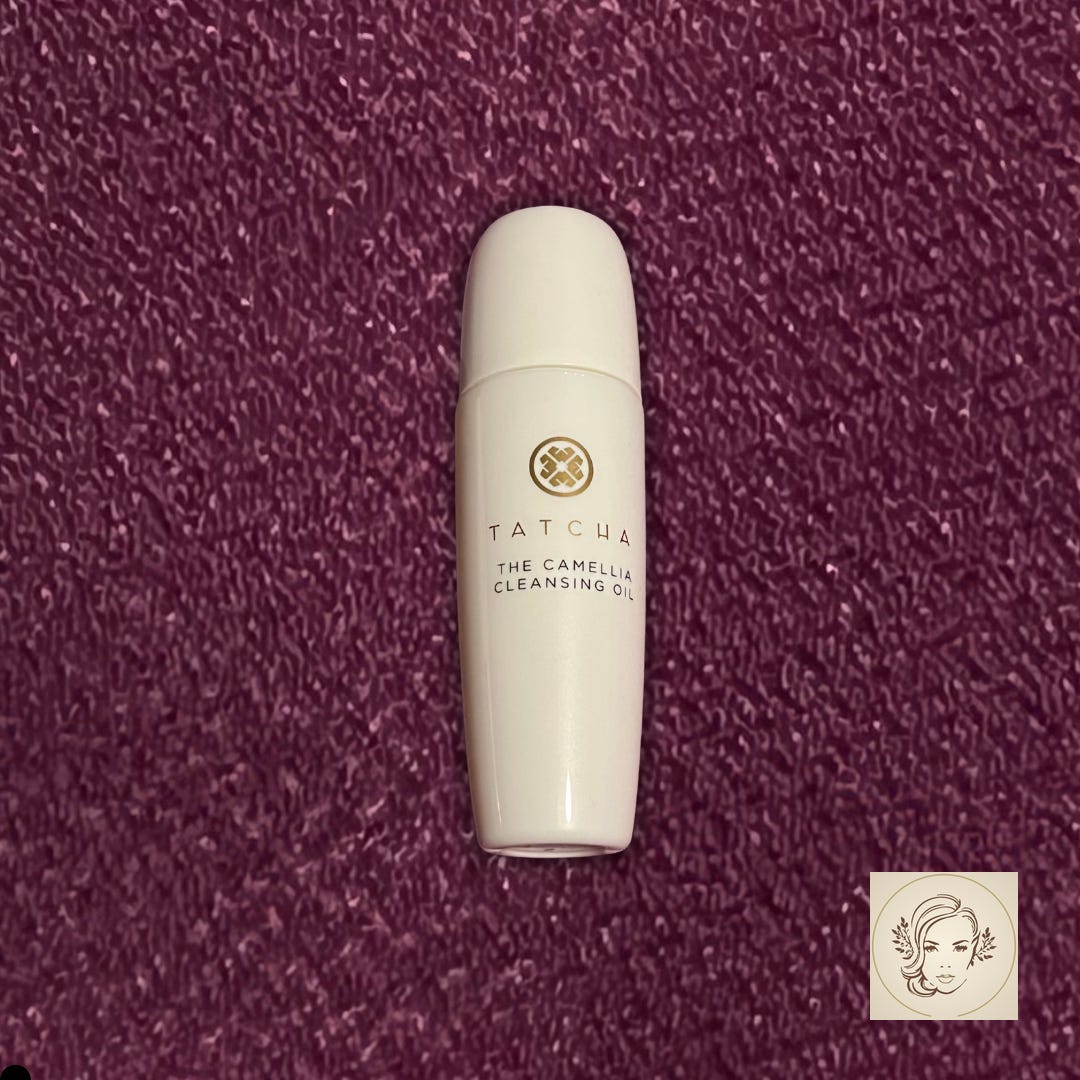
My go-to products have been Tatcha Camellia Cleansing Oil and Versed Day Dissolve Cleansing Balm.
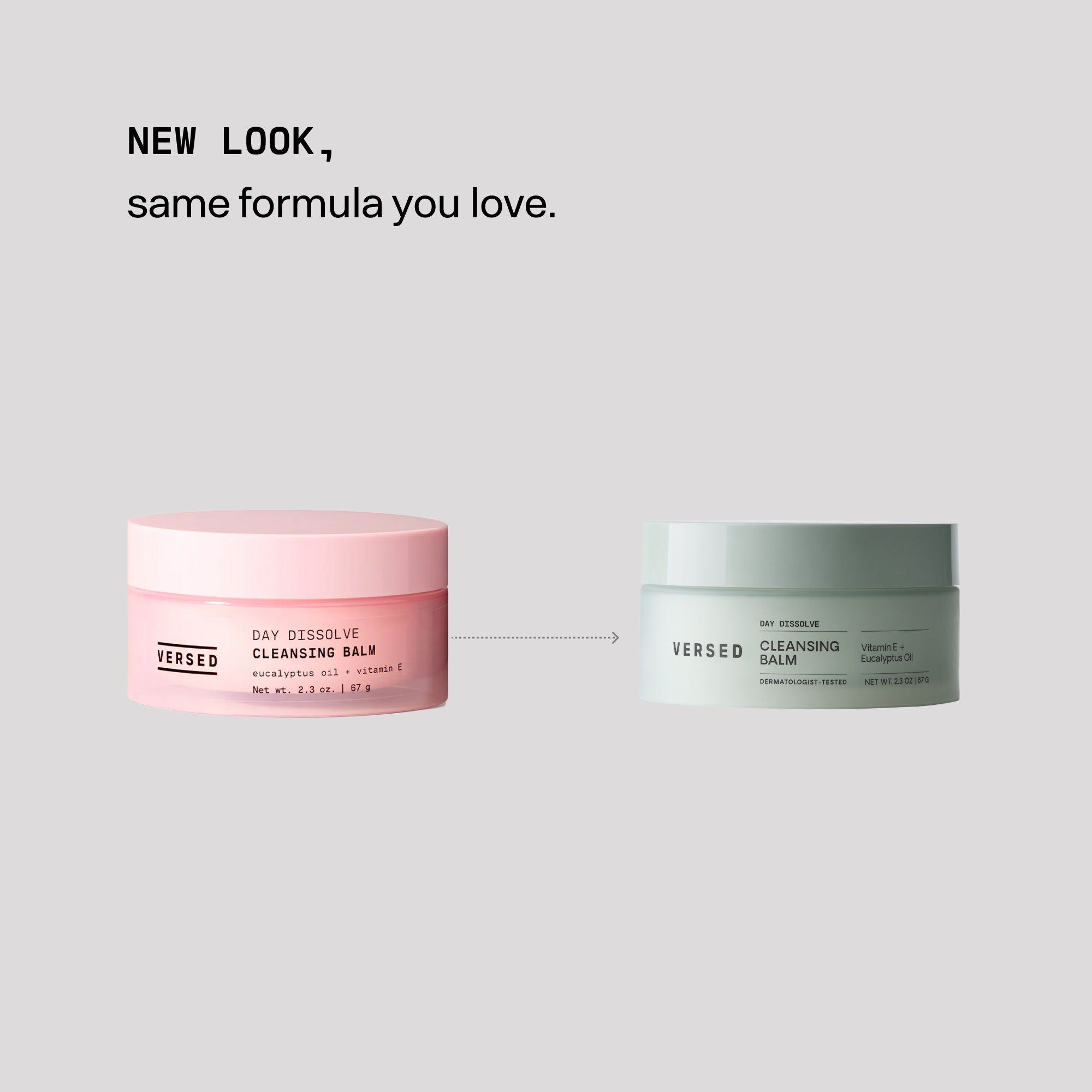
Both melt everything away without harsh rubbing or stripping my skin.
Once those oil-based impurities are gone, I follow with a water-based cleanser.
This second step takes care of anything left behind, including sweat, dirt, and other water-soluble debris.
I adjust this step depending on what my skin needs. After sweaty workouts or long days, I reach for a benzoyl peroxide cleanser to help prevent breakouts.
On drier days, I switch to a more hydrating cleanser to keep my skin comfortable and balanced.
Double cleansing might sound like an extra step, but over the course of the year, it proved to be one of the simplest changes with the biggest payoff.
2. Optimizing Peptide Power
Peptides ended up being one of the most reliable parts of my routine this year.
They are small pieces of protein that send signals to your skin. These signals tell your skin to repair itself and stay strong.
Different peptides do different jobs:
Copper peptides help support collagen, which keeps skin looking firm and healthy.
Signal peptides help improve texture and overall strength.
What made the biggest difference in 2025 was not just using peptides, but using them the right way.
I found that applying peptide products from thinnest to thickest worked best for my skin and helped with absorption. I also avoided using copper peptides at the same time as vitamin C or niacinamide, since mixing them can cancel out their benefits.
When I stayed consistent and kept things simple, peptides helped my skin look more even, healthier, and more resilient over time.

If you are curious about copper peptides, Mirror Skin Copper Elixir is one I kept coming back to. It fit easily into my routine and helped support my skin without irritation.
3. Strategic Hydration
Hydration was something I had to pay attention to all year.
My skin did not need the same amount of moisture in every season. What worked in the summer was not enough in the winter. Once I stopped using the same routine year round, my skin felt much better.
I usually start by applying hydrating products to damp skin. Ingredients like hyaluronic acid work best this way because they pull water into the skin instead of sitting on top.

After that, I use a moisturizer to seal everything in.
This step helps keep the moisture from evaporating during the day or overnight.
In warmer weather, lighter layers are enough.
When the air gets cold or dry, my skin needs thicker creams for more protection.
During warmer months, I like using Medik8 Liquid Peptides under a lightweight moisturizer.
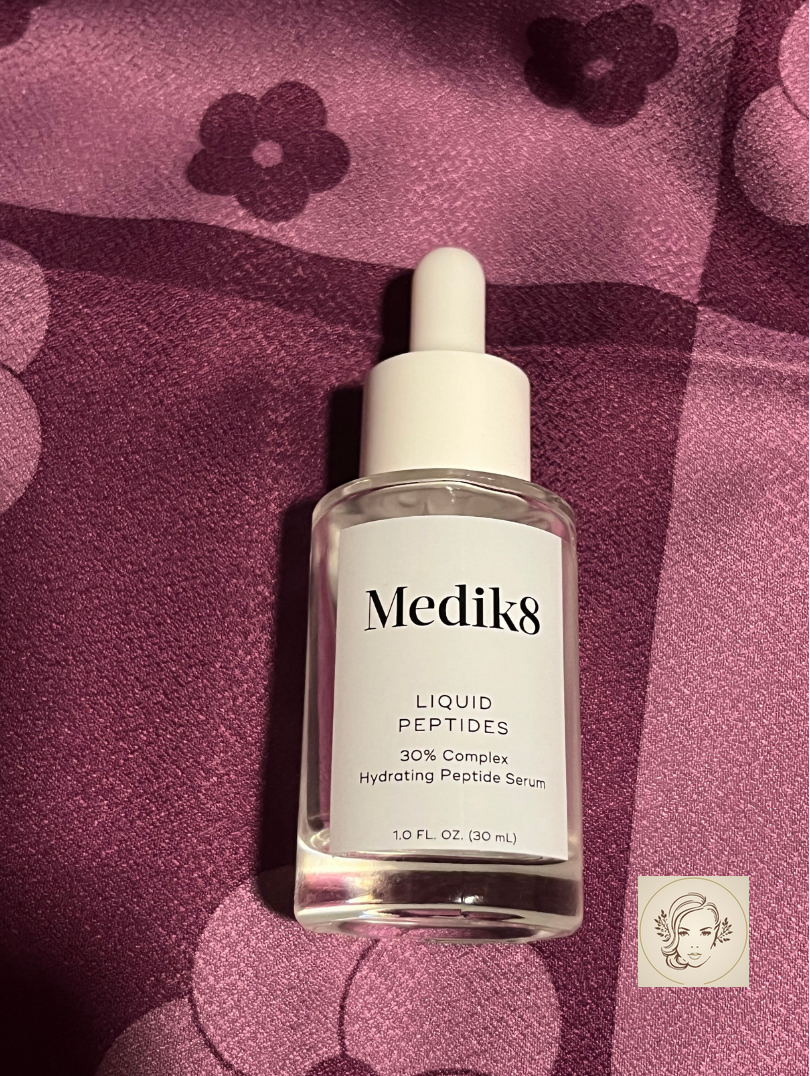
In winter, I switch to thicker creams to help prevent dryness and irritation.
Once I started adjusting my hydration based on the season, my skin stayed more comfortable and balanced throughout the year.
To learn more about moisturizers, check out my article Do You Really Need a Moisturizer?
4. Supporting Barrier Function
Your skin barrier does a lot of important work.
It protects your skin from pollution, weather, and daily stress. When the barrier is damaged, skin can feel dry, irritated, or break out more easily.
I noticed this year that whenever my skin felt off, my barrier was usually the problem. Too much cleansing, too much exfoliating, or just life stress could throw it out of balance.
To support my barrier, I focused on products with ceramides, cholesterol, and fatty acids. These ingredients help rebuild and protect the skin so it can do its job properly.
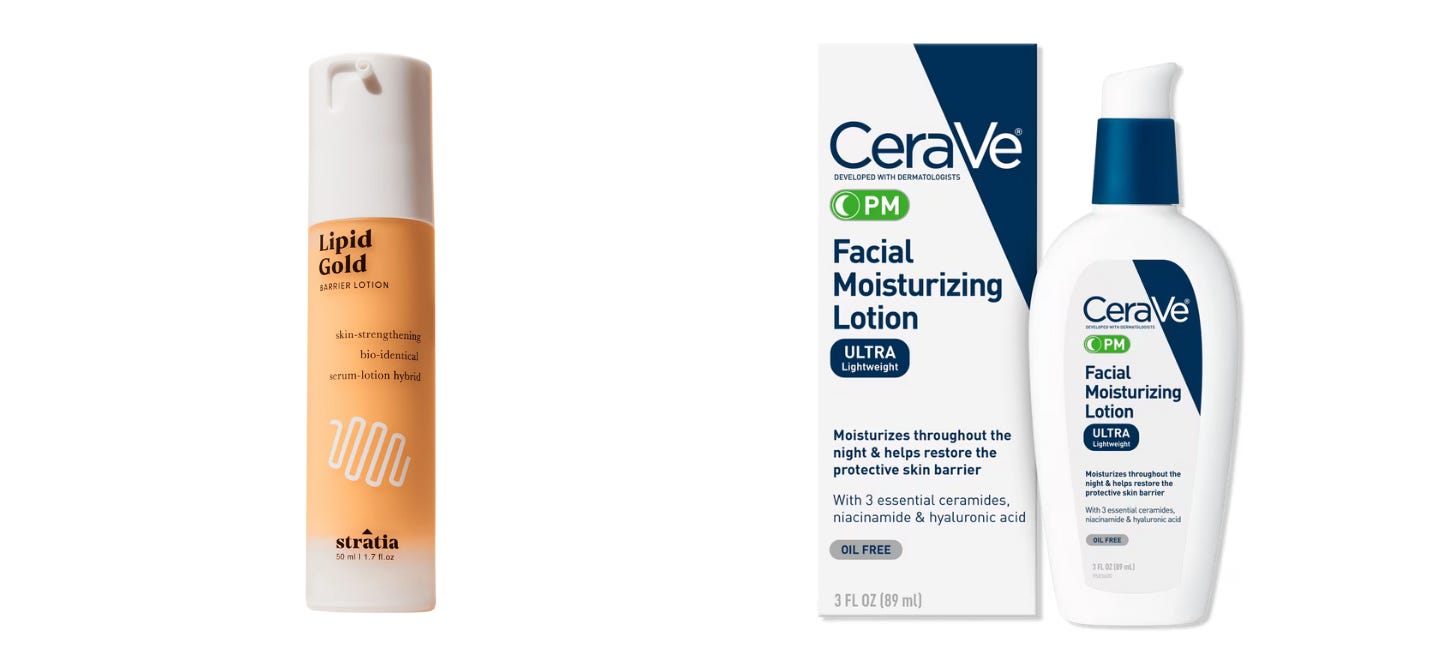
Two products I relied on were Stratia Liquid Gold and Cerave PM moisturizer. Both helped my skin feel stronger and less reactive over time.
Once I made barrier care a priority, my skin stayed calmer and healthier, even when everything else around it changed.
5. Nurturing Skin Microbiome
Your skin’s microbiome acts as a shield.
It helps protect your skin from harmful pathogens and inflammation.

When this balance is disrupted, skin can become irritated, sensitive, or more prone to breakouts.
Using harsh skincare products can easily throw off this natural barrier. I noticed that when I stripped my skin too much, it reacted almost immediately.
To maintain a healthy microbiome, I focused on using gentle cleansers that do not remove my skin’s natural oils.
I also paid attention to prebiotic ingredients like inulin and beta glucan.
These help nourish the good bacteria on the skin and support a balanced environment.
By keeping my routine gentle and supportive, my skin stayed healthier and more resilient over time.
6. Sauna for Skin Health
Adding sauna sessions to my routine made a noticeable difference this year.
Using a sauna helps support the skin’s detox pathways through sweating.
Sweating helps clear buildup from the skin, improves circulation, and supports healthier looking skin overall. Better circulation also means more oxygen and nutrients reach the skin.
I have the CurrentBody Infrared Sauna Blanket at home, and I also use the sauna at my gym. Having both options made it easier for me to stay consistent.

For effective use, I aim for sauna sessions that last about 20 to 30 minutes, around three times a week.
Staying hydrated before and after is important since you lose fluids through sweating.

After each session, I make sure to cleanse my skin. This helps remove sweat and anything released during the session, which can help prevent clogged pores and breakouts.
When used regularly, sauna sessions became a simple habit that supported clearer and healthier looking skin throughout the year.
For more insights into the benefits of sauna use for skin health, remember to read the article "Can You Sweat Your Way to Clear, Ageless Skin?"
7. Managing Blue Light Impact
Blue light from phones, computers, and TVs can affect more than just your eyes.
It can disrupt sleep hormones, which are important for nighttime skin repair. When sleep suffers, skin often looks dull and tired.
To reduce this impact, I use blue light filters on my devices after sunset. I also wear amber glasses in the evening to block blue light. I personally use and recommend Spectra 479.

I have had these glasses for over a year and use them every night. I take them with me everywhere and even wear them at the gym or grocery store after sunset.
I also use red light bulbs in my home to limit blue light exposure at night.
For skincare, I focus on antioxidants to help protect my skin from environmental stress.
One product I rely on is NIOD Survival 0. It is designed to help protect skin from environmental damage, including blue light exposure.
Using these habits together helped support better sleep and healthier looking skin over time.
8. Strategic Alcohol Reduction
Alcohol can be hard on your skin.
It dehydrates the body, triggers inflammation, and can disrupt sleep. All of these can show up on your skin the next day.
I noticed that when I drank alcohol, my skin looked dull and felt more dehydrated. Because of that, I became more intentional about when and how much I drank.
When I do choose to drink, I like having alcohol free options as well. One option I use is Ramp Health’s B4 drink.
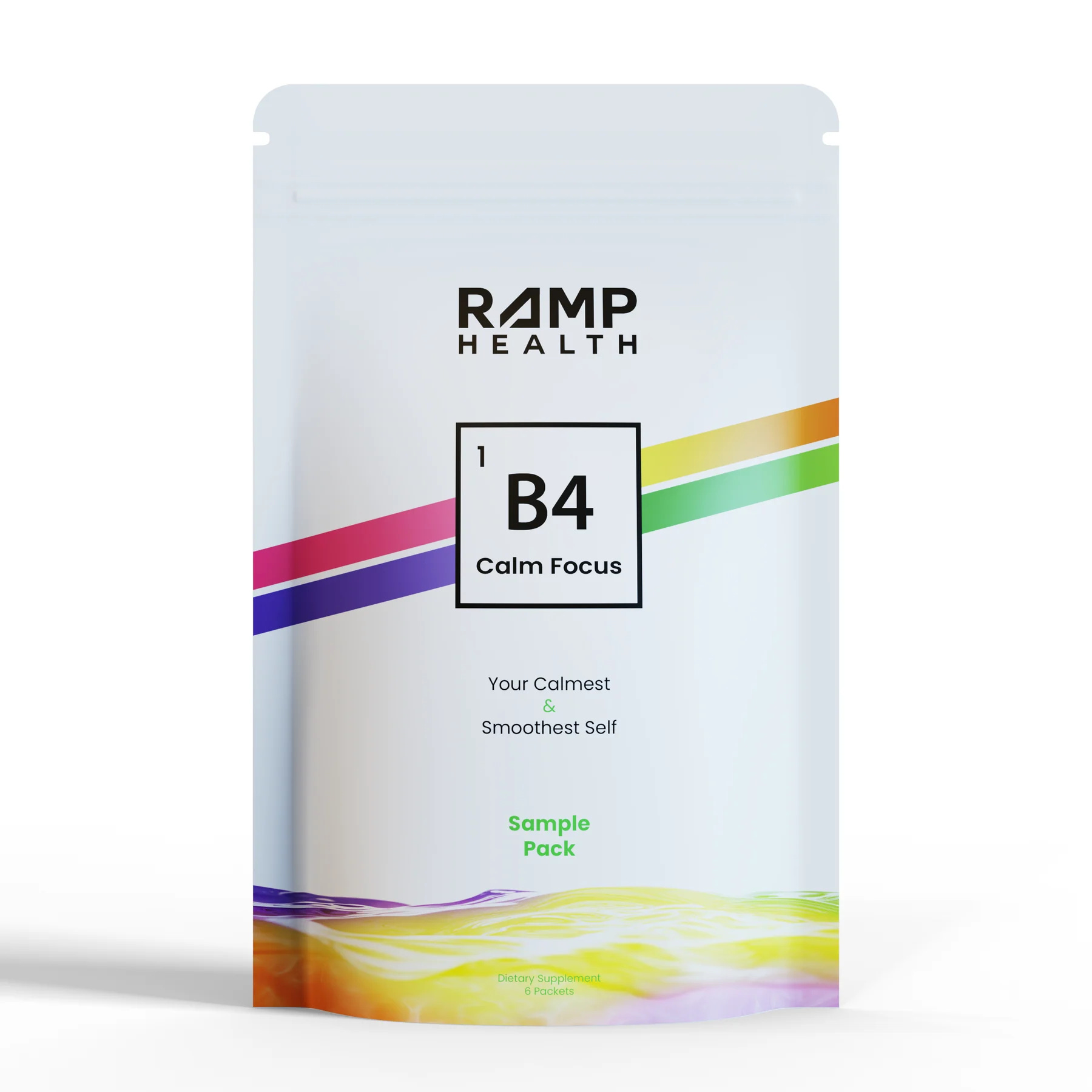
After a night out, I make sure to take extra care of my skin. I always double cleanse to remove impurities and then focus on deep hydration to help my skin recover.
The next day, I drink plenty of water and use electrolytes or creatine to help restore hydration and balance.
These small steps helped reduce the effects alcohol had on my skin over time.
Check out my Health & Skin Supplements That Actually Work for more details about Ramp Health’s B4.
9. Temperature Smart Cleansing
Using very hot water when cleansing can be harsh on your skin.
Hot water strips away natural oils and can damage the skin barrier. This often leads to dryness, irritation, and sensitivity.

I try to stick to lukewarm water when washing my face and body, especially during colder months when hot showers are tempting. This helps protect my skin and keeps it from feeling tight or dry.
I also keep my showers short, around five to ten minutes. Longer showers can pull even more moisture out of the skin.
To improve water quality, I use a Jolie filter in my shower. This helps reduce irritants like chlorine and heavy metals that can affect skin and hair.

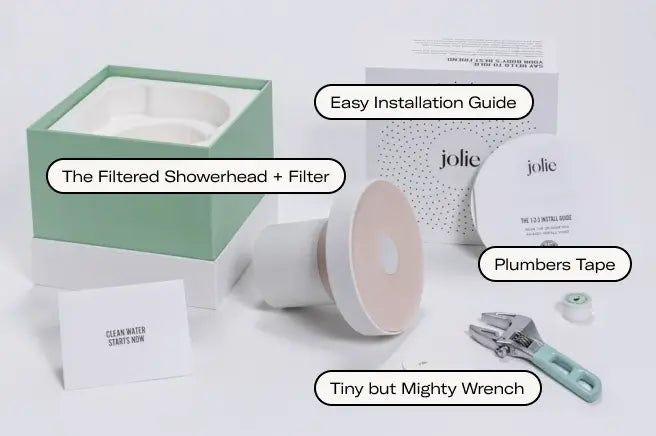
Making these small changes helped keep my skin more comfortable and less reactive over time.
For more insights into the benefits of a Jolie filter, make sure to check out my article “Is this sneaky ingredient ruining your skin and hair?”
10. Seasonal Adaptation
One thing I learned this year is that skincare works better when you pay attention.
Instead of forcing the same routine all year, I started noticing how my skin reacted in different places and conditions. Travel, weather, stress, and even indoor air made a difference.
When my skin felt dry, irritated, or congested, I adjusted instead of pushing through. Sometimes that meant simplifying my routine. Other times it meant adding more support.
I also started keeping mental notes of what worked best in different climates. This made it easier to make changes without guessing.
Letting my routine adapt instead of staying fixed helped my skin stay more stable and less reactive over time.
Final Thoughts
Looking back on 2025, the biggest skincare lesson for me was simple. What works is what you can stick with.
None of these habits changed my skin overnight. They worked because I stayed consistent, paid attention, and made small adjustments when my skin needed it. Over time, those small choices added up.
If you are heading into the new year, focus less on doing more and more on doing what actually supports your skin. Keep the habits that earned their place and let go of the ones that did not.
Your skin shows up for you every day. Supporting it is a long game, and it is worth it.
Here is to healthier skin and smarter routines in 2026. Happy New Year!
Cheers,