

Sensitive skin can make finding the right skincare products frustrating.
Something that works great for someone else might leave your skin feeling tight, itchy, or irritated, even when the product claims to be gentle.
And now that we’re in October and fall is here, the change in weather can make things even trickier.
Cooler temperatures, dry air, and indoor heating can make it harder for your skin to hold onto moisture, which may leave it more sensitive than usual.
But having sensitive skin doesn’t mean you need to avoid skincare altogether.
What matters is understanding which ingredients your skin can tolerate and choosing products that help keep your skin barrier healthy.
In this guide, I’ll walk you through what to look for in skincare products for sensitive skin, share some of my product recommendations, and show you how to put together a morning and nighttime routine that works for the cooler months.
Why Does Skin Feel More Sensitive in the Fall?
First, it’s important to understand the difference between dry skin and sensitive skin because you can have both.
If you have dry skin, your skin may not produce enough natural oil or retain enough moisture, leaving it feeling tight, rough, or flaky.
But if you have sensitive skin, you’re more likely to experience stinging, burning, itching, or redness when using certain products.
Your skin barrier also plays a role here.
When it’s not working as well as it should, your skin can lose moisture more easily and become more vulnerable to irritation.
And during fall, lower humidity and indoor heating can make things worse.

You might notice that your usual moisturizer isn’t enough anymore, or that a serum you’ve been using for months suddenly starts to sting.
If that sounds familiar, your skin may need more moisture and a break from products that could be irritating it.
However, if you’re dealing with persistent redness, burning, or irritation, don’t assume it’s just sensitive skin.
Conditions like eczema, rosacea, and contact dermatitis can cause similar symptoms, so it’s worth checking with a dermatologist if things aren’t improving.
What Ingredients Should You Look for in Sensitive Skin Products?
When you’re shopping for skincare products for sensitive skin, I’d pay more attention to the ingredient list than the claims on the front of the bottle.
Just because something says “gentle” or “for sensitive skin” doesn’t mean your skin will tolerate it.
Here are some ingredients worth looking for:
Glycerin, hyaluronic acid, and panthenol: These are humectants, which help attract and hold water in your skin. They’re useful if your skin feels tight or dehydrated.
Ceramides: These are fats found in your skin barrier that help keep moisture in and protect against irritants. They’re worth looking for if your skin feels dry or uncomfortable.
Squalane and shea butter: These are emollients that help soften rough, flaky skin. Shea butter can be a good option if your skin needs a richer moisturizer.
Petrolatum and dimethicone: These help reduce moisture loss by forming a protective layer on your skin. They can be useful when your skin feels dry during the colder months.
Colloidal oatmeal: This is one of my favorite ingredients to look for when dealing with dry, irritated skin because it can help soothe itching and discomfort.
You don’t need all of these ingredients in one product.
I’d focus on what your skin needs and how it responds to the formula.
I’d also pay attention to fragrance.
“Unscented” and “fragrance-free” aren’t the same thing, and products labeled “natural” aren’t always better for sensitive skin.
Essential oils, fragrance, and certain plant extracts can trigger irritation in some people, so if you’ve reacted to an ingredient before, check for it before trying something new.
And remember, even a product made for sensitive skin can cause a reaction.
Your own experience with an ingredient matters more than what the packaging promises.
The Best Products for Sensitive Skin
Now that you know which ingredients to look for, let’s get into some products worth considering.
I’ve included options for cleansing, moisturizing, and sun protection, since these are the basics I’d focus on when your skin is feeling more sensitive than usual.
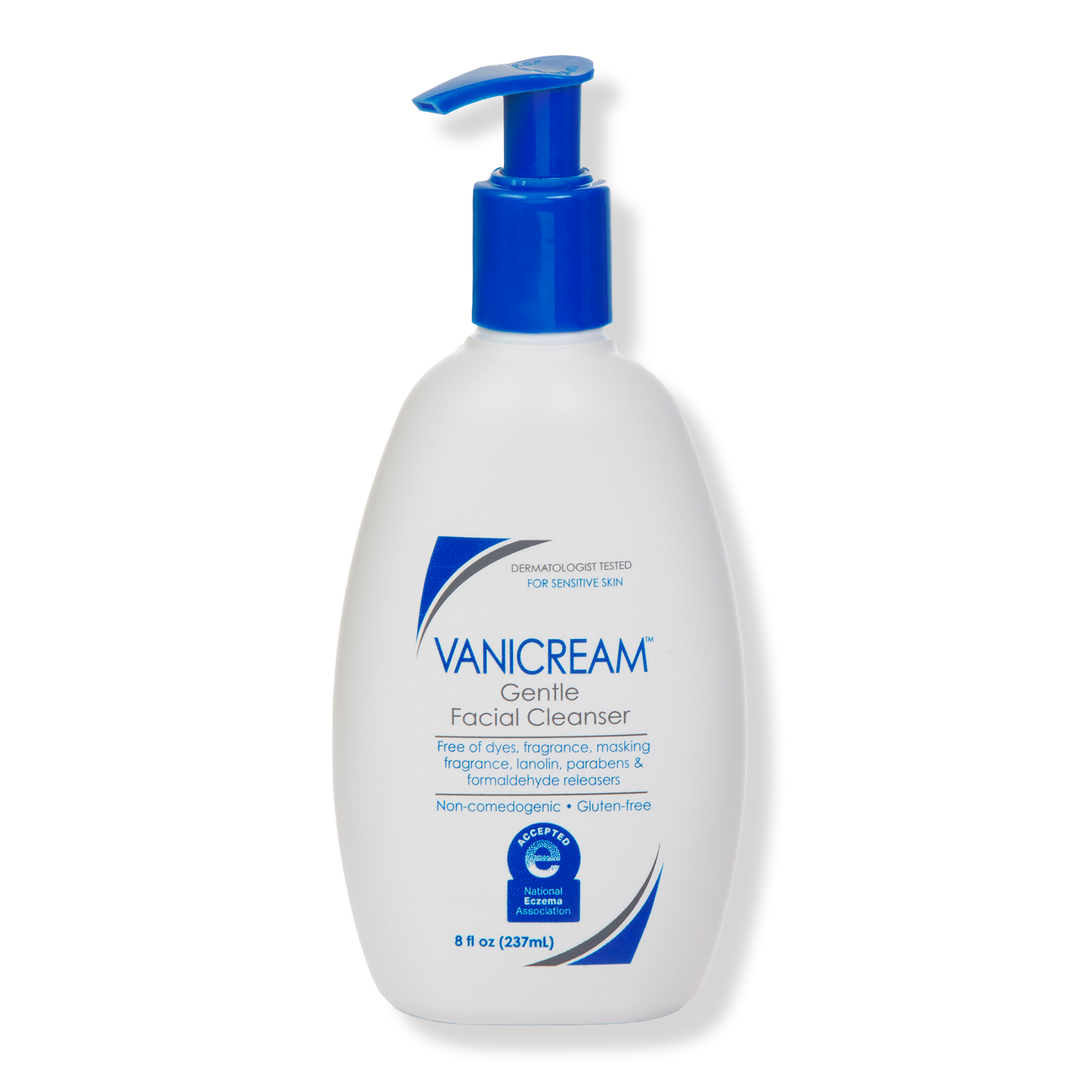
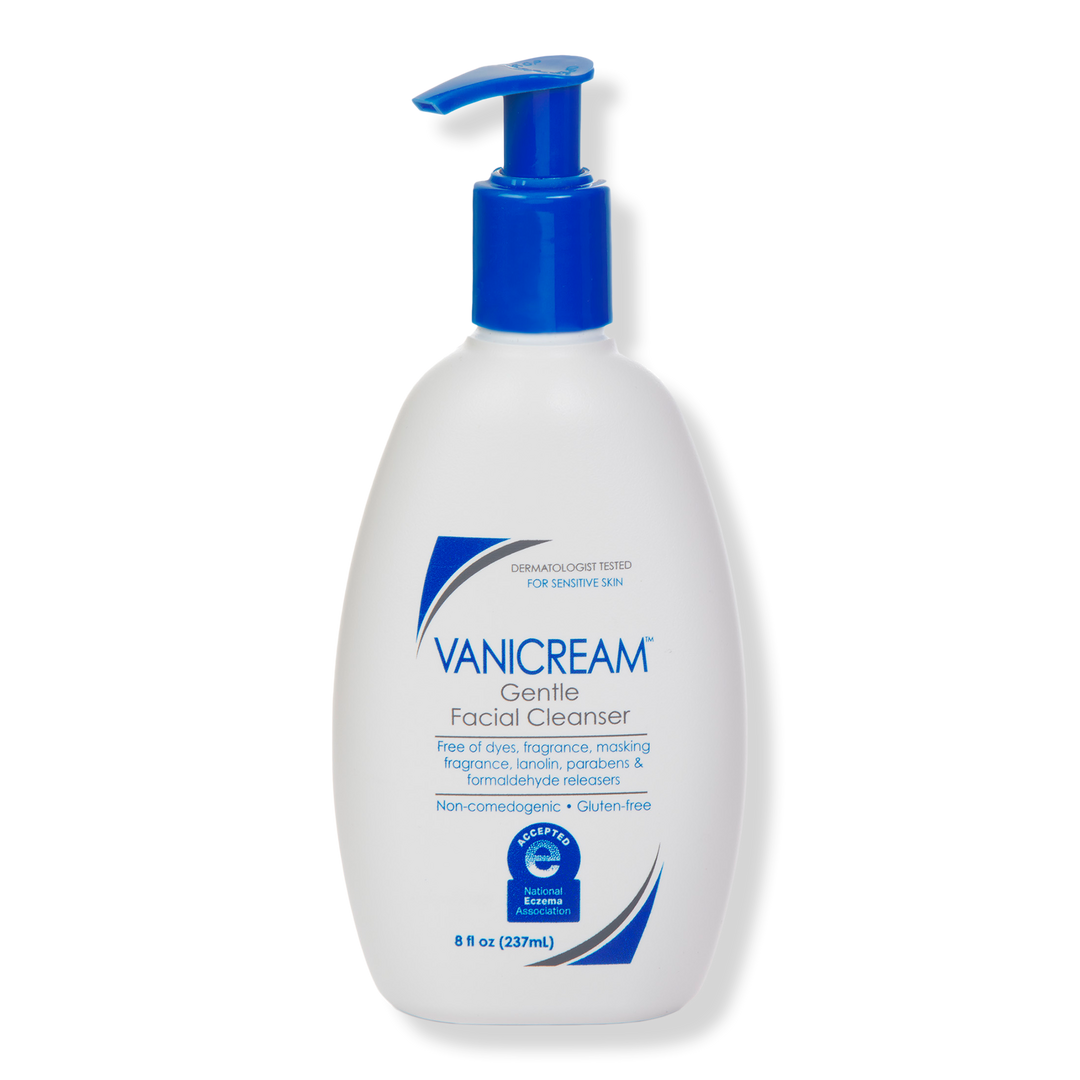
Vanicream Gentle Facial Cleanser is a soap-free cleanser made with glycerin that removes dirt, oil, and everyday makeup without leaving your skin feeling tight. It’s a good option if your skin gets irritated by harsh cleansers. You can use it at night to wash off sunscreen and makeup, while a simple water rinse may be enough in the morning.
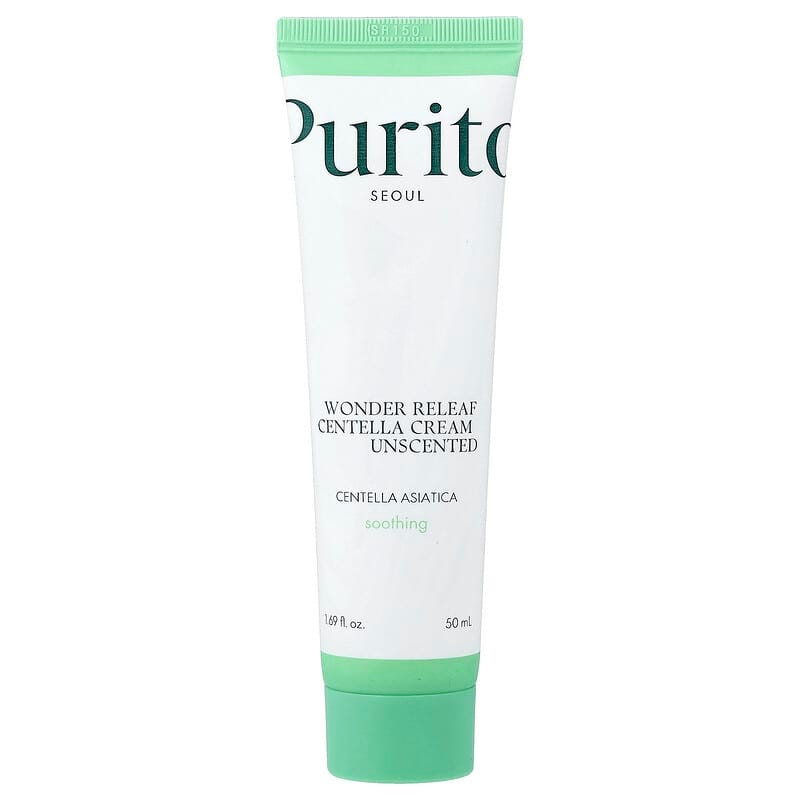
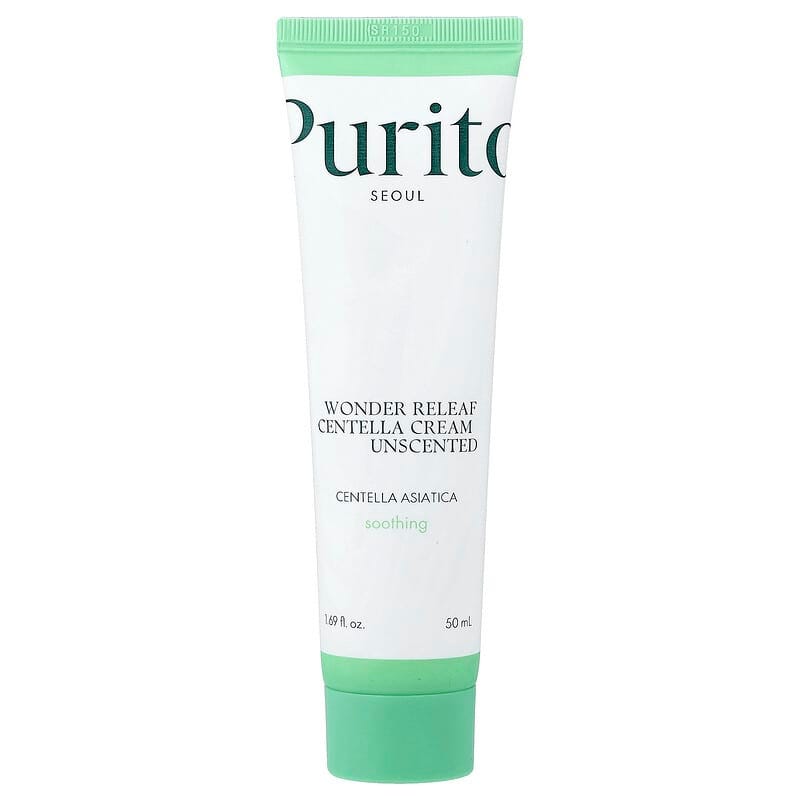
Purito Wonder Releaf Centella Cream Unscented contains centella asiatica, ceramides, squalane, and glycerin to help hydrate your skin and support its moisture barrier. It’s a good choice if your skin feels dry or uncomfortable, although I’d be careful if you’ve had reactions to niacinamide or certain plant extracts before.
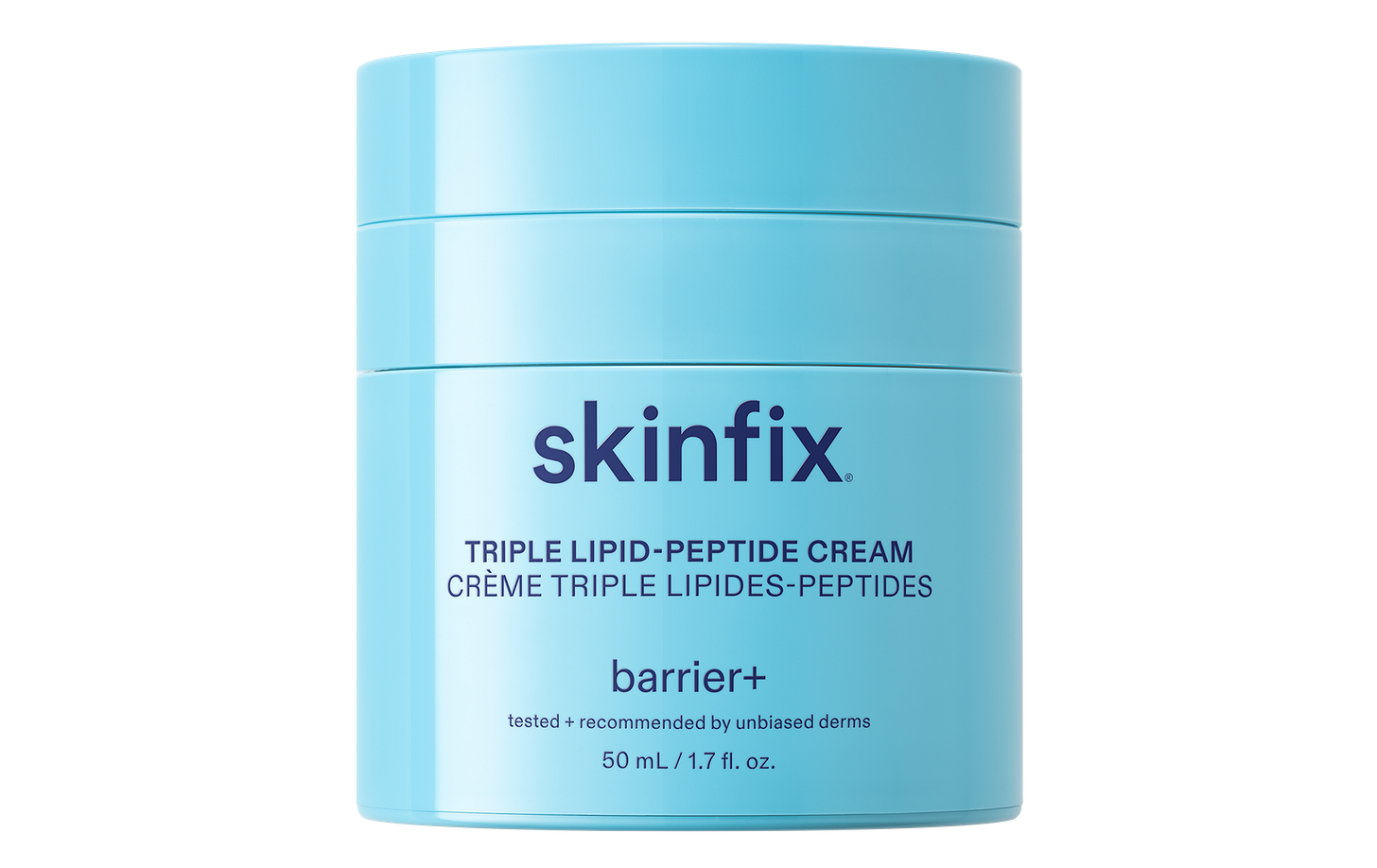
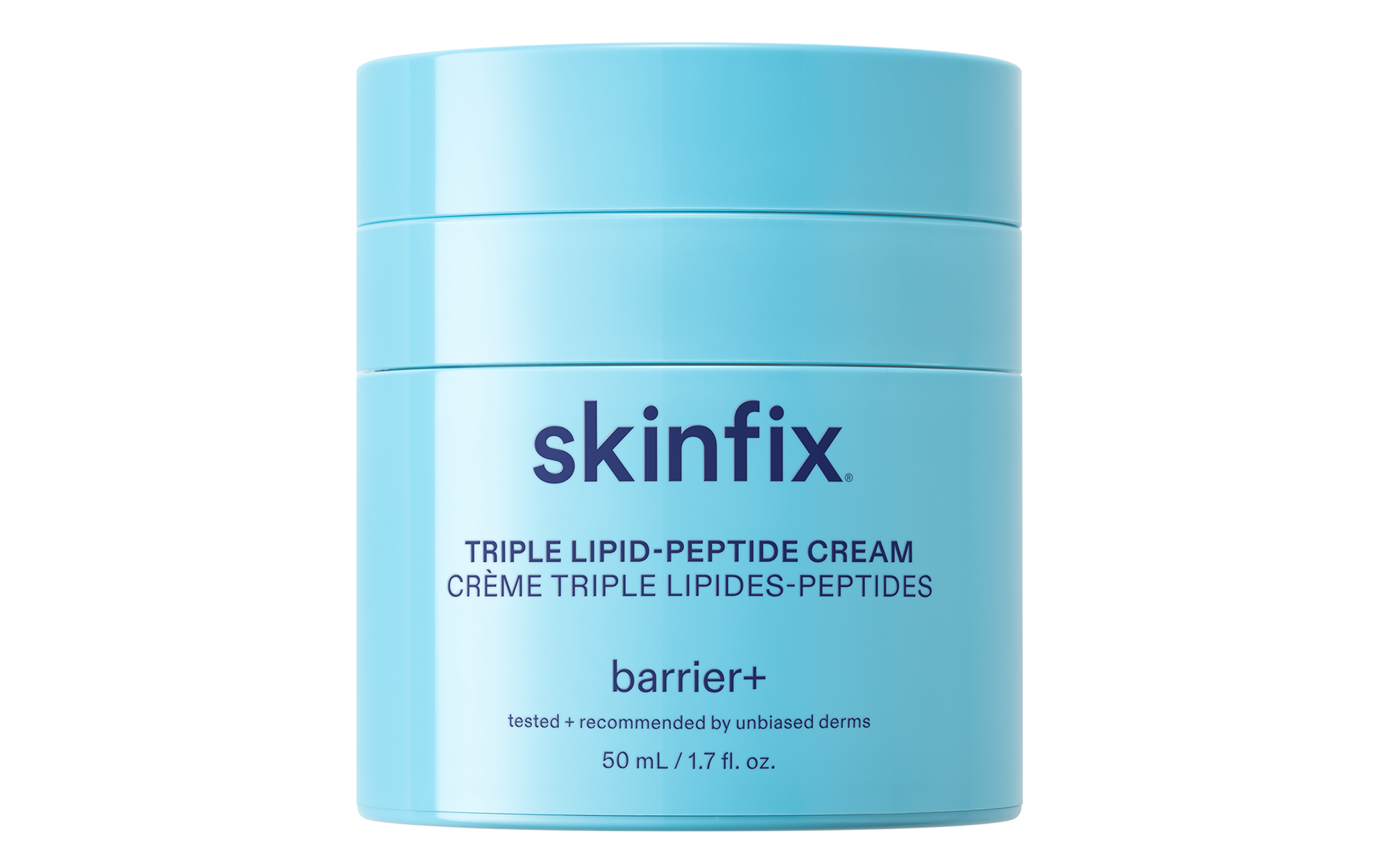
Skinfix Barrier+ Triple Lipid-Peptide Cream is a richer moisturizer with lipids, peptides, and hydrating ingredients that help replenish moisture and support your skin barrier. If your usual moisturizer isn’t keeping up with the colder weather, this could be a good option for giving dry skin some extra moisture.
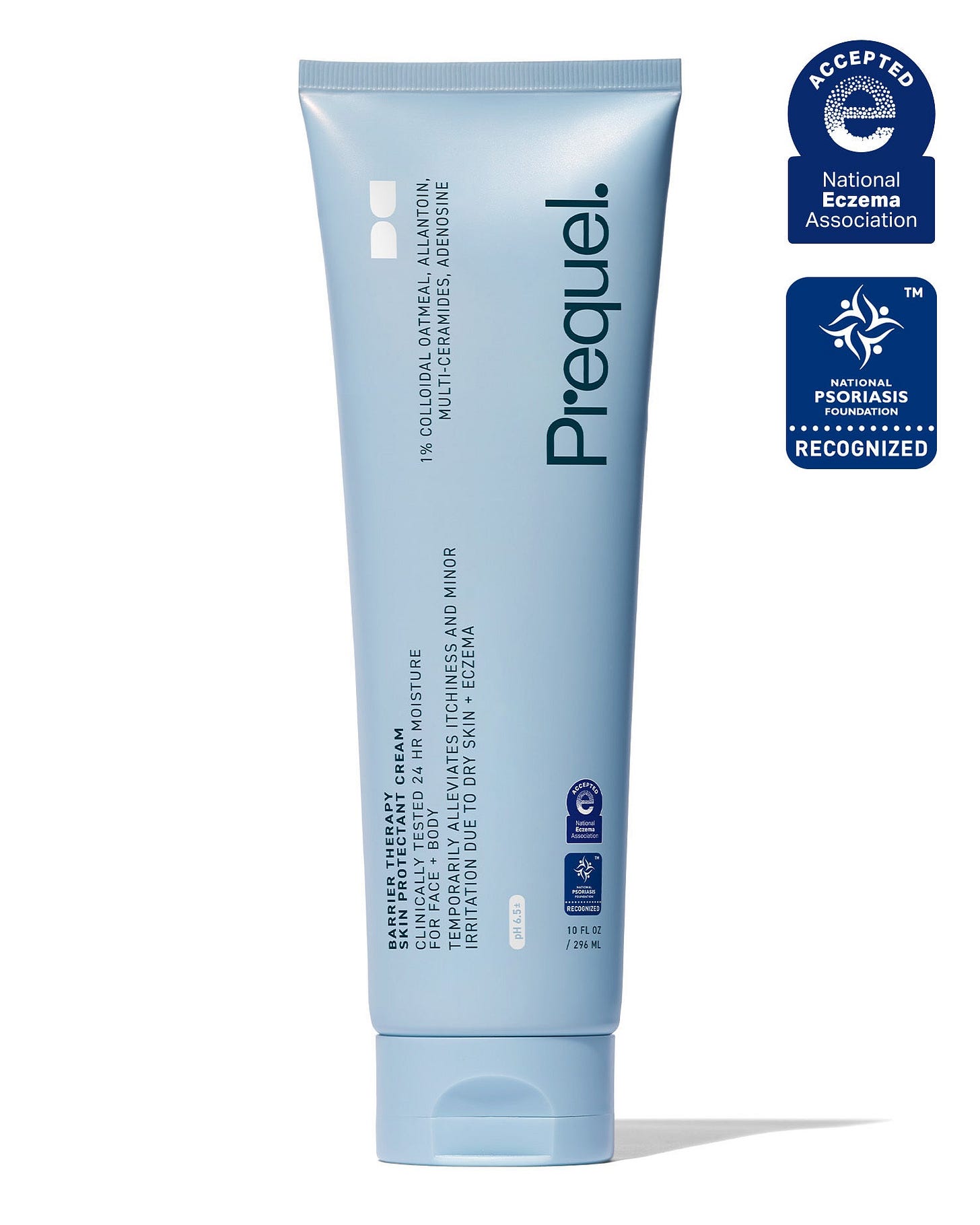
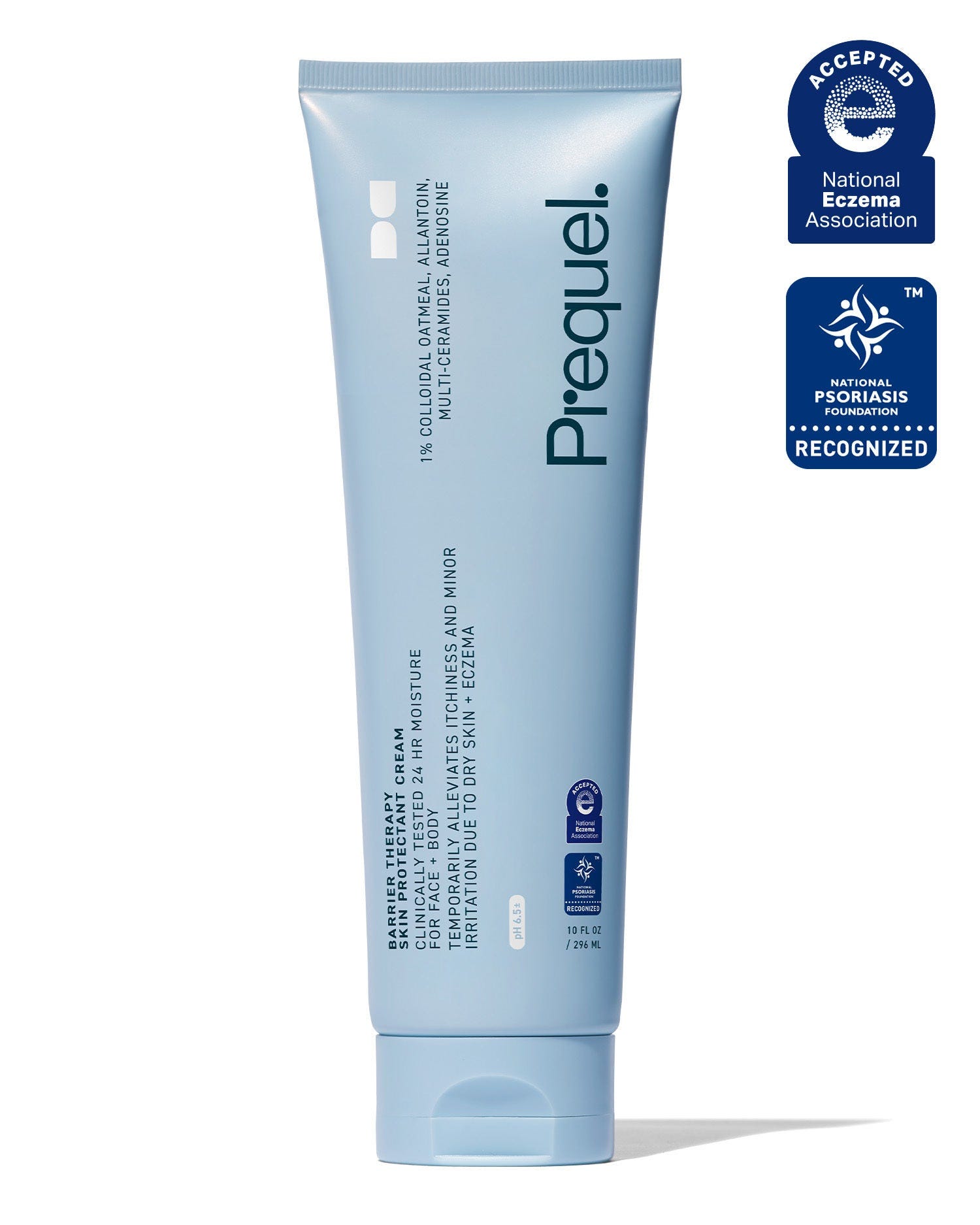
Prequel Barrier Therapy Skin Protectant Cream contains 1% colloidal oatmeal, ceramides, and allantoin to help relieve irritation associated with dry skin. This is a good option for dry, itchy patches, especially when your skin feels uncomfortable and needs a richer moisturizer.
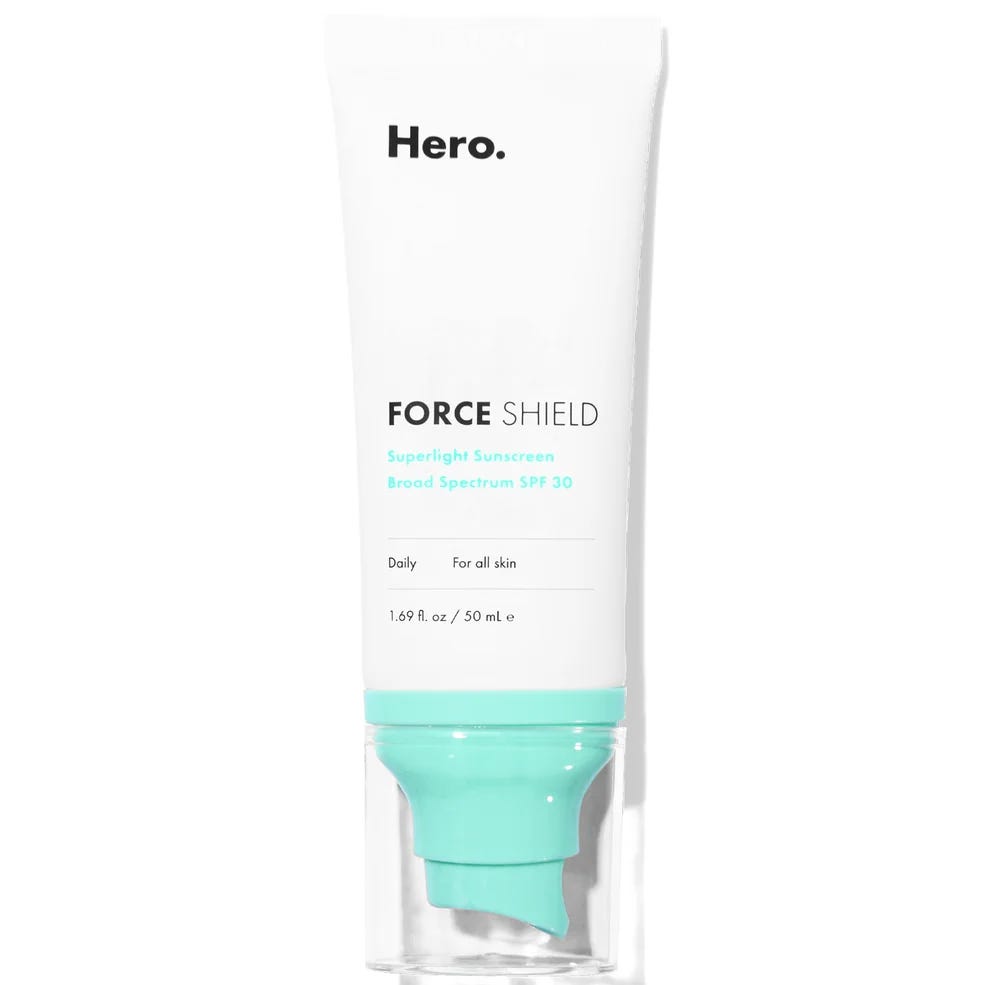
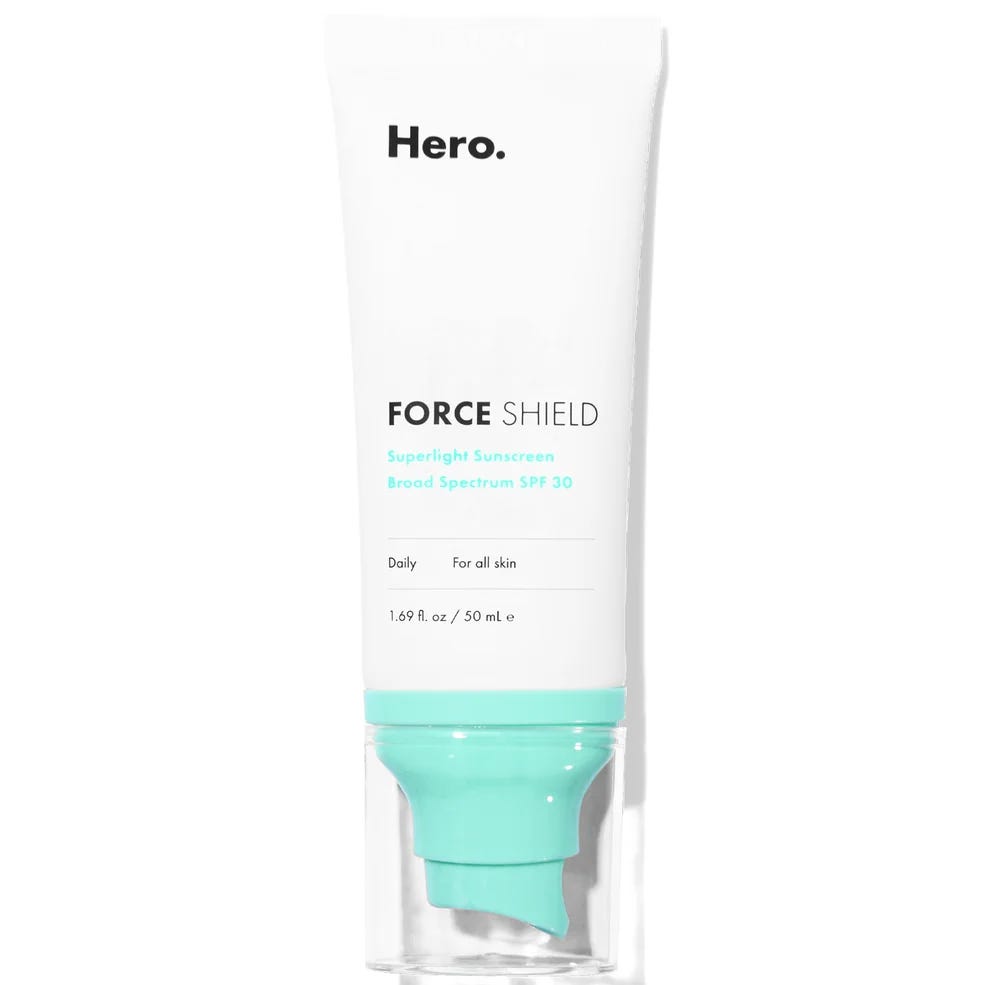
Hero Force Shield Superlight Sunscreen SPF 30 is a mineral sunscreen made with zinc oxide and has a lightweight gel-cream texture. It’s worth trying if you prefer sunscreens that don’t feel too heavy on your face. Just keep in mind that it may leave a white cast depending on your skin tone.
Optional Skincare Products for Sensitive Skin
Once you have a cleanser, moisturizer, and sunscreen that work for your skin, you can think about adding other products based on what you want to address.
But if your skin is already irritated, I’d focus on getting it comfortable again before introducing anything new.
Here are a few options worth considering:
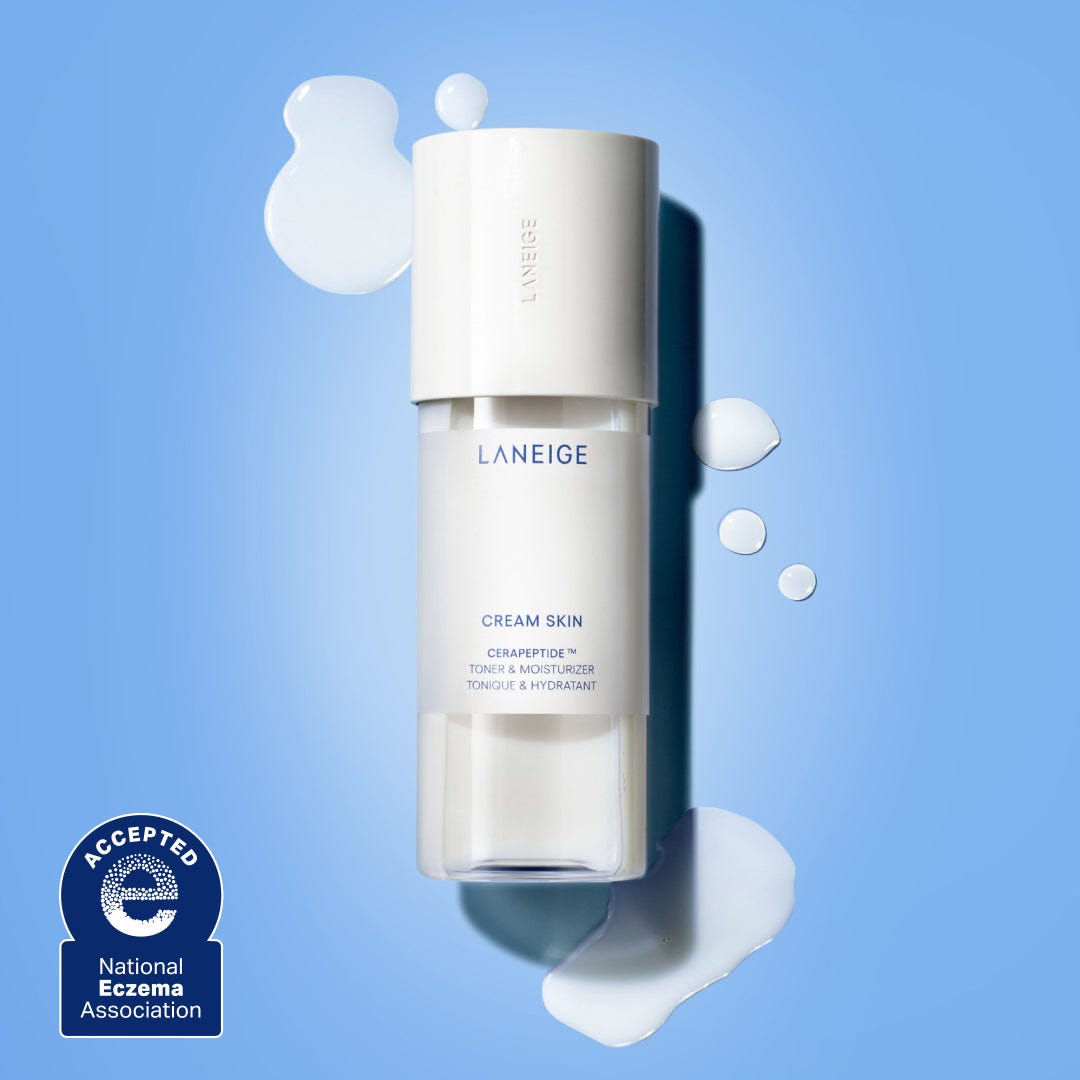
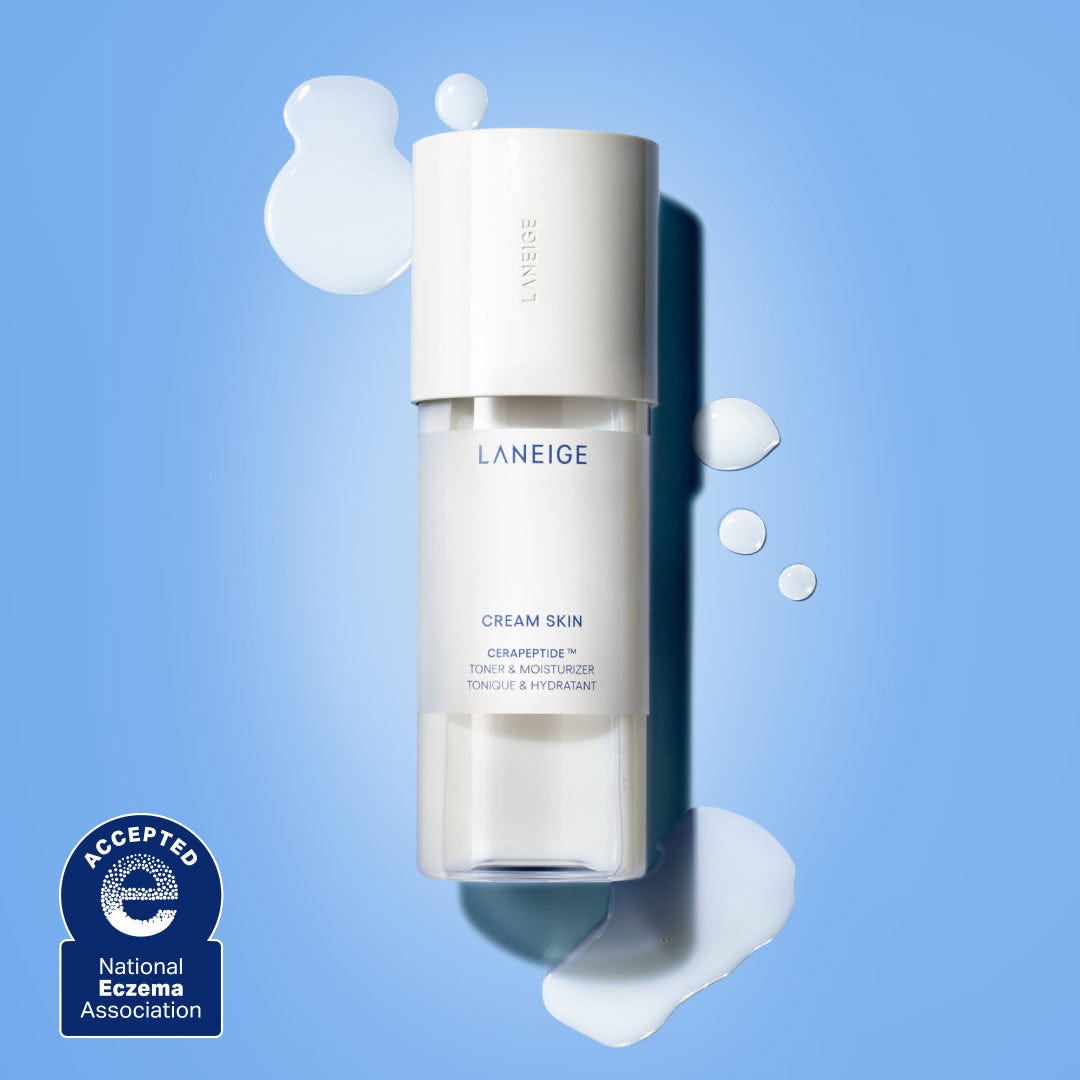
Laneige Cream Skin Milky Toner is a lightweight, hydrating toner with glycerin, squalane, hyaluronic acid, and ceramides. I’d consider it if your skin needs extra moisture, but if your moisturizer is already doing enough, you can skip this step.
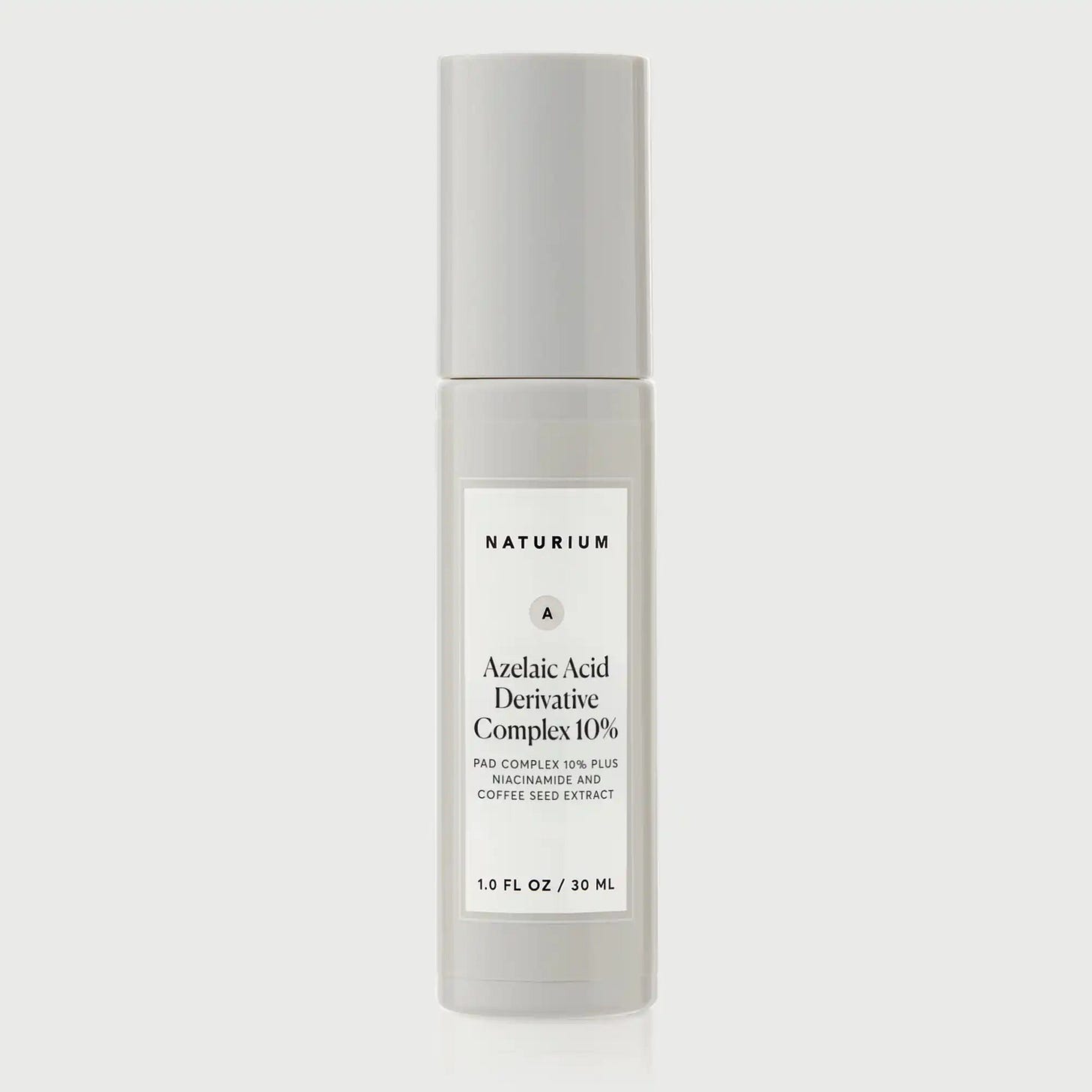
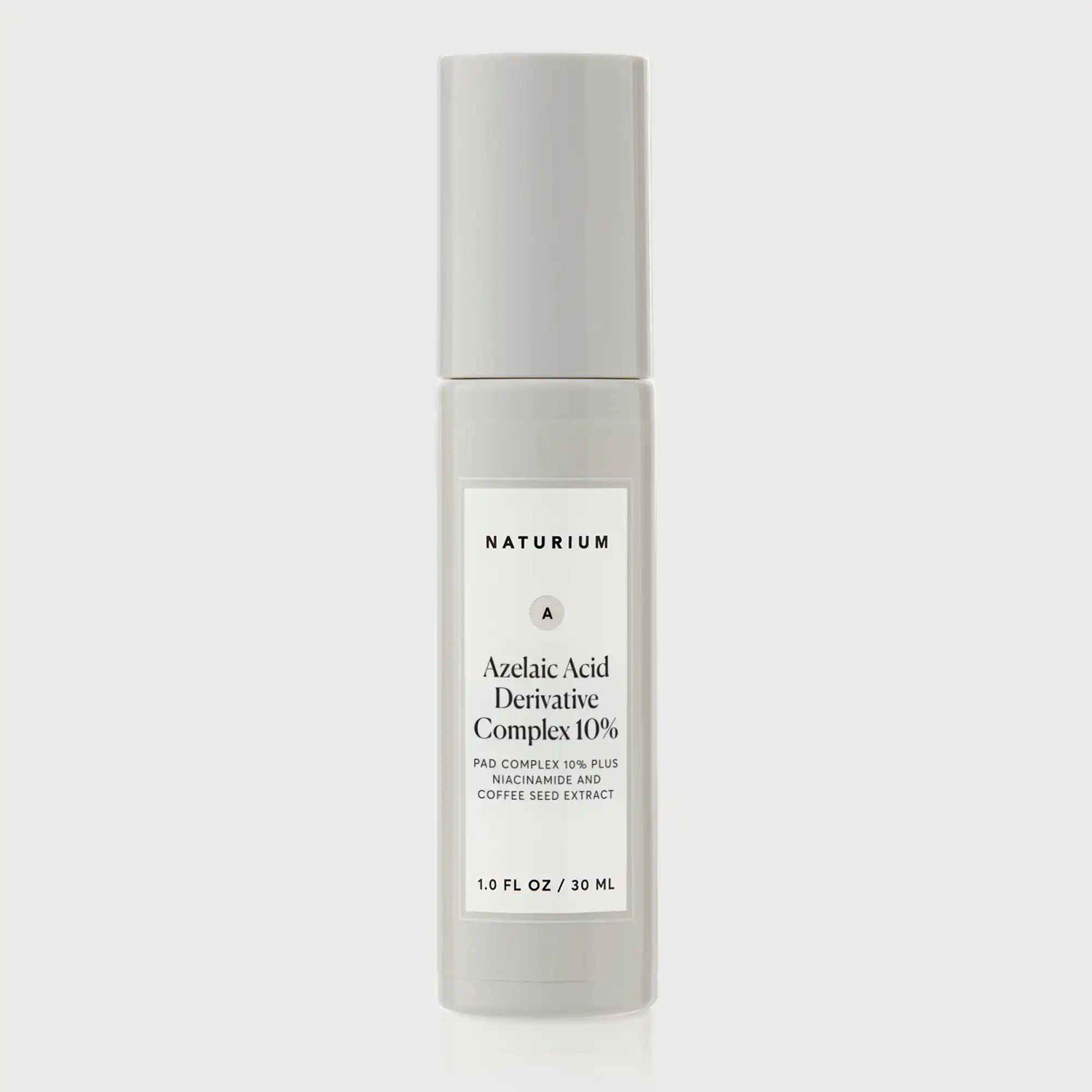
Naturium Azelaic Acid Derivative Complex 10% is a serum worth considering for visible redness and uneven skin tone. It contains an azelaic acid derivative, niacinamide, and ethyl ascorbic acid. Keep in mind that the 10% doesn’t mean it contains 10% pure azelaic acid. I’d wait until your skin feels comfortable before introducing it.
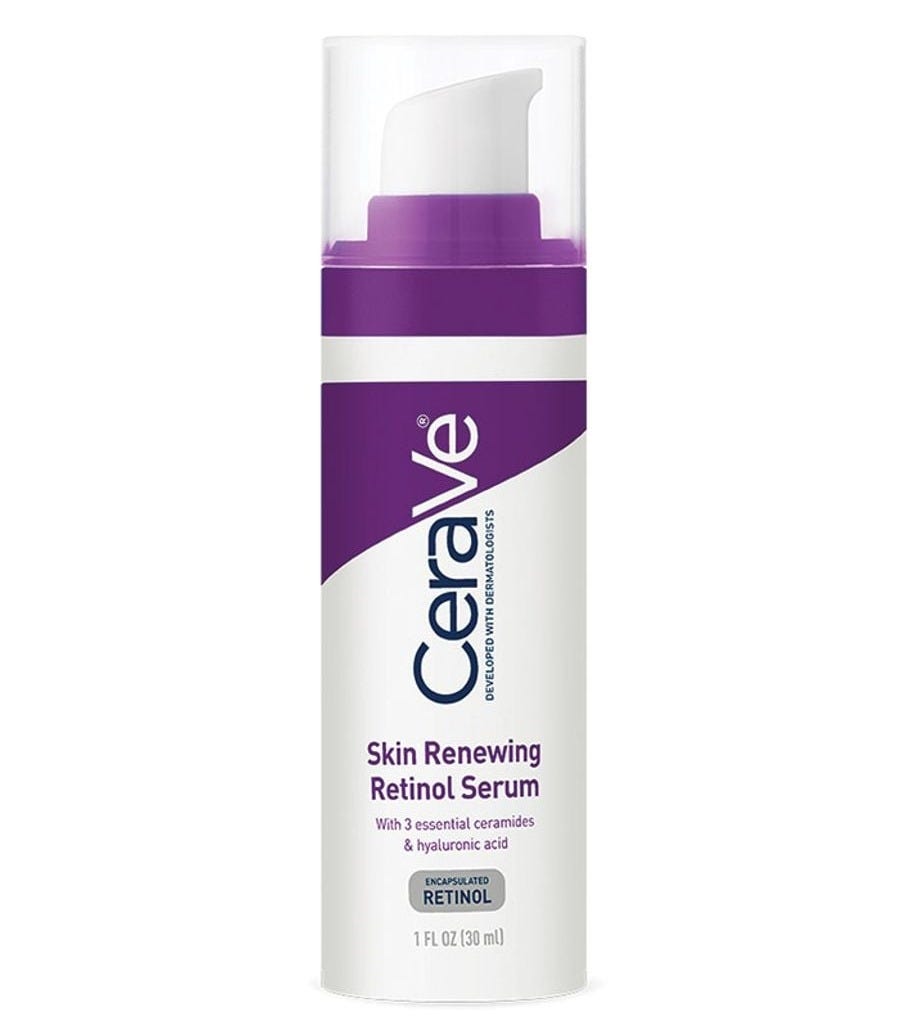
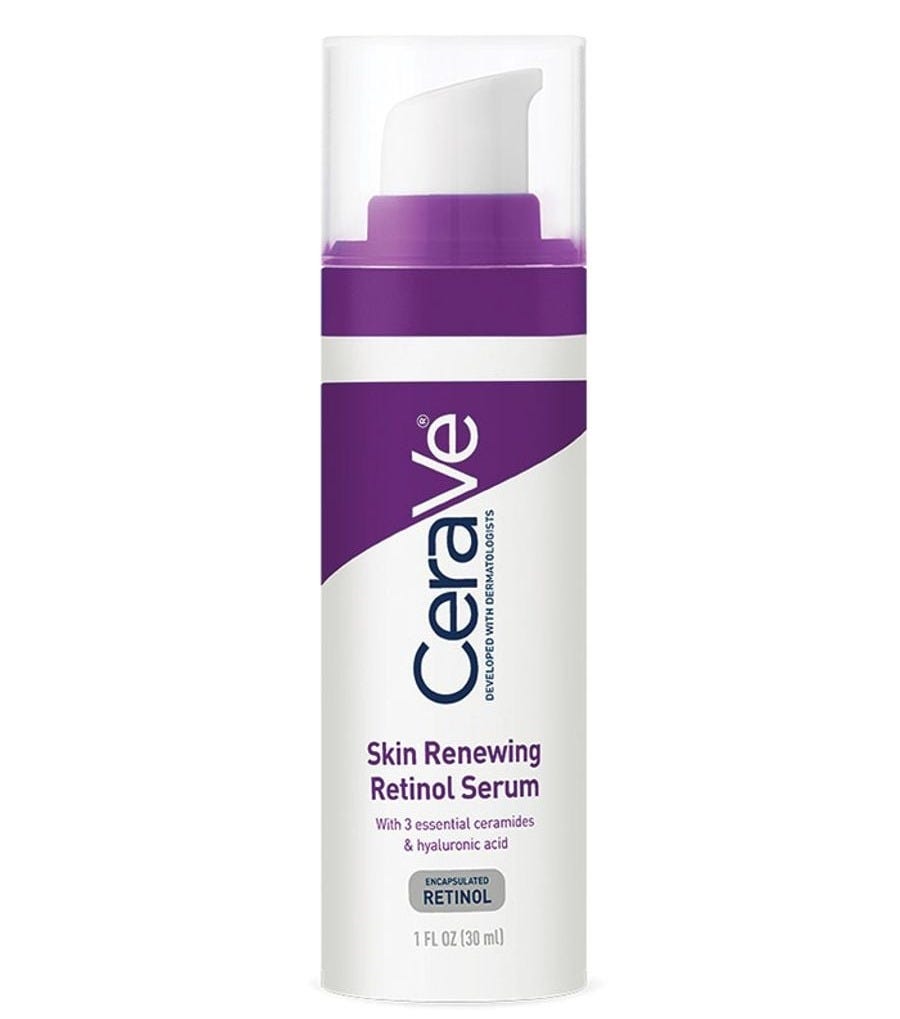
CeraVe Skin Renewing Retinol Serum contains encapsulated retinol to help address fine lines and uneven skin tone, along with hyaluronic acid and ceramides to support hydration and the skin barrier. Even though it’s fragrance-free, retinol can still cause dryness and irritation, so I’d start with a couple of nights a week once your skin feels settled. Avoid retinoids during pregnancy.
Eye creams are optional if your regular moisturizer works well around your eyes. However, if you’re dealing with dryness, puffiness, or dark circles, a separate product may be worth considering. I covered this in more detail in my recent guide, Do You Really Need an Eye Cream? A Complete Guide.
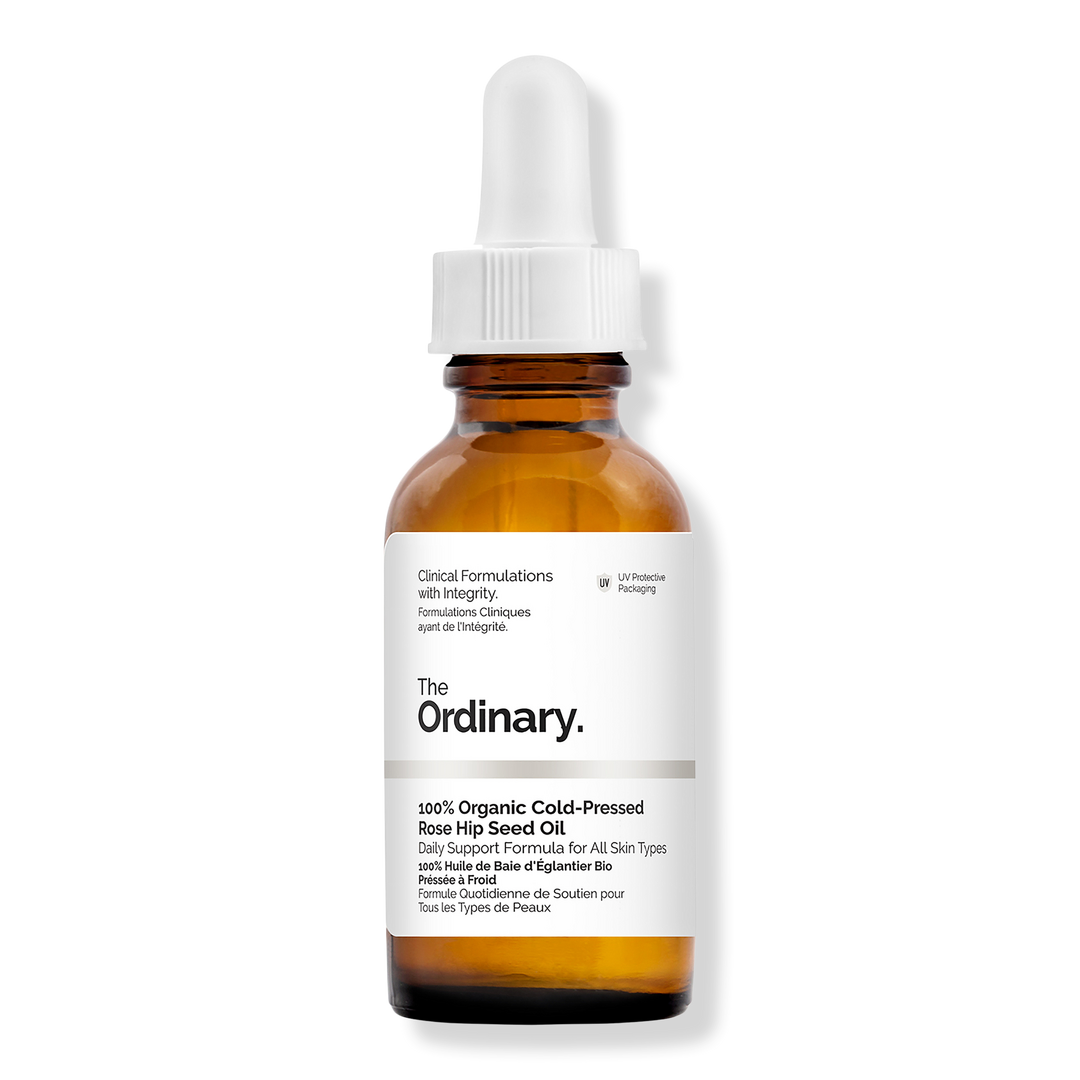
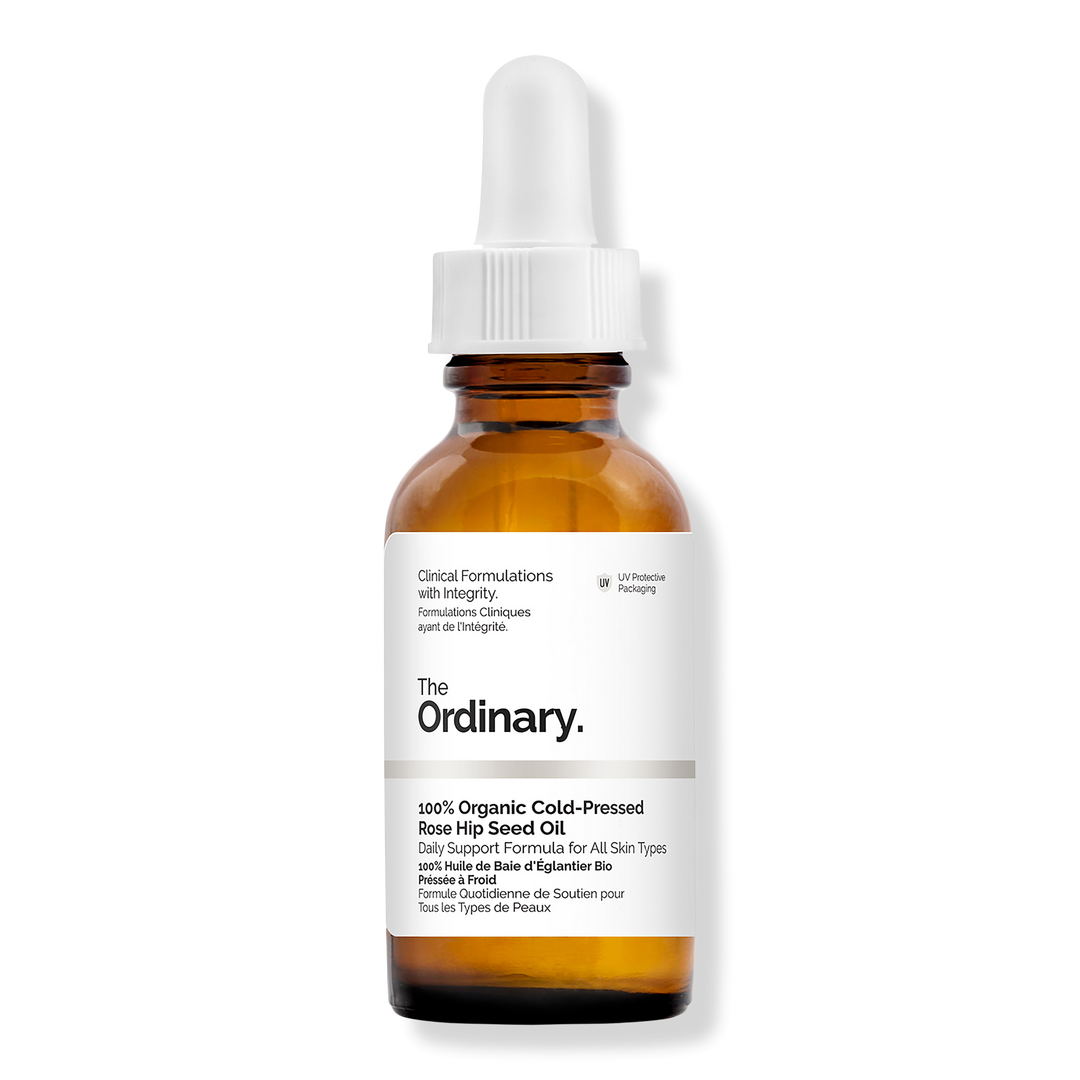
Face oils, such as The Ordinary 100% Organic Cold-Pressed Rose Hip Seed Oil, can help soften dry skin during the colder months. You can apply a few drops after your nighttime moisturizer, but keep in mind that plant oils can still cause irritation. If your moisturizer already works well, there's no need to add one.
How I’d Put It All Together
If you’re not sure where to start, I’d keep your routine simple and focus on products that help your skin stay hydrated and comfortable.
You can always add a toner or treatment later, but there’s no reason to use everything I’ve mentioned in this guide.
Morning Routine
Rinse your face with water, or use a gentle cleanser if you prefer washing your face in the morning.
If your skin needs extra hydration, apply a hydrating toner before moisturizing.
Apply a moisturizer that keeps your skin comfortable, choosing a richer formula if you’re dealing with dryness.
Finish with a broad-spectrum sunscreen with SPF 30 or higher. Reapply every two hours when outdoors and after swimming or sweating.
Nighttime Routine
Wash your face with a gentle cleanser to remove sunscreen, makeup, and buildup from the day. Use a separate makeup remover if needed.
If you’re using a treatment like retinol, apply it according to the product directions. Skip this step if your skin feels irritated.
Follow with a moisturizer to help keep your skin hydrated overnight. If you're dealing with dry, itchy patches, choose a richer cream to help relieve discomfort.
If redness or uneven skin tone is a concern, you can also use Naturium Azelaic Acid Derivative Complex 10% as directed.
I’d introduce one treatment at a time so you can see how your skin responds.
And don’t forget about the rest of your skin.
During the colder months, I recommend keeping showers warm rather than hot and applying body moisturizer while your skin is still a little damp.
How to Introduce New Skincare Products to Your Routine
If you have sensitive skin, I’d recommend introducing one new product at a time so you can tell what’s causing irritation if your skin reacts.
Before applying anything new to your face, test it on a small area of skin, like your inner arm, twice a day for 7 to 10 days.
This is what the American Academy of Dermatology recommends.
If you notice redness, itching, or swelling, stop using the product.
And remember, even if a product passes the test, it can still irritate your face.
Pay attention to how your skin responds, and don’t force yourself to keep using something that causes discomfort.
Final Thoughts
If you have sensitive skin, finding products that work for you can take some trial and error, especially when the weather starts getting colder.
I’d start with a gentle cleanser, a moisturizer that keeps your skin comfortable, and sunscreen you enjoy wearing every day.
Once you’ve found products your skin tolerates, you can experiment with other ingredients depending on what you want to address.
And if something starts causing irritation, don’t feel like you have to keep using it just because it works for someone else.
Your skin’s response matters more than any product recommendation, including mine.
Cheers,