

If you’ve spent any time looking into eye creams, you’ve probably heard two very different opinions: everyone needs one, or they’re just overpriced moisturizers in smaller jars.
The truth is somewhere in the middle.
The skin around your eyes is different from the skin on other parts of your face, but that doesn’t mean you need a separate product for it.
For some people, a regular moisturizer works just fine.
For others, an eye cream can be useful for targeting things like dryness, puffiness, dark circles, or fine lines.
What matters more is what’s in the formula and what you’re trying to address.
In this guide, I’ll break down what makes the eye area different, how eye creams compare to regular moisturizers, which ingredients are worth looking for, and how to decide whether you need one in your routine.
Is the Skin Around Your Eyes Different?
First, let’s talk about why the eye area can be so high maintenance.
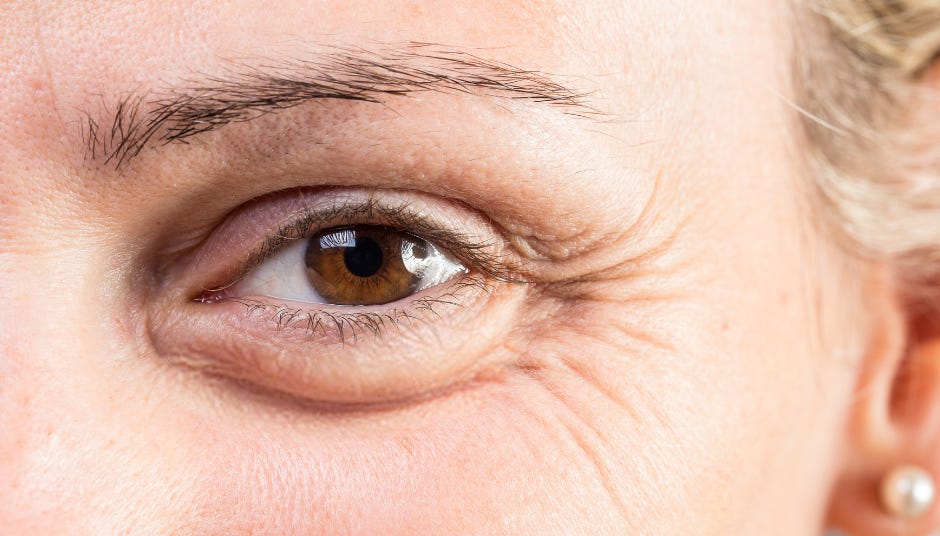
The skin around your eyes is thinner than the skin on many other areas of your face.
It also has fewer oil glands, which means less natural moisture.
This can make the area more prone to dryness and make changes in the skin easier to see.
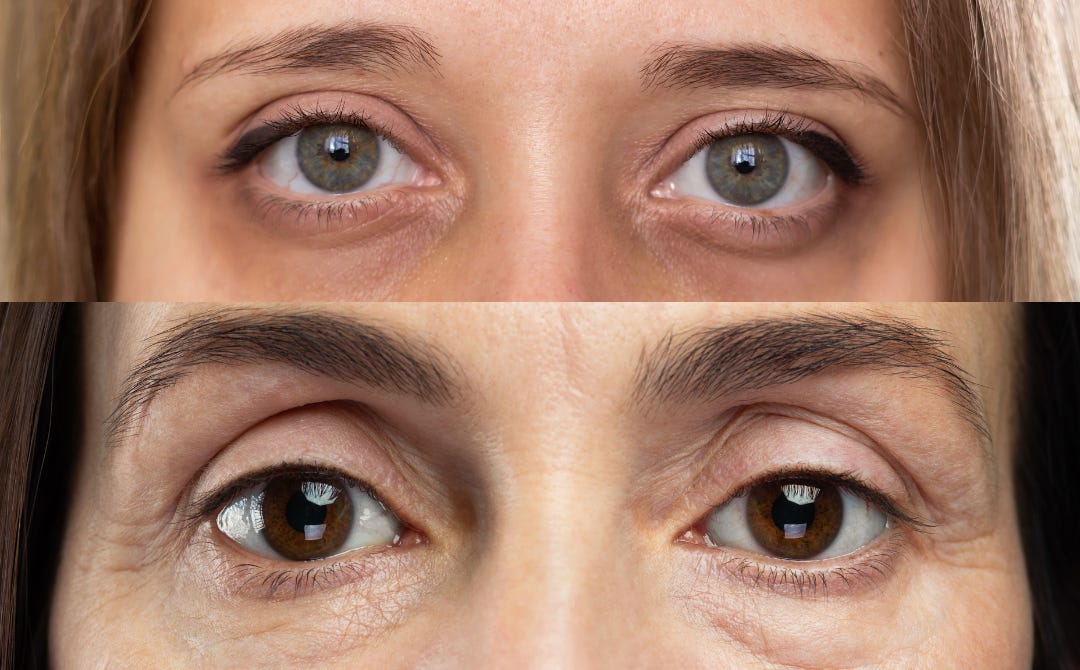
Some of the most common concerns around the eyes include:
Dark circles: Thin skin can make the blood vessels underneath more visible. Pigmentation, genetics, and the shape of your under-eye area can also play a role.
Puffiness: Fluid can build up under the eyes and make the area look swollen, especially after you wake up.
Fine lines: The skin here is thin and moves every time you blink, smile, or squint, so lines can become more noticeable over time.
Dryness and sensitivity: With fewer oil glands, the eye area may have a harder time holding onto moisture and can be more sensitive to some skincare products.
So yes, the skin around your eyes has some differences from the rest of your face.
But that doesn’t mean everyone needs a special product for it.
Do You Need an Eye Cream?
Even though the skin around your eyes is different, that doesn’t mean you need an eye cream.
For some people, a regular face moisturizer works just fine around the eyes.
If yours keeps the area moisturized, feels comfortable, and doesn’t cause irritation, you may not need another product.
Where an eye cream can help is when you have something specific you want to address, such as puffiness, dark circles, fine lines, or dryness.
Eye creams can be made with these concerns in mind, so they give you a way to add targeted ingredients without changing the products you use on the rest of your face.
But I don’t consider eye cream a must-have step.
If you’re happy with your eye area and your regular moisturizer is doing the job, you can keep things simple.
If you want more targeted help, that’s when an eye cream may be worth adding.
Eye Creams vs. Regular Moisturizers
So what makes an eye cream different from the moisturizer you use on the rest of your face?
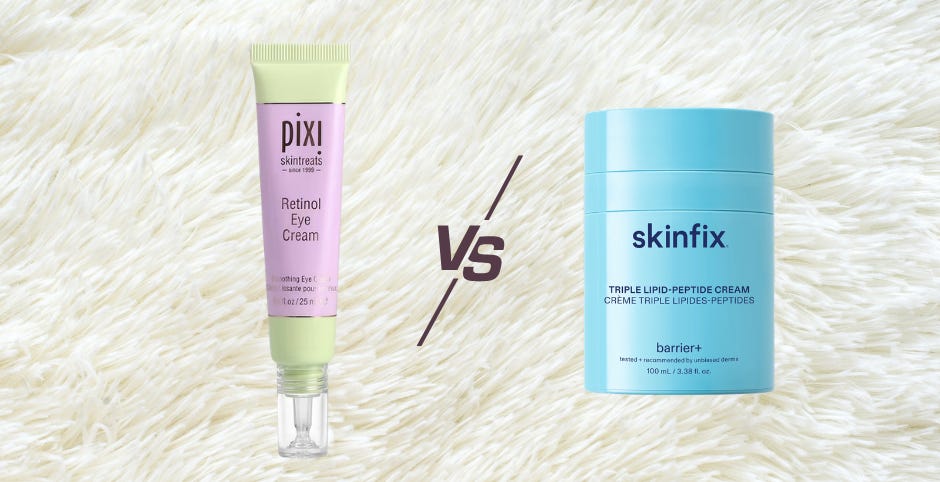
There can be a lot of overlap between the two.
Both can hydrate your skin, support your skin barrier, and contain ingredients that help with signs of aging.
The main difference is that eye creams are made with the eye area in mind.
Some come in lightweight gel textures, while others are richer creams for dry under-eyes.
You’ll also find eye creams made to sit well under makeup or target concerns like puffiness and fine lines.
Some eye products are also ophthalmologist-tested, although what that testing involves can vary by product.
But this isn’t true of every eye cream, so it’s worth checking the product if that matters to you.
And what about milia (those tiny white bumps) that can show up around your eyes?
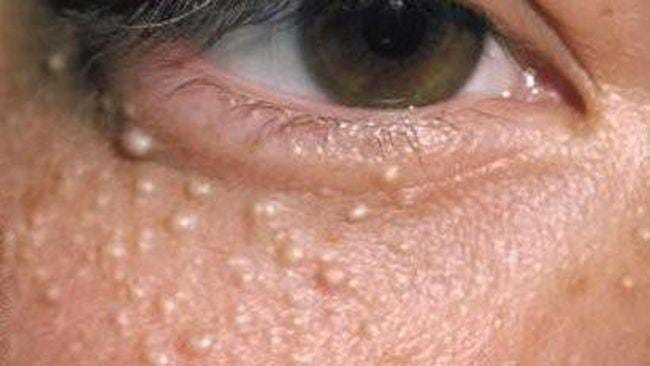
Milia form when keratin gets trapped under the skin.
Using a rich face cream doesn’t mean you’ll get them, but if heavier products don’t work well around your eye area or you tend to get milia, you may prefer a lighter formula.
None of this means your regular moisturizer is bad for your eye area.
If you’ve been using it around your eyes without irritation and it gives you enough moisture, you can keep using it.
But if you want a product made with a certain eye-area concern in mind, that’s where an eye cream can make sense.
Key Ingredients to Look For
Not all eye creams are made the same.
Here are some of the ingredients worth looking for, depending on what you want to target:
1. Peptides
Peptides are common in eye creams made for fine lines and other signs of aging.
There are many types of peptides, and they don’t all do the same thing.
Instead of looking for one peptide by name, I’d pay attention to the formula as a whole and what the product is made to target.
2. Retinol
If fine lines are your main concern, retinol is another ingredient worth looking for.
Retinol can support collagen production and improve the appearance of fine lines over time.
The eye area can be sensitive, though, so I’d start with a few nights a week and see how your skin responds.
3. Caffeine
Caffeine shows up in a lot of eye creams made for puffy or tired-looking eyes.
It may help reduce the appearance of puffiness, but I wouldn’t expect it to erase under-eye bags or dark circles.
Those can have several causes that a topical product can’t always address.
4. Blurring & Brightening Ingredients
Some ingredients are there to make your under-eyes look smoother or brighter as soon as you apply the product.
Look for ingredients like:
Silica for a soft-focus effect
Mica to reflect light and brighten
Niacinamide to help with uneven skin tone
Dimethicone to give the skin a smoother feel and appearance
Silica, mica, and dimethicone mostly change how the area looks or feels while the product is on your skin.
Niacinamide is different because it can also help with uneven tone over time.
5. Hydrating & Barrier-Supporting Ingredients
Since the eye area has fewer oil glands, dryness can be a common problem.
Some ingredients I look for are:
Hyaluronic acid
Glycerin
Ceramides
Squalane
Glycerin and hyaluronic acid help hydrate the skin, while ceramides and squalane help support your skin barrier and keep moisture in.
You don’t need every ingredient on this list in one eye cream.
What matters is choosing a formula that makes sense for what you’re trying to address.
Some eye creams combine several of these ingredients in one formula.
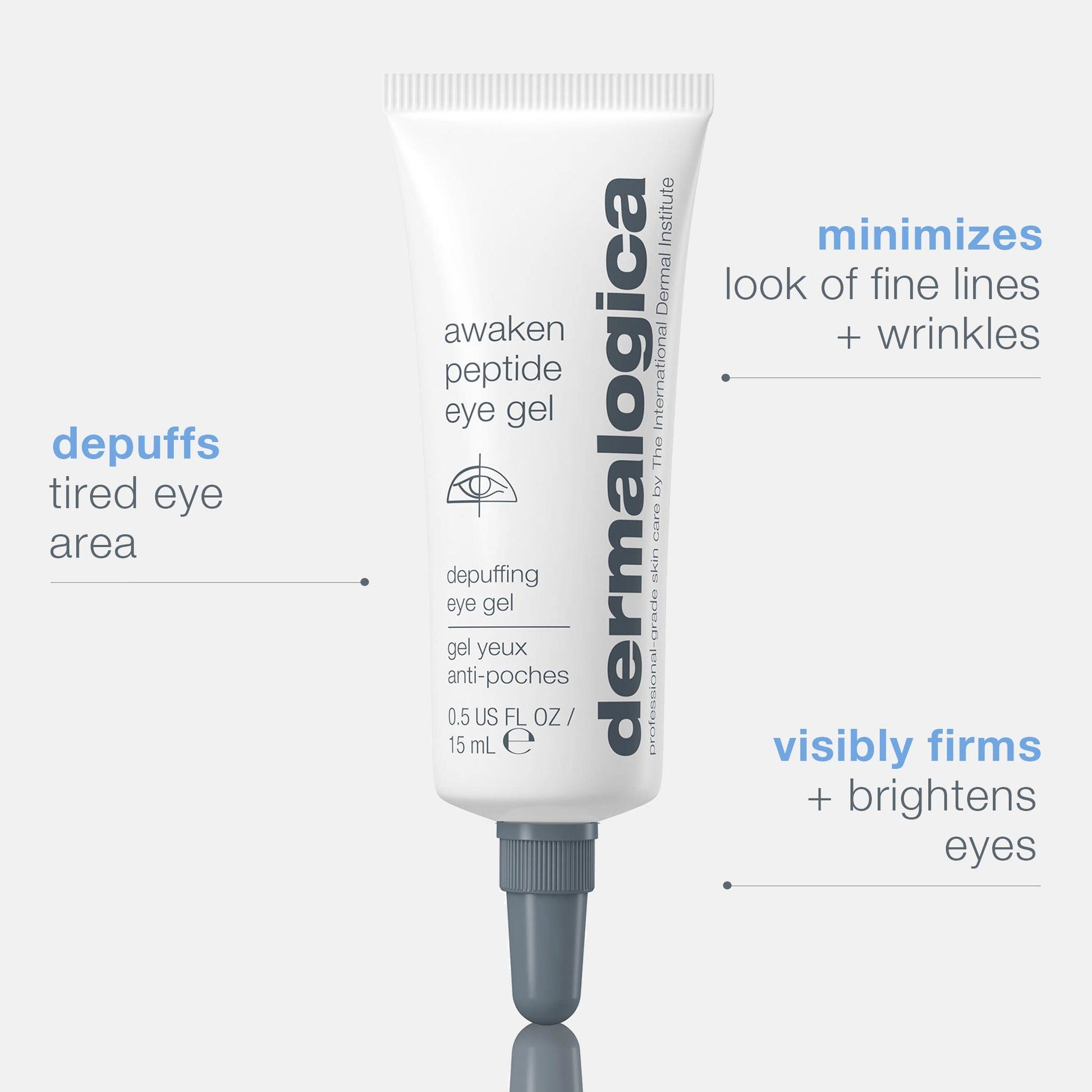
For example, Dermalogica’s Awaken Peptide Eye Gel combines peptides with ingredients that help with hydration and the appearance of puffiness.
I’ll get more into why I like this one in my product recommendations below.
My Favorite Eye Creams
Now that you know what to look for, here are a few eye products I’ve used and liked.
Dermalogica Awaken Peptide Eye Gel is my overall favorite eye cream.
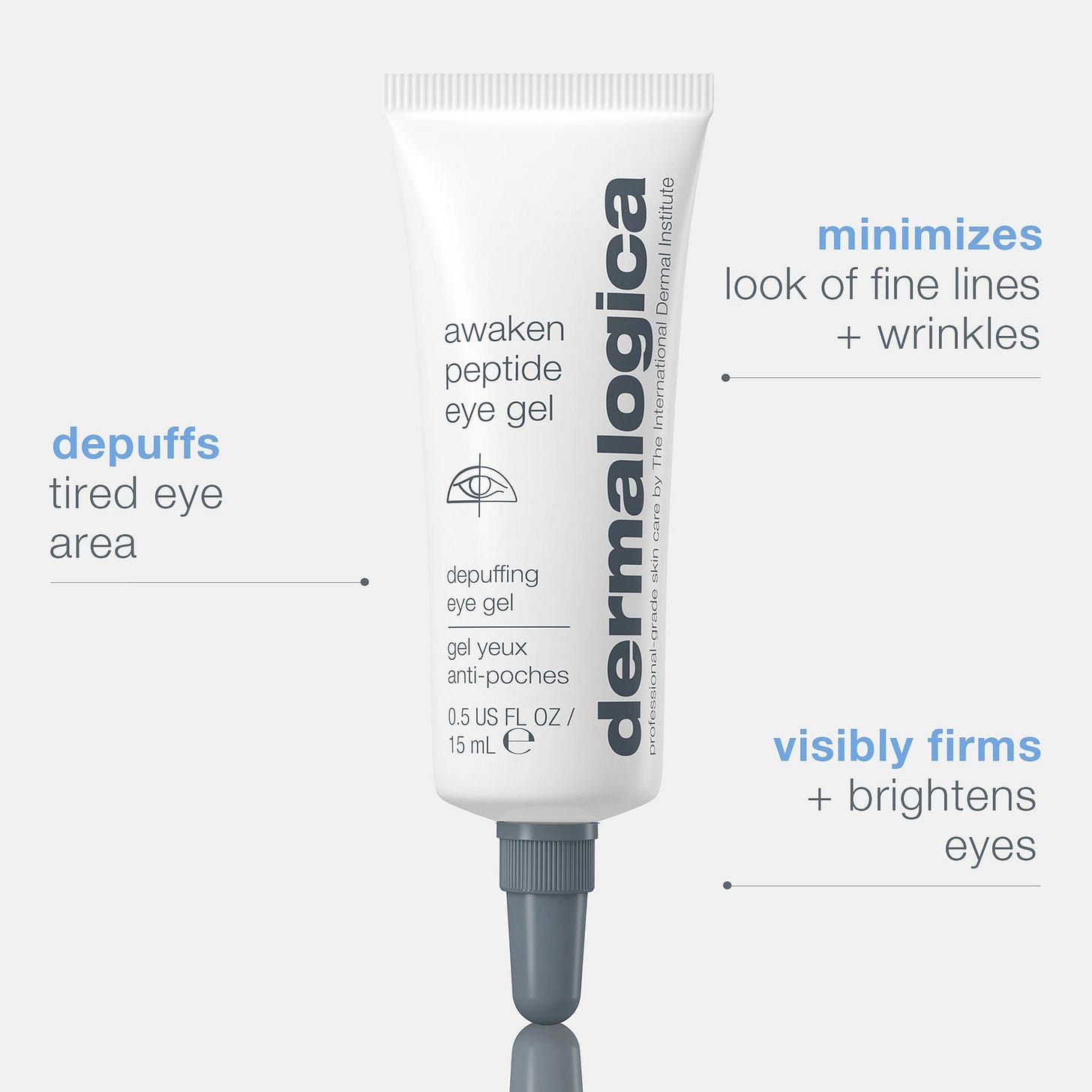
It has a lightweight gel texture with peptides and caffeine, so I like it for hydration, puffiness, and fine lines.
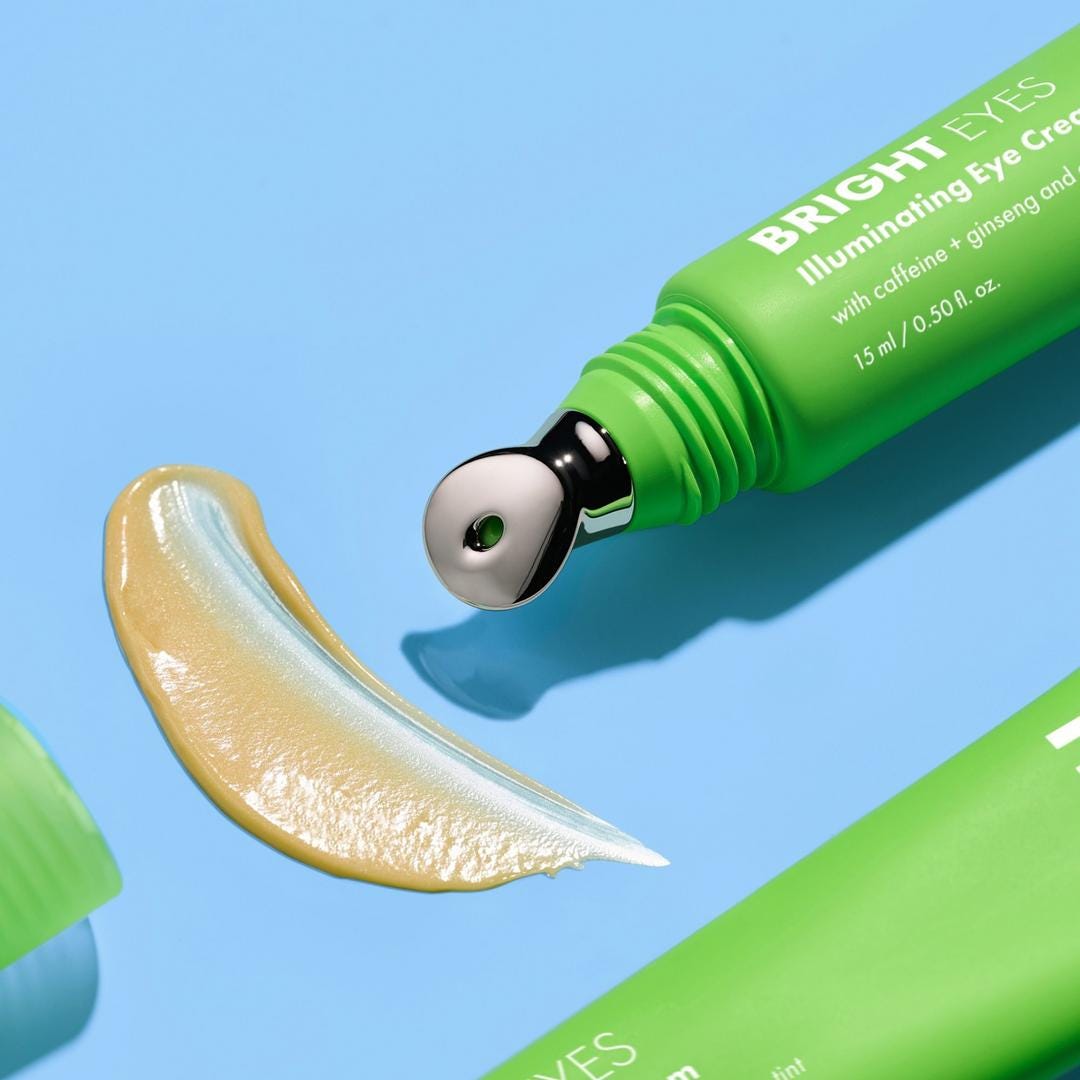
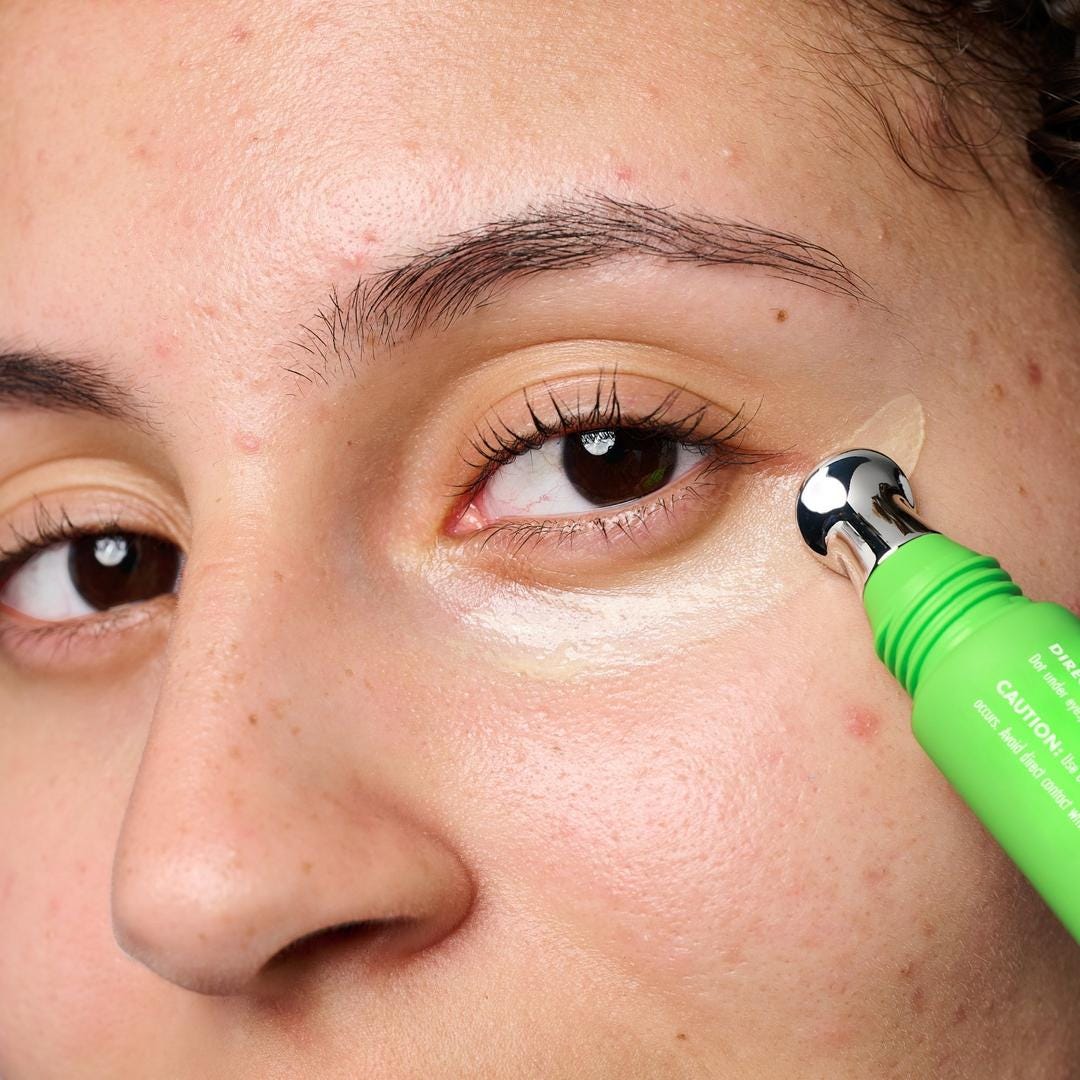
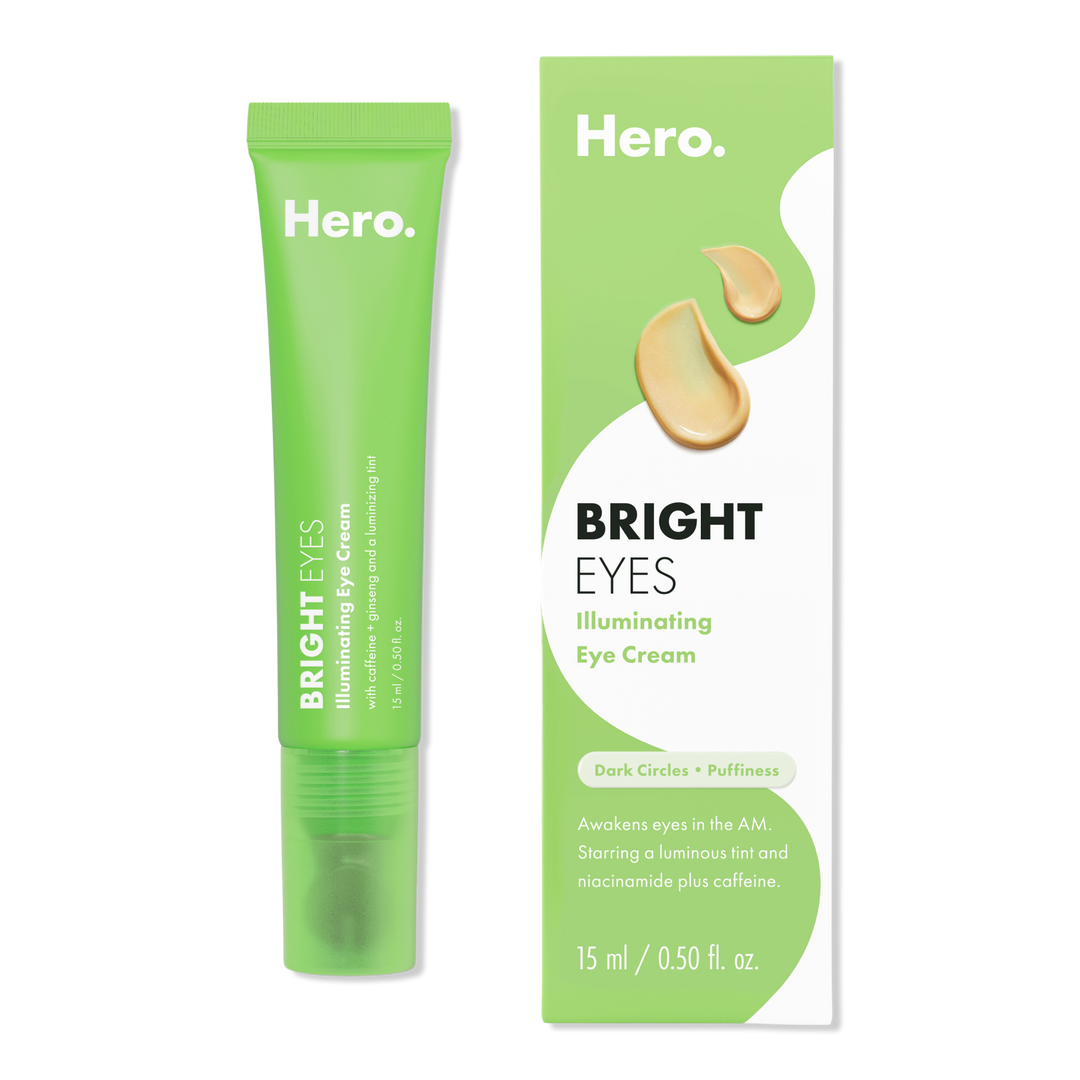
It also sits well under makeup, and the cooling metal applicator feels great in the morning.Hero Cosmetics Bright Eyes Illuminating Eye Cream is the one I reach for when I want my under-eyes to look brighter.
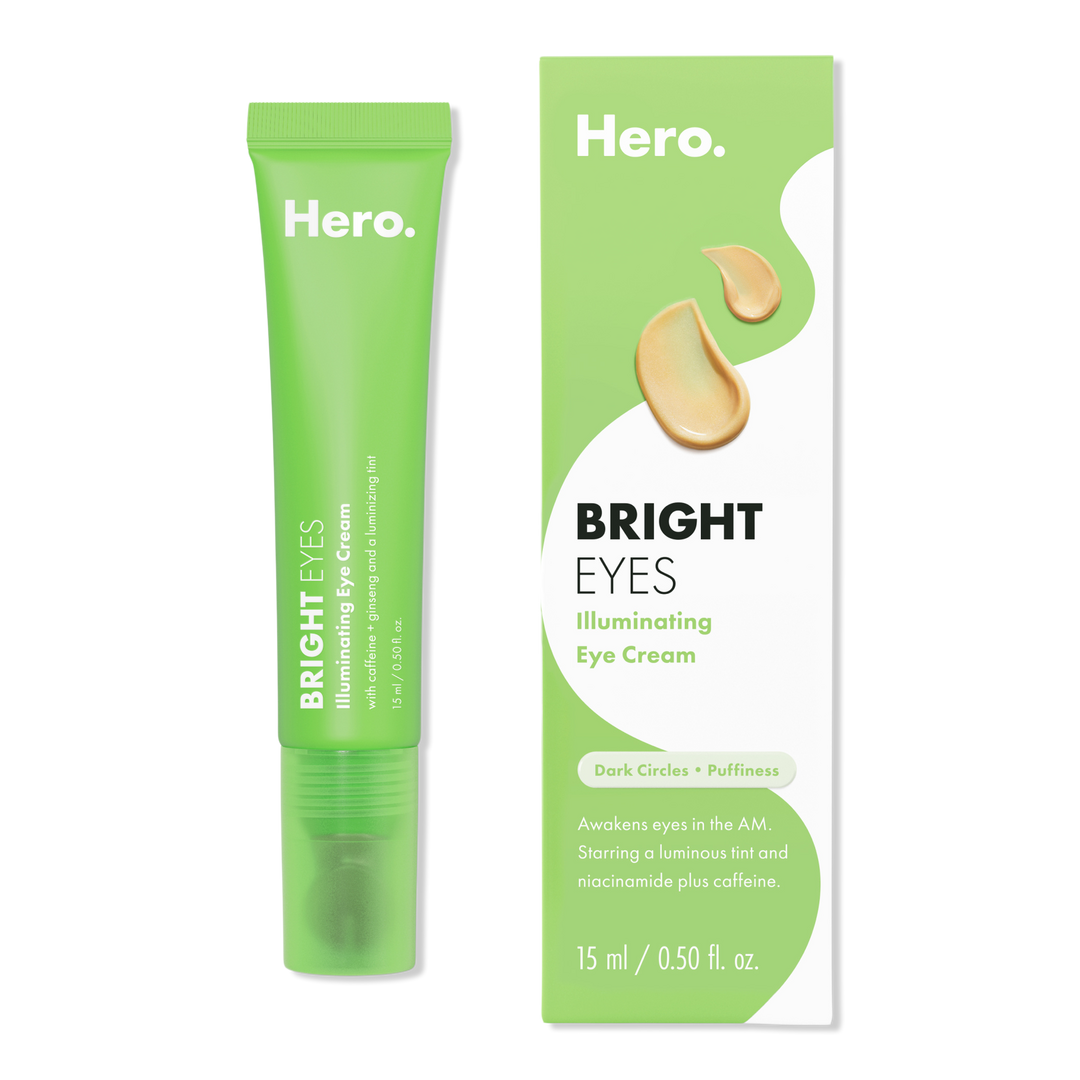
The illuminating tint gives an instant brightening effect, so I sometimes use it instead of concealer on no-makeup days.
Just keep in mind that the tint may not work as well across deeper skin tones.BeYou Caffeine Eye Cream is one of my go-tos during allergy season.
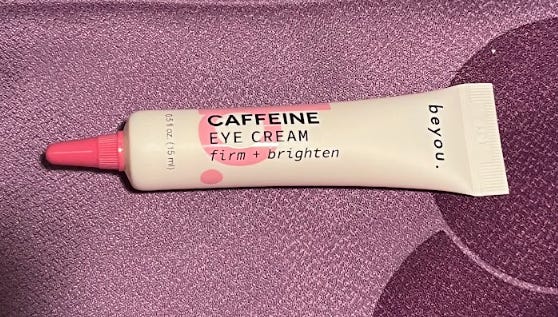
It feels lightweight and hydrating without leaving much residue behind.
I tend to reach for it in the morning when my eyes look puffy.Mirror Skin Copper Elixir is a little different because it isn’t an eye cream.

I use it as part of my regular skincare routine and around my eye area.
It’s a good example of why I don’t think everyone needs a separate eye product.
If you have a serum that works well for your skin and the brand says it can be used around the eye area, you may already have something in your routine that does the job.

How to Add Eye Cream to Your Routine
Eye cream can fit into both your morning and nighttime routine.
Where you put it depends on the rest of the products you’re using.
Morning Routine
Start with your usual cleanser.
Apply your morning serums, such as vitamin C.
Apply a small amount of eye cream around your eye area and gently tap it into your skin.
Follow with your regular moisturizer.
Finish with a broad-spectrum SPF 30 or higher.
Nighttime Routine
Use a cleansing balm or oil to remove makeup and sunscreen.
Follow with the same gentle cleanser you use in the morning.
Apply your nighttime treatments, such as retinol, followed by any hydrating serums you use.
Apply your eye cream.
Finish with your moisturizer.
If you’re using a retinol eye cream, start with a few nights a week and see how your skin responds.
Final Thoughts
So, do you really need an eye cream?
Not always.
If your regular moisturizer works well around your eyes and you don’t have a specific concern you want to target, there’s no reason to add another product just for the sake of it.
But if you’re dealing with things like puffiness, dryness, dark circles, or fine lines, an eye cream can be a useful addition to your routine.
For me, it comes down to the formula.
I’d rather choose an eye cream based on the ingredients and what I want it to do than assume every eye cream is worth adding to my routine.
Cheers,