

Acne routines can get complicated fast.
A lot of people start with a cleanser and maybe one treatment product, then every new breakout turns into another purchase.
Maybe they add another exfoliating acid, or start using one of those spot treatments that dries the breakout out overnight.
Then toner pads get added somewhere in the mix too because somebody online said they “cleared” their skin in a week.
Before long, the routine is packed with products that are all trying to fix the same issue from different directions.
I think that’s why so many people end up feeling frustrated with their skin after a while.
The acne might still be there, but now your skin feels irritated, makeup starts separating around dry patches, and the marks from old breakouts refuse to fade.
That’s part of why I’ve always loved azelaic acid.
I’ve used it for years, written about it multiple times, and repurchased the Naturium Azelaic Topical Acid 10% more than five times with my own money.
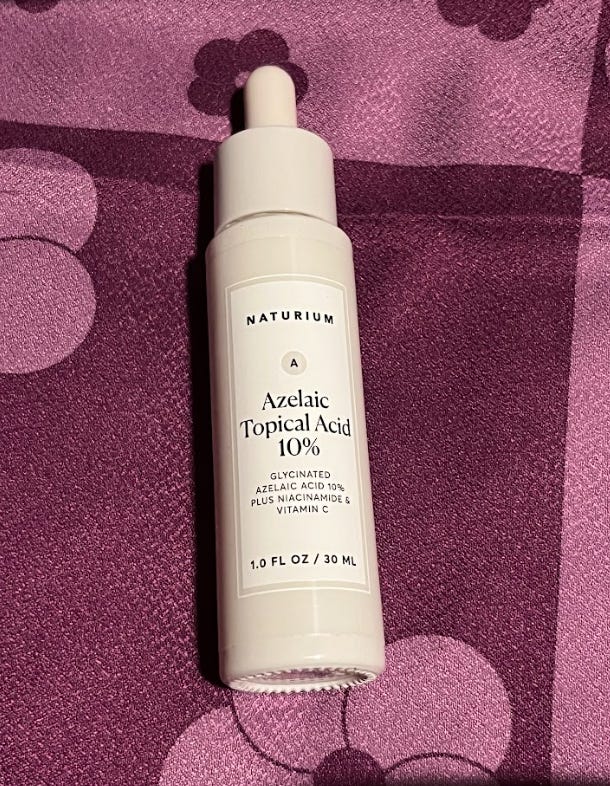
It’s one of the few acne-focused ingredients I keep coming back to because it can help with breakouts, post-acne marks, redness, and uneven skin tone without making the rest of my routine feel overly complicated.
And with azelaic acid, the formula can change the experience quite a bit.
Some fit into a routine without much thought, while others end up clashing with everything else you’re using.
In this article, I’ll walk you through what azelaic acid is, what it helps with, how to use it in a routine, and the formulas I personally think are worth trying.
What Is Azelaic Acid?
If you've never used azelaic acid before, it's one of those ingredients that doesn't get as much attention as retinol, vitamin C, or niacinamide, but I think it deserves a lot more credit.
Azelaic acid is a naturally occurring dicarboxylic acid with anti-inflammatory properties that reduces pimples and can help improve rosacea.
You can find azelaic acid in both prescription medications and over-the-counter skincare products.
Evidence shows that azelaic acid works in several ways, including:
Unplugging follicles
Killing acne-causing bacteria
Reducing inflammation
Turning over dead skin cells
Further, some studies show that azelaic acid can help with skin concerns such as hyperpigmentation and melasma, which is one of the reasons I've used it for years and continue recommending it so often.
Many acne ingredients focus only on active breakouts, while azelaic acid can also help address the marks those breakouts leave behind.
At the same time, azelaic acid is still a topical medication and can cause side effects such as dryness and irritation.
Why People Love Azelaic Acid for Acne
One thing that makes acne frustrating is that the breakout is usually only part of the problem.
You get one pimple to calm down, then the mark hangs around for another month afterward.
And if you’re still breaking out while older marks are fading, your skin can start looking uneven even when the acne itself isn’t that severe anymore.
That’s a big reason people stick with azelaic acid.
A lot of acne products are focused on getting rid of the breakout itself, but for a lot of people the annoying part starts afterward when the mark refuses to fade.
That’s one of the reasons I’ve continued using azelaic acid for years.
I like ingredients that can help with both active breakouts and the discoloration they leave behind.
I also think it works well for the kind of acne that never fully comes to the surface.
The tiny clogged pores around the chin, the rough texture along the jawline, those little bumps that make your skin look uneven under makeup even if you don’t have large inflamed breakouts.
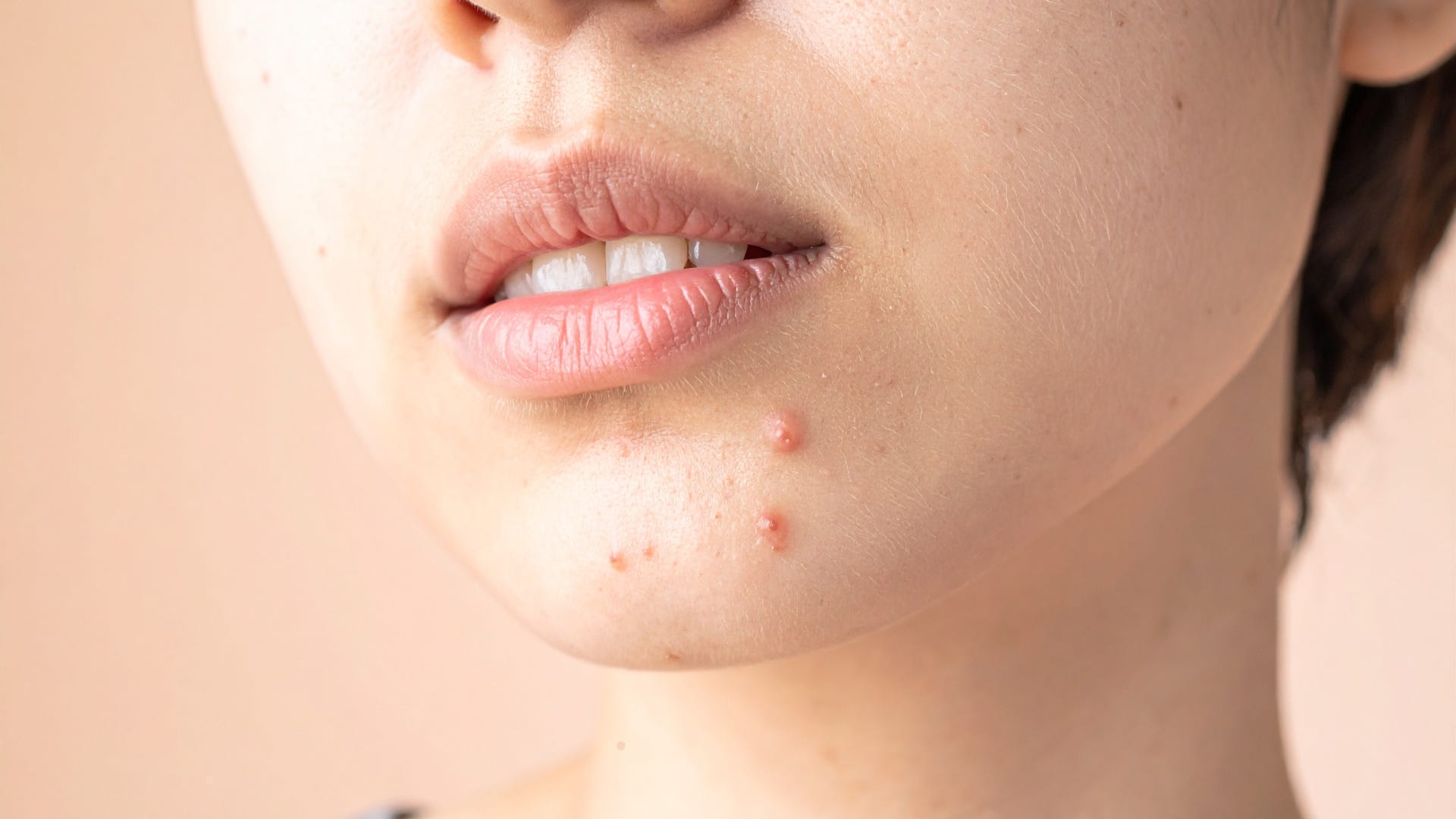
Those are often the things people notice changing first.
And I think that slower pace is part of why people end up liking azelaic acid in the first place.
It doesn’t have the same reputation as the harsher acne products that leave your skin peeling for a week and force you to rebuild your entire routine afterward.
Instead, it tends to become one of those products people keep repurchasing because their skin looks more even when it’s part of the routine consistently.
It’s certainly become that kind of product for me.
How to Use It
You can use azelaic acid either in the morning or at night depending on the rest of your routine and what your skin tolerates best.
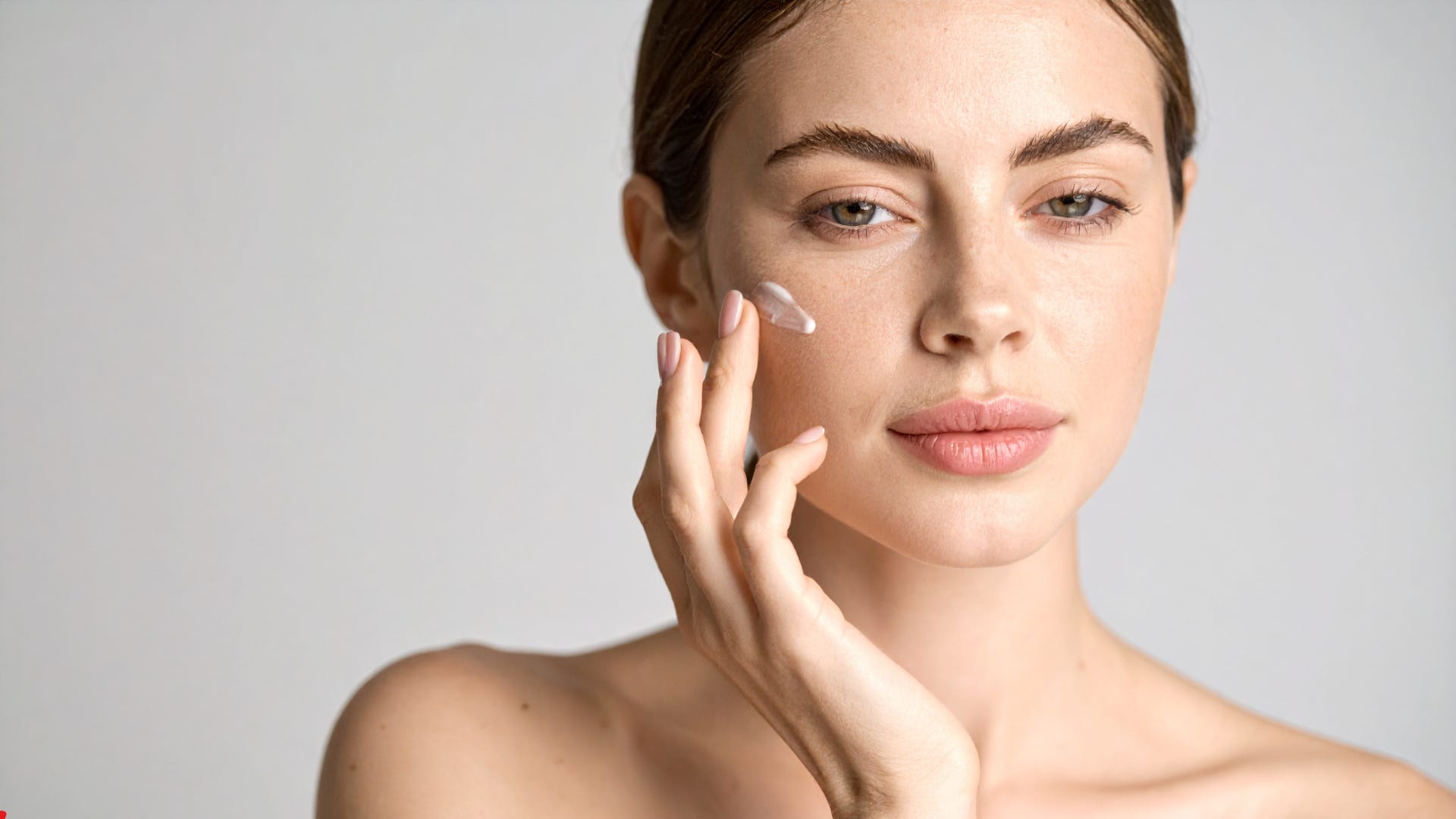
A simple morning routine could look like:
Wash your face with a gentle cleanser.
Apply your azelaic acid serum or cream.
Follow with moisturizer to help keep your skin hydrated and support your skin barrier.
Then finish with sunscreen.
At night, a lot of people pair azelaic acid with retinoids or barrier-supportive products:
Wash your face with a gentle cleanser. If you’re wearing makeup or sunscreen, double cleanse first with a cleansing oil so you’re not leaving anything behind on your skin.
Apply your retinoid.
Apply azelaic acid afterward if your skin tolerates both in the same routine.
Follow with moisturizer.
Azelaic acid pairs well with ingredients like niacinamide, hydrating serums, retinoids, and salicylic acid for some people, although I’d still encourage you to keep things simple at first.
One of the biggest mistakes I see is people adding too many active ingredients at the same time and then having no idea what’s helping and what’s causing irritation.
This is something I've talked about before, but if you're trying to fade discoloration, sunscreen is non-negotiable.
UV exposure can make discoloration linger much longer after breakouts heal.
If you want a more detailed breakdown of combining azelaic acid with retinoids, I also wrote: A Complete Guide to Using Tretinoin and Azelaic Acid Together.
Best Azelaic Acid Products to Try
There are a lot of azelaic acid products on the market now, but I do think the formula matters more than people realize.
Some look fine at first, then start pilling once sunscreen or makeup gets layered on top.
That alone can change whether a product ends up staying in your routine.
A few azelaic acid products worth trying are:
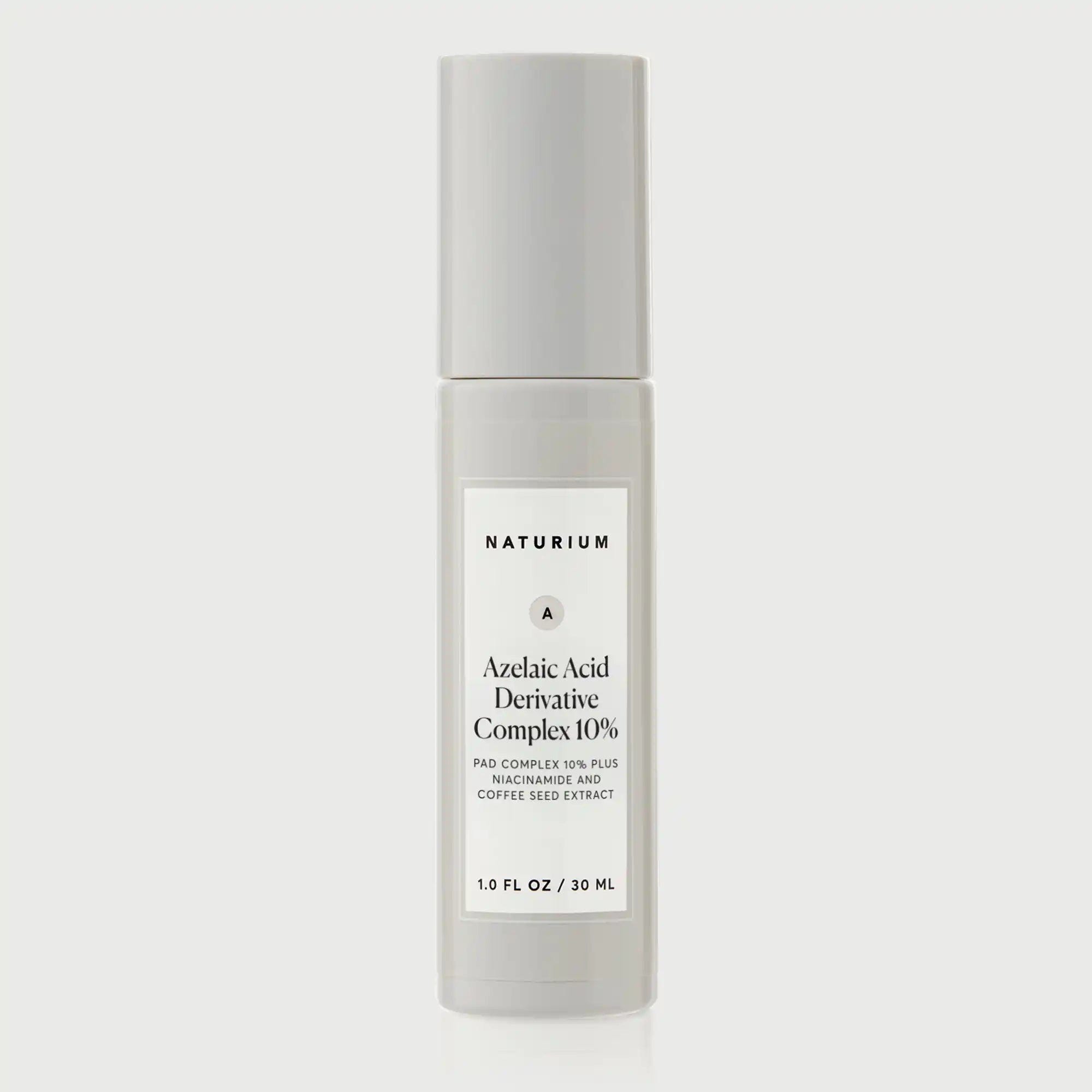
Naturium Azelaic Topical Acid 10% is my favorite overall.
I've used it for years and repurchased it more than five times with my own money, which is probably the strongest endorsement I can give any skincare product.
The formula feels much more comfortable on the skin than a lot of traditional azelaic acid creams.
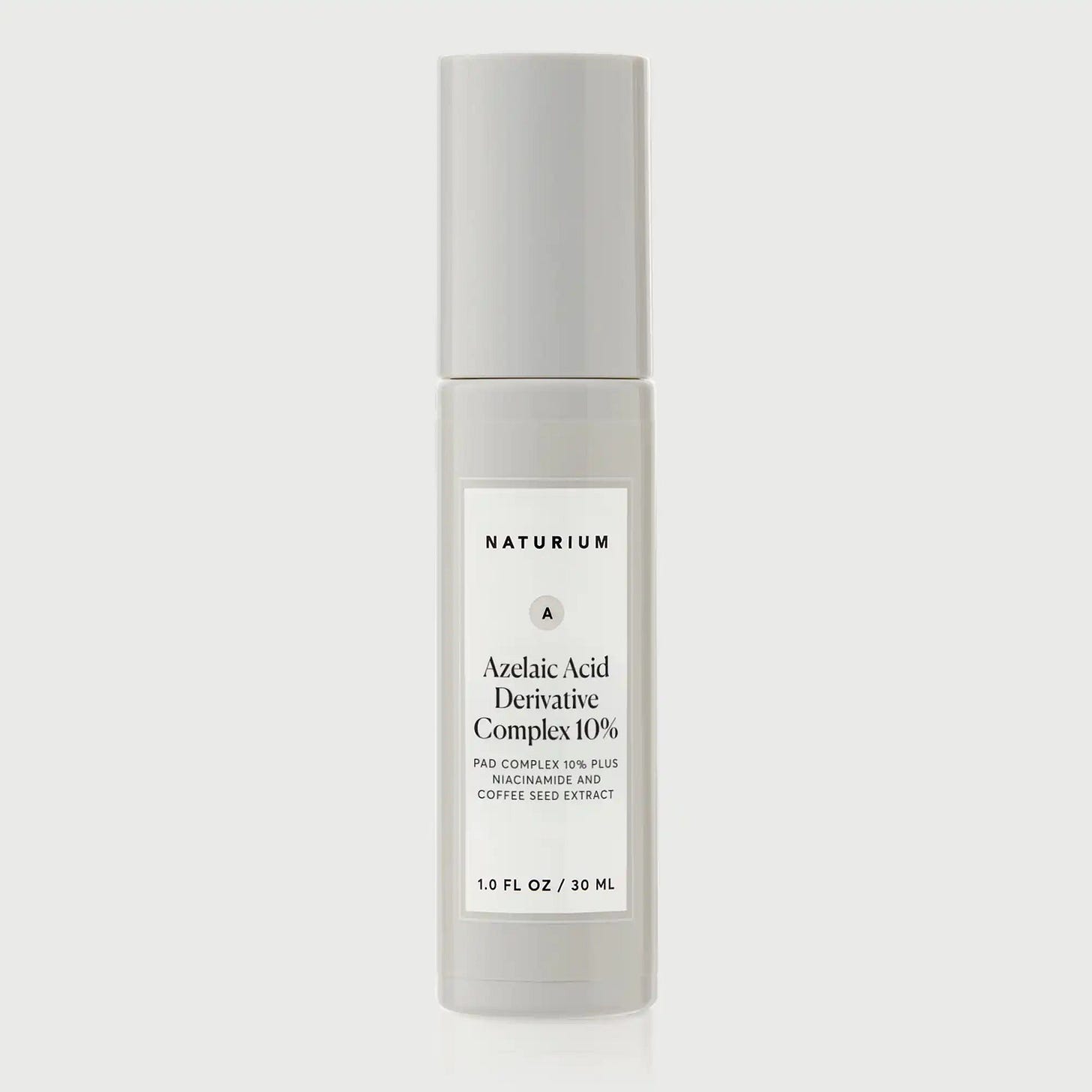
Instead of using standard azelaic acid alone, Naturium uses a derivative called potassium azeloyl diglycinate, which tends to feel more hydrating and less drying on the skin.
The formula also includes niacinamide, vitamin C, coffee seed extract, and sodium hyaluronate, so it ends up feeling more like a lightweight treatment serum than one of those thicker prescription-style creams.
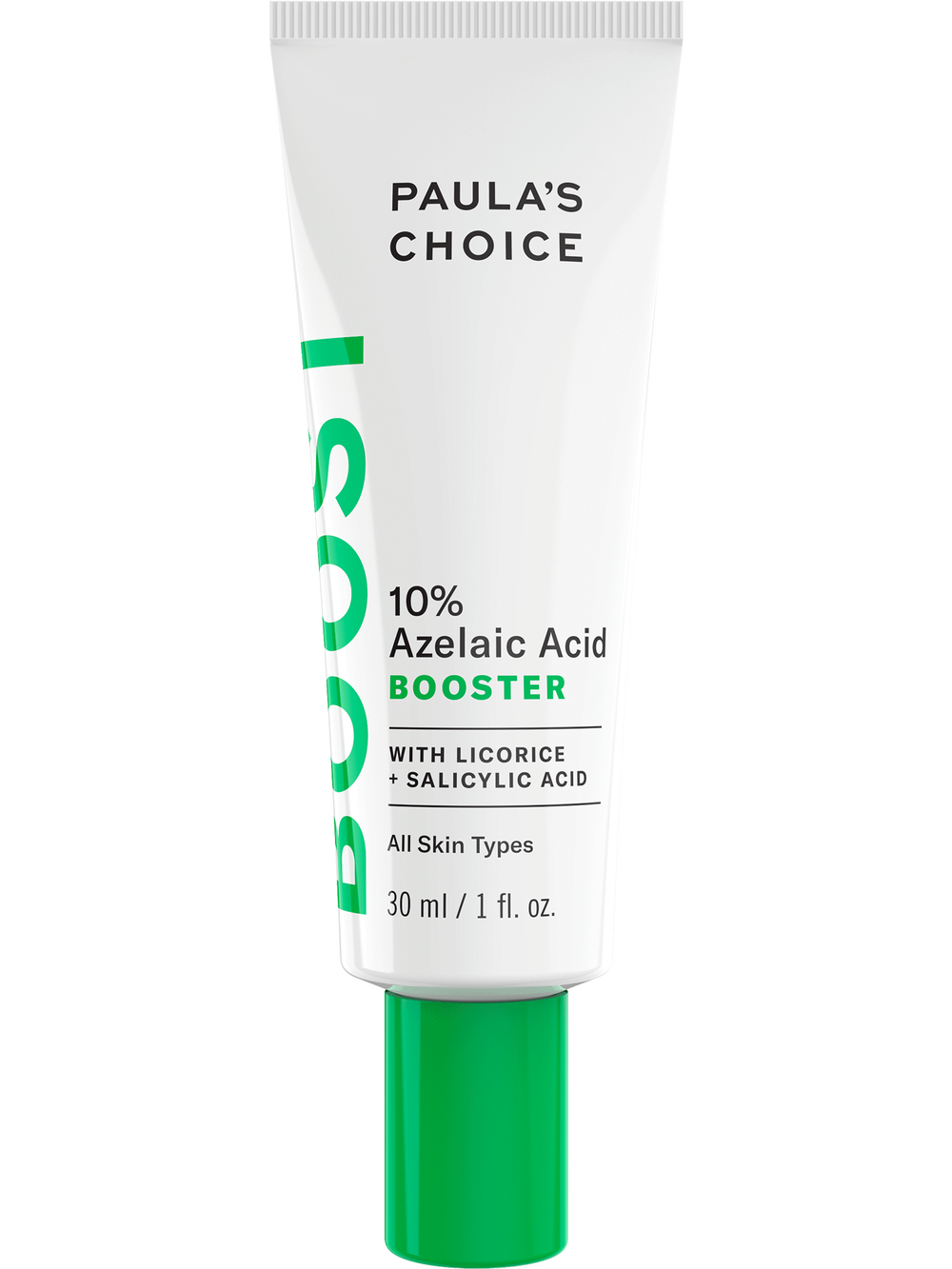
Paula’s Choice 10% Azelaic Acid Booster has been around for years and is still one of the more popular azelaic acid products for acne-prone skin and uneven skin tone.
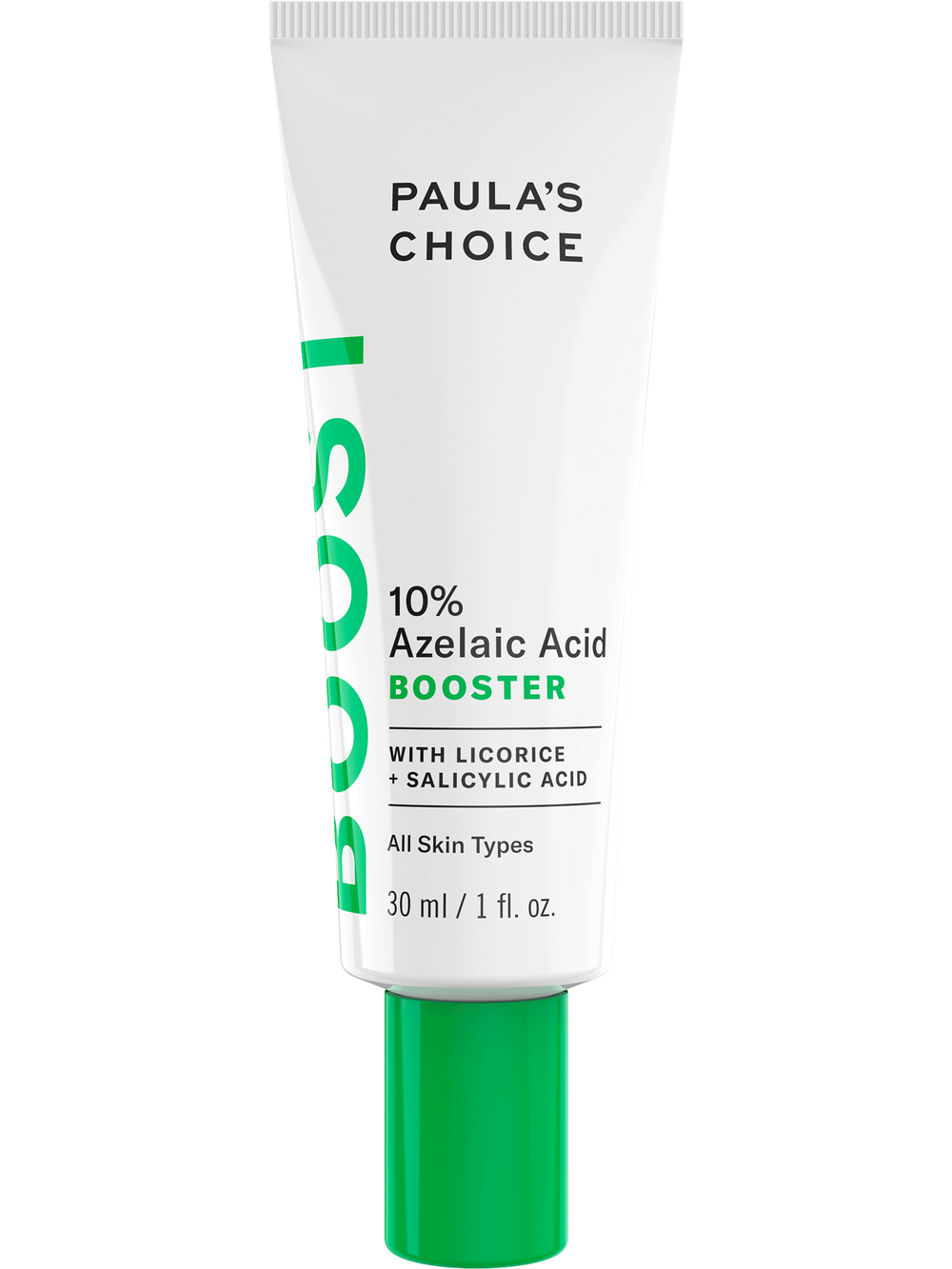
The formula combines azelaic acid with 0.5% salicylic acid, so it targets clogged pores a little more aggressively than some of the gentler azelaic acid formulas.
It has a lightweight cream-gel texture and works well either on its own or mixed into moisturizer.
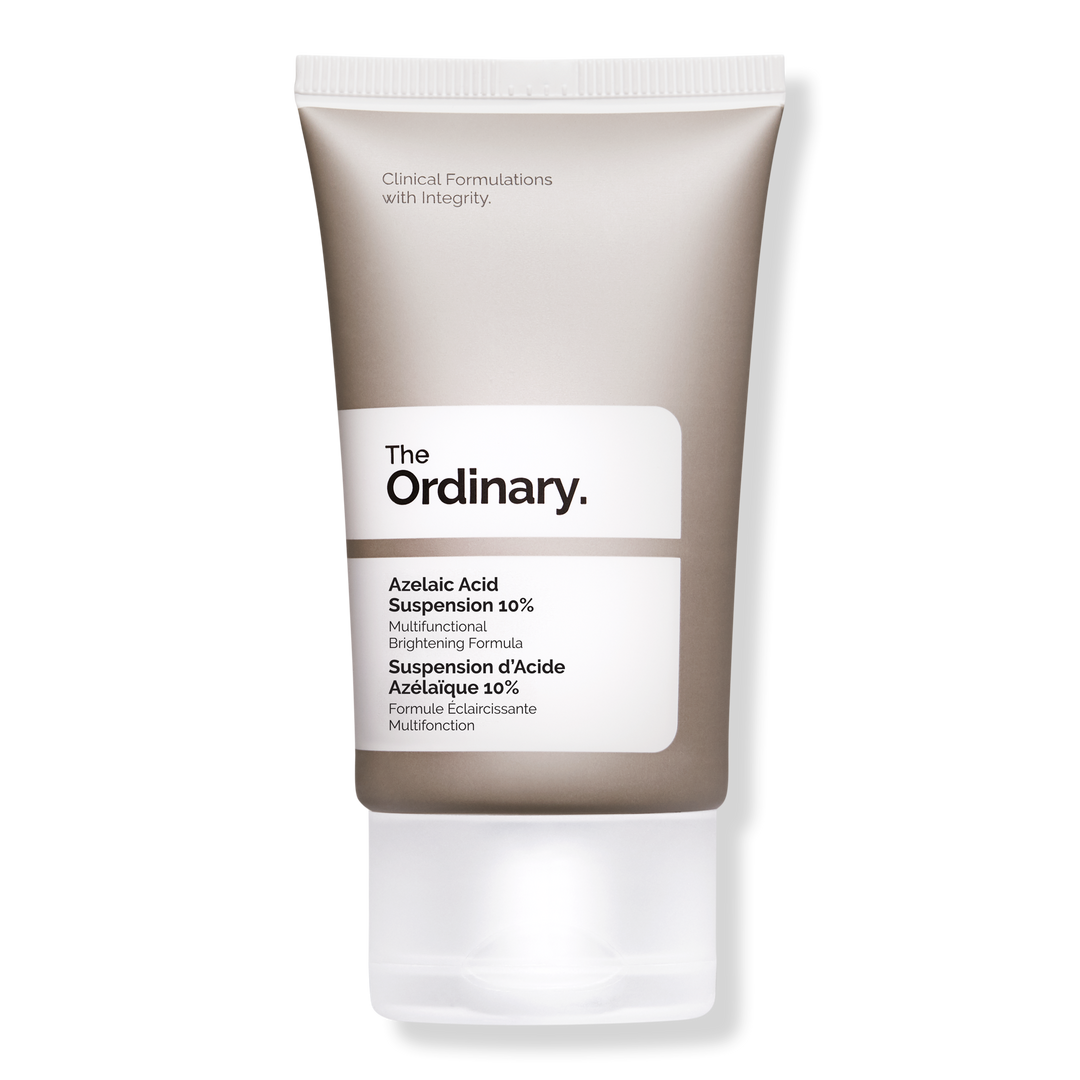
The Ordinary Azelaic Acid Suspension 10% is one of the more affordable azelaic acid options and a common starting point for people who want to try the ingredient without spending much upfront.
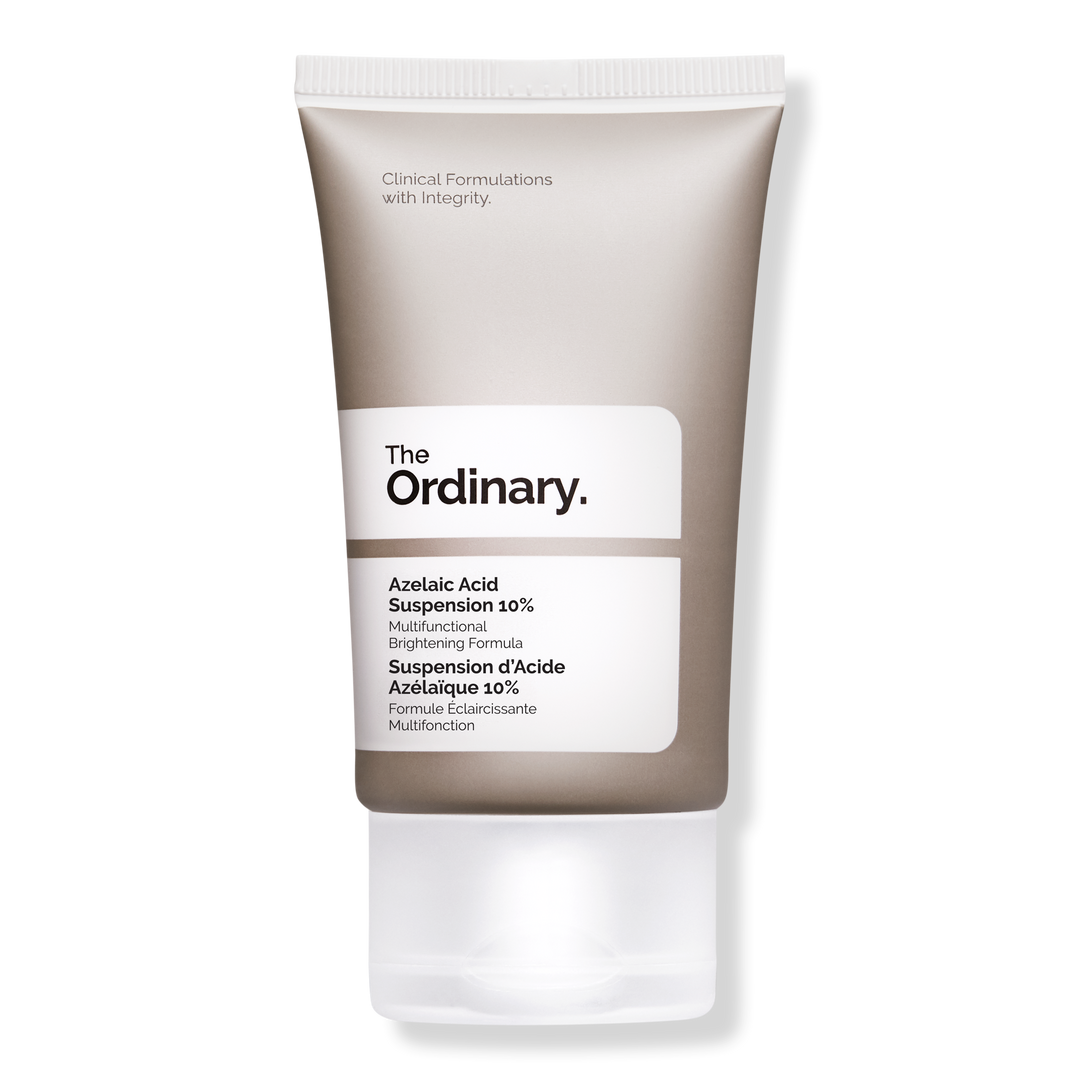
It focuses more on uneven skin tone, texture, dullness, and redness.
The texture feels more silicone-heavy than some of the other options here, which people either end up liking or avoiding depending on the rest of their routine.
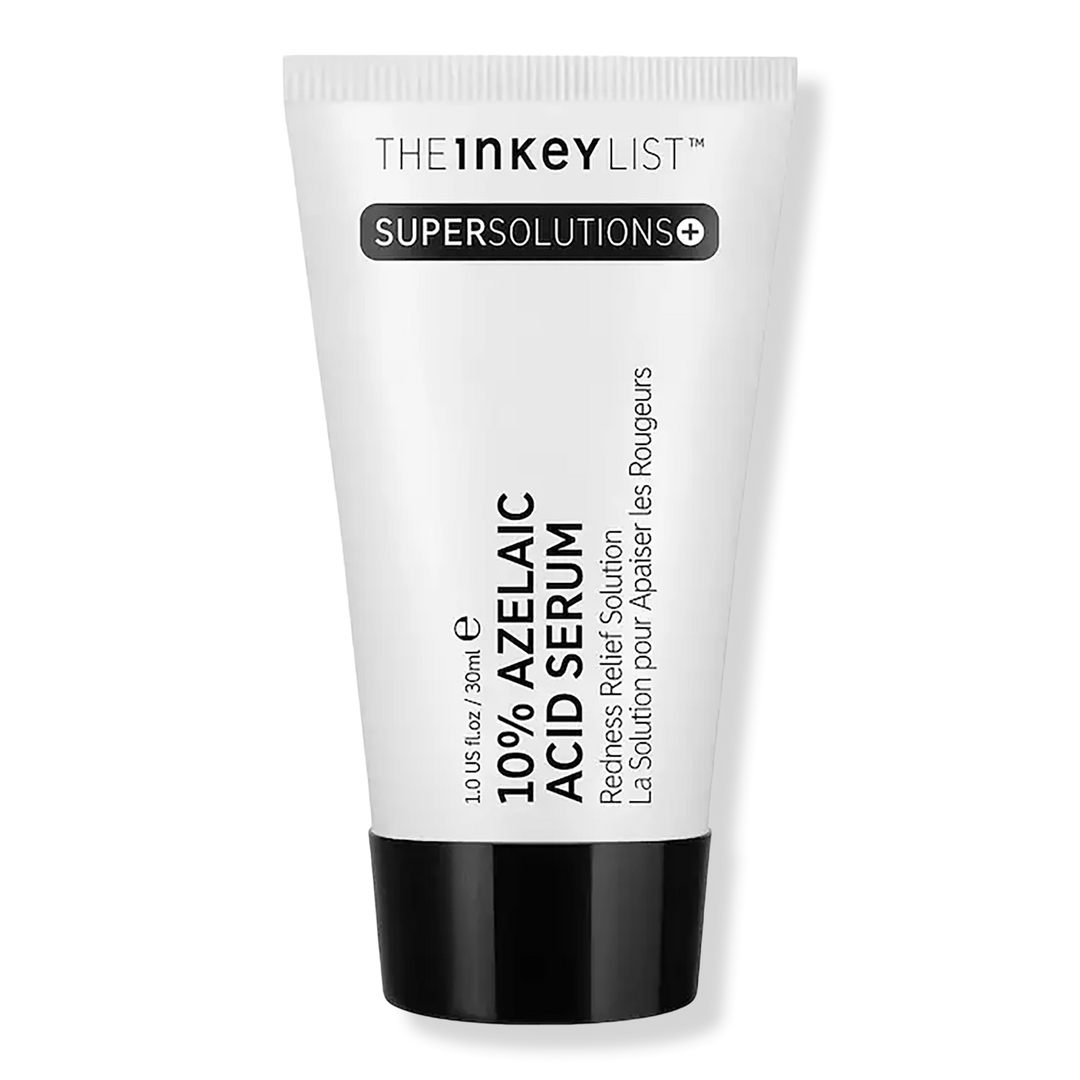
The INKEY List SuperSolutions Azelaic Acid 10% Serum is a good option for people whose skin leans more redness-prone or reactive.
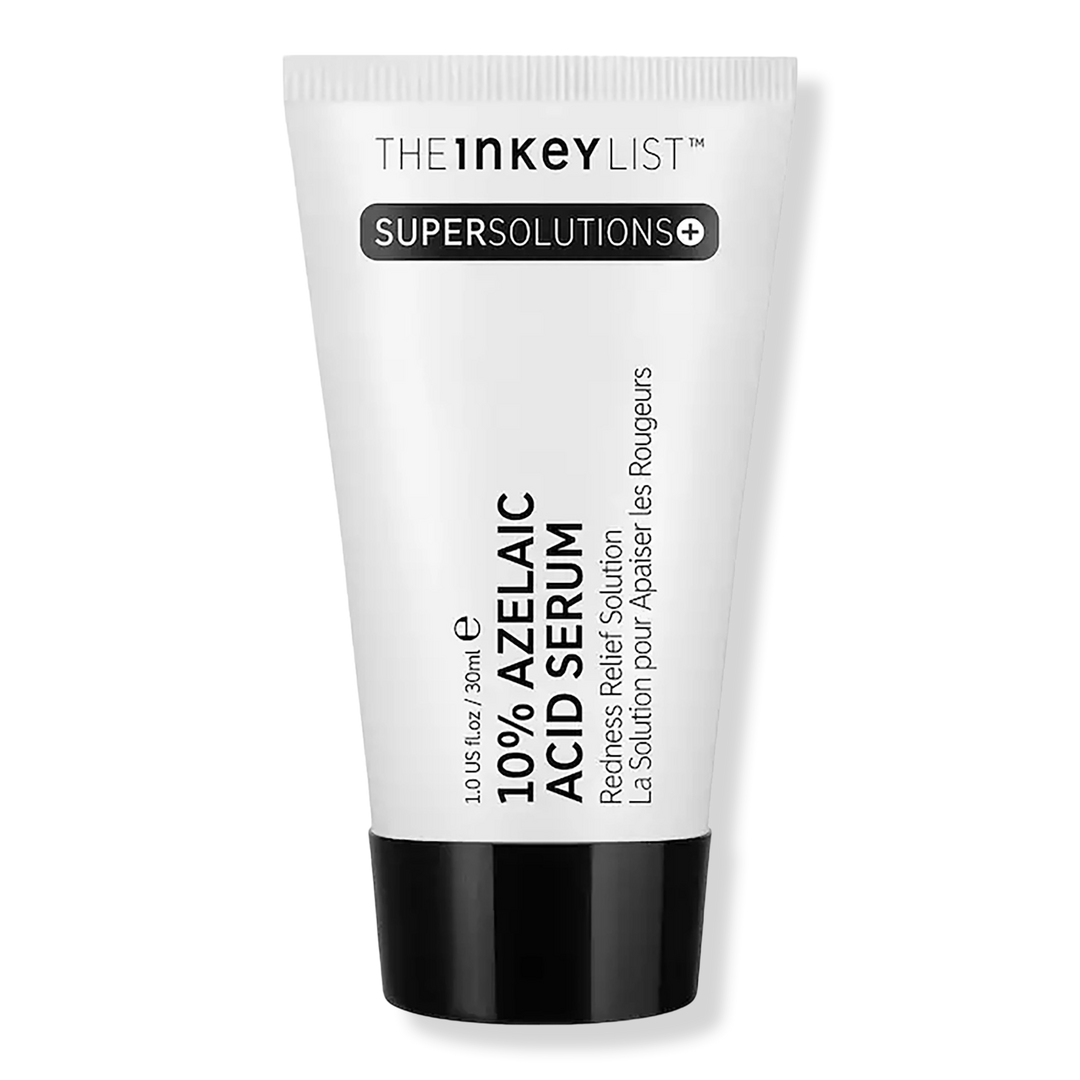
The formula includes allantoin to help soothe irritation, and unlike some azelaic acid suspensions, this one was designed not to leave behind that dry, crunchy feeling after layering skincare on top.
It also has a slight green tint to help offset visible redness on the skin.
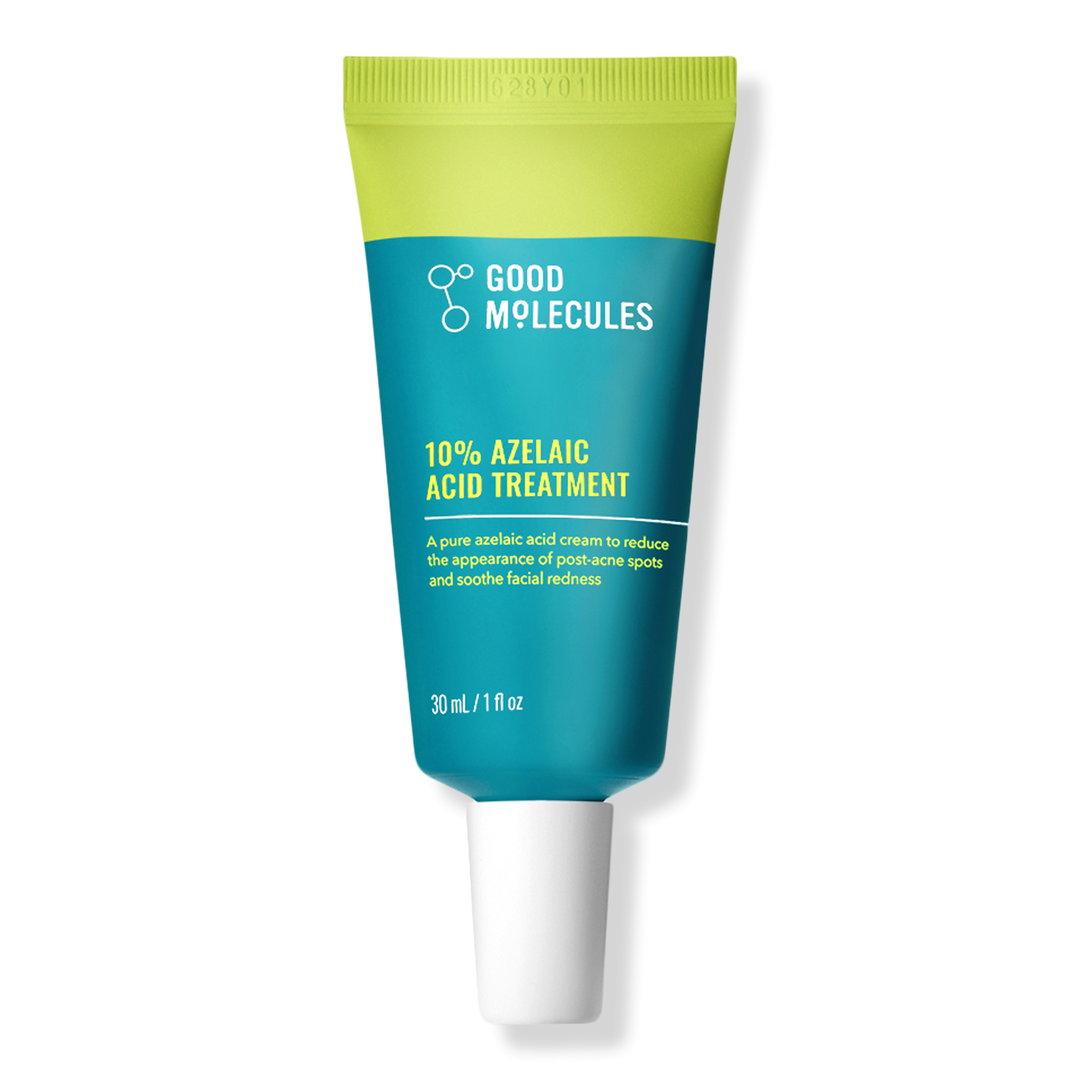
Good Molecules 10% Azelaic Acid Treatment focuses heavily on post-acne marks and redness.
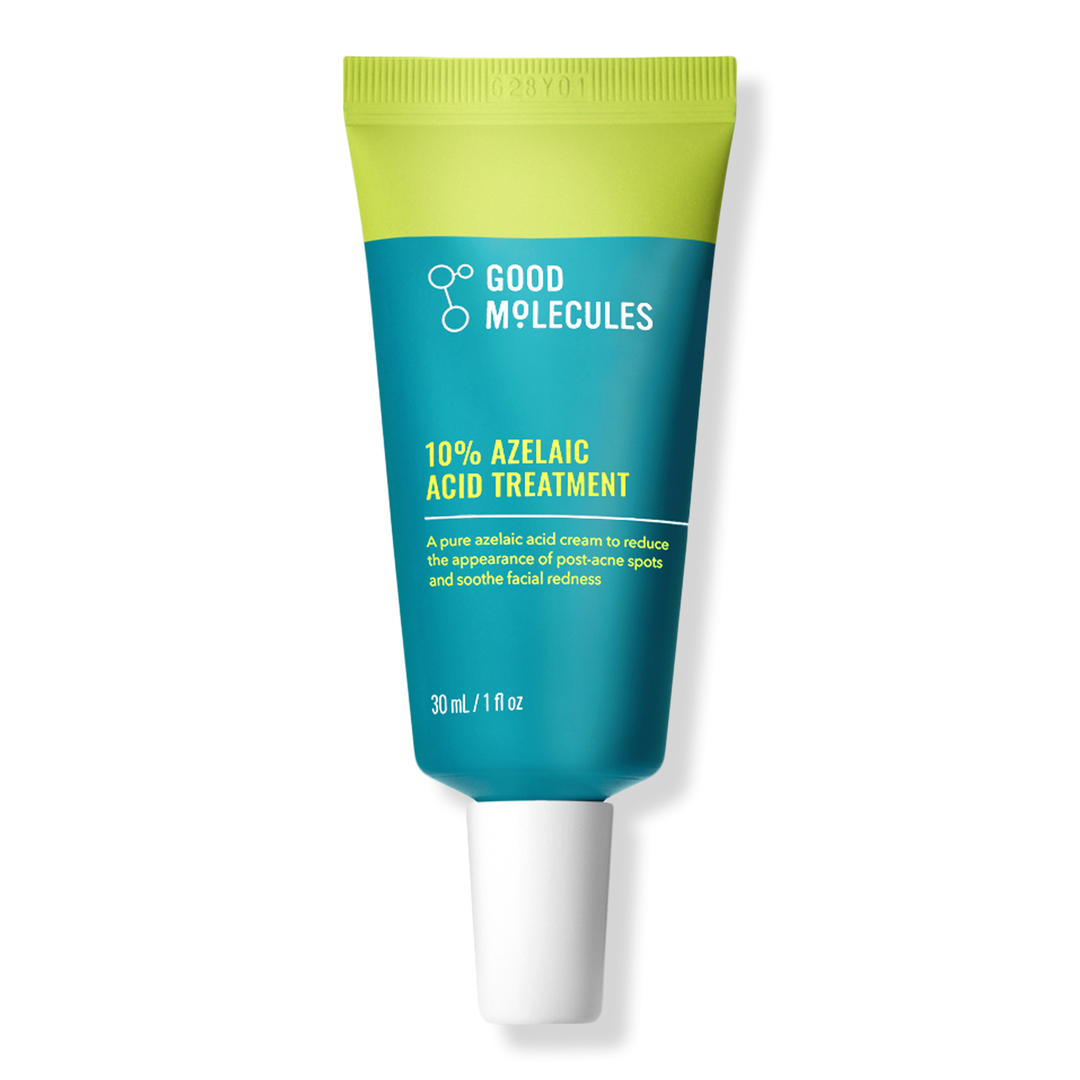
Alongside azelaic acid, it includes soothing ingredients like centella asiatica exosomes and passion fruit oil, so the formula leans more supportive and calming instead of feeling overly harsh or stripping.
Who Should Try Azelaic Acid?
Azelaic acid is a good option for people with acne-prone skin, redness, post-acne marks, clogged pores, or uneven skin tone.
It’s also commonly used by people whose skin becomes irritated from stronger acne products, since azelaic acid tends to fit into routines without causing as much irritation as harsher treatments.
Because it targets several concerns at once, azelaic acid often works well in simpler routines that don’t rely on layering multiple active ingredients together.
That's one of the reasons I've kept coming back to azelaic acid over the years.
Final Thoughts
Azelaic acid has stayed popular for a reason.
It can help with breakouts, redness, texture, and post-acne marks at the same time without making your routine feel overly aggressive or complicated.
And at this point, I think a lot of people with acne-prone skin end up doing better when they stop trying to throw every strong product possible into the same routine.
I've used azelaic acid for years, and it's one of the few acne ingredients I've never really felt the need to stop using.
Sometimes the best routines aren't the most aggressive ones.
They're the ones your skin can tolerate long enough to see results from.
Cheers,