A Complete Guide to Using Tretinoin and Azelaic Acid Together
How to combine two powerful actives for acne, rosacea, and uneven skin tone without wrecking your skin barrier.
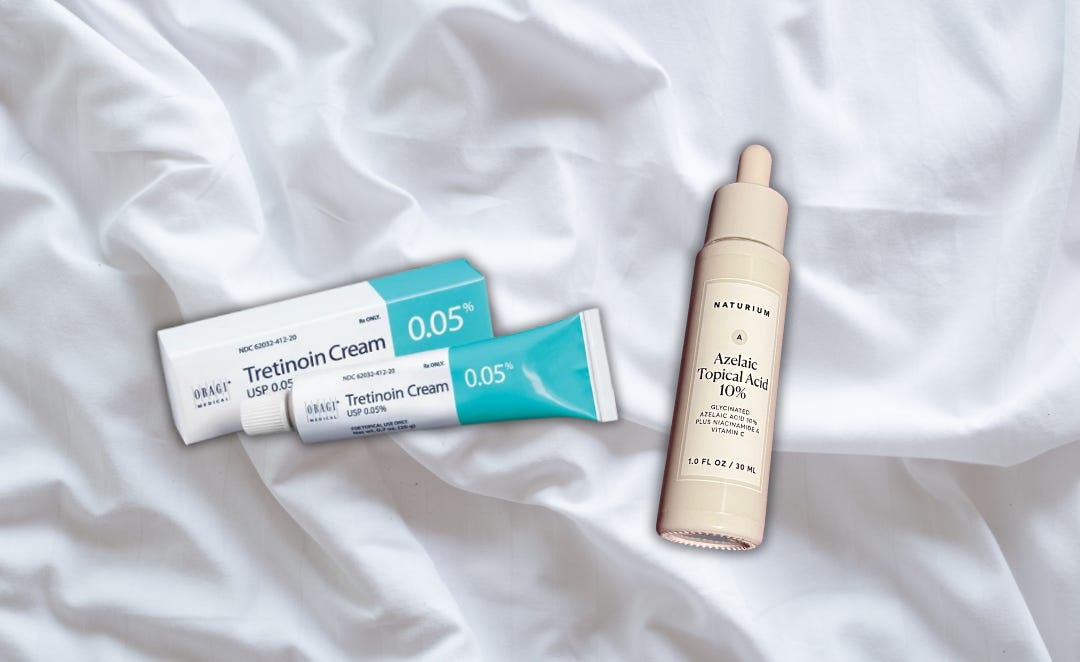
Whether you’re struggling with acne, rosacea, or signs of aging, the powerhouse combination of tretinoin and azelaic acid can make a significant difference in your skincare routine.
Tretinoin is a prescription retinoid commonly used to treat acne and fine lines and wrinkles.
On the other hand, azelaic acid is a gentle topical treatment that is suitable for sensitive skin and can treat:
Acne breakouts
Hyperpigmentation
Skin texture
However, both azelaic acid and tretinoin can contribute to skin irritation.
So, is it safe and effective to use these ingredients together?
In this article, I’ll explain everything you need to know about using tretinoin and azelaic acid.
What is tretinoin?
Also known as retinoic acid or retin-A, tretinoin is a vitamin A derivative that works by speeding up turnover of dead skin cells and stimulating collagen production.
In fact, many studies have confirmed tretinoin’s abilities to:
Speed up skin cell turnover
Reduce fine lines and wrinkles
Improve your skin texture
Regulate sebum production
Improve skin renewal
Additionally, tretinoin is often prescribed by dermatologists as an acne treatment.
However, there are some downsides as well.
Fawn’s Notes: Unlike retinol, tretinoin is a prescription medication.
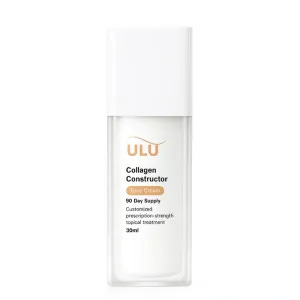
If you don’t have insurance or simply don’t want to deal with going in to see a dermatologist, I suggest checking out a reputable online pharmacy like UluRX.
They also do cool things a traditional derm can’t, like creating custom formulas for your specific needs.
Potential Side Effects of Tretinoin
Many people experience side effects when starting tretinoin, such as:
Skin irritation
Flakiness and peeling
Redness
Itchiness
Dry skin
Studies show that these side effects improve over time as your skin adjusts to retinoic acid.
However, some individuals may still experience lasting sensitivity.
Therefore, it’s important to either “buffer” tretinoin or layer it with hydrating and soothing ingredients.
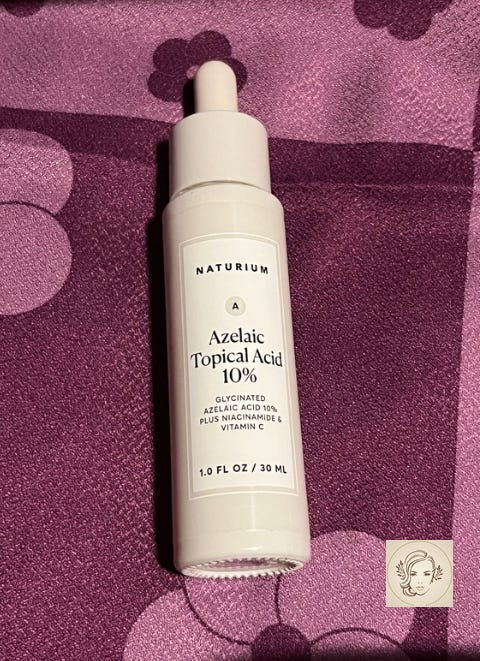
What is Azelaic Acid?
Azelaic acid is a naturally occurring dicarboxylic acid with anti-inflammatory properties that reduces pimples and can help improve rosacea.
You can find azelaic acid in both prescription medications and over-the-counter skincare products.
Evidence shows that azelaic acid works in several ways, including:
Unplugging follicles
Killing acne-causing bacteria
Reducing inflammation
Turning over dead skin cells
Further, some studies show that azelaic acid can help with skin concerns such as hyperpigmentation and melasma.
At the same time, azelaic acid is still a topical medication and can cause side effects such as dryness and irritation.
Are Tretinoin and Azelaic Acid Safe to Combine?
You should avoid combining azelaic acid and tretinoin due to the potential for increased irritation.
However, there is some evidence that shows mixing azelaic acid and tretinoin can greatly impact inflammatory skin conditions like acne.
For example, one study showed that the combination of both active ingredients resulted in a reduction in lesions for patients with moderate acne with minimal side effects.
Another study showed that combining tretinoin and azelaic acid was effective at fighting pimples and post-inflammatory erythema with minimal side effects.
Although this is promising evidence, remember that everyone’s skin is different and will react to the same ingredients in different ways.
How to Use Tretinoin and Azelaic Acid Together
Introducing azelaic acid into your skincare routine with tretinoin cream should be done slowly and carefully.
Start by applying azelaic acid once daily, and apply tretinoin 2-3 nights per week.
As your skin develops a tolerance for these ingredients, you can start increasing the frequency or try layering them together with caution.
When to Use Azelaic Acid and Tretinoin
Wondering when to apply tretinoin and azelaic acid?
For most people, the best schedule would be to apply azelaic acid in the mornings and tretinoin at night instead of layering them together.
Reducing the Side Effects of Azelaic Acid and Tretinoin
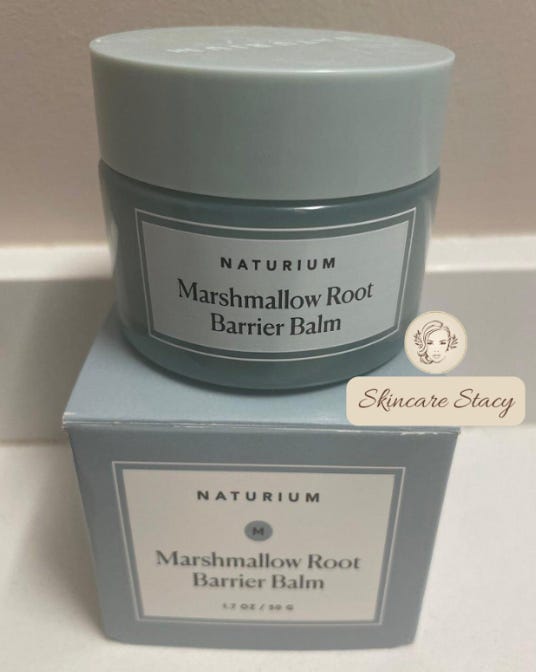
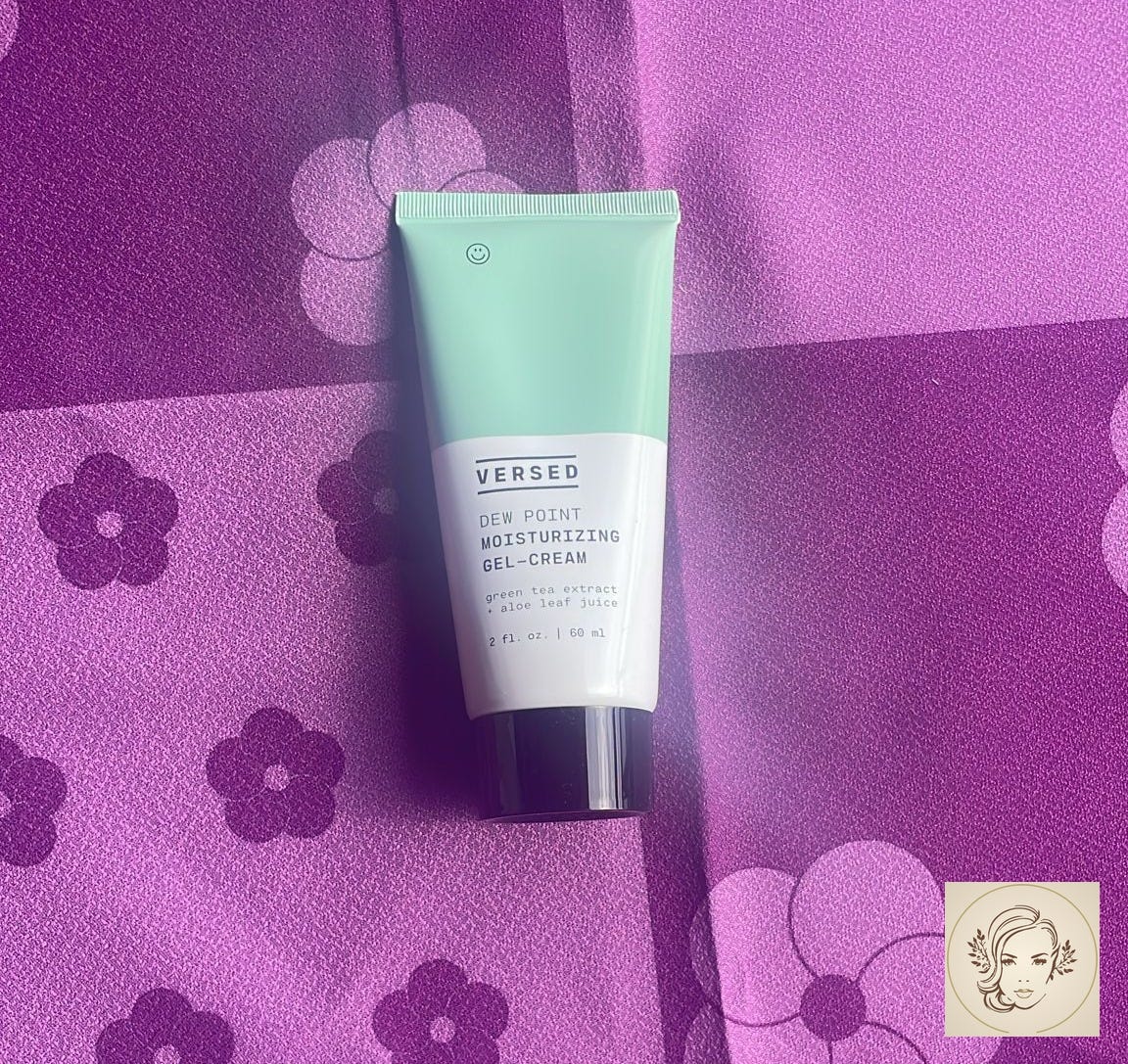
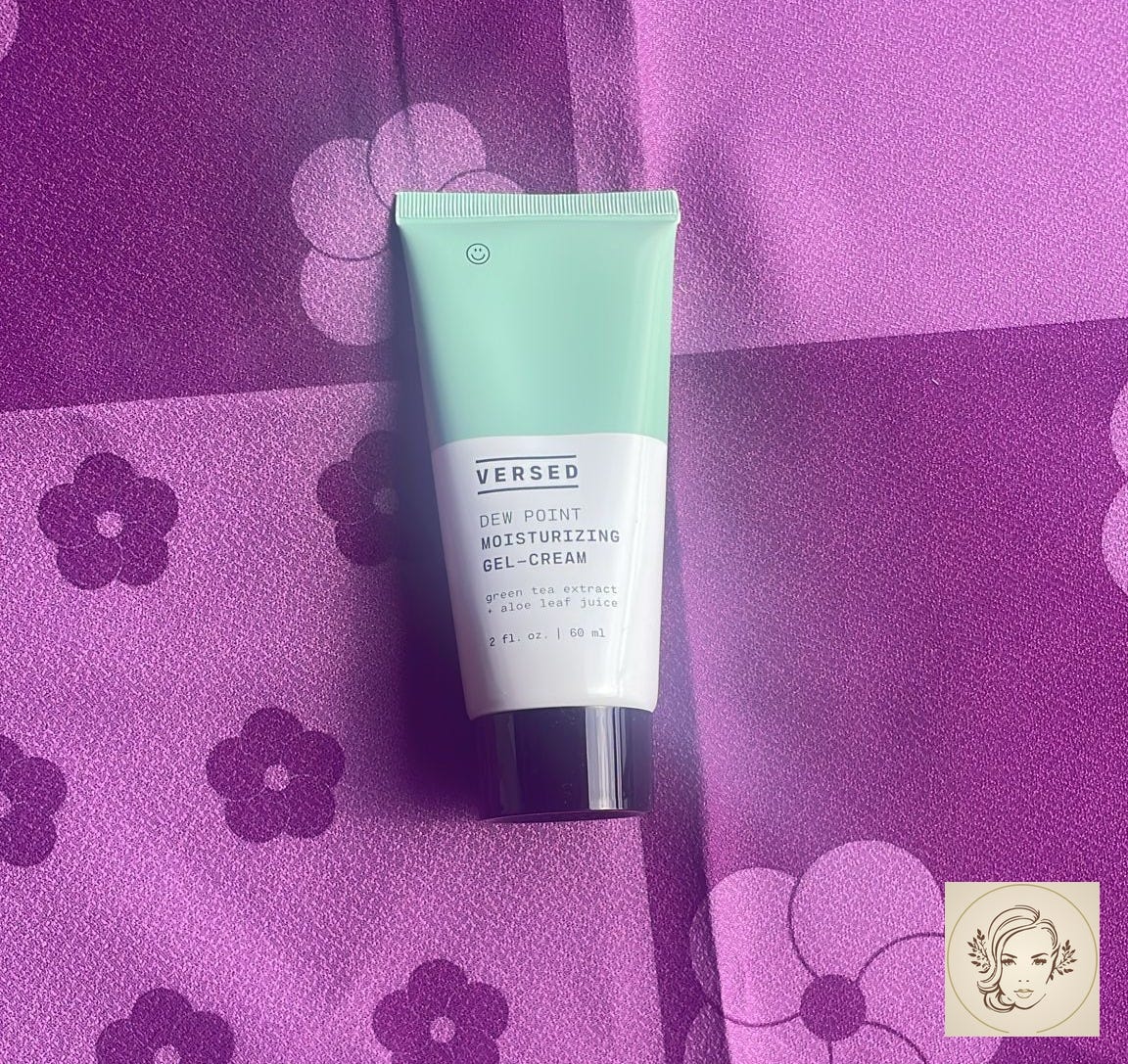
Be sure to layer azelaic acid and tretinoin under moisturizer to avoid any side effects like dryness and irritation.
The best moisturizers to use with tretinoin are formulated with nourishing ingredients like ceramides and glycerin.
If you’re looking for moisturizer recommendations that work well with tretinoin, I wrote a full article on that here.
Skincare Routine with Tretinoin and Azelaic Acid
Wondering how to layer tretinoin and azelaic acid correctly?
Azelaic acid is best used in the mornings, and you can apply tretinoin before moisturizer on clean, dry skin at night.
Follow this skincare routine order to get the most out of your active ingredients.
Morning Skincare Routine:
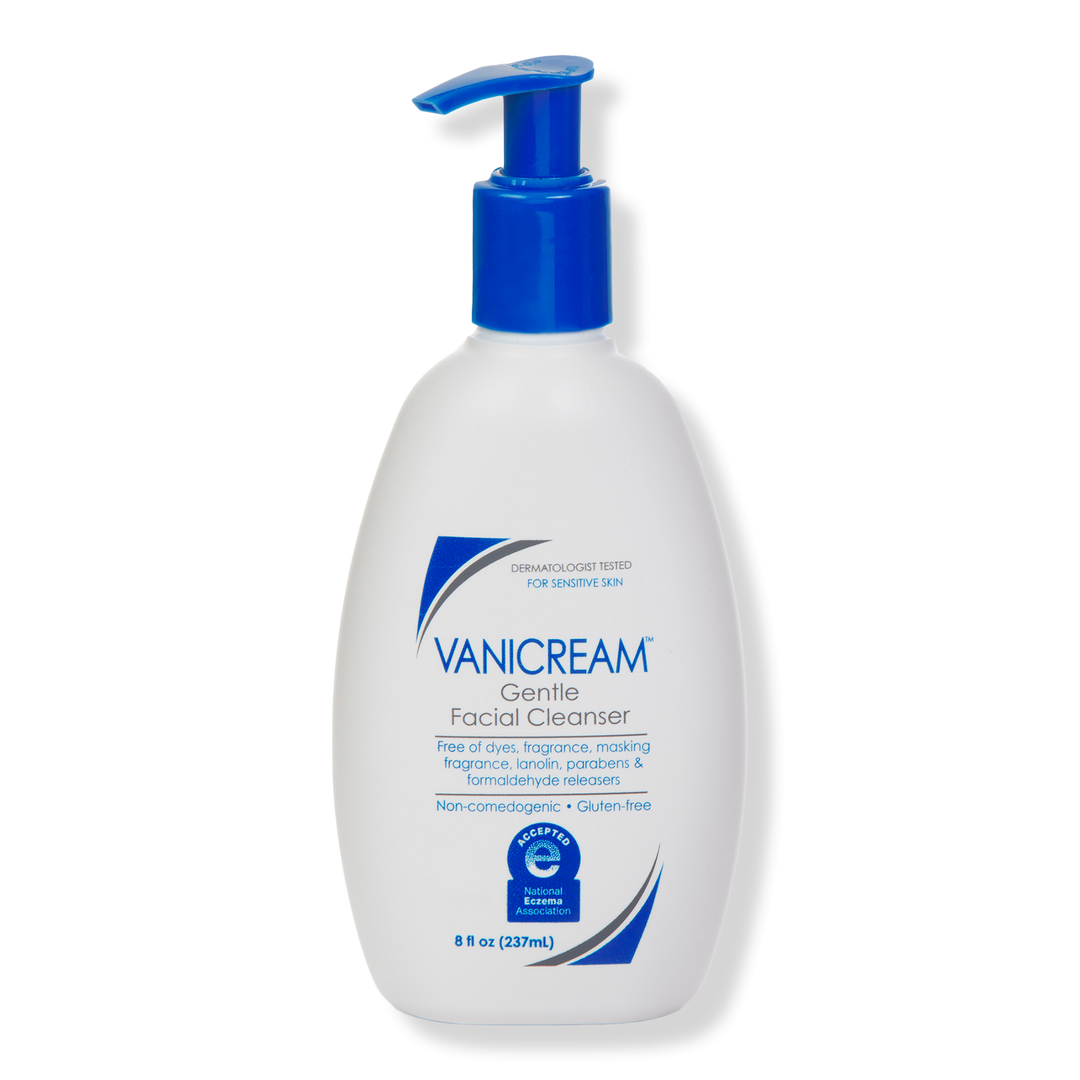
Wash your face with a gentle cleanser or rinse with water.
Apply 3-5 drops of your favorite azelaic acid serum.
Apply a thin layer of moisturizer.
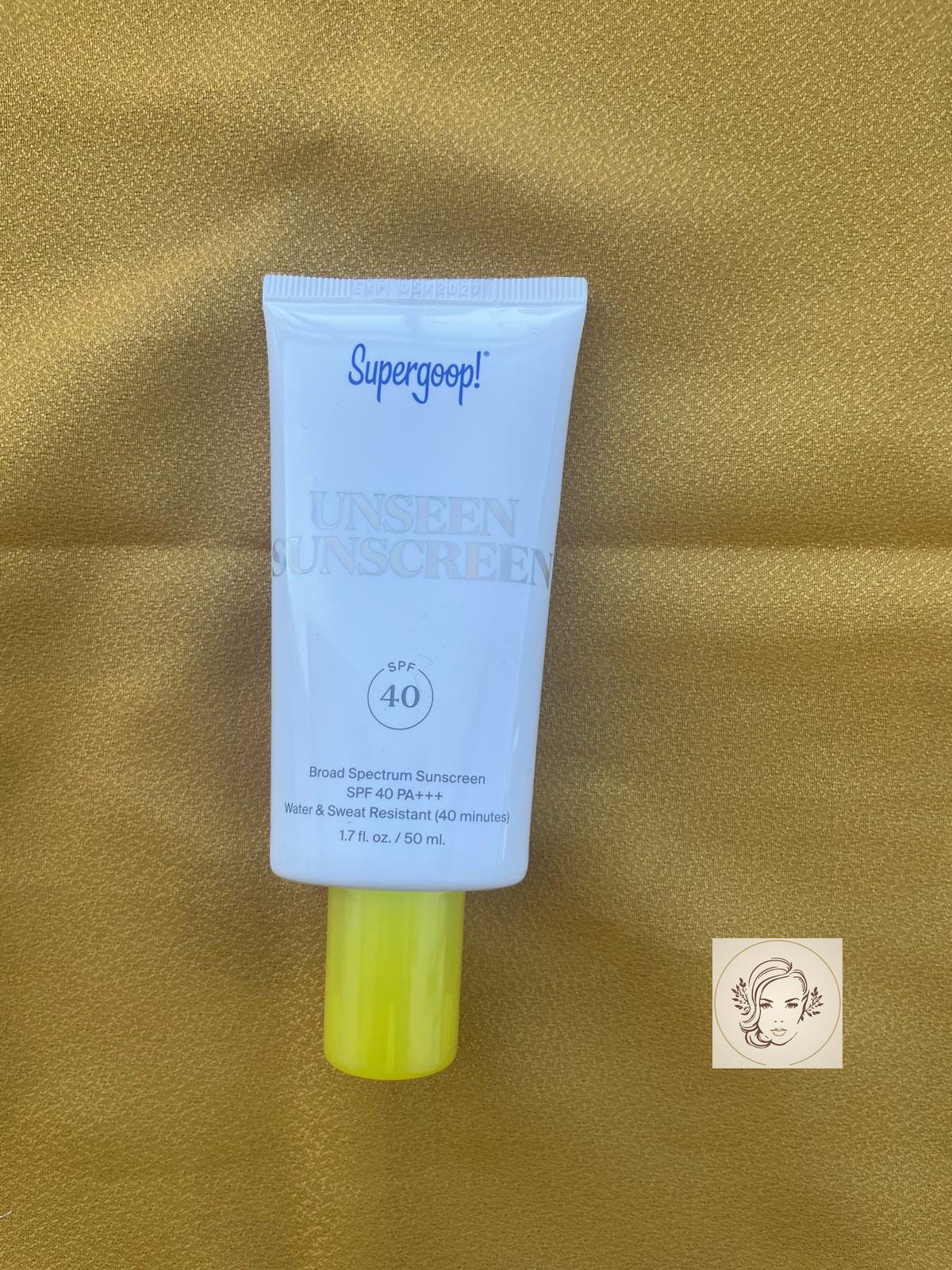
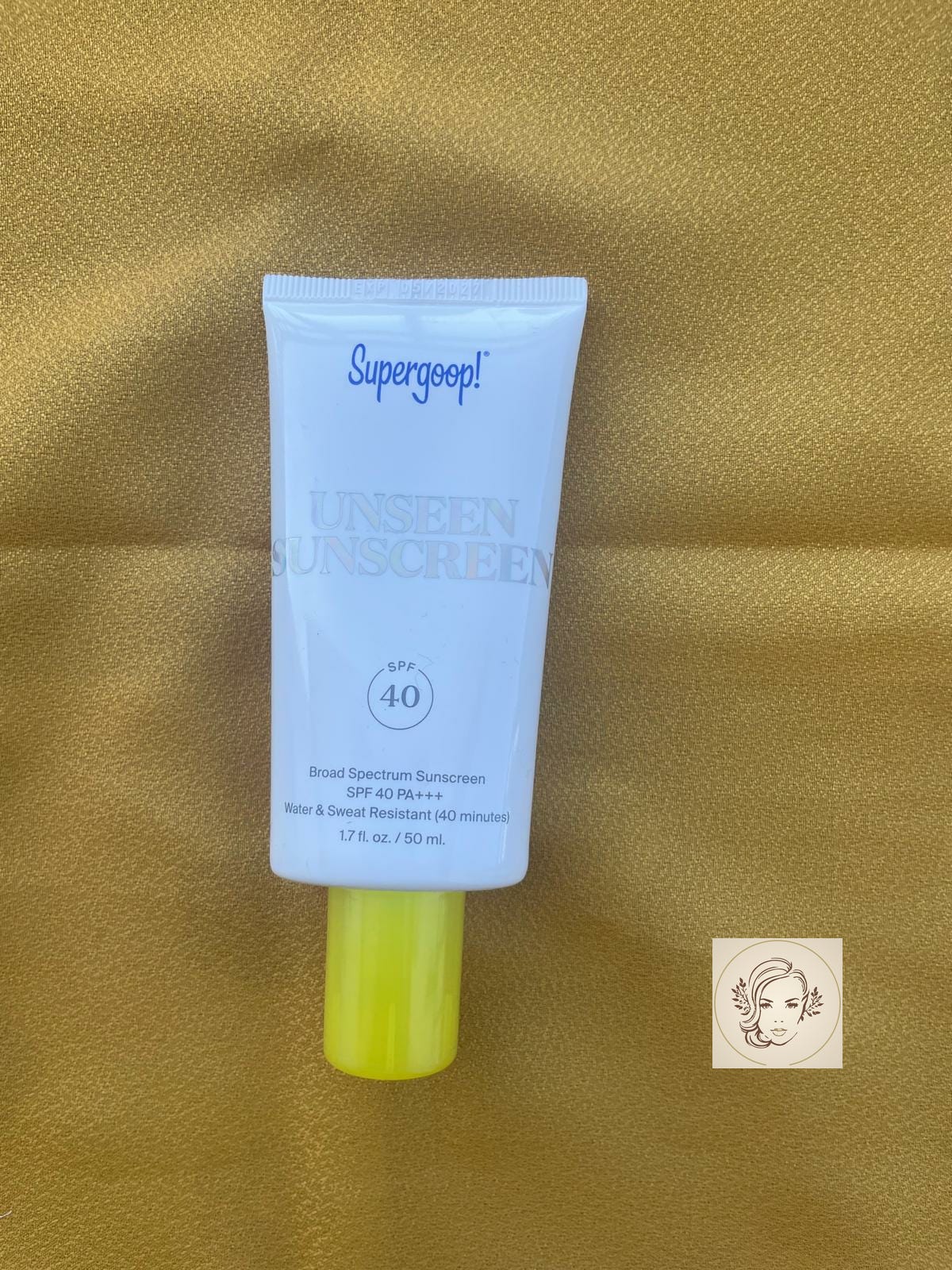
Finish off with SPF
Evening Skincare Routine:
Wash your face with a gentle cleanser.
Apply a pea-sized amount of tretinoin and gently rub it.
Wait to apply your moisturizer after tretinoin for about 2 minutes.
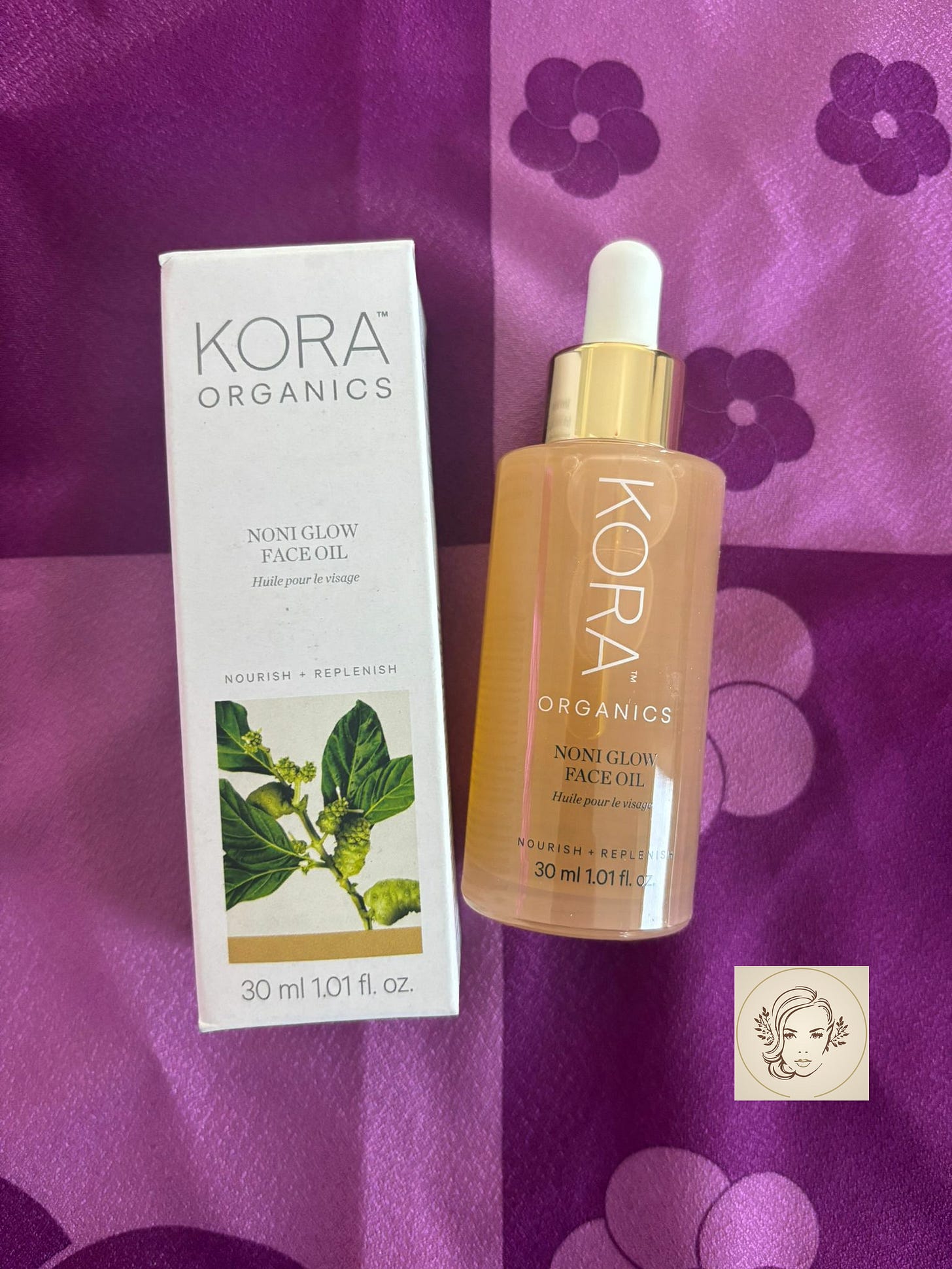
Finish off with your favorite moisturizer and facial oil.
That’s it! Simple.
Summary: Tretinoin and Azelaic Acid
Using azelaic acid and tretinoin together in your skincare routine can pack a powerful punch against acne, rosacea, and aging.
At the same time, these are two strong ingredients that can cause side effects like redness, dryness, and irritation.
Therefore, be sure to apply azelaic acid in the mornings and tretinoin at night to get the most out of your skincare routine.
Handle them with care, and your skin will reap the rewards.
Cheers,