

Antioxidants are one of those skincare ingredients you’ve probably heard you should be using, but what they actually do for your skin can get a little lost in the marketing.
Their main job is to help protect your skin from oxidative stress caused by free radicals, which you’re exposed to through things like UV radiation and pollution.
And while vitamin C tends to get most of the attention, it’s far from the only antioxidant worth knowing about.
In this guide, I’ll break down how antioxidants work, what they can actually do for your skin, the ones I look for in skincare products, and how to incorporate them into your routine.
What Are Antioxidants in Skincare?
Antioxidants are ingredients that help protect your skin from damage caused by free radicals.
Free radicals are unstable molecules that can form naturally in your body, but your skin is also exposed to them through things like UV radiation, pollution, and cigarette smoke.
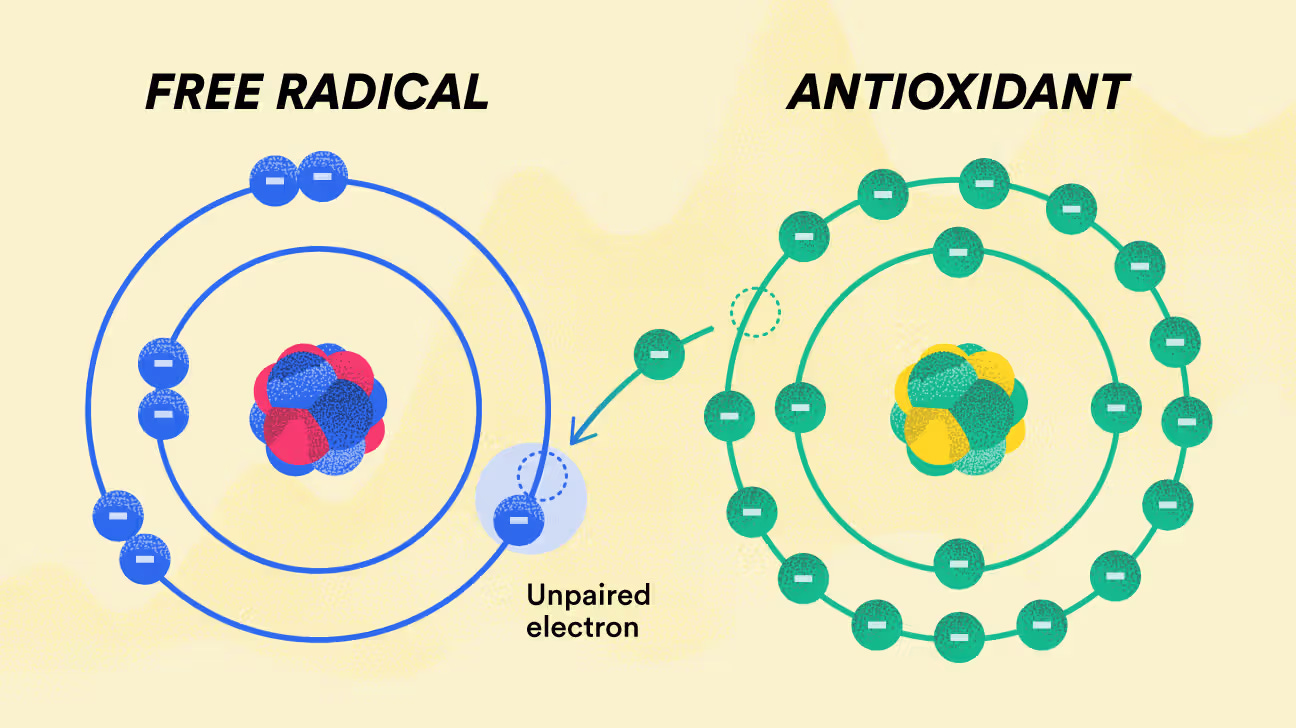
When there are more free radicals than your body can effectively manage, it can lead to oxidative stress.
In your skin, that oxidative stress can contribute to damage involving collagen and other structures that help keep your skin looking healthy.
Antioxidants help by neutralizing free radicals before they can cause as much damage.
You’ll find antioxidants in all kinds of skincare products, but some of the most common ones include vitamin C, vitamin E, ferulic acid, green tea, and niacinamide.
We’ll get into each of those later, but first it helps to understand what free radicals are actually doing to your skin.
What Are Free Radicals and Oxidative Stress?
Free radicals are unstable molecules with an unpaired electron, which makes them highly reactive.
To become more stable, they can react with other molecules in your skin and set off a chain of reactions that damages cells.
When free radical production overwhelms your skin’s natural antioxidant defenses, this is known as oxidative stress.
Your skin is exposed to free radicals from several sources, including:
UV radiation
Air pollution
Cigarette smoke
Normal processes happening within the body
Over time, oxidative stress can contribute to collagen breakdown, changes in pigmentation, and other signs of skin aging.
This is where antioxidants come in.
They help interrupt these reactions and strengthen your skin’s defenses against oxidative damage.
Benefits of Antioxidants for Your Skin
The biggest reason I like antioxidants is that they give your skin an extra layer of support against the environmental stress it deals with every day.
Depending on the antioxidant you’re using, the benefits can include:
Protecting against oxidative stress: Antioxidants help neutralize free radicals before they can cause more damage to your skin.
Supporting collagen: By helping limit oxidative damage, antioxidants can help protect the collagen that keeps your skin looking firm and smooth. Some, like vitamin C, also play a role in collagen production.
Brightening uneven skin tone: Certain antioxidants, especially vitamin C, can help with hyperpigmentation and dark spots over time.
Calming inflammation: Antioxidants such as green tea and niacinamide can also have anti-inflammatory effects that may help with redness and irritation.
Not every antioxidant does all of these things equally, which is why I think it’s more useful to look at the individual ingredients rather than treating “antioxidants” as one big category.
So let’s get into the ones I actually look for in skincare.
5 Best Antioxidants to Look for in Skincare
There are plenty of antioxidants used in skincare, but these are some of the ones you’ll see most often.
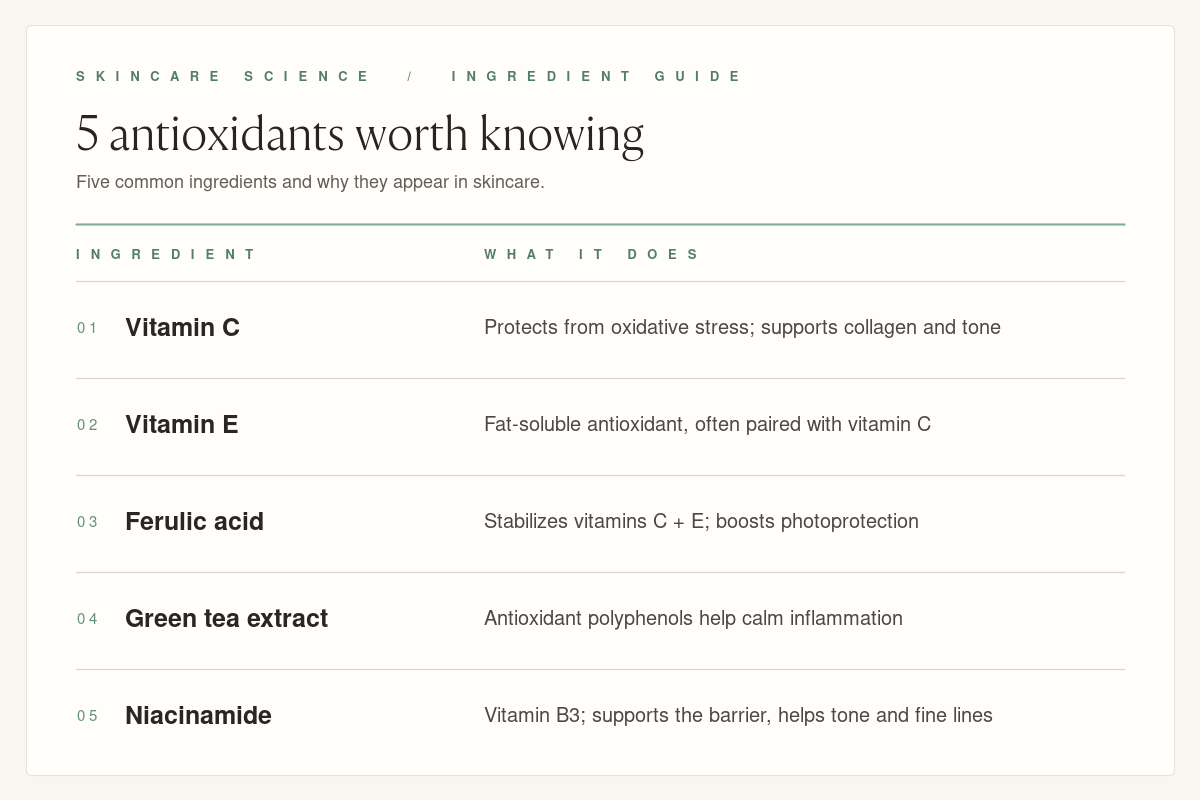
Vitamin C: Helps protect against oxidative stress, supports collagen production, and can help with uneven skin tone. Research also supports its role in photoprotection and skin aging.
Vitamin E: A fat-soluble antioxidant that helps protect your skin against oxidative stress. Research has also explored its photoprotective properties, and you’ll often see it combined with vitamin C in antioxidant formulas.
Ferulic Acid: Often paired with vitamins C and E because it can help stabilize the combination. In one study, adding ferulic acid to a topical vitamin C and E formula improved its stability and doubled its measured photoprotection.
Green Tea Extract: Rich in antioxidant polyphenols and has anti-inflammatory properties that can help calm the skin. Research has explored the protective effects of green tea polyphenols in the skin, including their antioxidant and anti-inflammatory activity.
Niacinamide: A form of vitamin B3 that supports the skin barrier and can help with uneven skin tone and the appearance of fine lines. A review of the research found clinical evidence supporting several benefits of topical niacinamide, including improvements in fine lines, wrinkles, and hyperpigmentation.
If you’re interested in learning more about vitamin C, check out 10 Vitamin C Serums You Should Know About and How Long Does Vitamin C Serum Last? A Complete Guide.
How to Incorporate Antioxidants into Your Routine
Step-by-Step Guide
Adding antioxidants to your routine doesn’t have to make it more complicated.
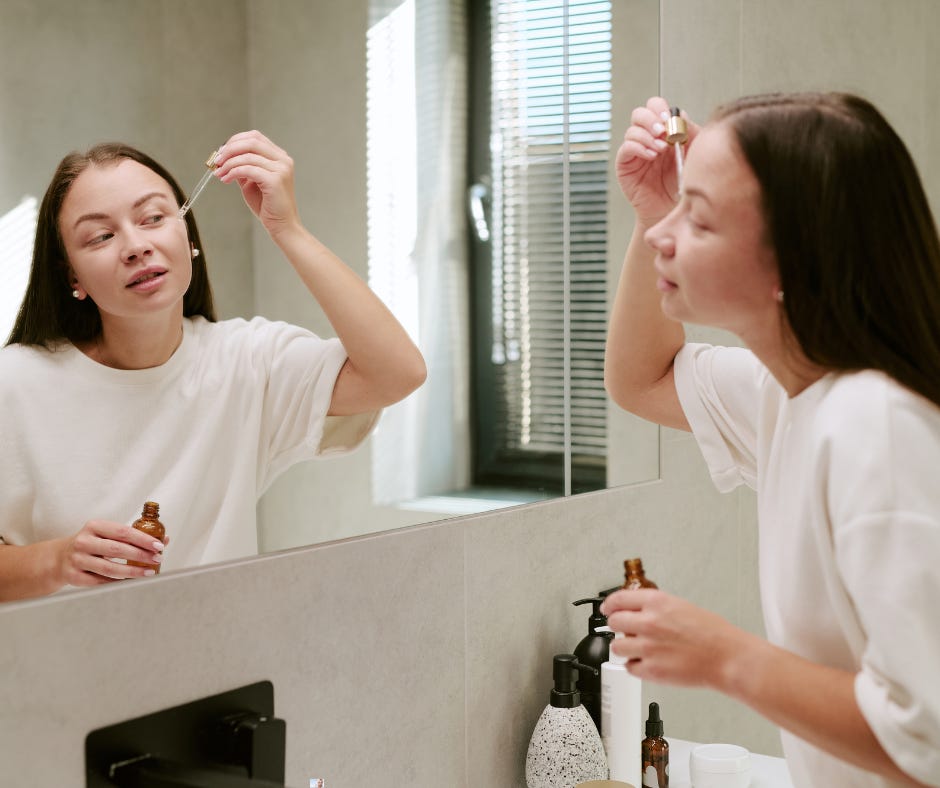
If you’re using an antioxidant serum, here’s where I’d typically put it in a morning routine:
Cleanse: Start with your usual cleanser.
Antioxidant Serum: Apply your antioxidant serum, such as vitamin C, to clean, dry skin.
Moisturize: Follow with your moisturizer. You may already be getting additional antioxidants here if your formula contains ingredients like niacinamide or green tea.
Sunscreen: Finish with a broad-spectrum SPF 30 or higher.
You also don’t need a separate product for every antioxidant.
A single formula may already contain several, like vitamin C, vitamin E, and ferulic acid.
And while antioxidants can help support your skin against oxidative damage, they don’t replace sunscreen.
Think of them as an additional layer of support in your morning routine.
What about at night? I usually switch things up based on what I’m trying to address. For example, I tend to use a vitamin C serum in the morning, then use tretinoin and copper peptides at night.
My Favorite Antioxidant Skincare Products
Here are some antioxidant-rich products to consider based on your skin type:
For Oily Skin
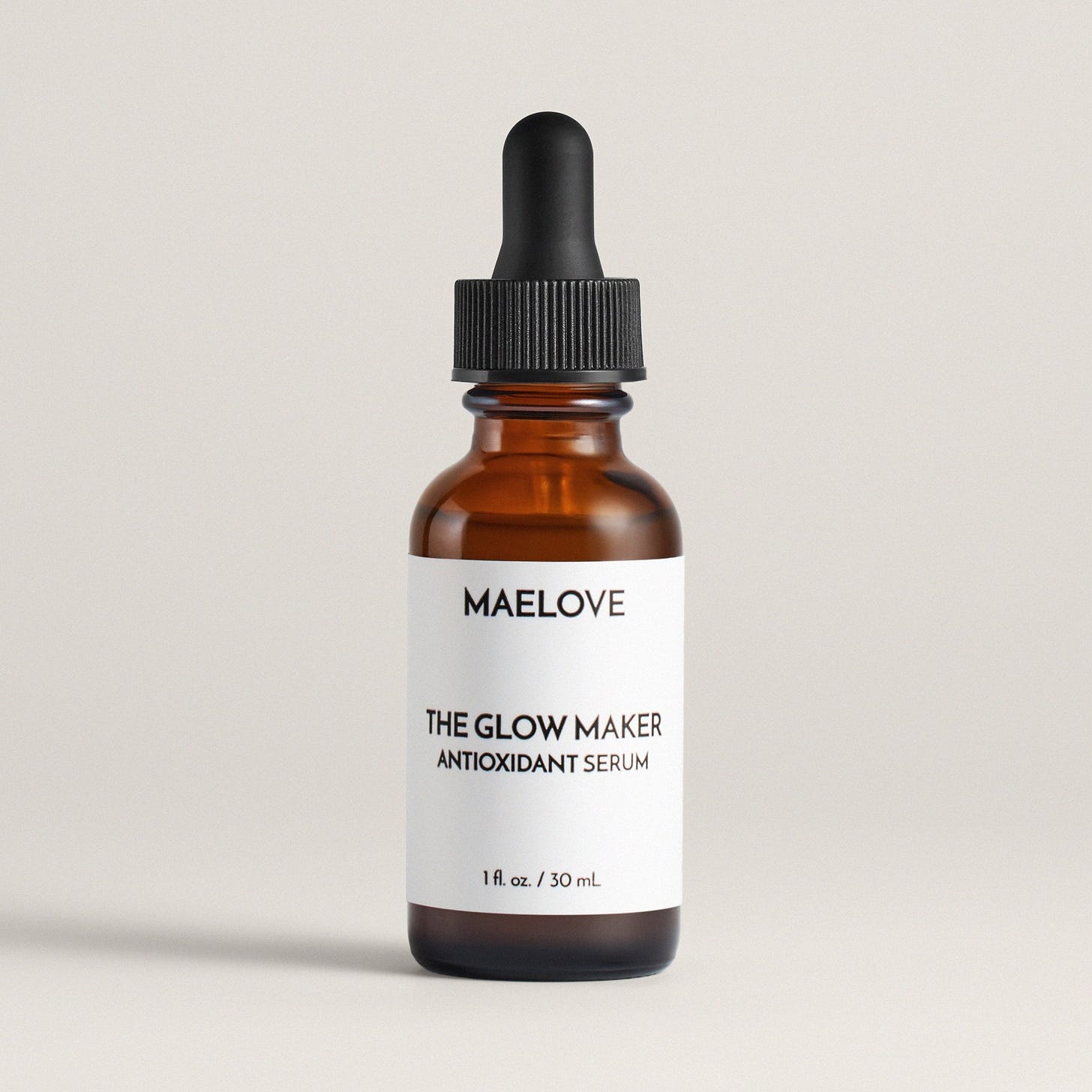
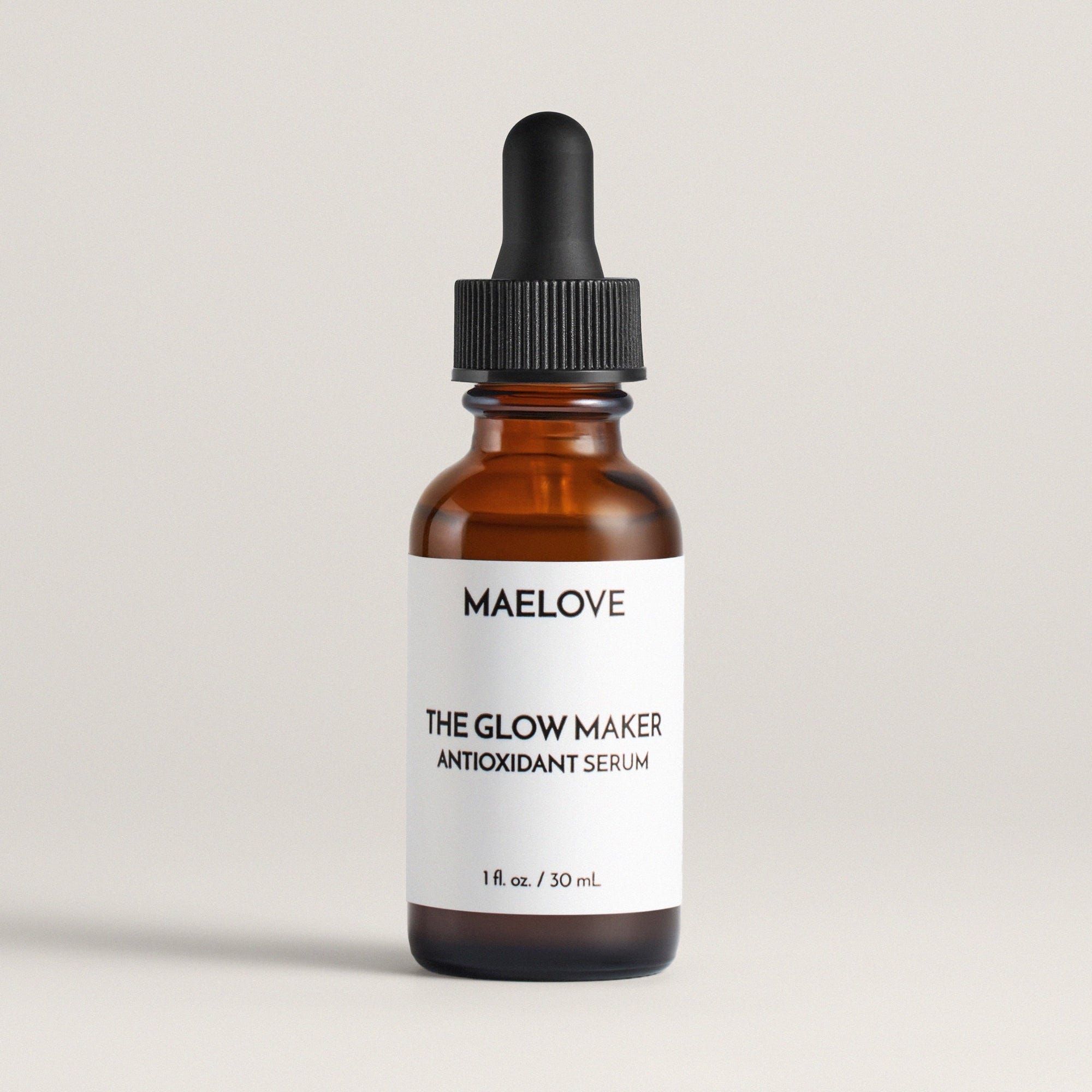
MaeLove Glow Maker: A lightweight antioxidant serum with vitamin C, vitamin E, and ferulic acid that absorbs quickly without leaving an unpleasant residue.
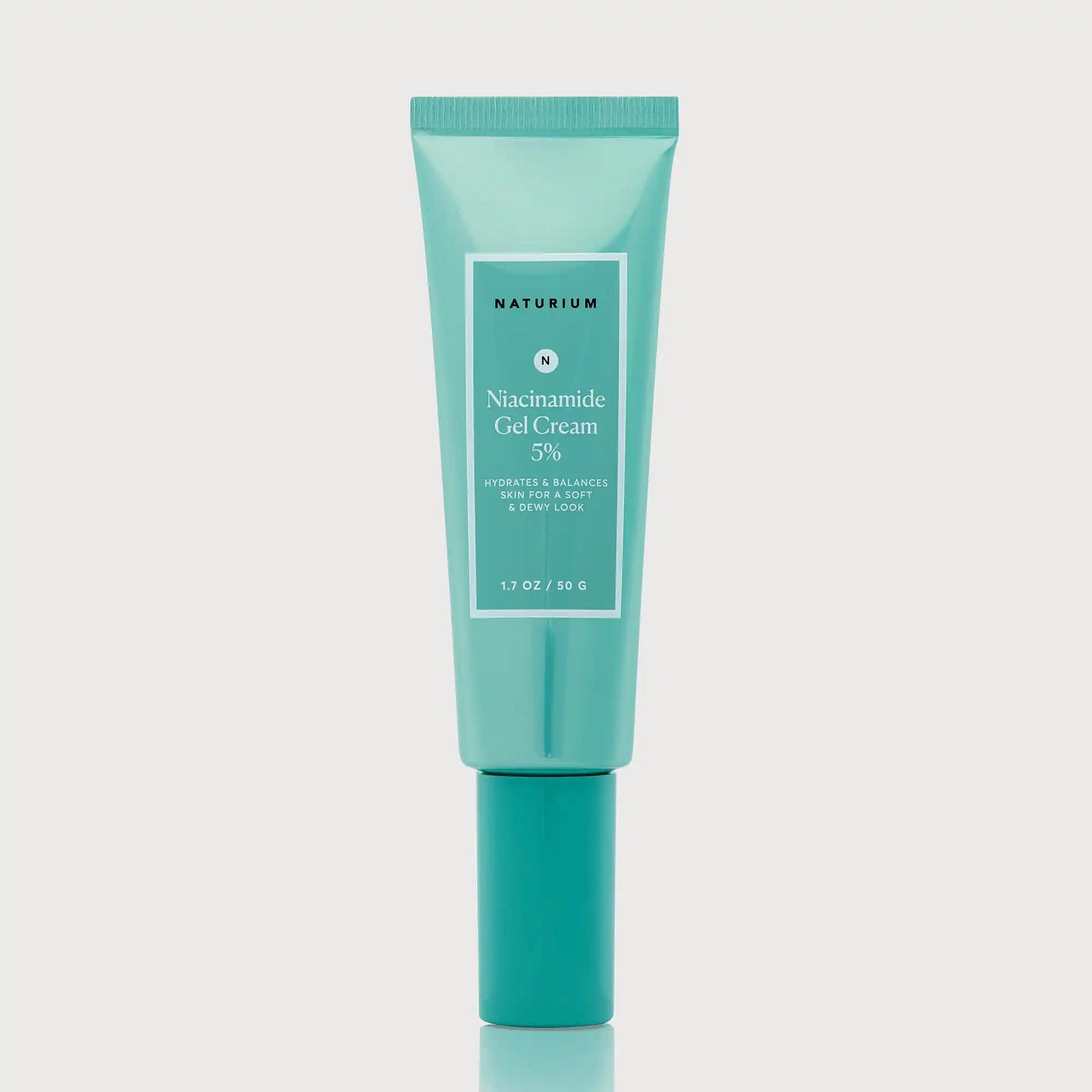
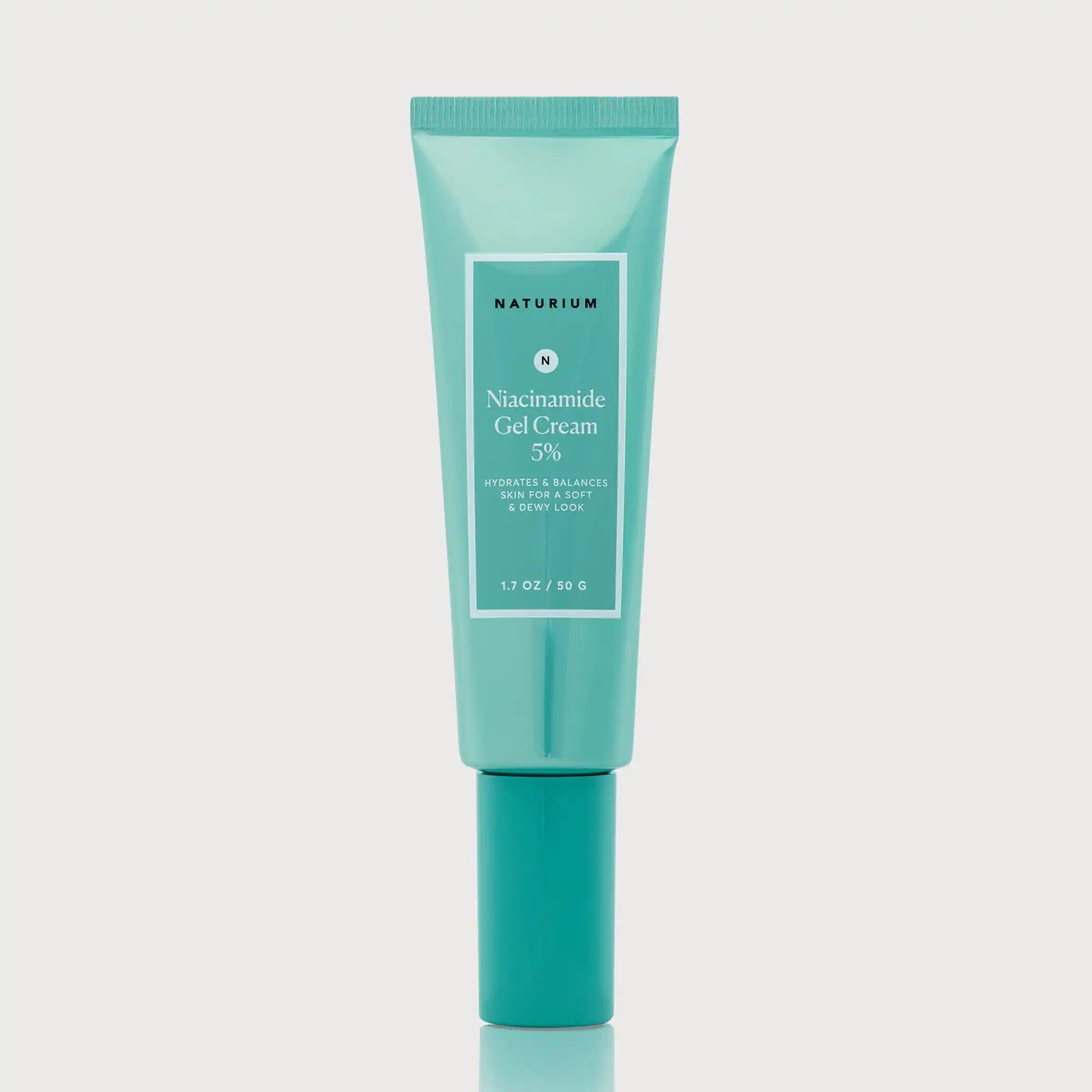
Naturium Niacinamide Gel Cream 5%: A lightweight gel moisturizer with 5% niacinamide that helps balance hydration and reduce the appearance of pores without feeling heavy on the skin.
For Dry Skin
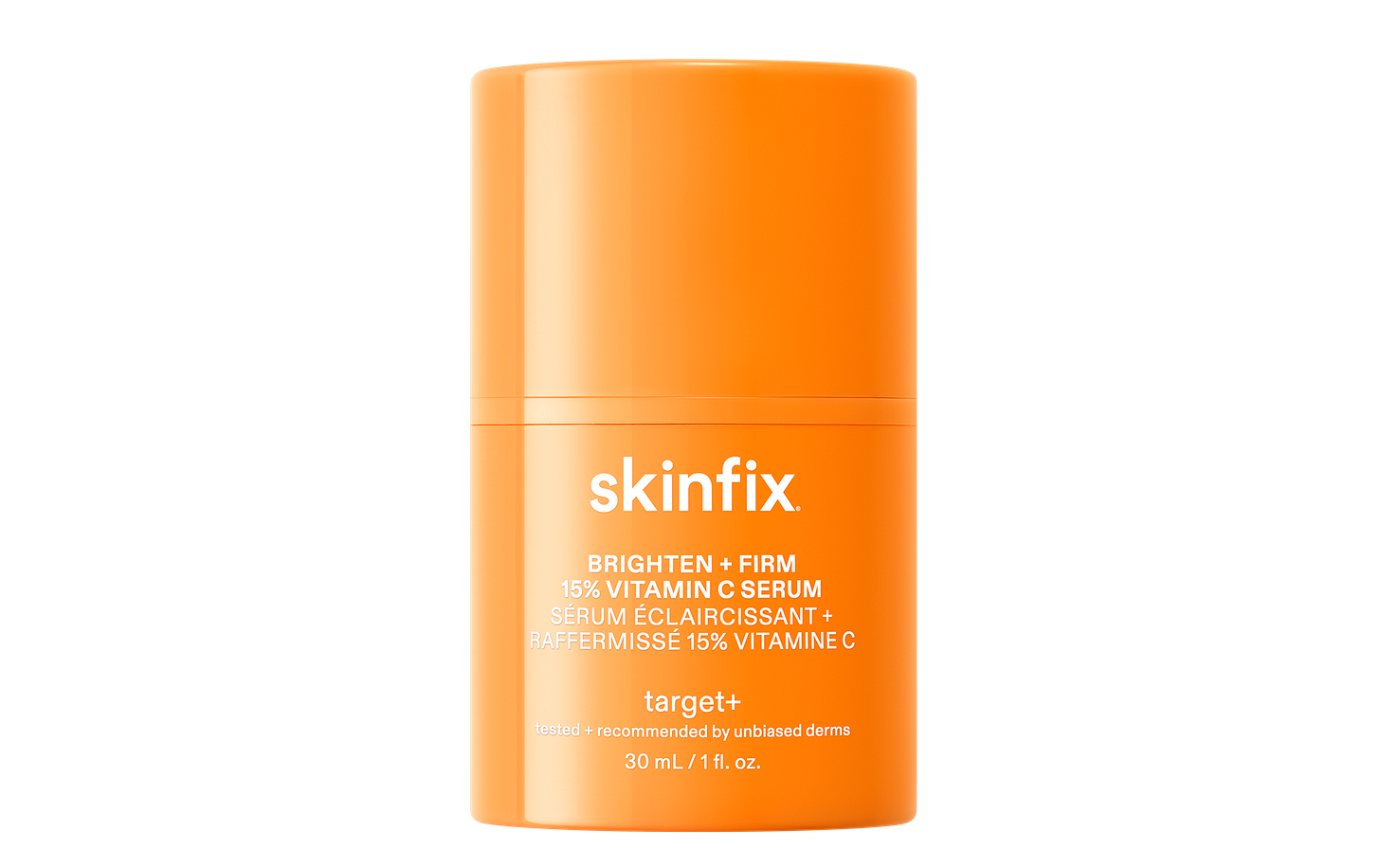
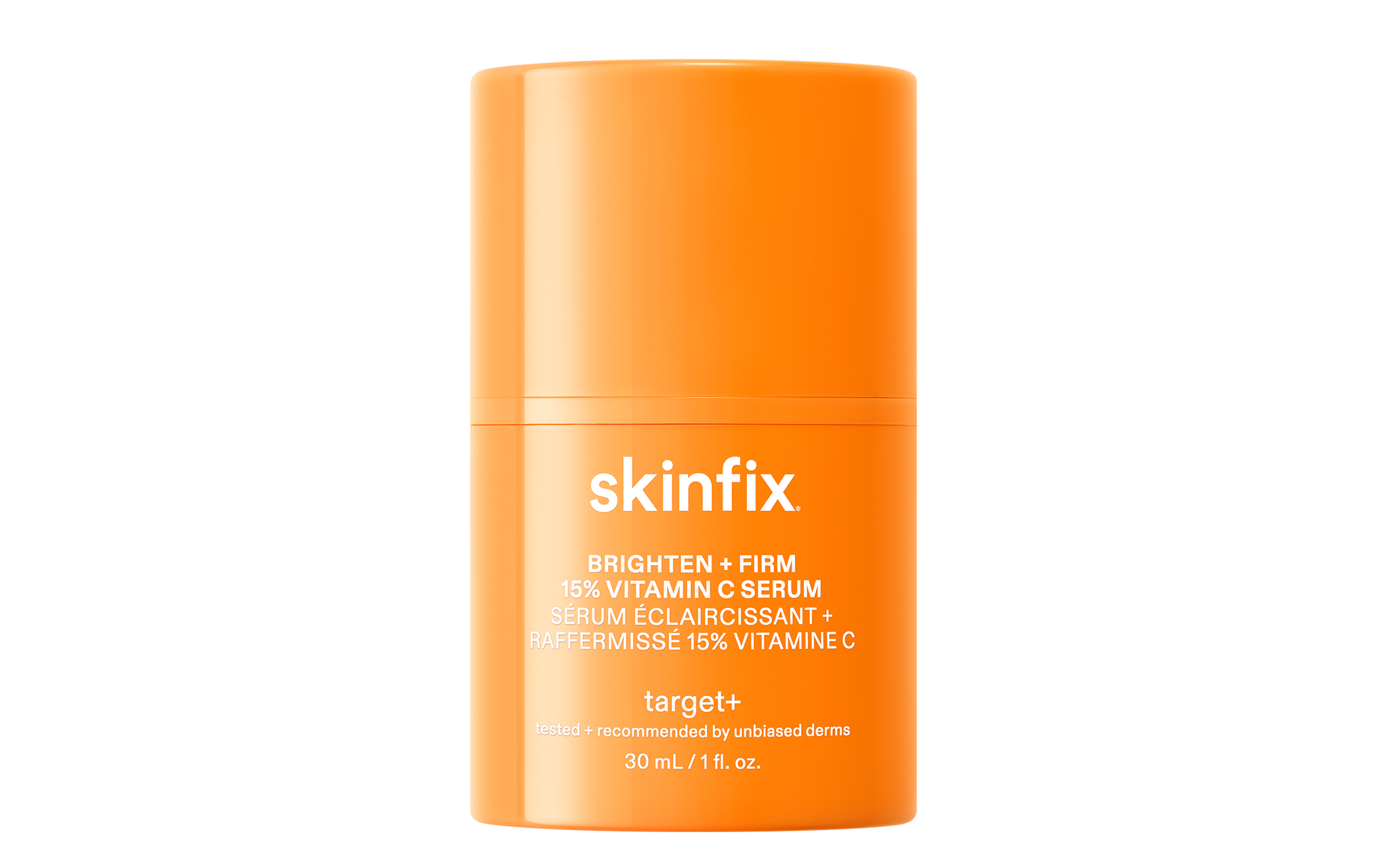
Skinfix Brighten + Firm 15% Vitamin C Serum: A hydrating vitamin C serum with 15% THD ascorbate and peptides that helps brighten dark spots and support firmer-looking skin.
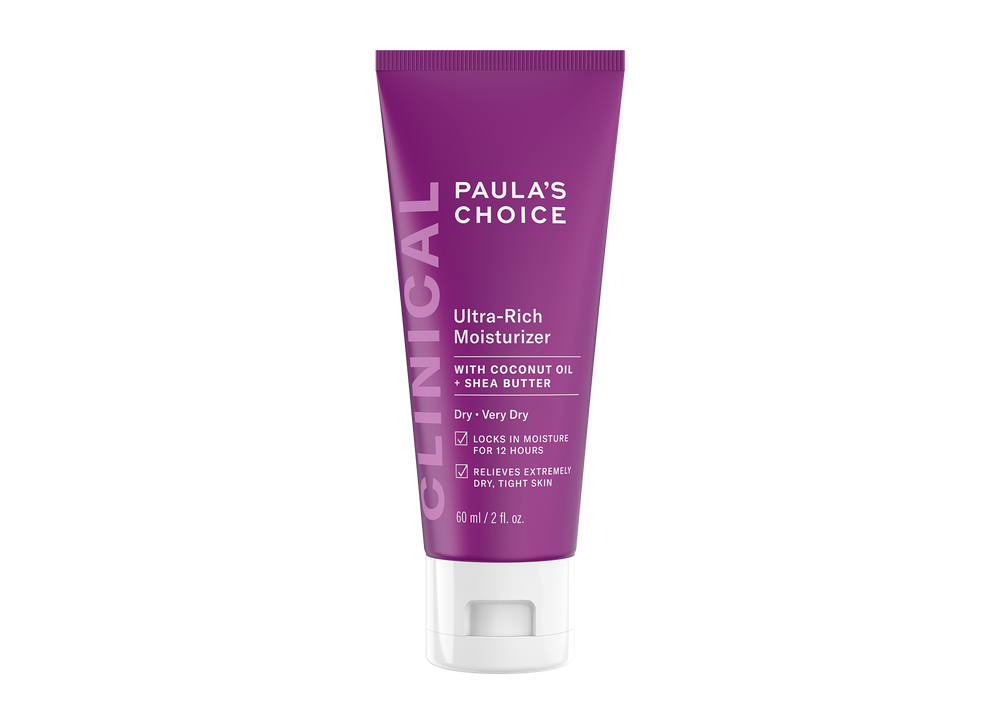
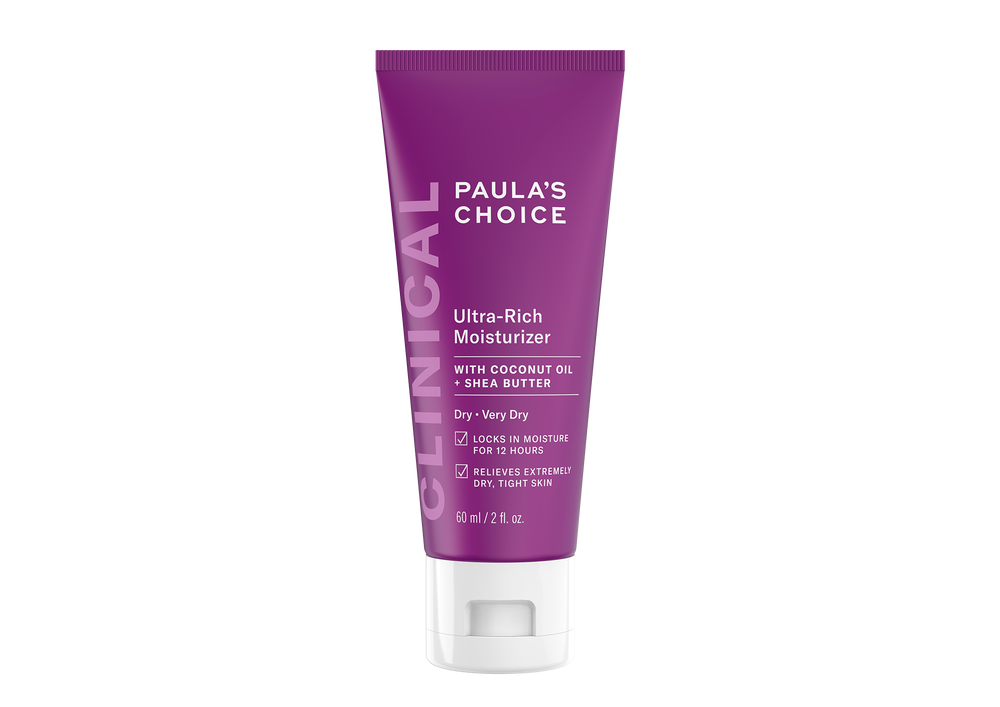
Paula’s Choice Ultra-Rich Moisturizer: A rich moisturizer with nourishing plant oils and antioxidants that helps relieve dryness and keep dry to very dry skin soft and hydrated.
For Sensitive Skin
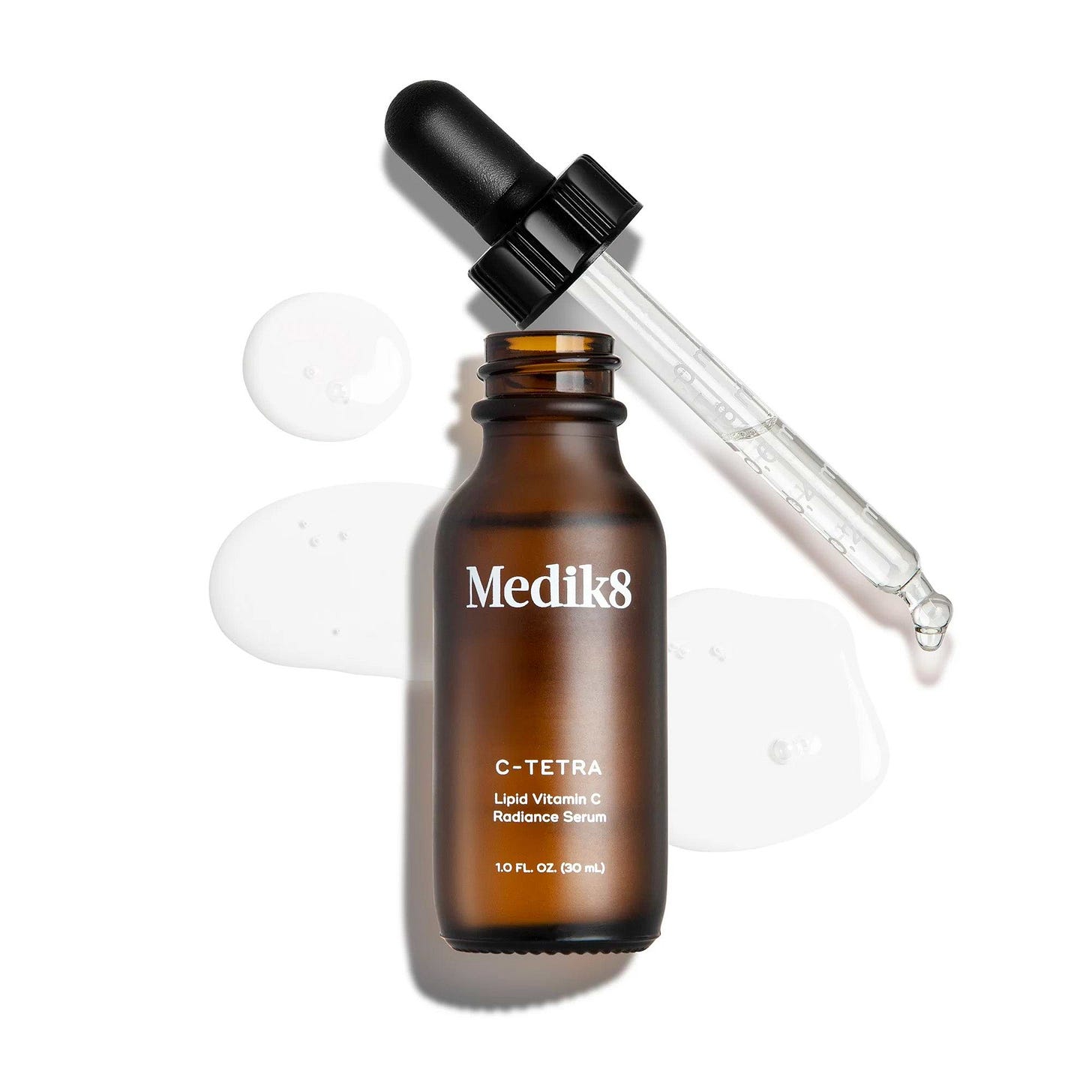
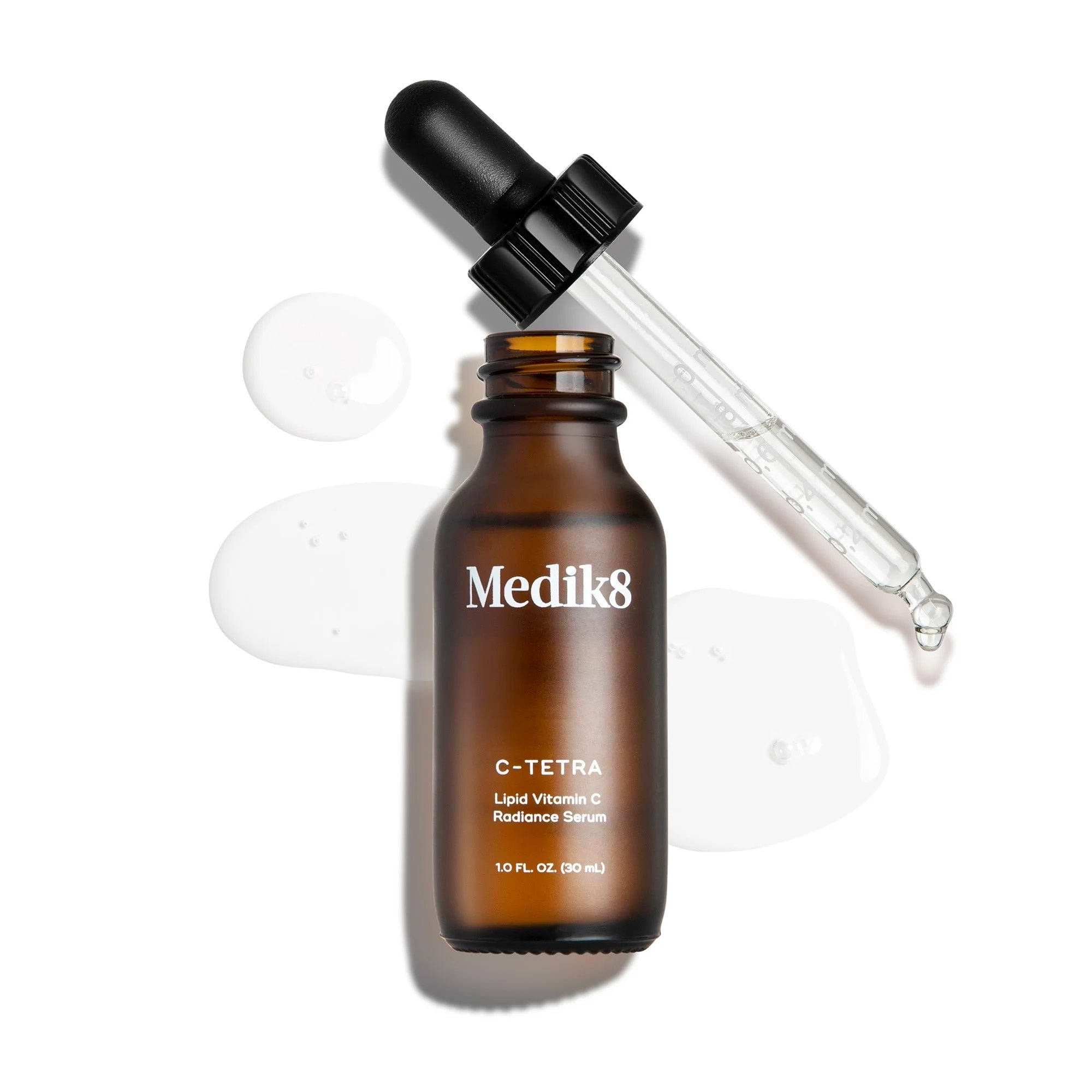
Medik8 C-Tetra: A gentle antioxidant serum with 7% lipid-soluble vitamin C and vitamin E that helps brighten and even skin tone, making it a good option for sensitive skin or anyone new to vitamin C.
Korres Greek Yogurt Cream: A soothing, hydrating moisturizer with Greek yoghurt, aloe, and vitamin E that helps comfort sensitive skin.

Final Thoughts
Antioxidants are one of those things I think are worth having somewhere in your routine, but you don’t need to overthink them.
For me, that usually means vitamin C in the morning, followed by moisturizer and sunscreen.
But if vitamin C doesn’t work well for your skin, there are plenty of other ways to get antioxidants into your routine.
The best option is ultimately the one that works well with your skin and the products you’re already using.
Cheers,