

If you’ve been prescribed tretinoin or recently added azelaic acid to your routine, you’ve probably wondered whether it’s safe to use them together.
The short answer is yes, but it depends on how you introduce them.
Both ingredients are backed by research and can help improve concerns like acne, post-inflammatory hyperpigmentation, rosacea, uneven skin texture, and signs of aging.
The downside is that they’re also capable of causing dryness and irritation, especially if your skin isn’t used to active ingredients.
Using them together isn’t necessarily a bad idea, but it’s something you want to approach carefully.
In this article, I’ll explain how tretinoin and azelaic acid work, whether they’re safe to combine, what the research says, and how to build a routine that helps you get the benefits while minimizing irritation.
What is tretinoin?
Tretinoin is a prescription retinoid derived from vitamin A.
While it’s best known as an acne treatment, it’s also one of the most well-studied topical ingredients for improving fine lines, uneven skin texture, and other visible signs of photoaging.
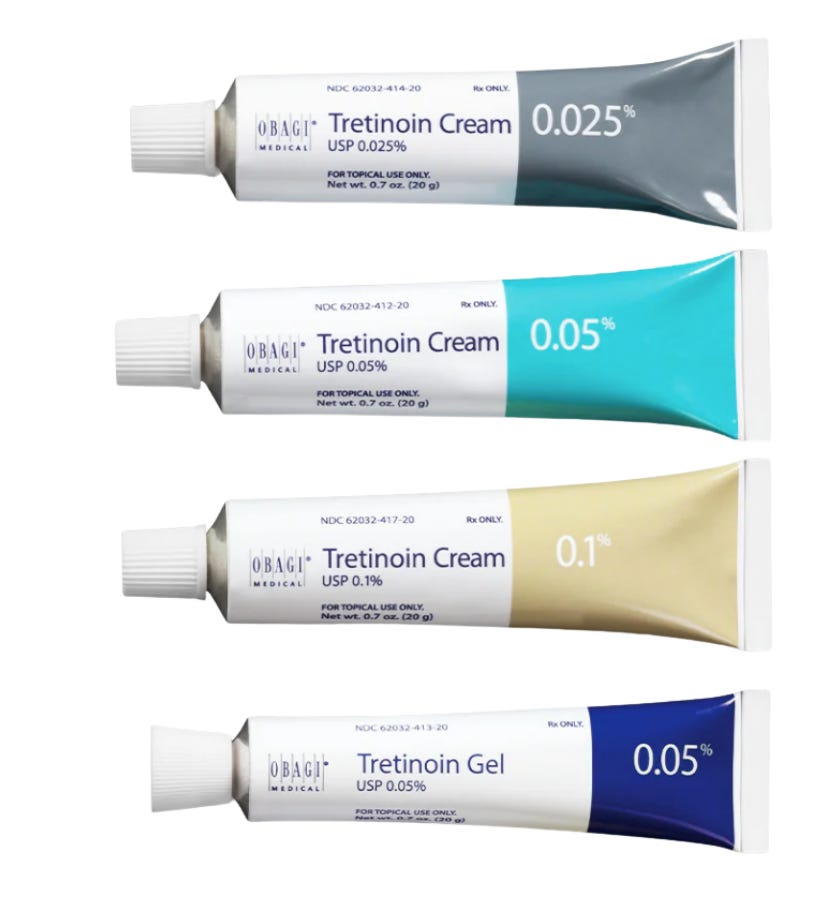
It works by speeding up skin cell turnover and stimulating collagen production.
As older skin cells are replaced with new ones, you’ll typically notice smoother skin, fewer clogged pores, and gradual improvements in acne marks and overall skin texture.
Research shows tretinoin can help:
Treat acne
Improve fine lines and wrinkles
Stimulate collagen production
Smooth uneven skin texture
Fade post-inflammatory hyperpigmentation
Help regulate excess oil production
Unlike retinol, tretinoin requires a prescription in many countries.
Its higher strength is part of what makes it so effective, but it also means your skin may need time to adjust, especially during the first few weeks of use.
A quick note: If seeing a dermatologist isn't practical for you, online telehealth services like UluRX can make getting a tretinoin prescription much more convenient. They also offer customized formulas, which can combine ingredients like tretinoin with other actives depending on your skin's needs.
Potential Side Effects of Tretinoin
It’s completely normal to experience some irritation when you first start using tretinoin.
During the first few weeks, you may notice:
Dryness
Flaking or peeling
Redness
Mild irritation or itching
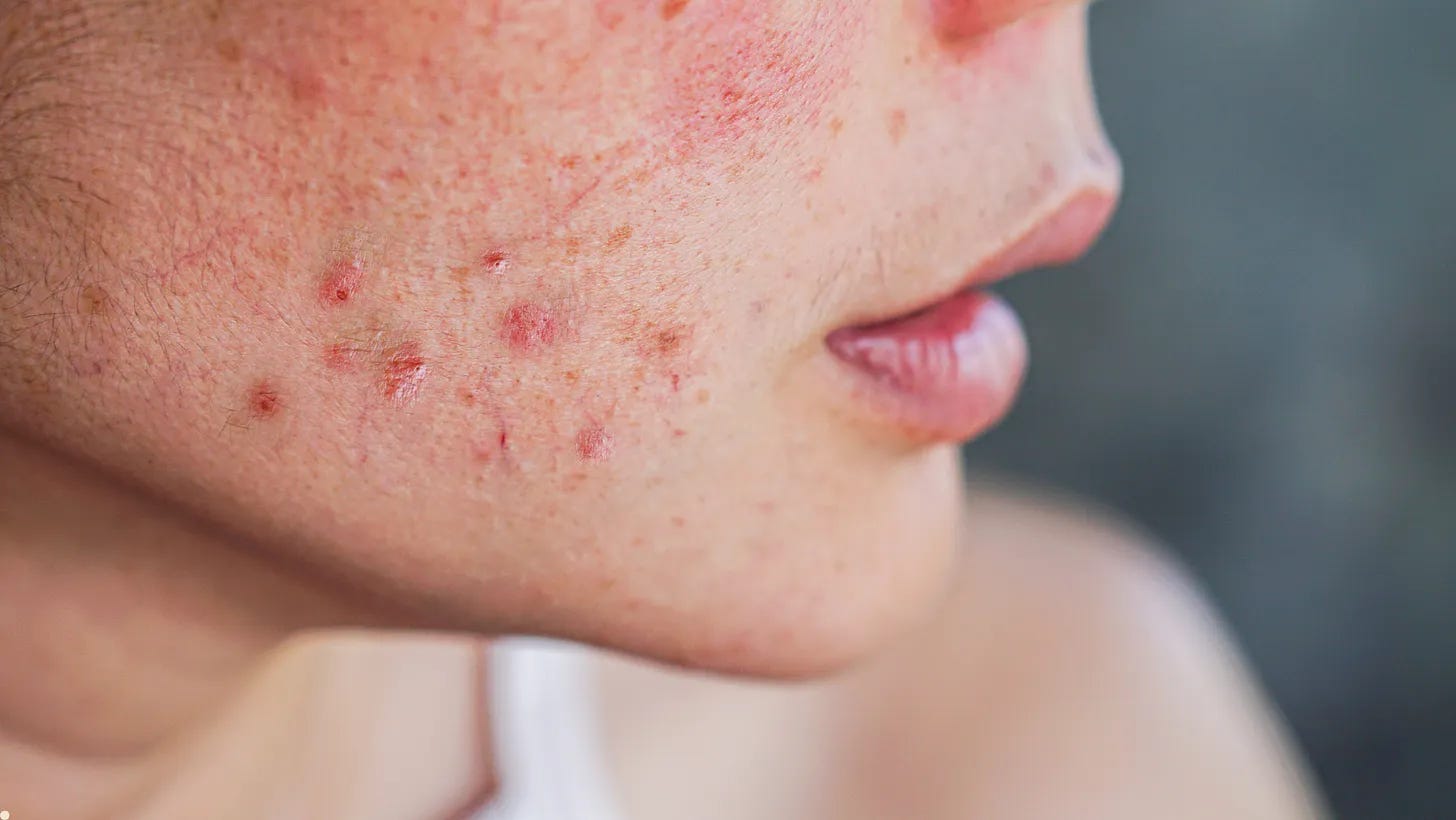
For most people, these side effects improve as the skin builds tolerance.
The key is to introduce tretinoin gradually rather than using it every night from the start.
If you experience persistent dryness or irritation, don’t worry.
In the next section, I’ll show you how to introduce tretinoin and azelaic acid into your routine while minimizing these side effects.
What is azelaic acid?
If you’ve never used azelaic acid before, it’s one of those ingredients that doesn’t get as much attention as retinol or vitamin C, but I think it deserves a lot more credit.
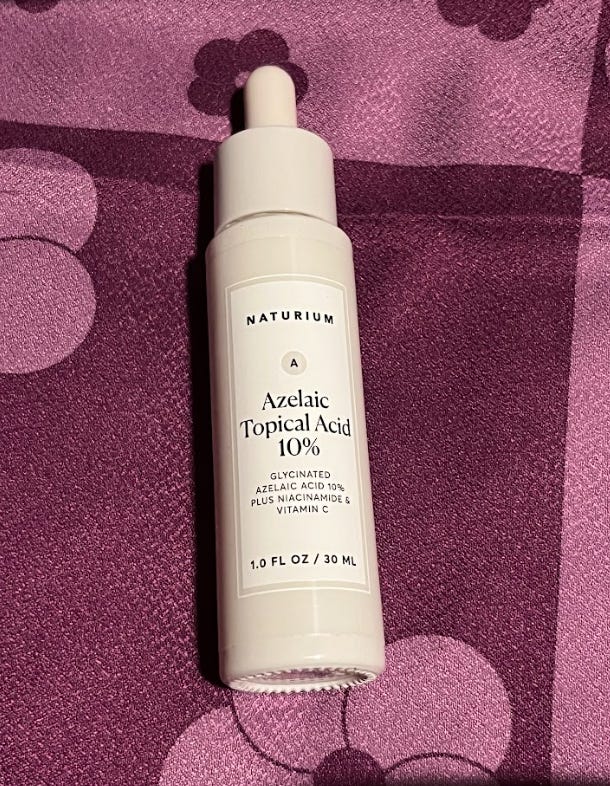
It’s commonly used to treat acne, reduce redness associated with rosacea, fade post-inflammatory hyperpigmentation, and improve uneven skin tone.
Because it can target several concerns at once, it’s one of the most versatile ingredients you can add to a skincare routine.
Azelaic acid works in a few different ways.
It helps reduce acne-causing bacteria, calms inflammation, encourages healthy skin cell turnover, and helps keep pores clear.
Research also suggests it can improve melasma and discoloration left behind after breakouts.
Unlike many acne treatments, azelaic acid is generally well tolerated, even by people with sensitive skin.
It’s available in both prescription-strength formulas and over-the-counter products.
That said, it’s still an active ingredient, so some people experience mild dryness, irritation, or temporary stinging when they first start using it, especially if they’re pairing it with other actives like tretinoin.
Are tretinoin and azelaic acid safe to combine?
Yes, tretinoin and azelaic acid can be used together.
The main thing to keep in mind is that both ingredients can cause dryness and irritation, especially when you’re first starting out.
Although there are limited clinical studies looking specifically at this combination, dermatologists commonly prescribe tretinoin and azelaic acid together because they work in different ways.
Tretinoin helps normalize skin cell turnover and unclog pores, while azelaic acid helps reduce inflammation, target acne-causing bacteria, and fade post-inflammatory hyperpigmentation.
Using both ingredients can help address multiple concerns at once, including acne, post-inflammatory hyperpigmentation, uneven skin tone, and skin texture, but it’s important to introduce them gradually to minimize irritation.
That doesn’t mean everyone should start using both at the same time.
Everyone’s skin is different, so it’s best to introduce them slowly and pay attention to how your skin responds.
If you notice too much dryness or irritation, reduce how often you use them until your skin adjusts.
How to Introduce Tretinoin and Azelaic Acid
Tretinoin and azelaic acid can work well together, but it’s best to introduce them slowly to
