

Toners are used to cleanse your skin and balance your pH, while serums are used to deliver high concentrations of active ingredients to treat specific skin concerns.
Generally, toners are applied after cleansing. You then follow with a serum and moisturizer suited to your skin type.
Both products have a place in your routine and can help address concerns such as:
Toner and Serum Benefits
Dryness and dehydration
Dark spots
Clogged pores
In this article, I’ll explain everything you need to know about toners, serums, and how to use them correctly in your skincare routine.
What is a toner?
Toners are skincare products you use after cleansing and before moisturizing.
They help remove any leftover dirt, oil, or makeup that your cleanser may have missed.
They can also help your skin absorb the products you apply next.
Toners come in different forms, including:
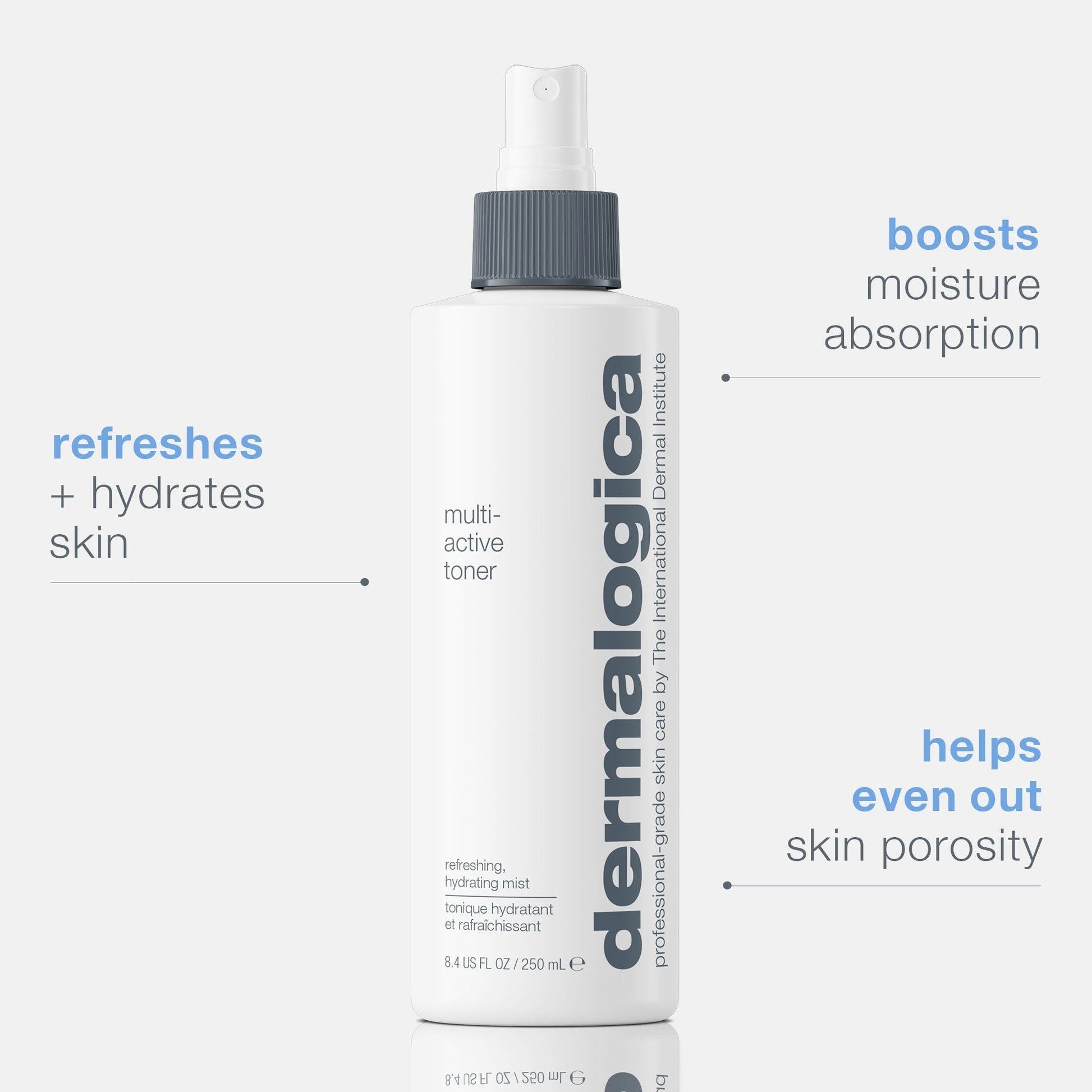
Sprays
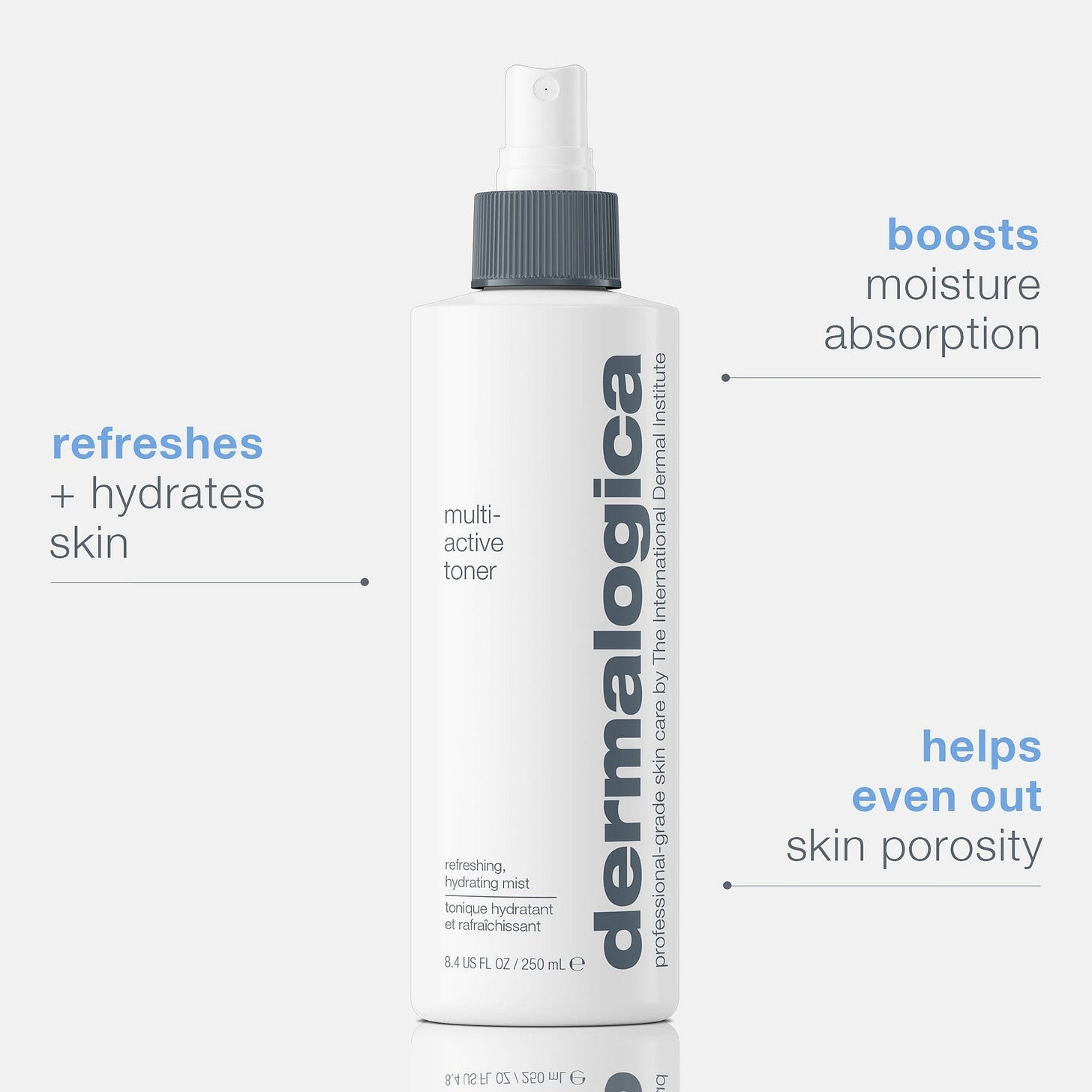
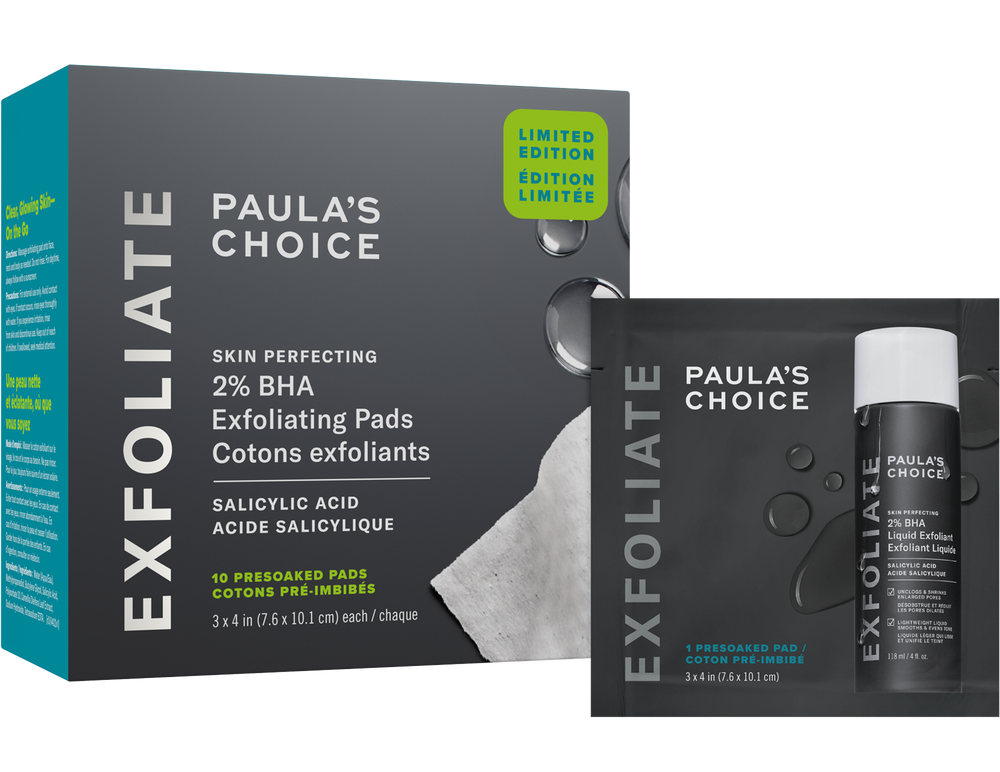
Image from dermalogica.com Pre-soaked pads
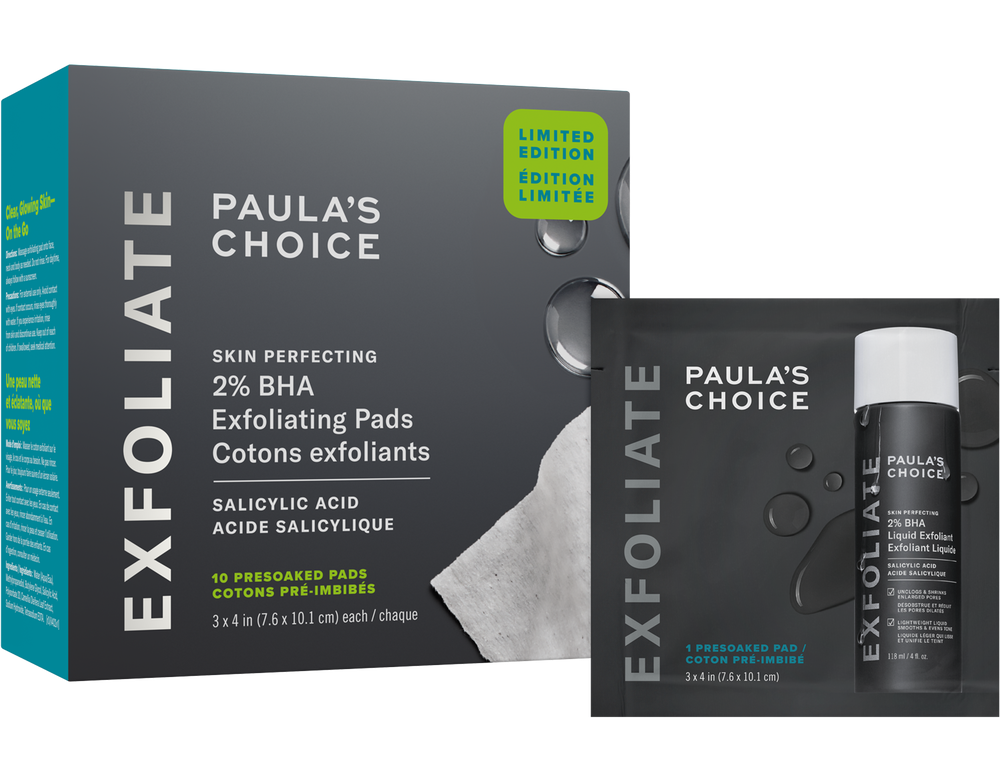
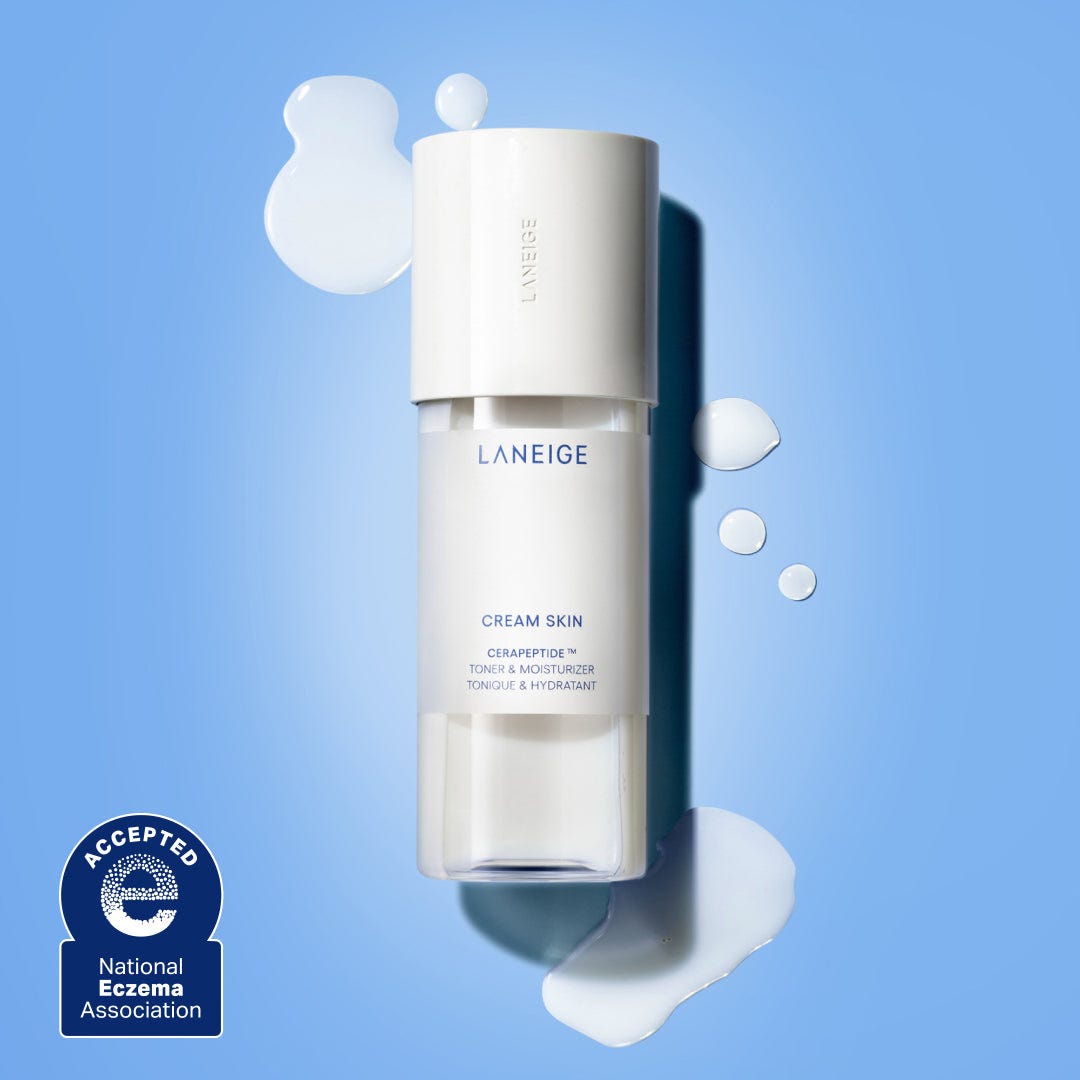
Image from paulaschoice.com Liquid formulas
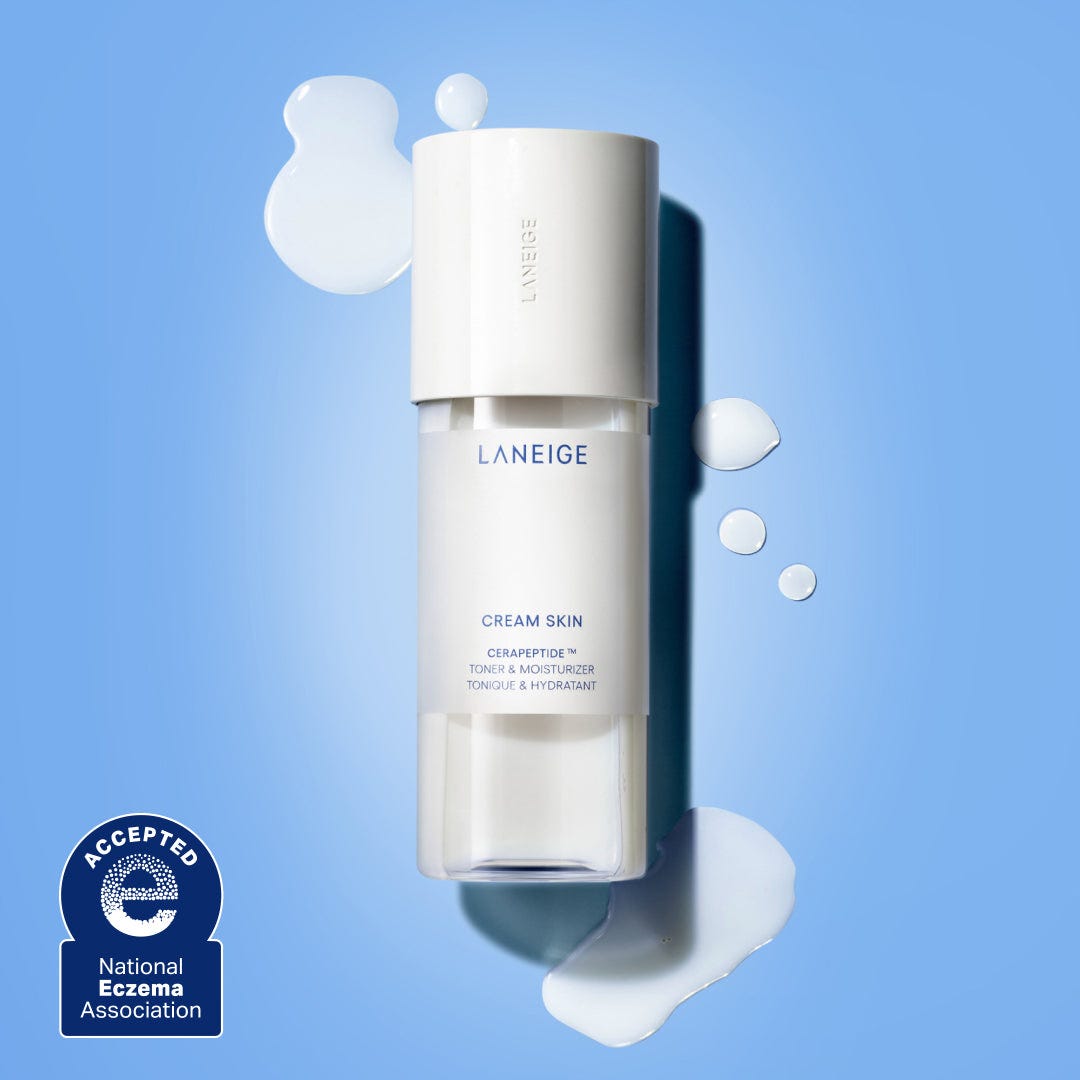
Image from us.laneige.com
In general, it’s best to choose an alcohol-free toner.
Toners with strong astringents can dry out your skin and cause irritation.
That said, toners with ingredients like witch hazel can help control excess oil and soothe razor burn.
How to Apply Toner
You can apply toner in a few different ways:
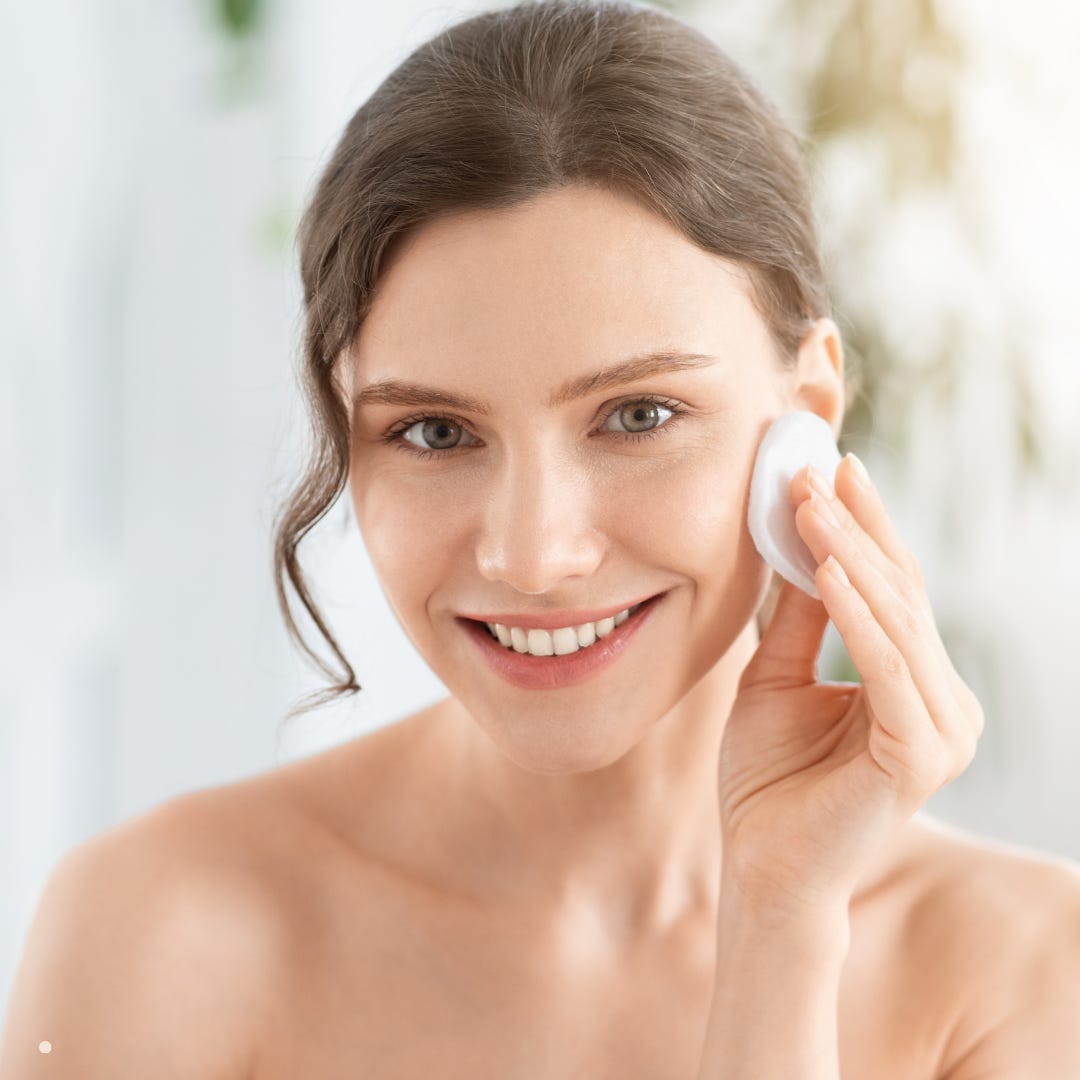
Using a cotton pad
Spraying it directly onto your face
Patting it in with your hands
The method you choose depends on the type of toner you’re using.
For example, if you’re using a toner to remove leftover residue, you may want to wipe it across your skin with a cotton pad.
If you’re using a hydrating toner, it’s better to spray it onto your face or gently pat it into your skin.
No matter which type you use, always follow up with a moisturizer to help prevent dryness or irritation.
Face Toner Benefits
Beyond removing leftover dirt and impurities, toners offer several benefits.
They can help:
Provide hydration
Balance your skin’s pH
Soothe irritation
Remove dead skin cells
You don’t have to use a toner in your skincare routine, but depending on your skin type and concerns, it can be a helpful step.
Providing Skin Hydration
Hydrating toners can help support your skin’s natural moisture barrier.
They’re usually made with ingredients like:
Hyaluronic acid
Sodium hyaluronate
Glycerin
Panthenol
Allantoin
These types of toners are especially helpful for dry or sensitive skin.
They can be used in either your morning or nighttime skincare routine.
Balancing Skin pH
Because certain cleansers and active ingredients can throw off your skin’s natural pH, applying a balancing toner can help protect your skin barrier.
Your skin should sit at about pH 5.5 to support a healthy microbiome.
Soothing Irritation
Toners formulated with calming ingredients like aloe vera and green tea can help reduce redness and irritation.
These ingredients can also support hydration and improve dry skin.
Remove Dead Skin Cells
Toners formulated with beta hydroxy acids like salicylic acid, or alpha hydroxy acids like glycolic acid and lactic acid, can help address specific skin concerns, including:
Textured skin
Removing acne causing bacteria
Reducing clogged pores
These types of toners overlap quite a bit with leave-on chemical exfoliants, and the distinction between the two is not always clear.
People with oily skin types or acne prone skin types can benefits from an exfoliating toner.
Toner before or after moisturizer?
You should apply your face toner before your moisturizers and facial oils.
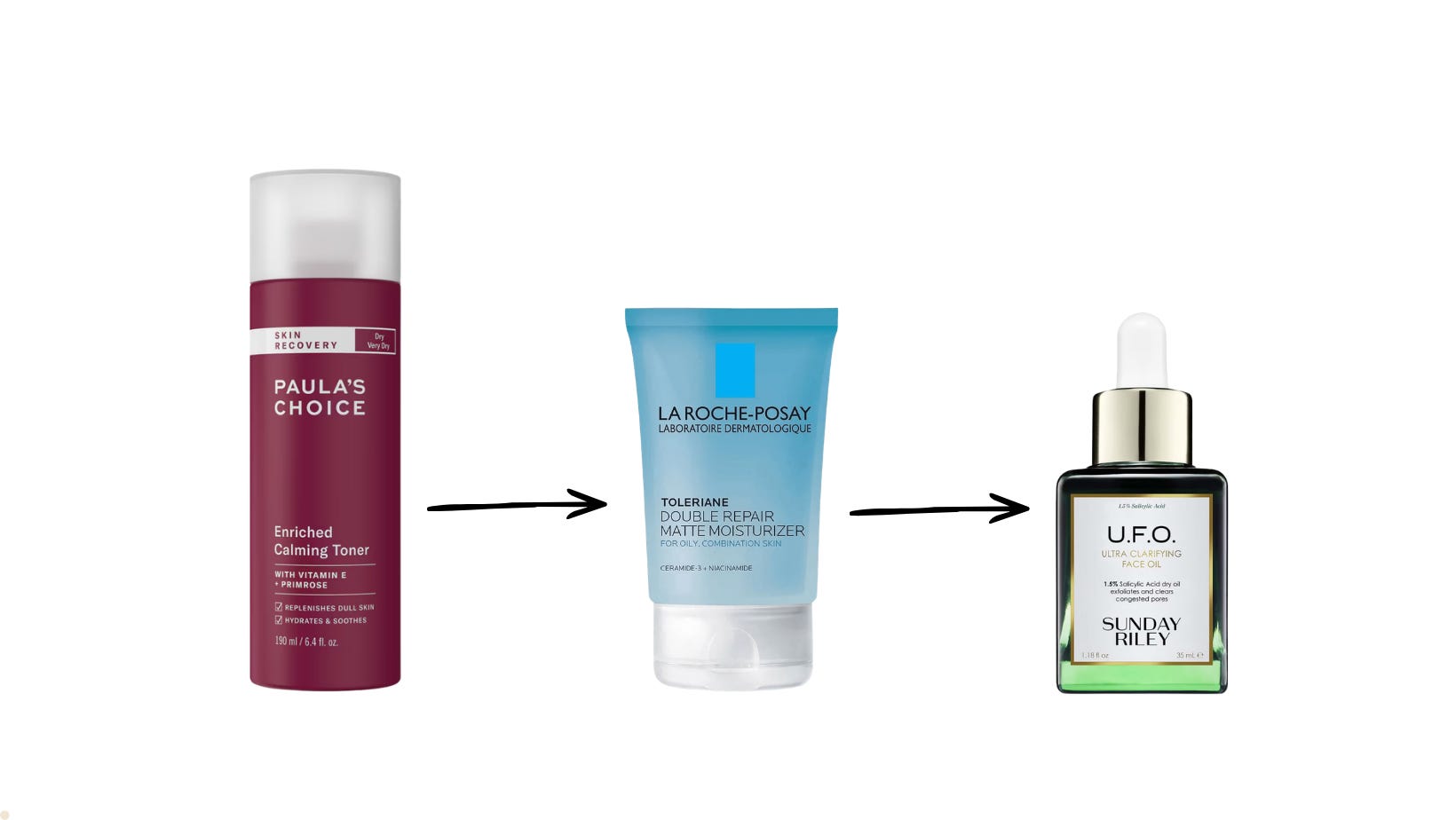
For your general skincare routine order, you always want to apply your products from “thinnest to thickest” and “wateriest to oiliest”.
Toners vs Serums
Unlike serums, toners are far more diluted and do not deliver those higher concentrations of active ingredients that we see in facial serums.
Further, a toner is applied after your cleanser and before your serum.
Your serum is applied after your toner and before your moisturizer in your skincare routine.
Toners are used to further cleanse the skin of impurities and dirt, while serums are used to deliver active ingredients to address specific skin concerns for different skin types.
Depending on your skin type, you may be more suitable for either a toner, a serum, or both.
What is a serum?
Serums are skincare products formulated with concentrated active ingredients used to treat specific skin concerns.
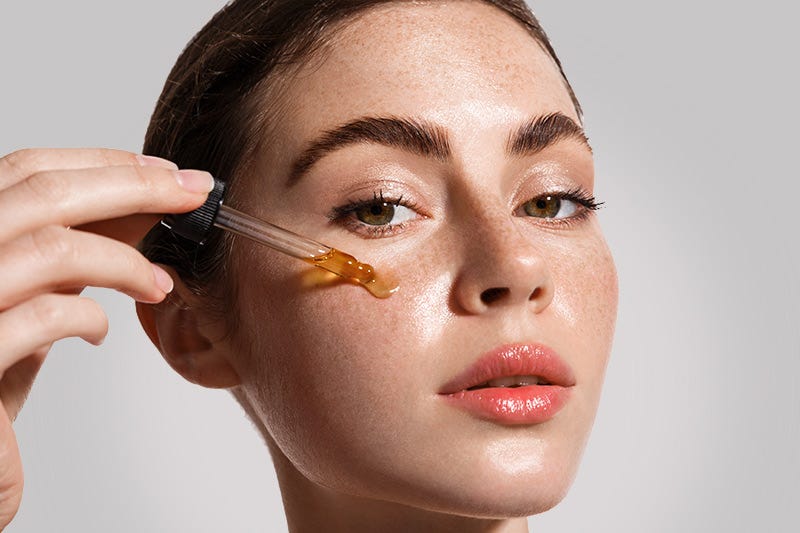
They are commonly formulated with just a few ingredients and are designed to be left on the skin after application.
What does a serum do?
Face serums are used to treat many different skin concerns.
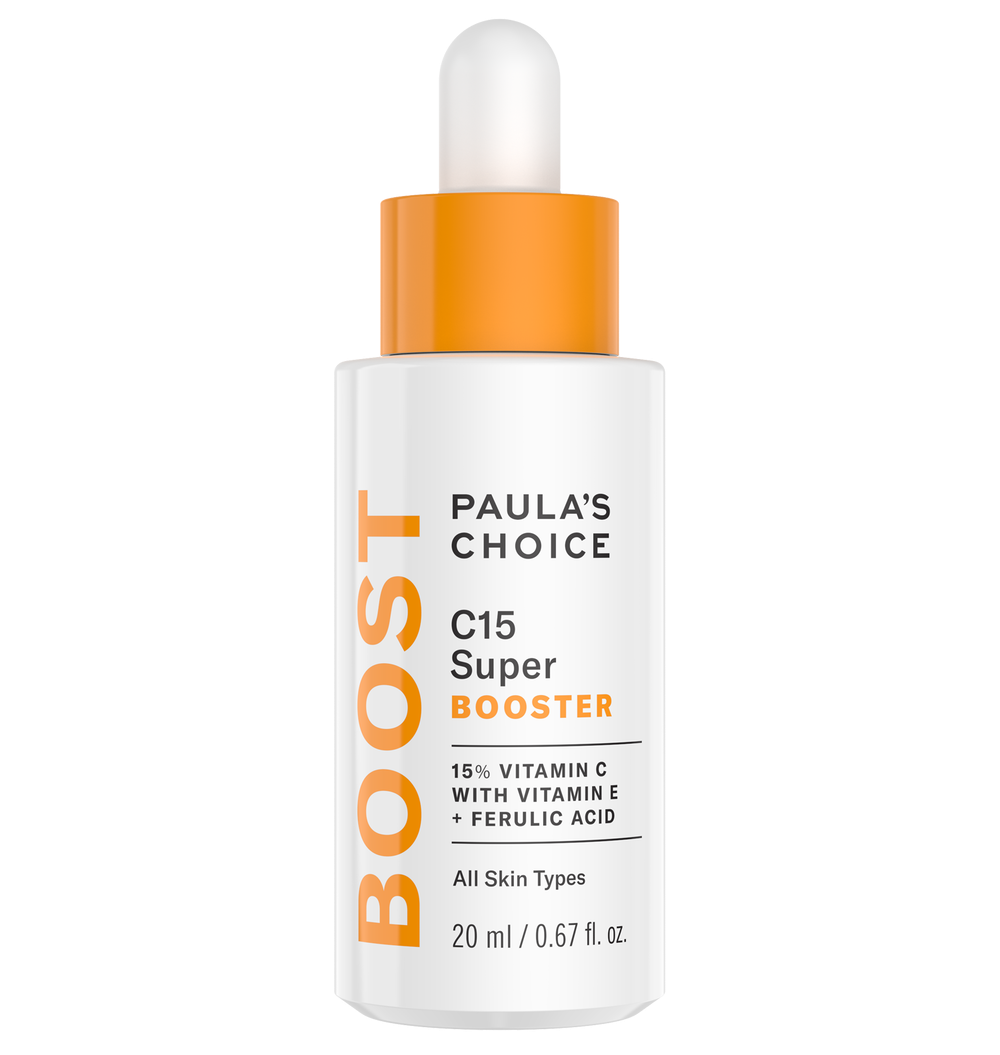
They all deliver high concentrations of active ingredients, but these actives vary.
For example, a hydrating serum formulated with hyaluronic acid and glycerin would be used to directly target dehydrated skin.
Facial Serum Benefits
Depending on the active ingredients included, facial serums can have a number of different benefits for specific skin concerns, including:
Facial Serum Benefits
Excess oil control for acne prone skin
Reducing uneven skin tone and dark spots
Providing antioxidant protection
Improving skin hydration
Fighting sensitive skin concerns
If you have skincare concerns like these, you may benefit from including a serum in your daily skincare routine.
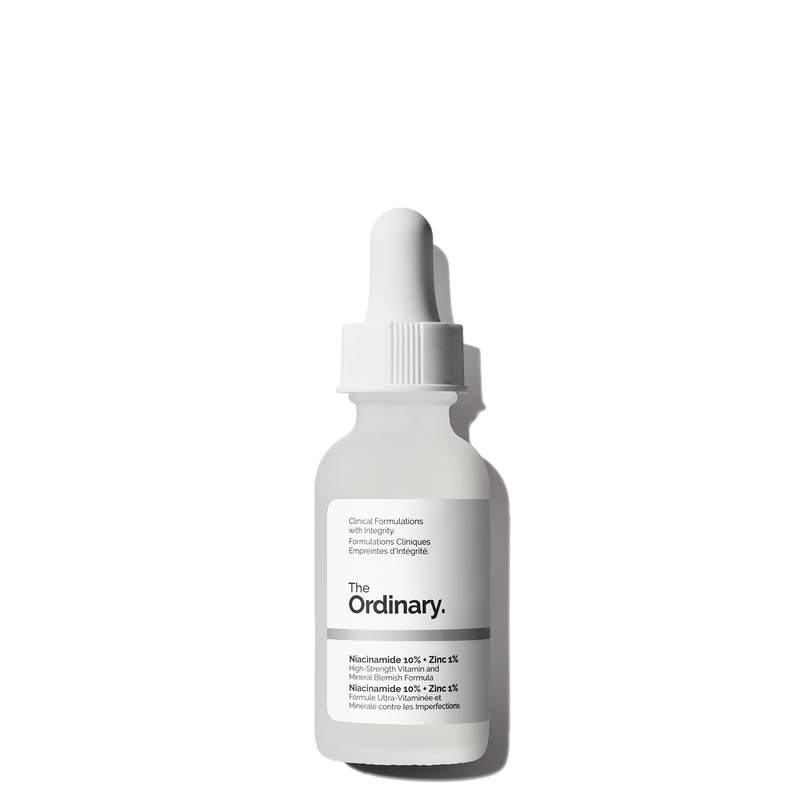
Oil Control
Ingredients like niacinamide and zinc have been proven to help control excess oil production and reduce the appearance of large pores.
Fighting Uneven Skin Tone and Dark Spots
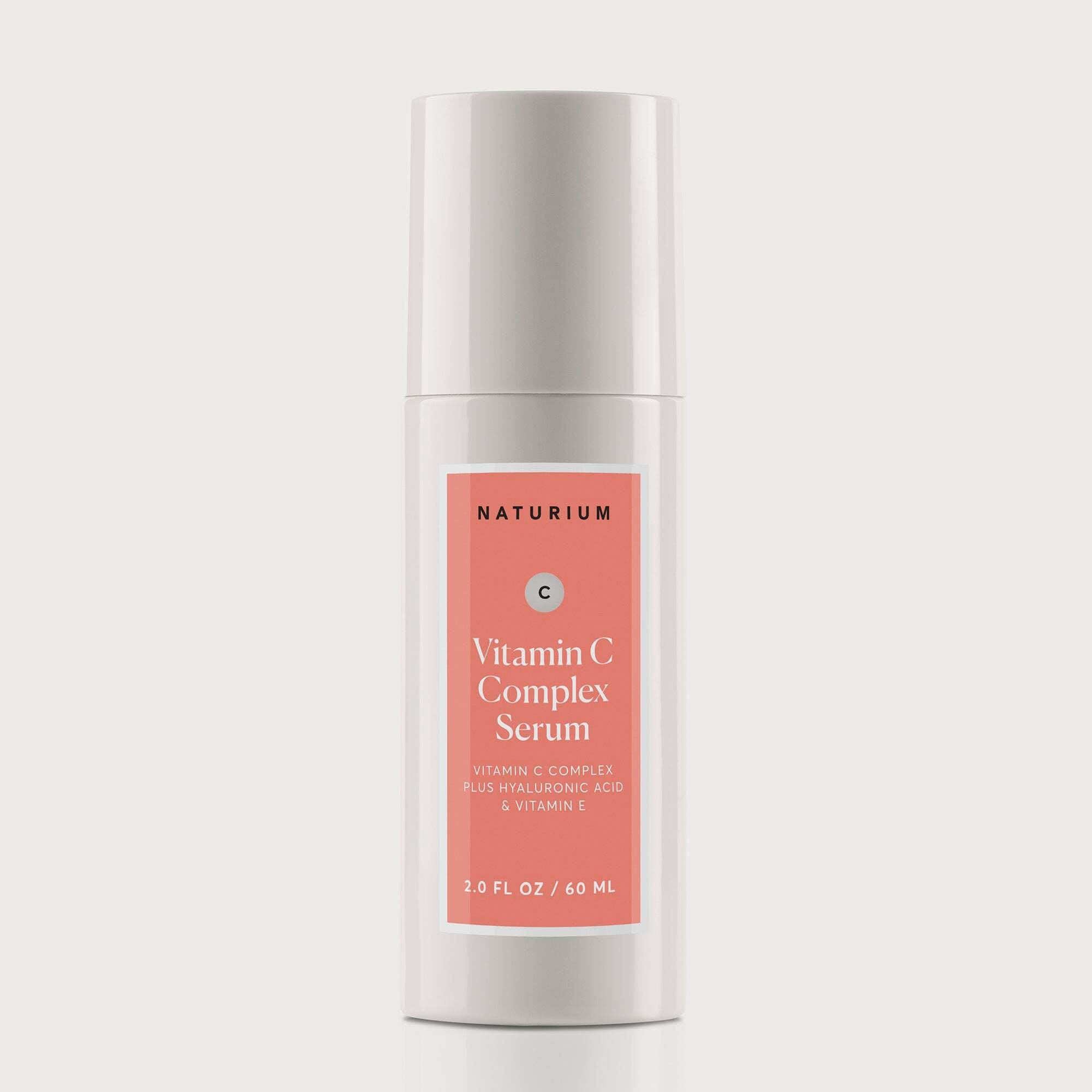
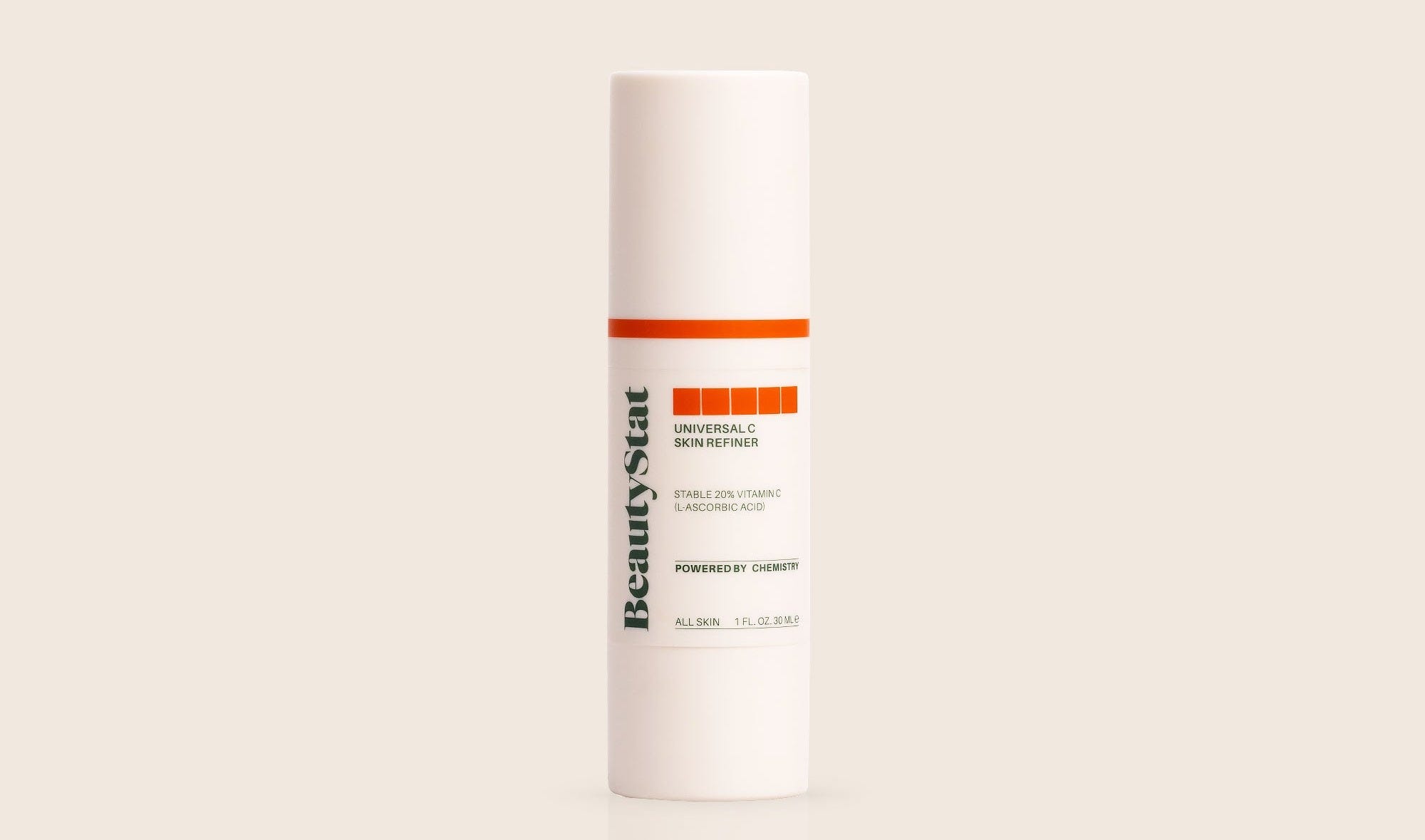
Vitamin C serums act as tyrosinase inhibitors.
This means that they are effective at treating hyperpigmentation, dark spots, and minor acne scars.
Providing Antioxidant Protection
Vitamin C also works synergistically with your sunscreen to protect you from:
Free radical damage
Harmful UV rays.
Dull skin
Wearing SPF is one of the most crucial skincare steps for preventing premature aging, and supplementing with vitamin C can help as well.
Improving Skin Hydration
Layering a hydrating serum with ingredients like hyaluronic acid underneath your night cream can help get rid of dry patches.
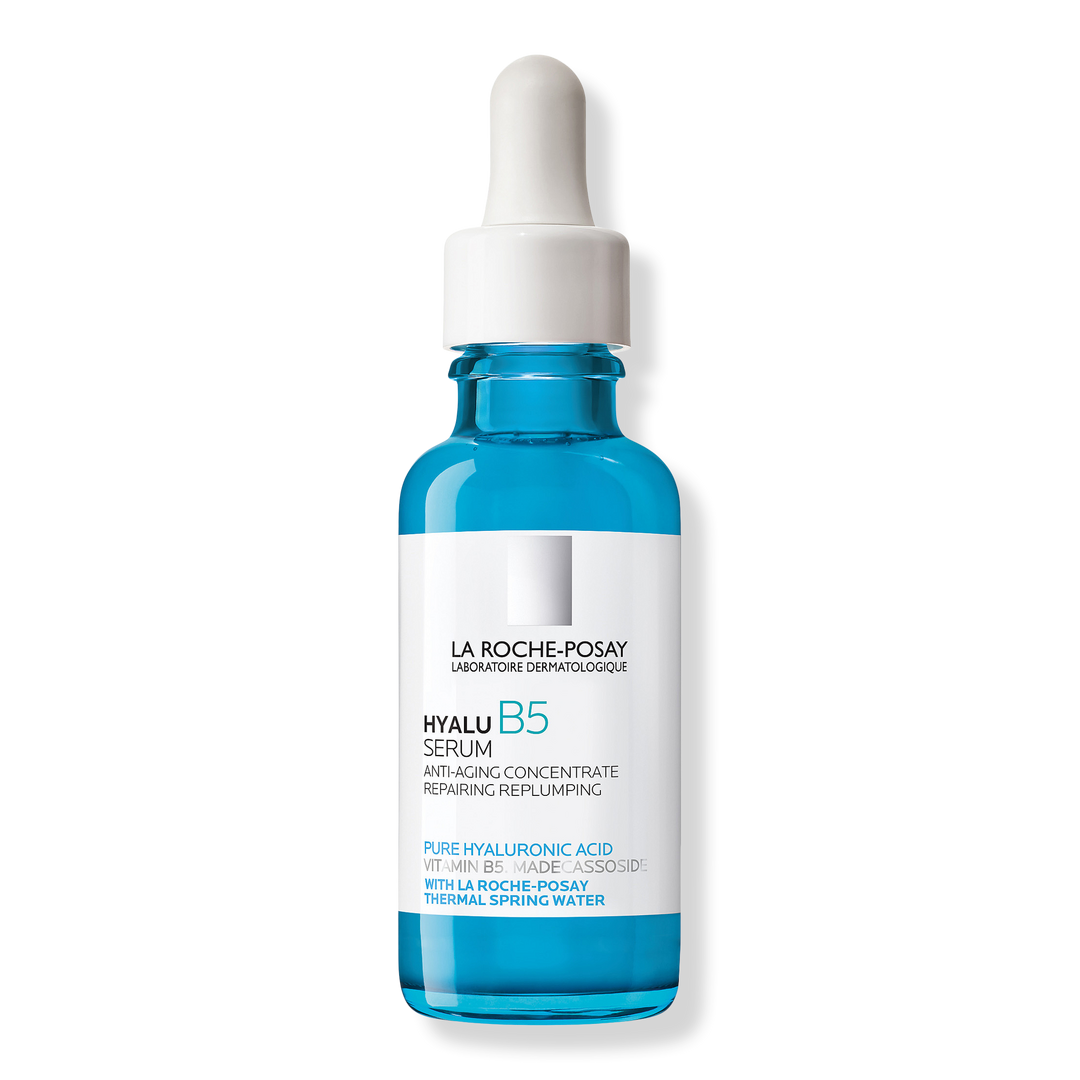
Further, by improving your skin hydration, these serums will help you wake up with a beautiful youthful glow and plump, healthy skin.
Fighting Sensitive Skin Concerns
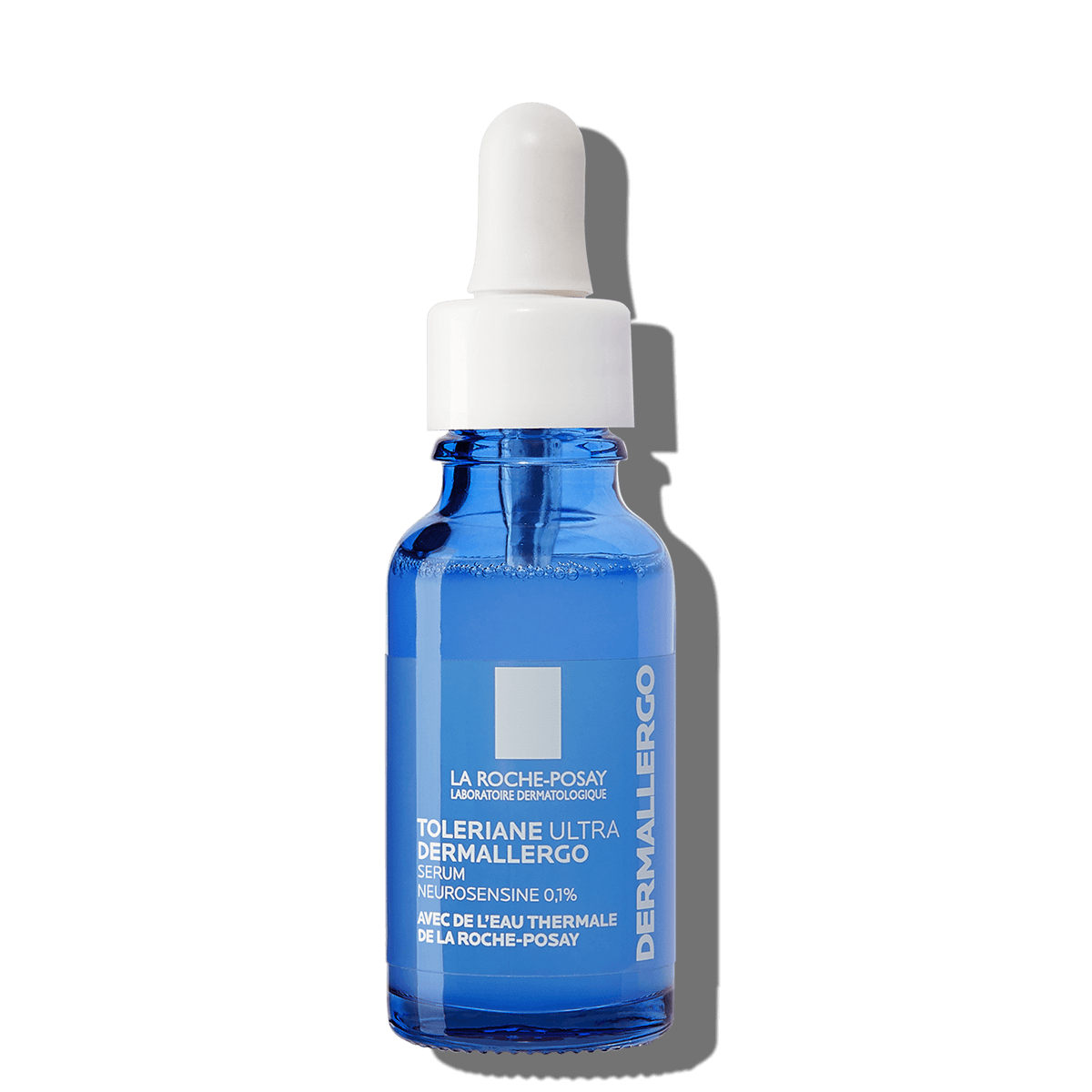
Certain barrier repair serums can be phenomenal for sensitive skin.
These serums deliver skin loving ingredients like:
Tamanu oil or rosehip oil
Niacinamide
Ceramides
And more.
Serum or moisturizer first?
Your serum should always go before moisturizer in your skincare routine.
By applying your moisturizer after serum, you will lock in hydration and keep your skin happy.
Serum vs Toner
Unlike toners, serums do not cleanse the skin.
They are not supposed to be washed away after application.
Further, you’ll more commonly find serums in small dropper bottles as opposed to the larger bottles you’ll find toners in.
Finally, you only need a few drops of a serum to cover your entire face.
You apply the liquid to your skin and gently pat it in.
You would not use a cotton pad with a serum like you would a toner.
Difference Between Toner and Serum
The difference between toner vs serum comes comes down to:
Each product’s place in your skincare routine
The consistency of the formulas
Purpose of the product
Deciding how to fit a toner or serum into your routine depends largely on the needs of your skin type.
Skincare Routine Order
Your skincare routine should follow this general order:
Skin Routine Order
Remember, we apply our products from “wateriest” to “oilest”.
Formula Consistency
Toners are watery and far more runny than serums.
Serums tend to be thicker and are applied with a dropper.
Product Purpose
While toners are used to further cleanse your skin and provide hydration, serums are used to target specific skin concerns like premature aging or dark spots.
Serum or Toner First
Toners should come first before serums in your skincare routine.
Can I use serum and toner together?
Yes, you can use serum and toner together.
Just make sure you’re not using too many harsh active ingredients like salicylic acid or benzoyl peroxide.
While oily skin types may be able to handle more active ingredients, dry skin and sensitive skin types likely will not.
Summary: Toners vs Serums
Toners are thinner, watery formulas that are used to further cleanse your skin after washing your face.
Generally, a good alcohol free toner is formulated to provide hydration and to balance the pH of your skin.
By preventing your skin from an acidic pH, toners can help with dry skin, acne breakouts, and rough patches.
On the other hand, serums are slightly thicker formulas that include high concentrations of active ingredients that are used to treat a specific skin concern.
Both a serum and facial toner can be included in your routine and can contribute to a youthful glow and radiant complexion.
Cheers,