

Vitamin C is one of the most recommended skincare ingredients on the internet, but it’s also one of the easiest to get wrong.
Certain formulas work really well for some people and do almost nothing for others, and a lot of that comes down to formulation.
A lot of formulas oxidize too quickly.
Others are irritating because of the pH levels they’re formulated at.
And strong L-ascorbic acid serums aren’t always the best fit for everyone either, especially for people whose skin would tolerate a gentler derivative better.
The routine side of things can get messy too.
People use too much product, mix too many active ingredients together, store their serums the wrong way, or expect their skin to look different after four days.
So in this article, I wanted to break down why some vitamin C serums work so well, why others fail, and how to use them in a way that makes sense for your skin.
Why Your Vitamin C Serum Isn’t Working
One thing I kept noticing with vitamin C serums was how unstable some of them can be.
And after trying a lot of different formulas over the years, the same issues kept showing up:
The formula oxidizes too quickly
The pH is too irritating for someone’s skin
The serum never fits naturally into their routine in the first place
The oxidation issue is probably the biggest one.
The most researched form of vitamin C in skincare, L-ascorbic acid, is also one of the hardest to stabilize.
It breaks down when exposed to air, light, and heat, which is part of why some vitamin C serums slowly change color after being opened.
A pale yellow color usually isn’t considered a huge issue, but once a formula starts turning dark orange or brown, that’s generally a sign the serum has degraded significantly.
The pH side of things explains a lot too.
Some vitamin C serums are intentionally formulated at very low pH levels because lower pH environments help stabilize L-ascorbic acid and improve penetration into the skin.
That also explains why some people feel like vitamin C just doesn’t agree with their skin.
The skin’s acid mantle sits around a 5.5 pH, so some low-pH vitamin C serums can sting, especially if your skin barrier is already irritated or you have sensitive skin.
Then there’s the routine side of it.
A lot of people use way more product than they need, even though most vitamin C serums only require a few drops for the entire face.
People can use vitamin C at night if they want to, but antioxidants like vitamin C are commonly used in the morning because they work well alongside sunscreen and help reduce oxidative stress caused by UV exposure.
The longer I spent trying different vitamin C serums, the less it felt like a simple “this ingredient works” or “this ingredient is overhyped” conversation.
A lot of it just comes down to finding a formula that works well for your skin and fits into your routine.
Understanding Vitamin C Forms (L-Ascorbic Acid vs. Derivatives)
“Vitamin C” on a skincare label doesn’t always mean the same ingredient.
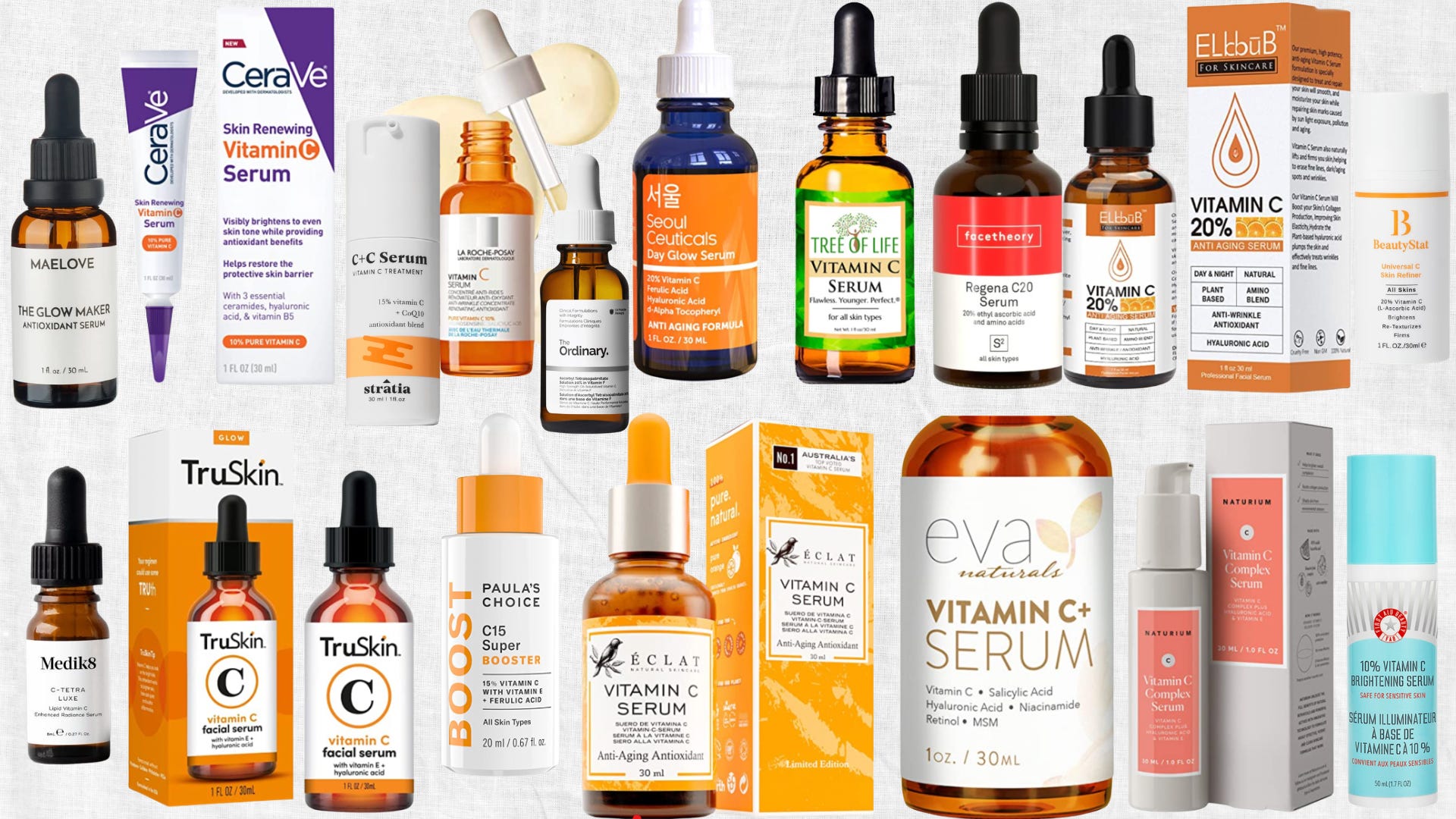
There are multiple forms of vitamin C used in skincare, and they all behave a little differently.
The version most people know is L-ascorbic acid, which is the pure form of vitamin C.
It also has the most research behind it, which is part of why it became the gold standard in skincare in the first place.
A lot of the research around vitamin C’s antioxidant activity, brightening effects, and collagen support is specifically tied to L-ascorbic acid formulas.
It’s considered highly bioavailable, meaning the skin can use it once absorbed.
But not everyone tolerates L-ascorbic acid formulas well, which is part of why vitamin C derivatives became so popular.
Some of the more common derivatives include:
Tetrahexyldecyl ascorbate (THD) is an oil-soluble vitamin C derivative that tends to be gentler and more stable than traditional vitamin C.
Sodium ascorbyl phosphate is a gentler vitamin C derivative often used in products for acne-prone or sensitive skin.
Magnesium ascorbyl phosphate is a water-soluble vitamin C derivative found in a lot of brightening and hydrating formulas.
These derivatives are often easier to stabilize and can feel less irritating on sensitive skin compared to traditional L-ascorbic acid formulas.
Some derivatives also have benefits beyond antioxidant support.
For example, magnesium ascorbyl phosphate has shown some anti-acne activity in certain studies, which makes it interesting for people dealing with both acne and post-inflammatory pigmentation at the same time.
At a certain point, it stopped feeling like there was one universally “best” version of vitamin C.
A good vitamin C serum is usually less about chasing the strongest formula and more about finding one your skin can tolerate consistently.
Storage & Application Tips for Maximum Results
Vitamin C serums don’t need to be handled like radioactive material.
A lot of people store them in the fridge, but for most formulas, that’s probably overkill.
Heat, light, and air exposure matter more.
If your bathroom gets hot and steamy from showers, it’s better to keep the serum inside a cabinet instead of directly on the counter.

Otherwise, a dark drawer or cabinet is fine.
Vitamin C also makes the most sense to me in a morning routine alongside sunscreen.
And people tend to use way more vitamin C serum than they need.
Most formulas only require about three to five drops for the entire face.
Using more product doesn’t automatically mean better results either, especially with stronger L-ascorbic acid formulas that can already sting on their own.
What to Avoid When Using Vitamin C
Vitamin C is one of those ingredients people tend to overdo without realizing it.
If you’re newer to skincare or you already have sensitive skin, I wouldn’t use a strong vitamin C serum alongside alpha hydroxy acids (AHAs) like glycolic acid, beta hydroxy acids (BHAs) like salicylic acid, and retinoids all in the same routine.
I use vitamin C in the mornings, and at night I usually pair tretinoin with copper peptides or alternate tretinoin with an exfoliating acid depending on how my skin feels.
Copper peptides are one of the few active ingredients I still find gentle enough to use alongside tretinoin almost every night without irritating my skin.
But if your skin already feels irritated, dry, tight, or stingy, adding more active ingredients on top usually makes things worse instead of better.
If you’re looking for copper peptide products that layer well into a routine, a few I’ve liked are:
Mirror Skin Copper Elixir: This is my favorite copper peptide-specific serum overall because the formula feels hydrating, barrier-supportive, and easy to layer without making my skin feel overwhelmed.

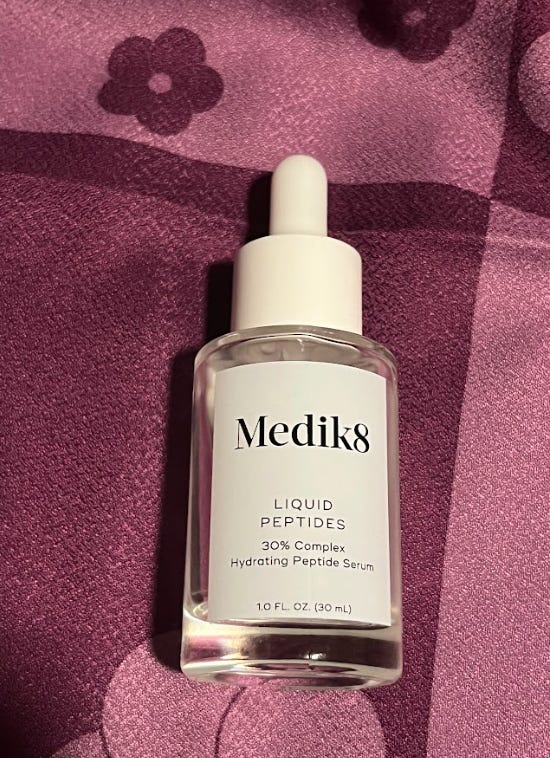
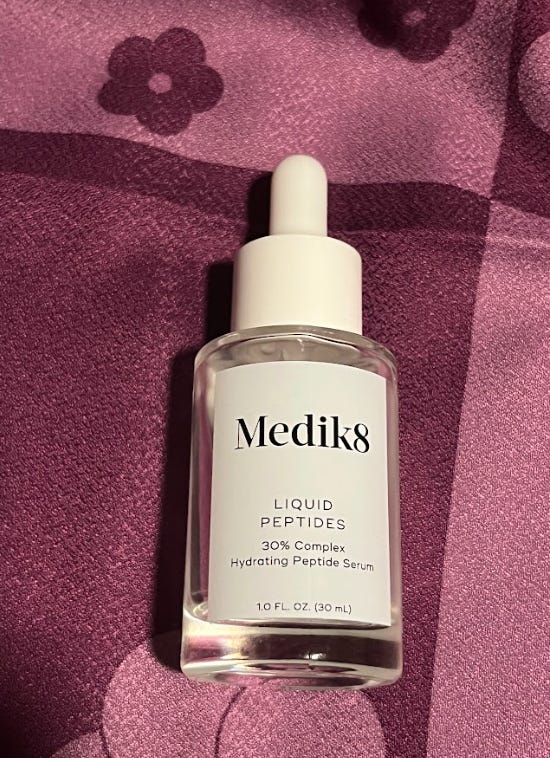
Medik8 Liquid Peptides: I like this one more as a multitasking peptide serum because it’s deeply hydrating and works well alongside other anti-aging products.
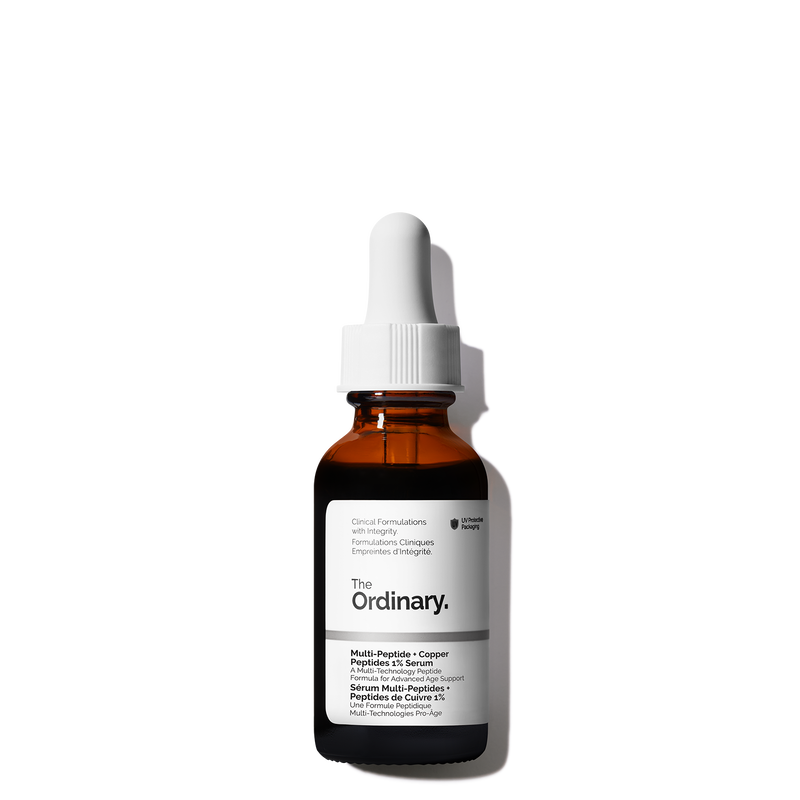
The Ordinary Multi-Peptide + Copper Peptides: This is a good budget-friendly option if you want something straightforward that still gives you peptides, amino acids, and hydration in one formula.

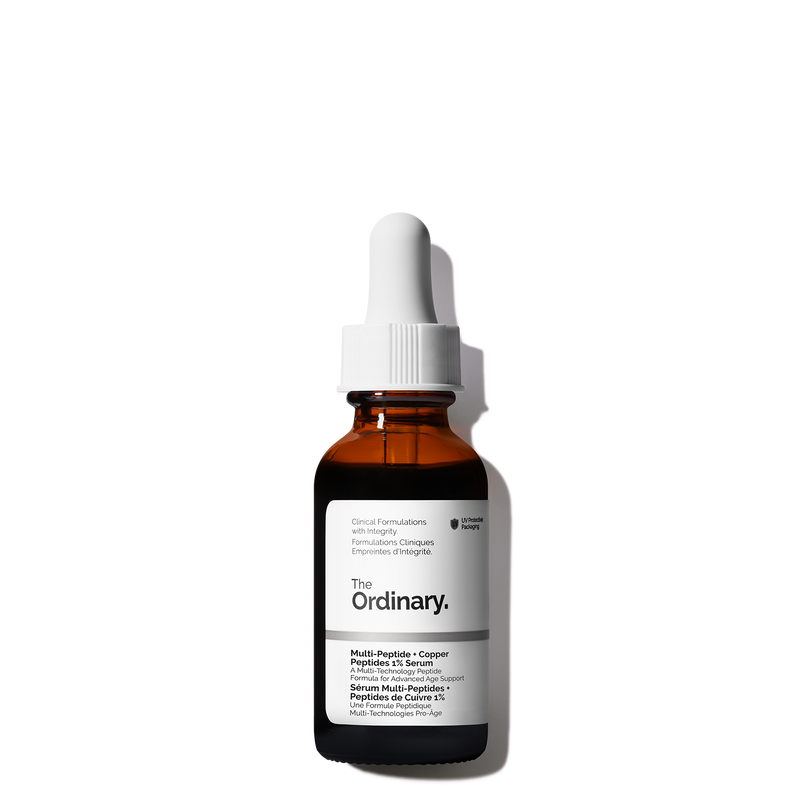
To learn more about copper peptides, you can read the article I wrote about them here.
Realistic Expectations for Vitamin C
Vitamin C serums can help with brightness and uneven skin tone, but most people aren’t going to wake up with different skin after three days.
It takes a couple of weeks before people start noticing much of a difference.
And for some people, vitamin C still won’t be enough on its own.
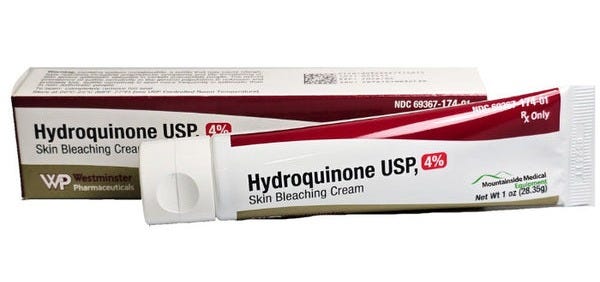
For example, hydroquinone is considered a better option for people who have melasma or stubborn dark patches, although you’d need to see a dermatologist to get a prescription for it in the United States.
Vitamin C is great for the morning, but retinol or tretinoin also makes sense at night.
If you’re newer to retinoids, it’s better to start with a gentler retinol first and work your way up to tretinoin over time.

I can now use tretinoin almost every night of the week, and sometimes I’ll even use a lactic acid treatment too without damaging my skin barrier, but I couldn’t tolerate that when I first started using retinoids.
The bigger thing I realized is that skincare works better as a full routine instead of expecting one product to fix everything on its own.
Anti-aging ingredients matter, but hydration and skin barrier support matter too.
Here’s what a simple skincare routine can look like:
Morning Routine
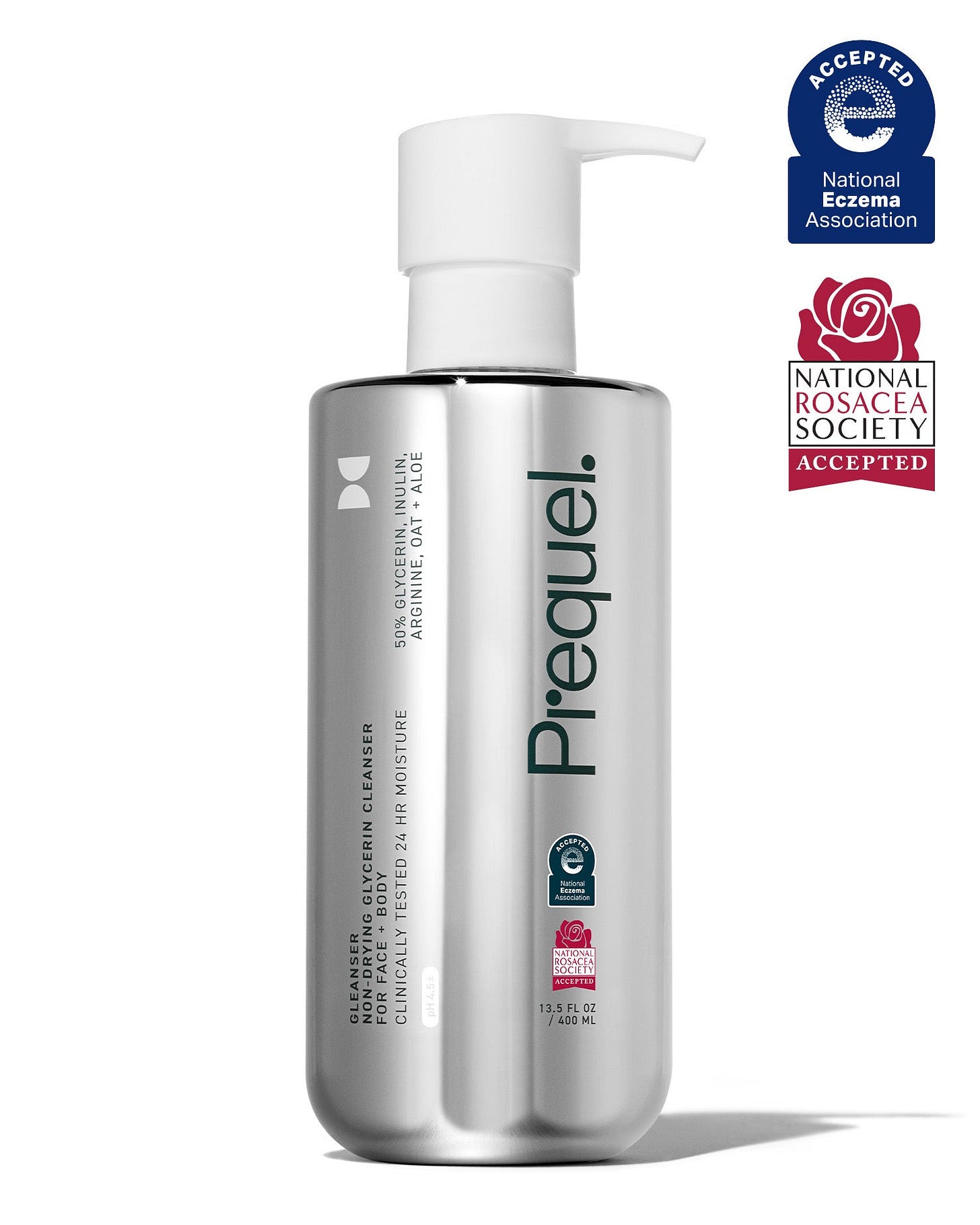
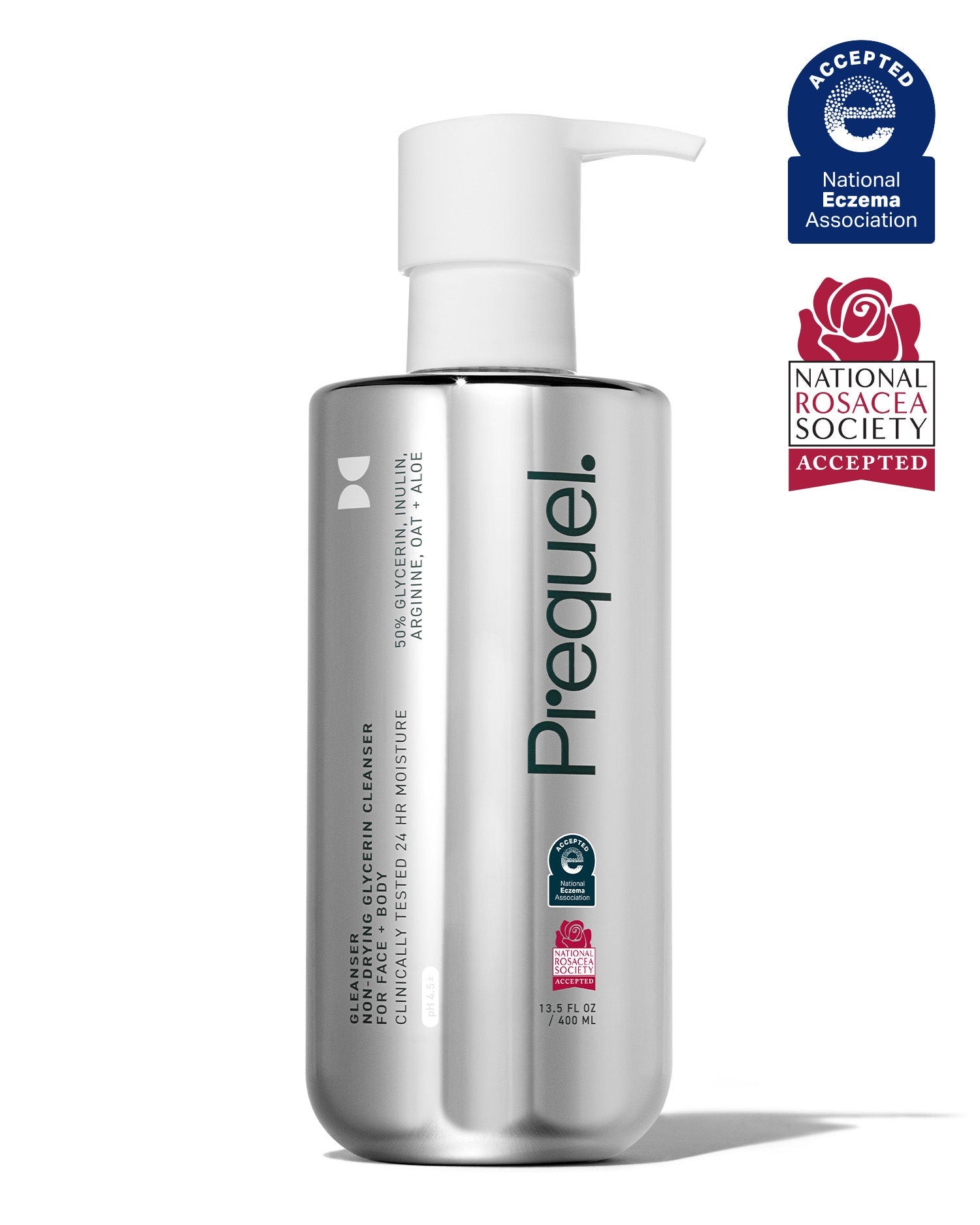
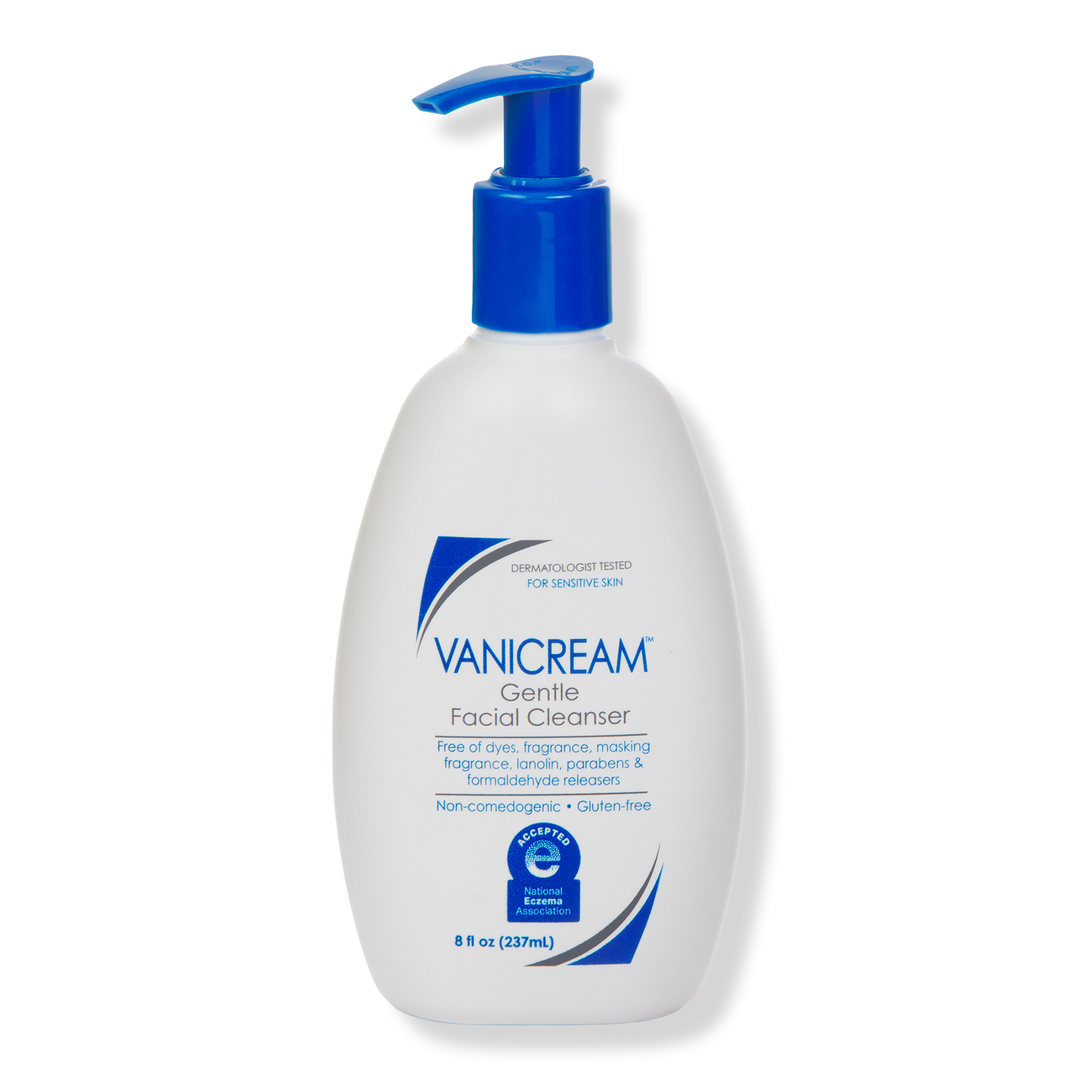
Start with a gentle cleanser. You want your skin clean before you apply vitamin C.
Then apply your vitamin C serum. You only need a few drops for your whole face. I usually use around three to five drops.
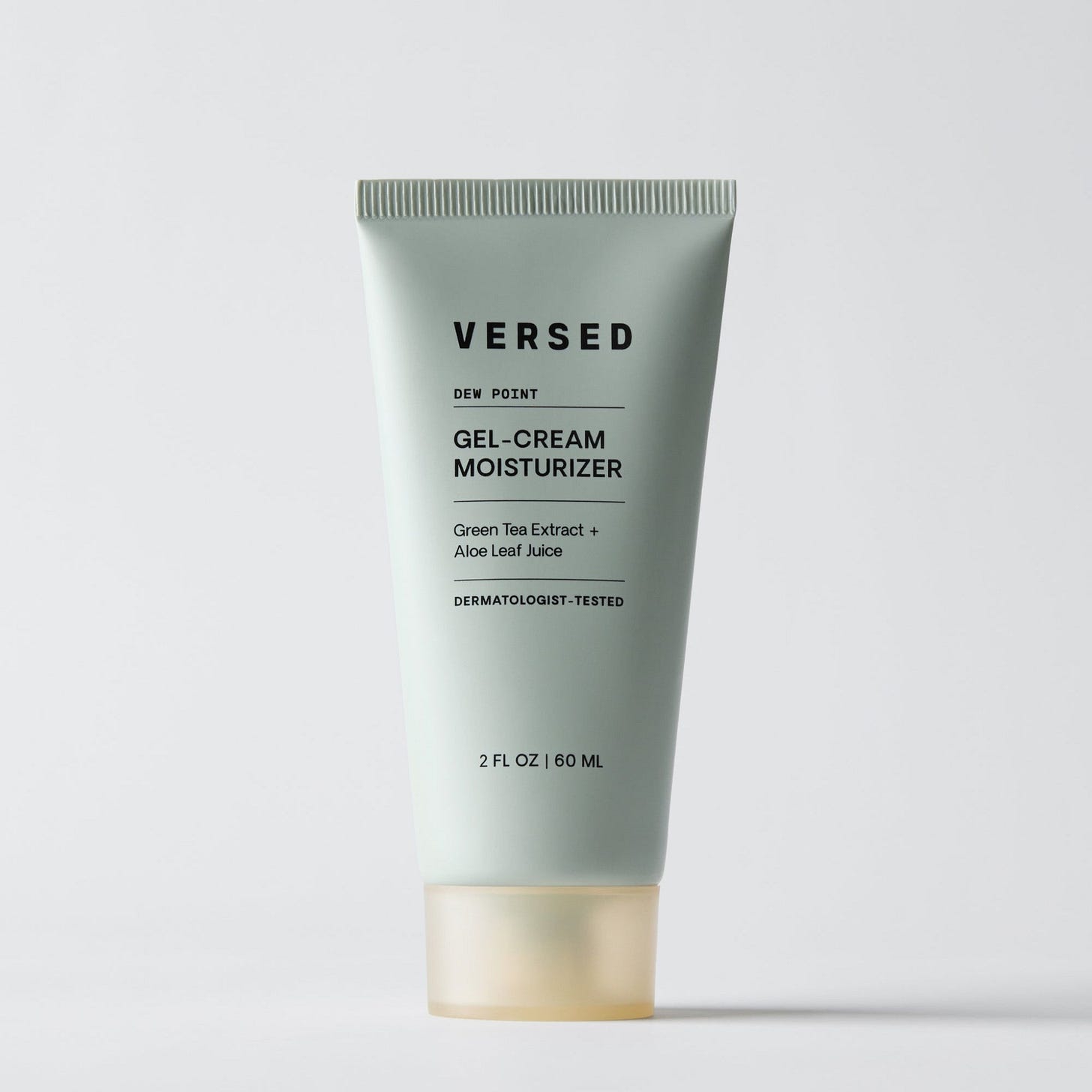
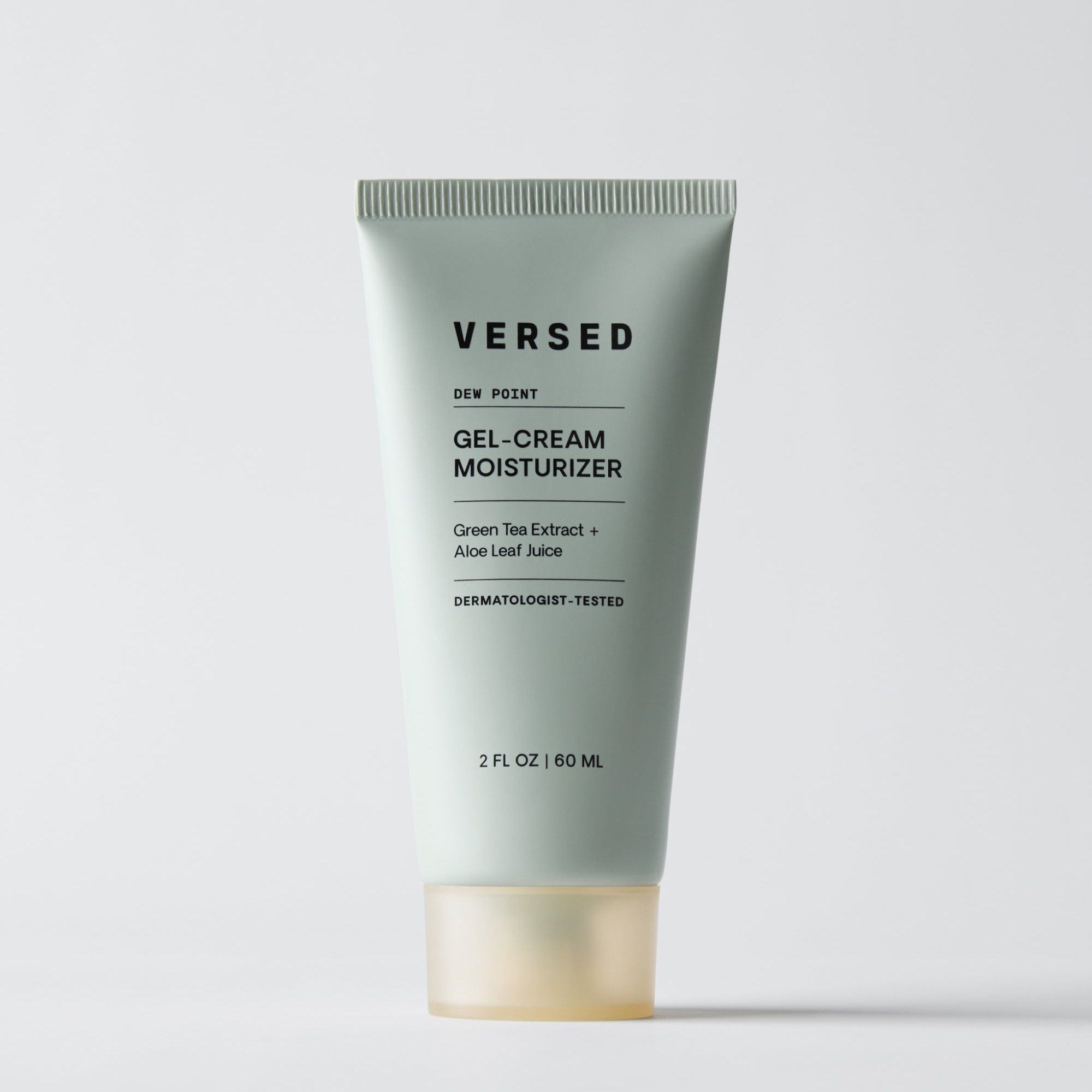
After that, apply a moisturizer to help keep your skin hydrated and support your skin barrier.
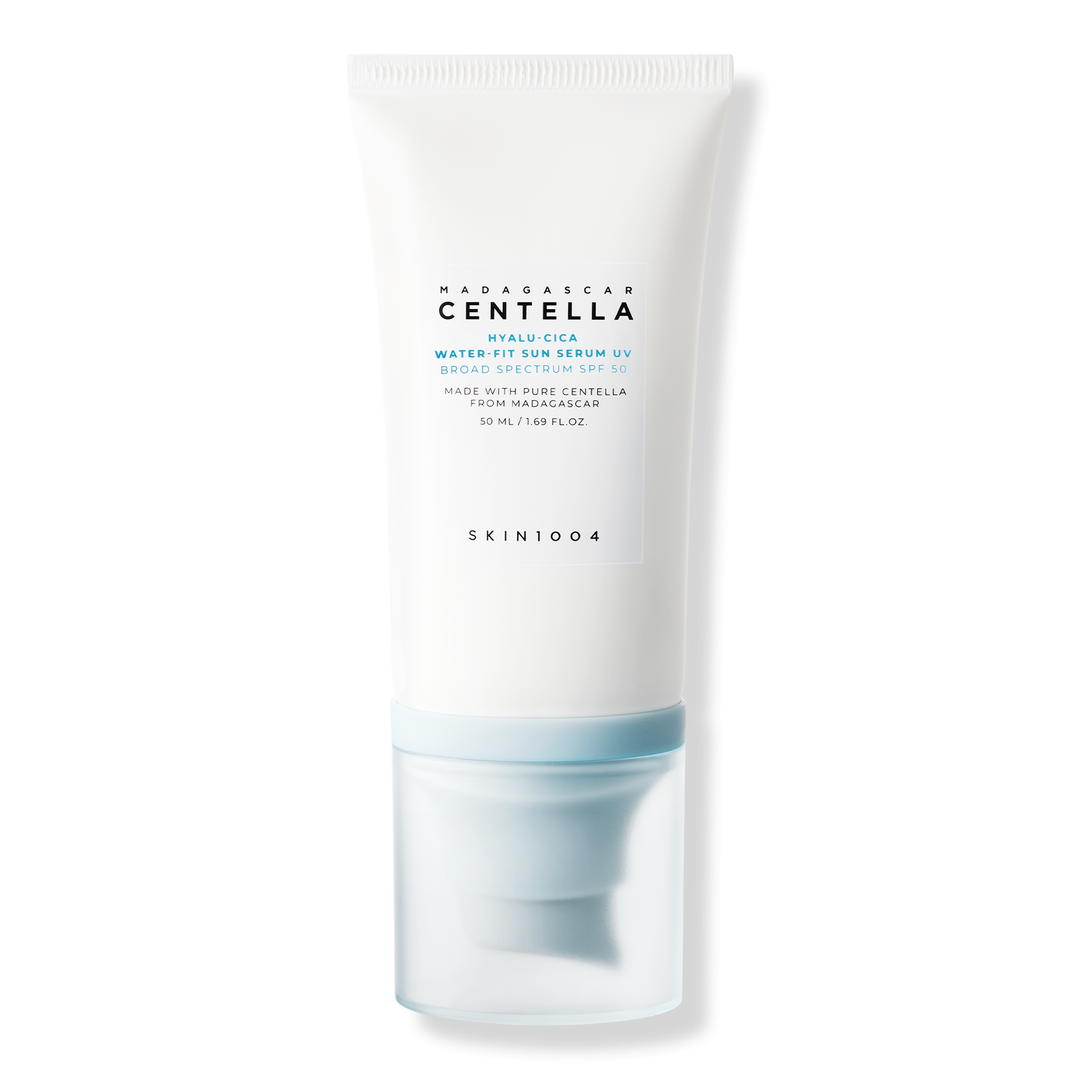
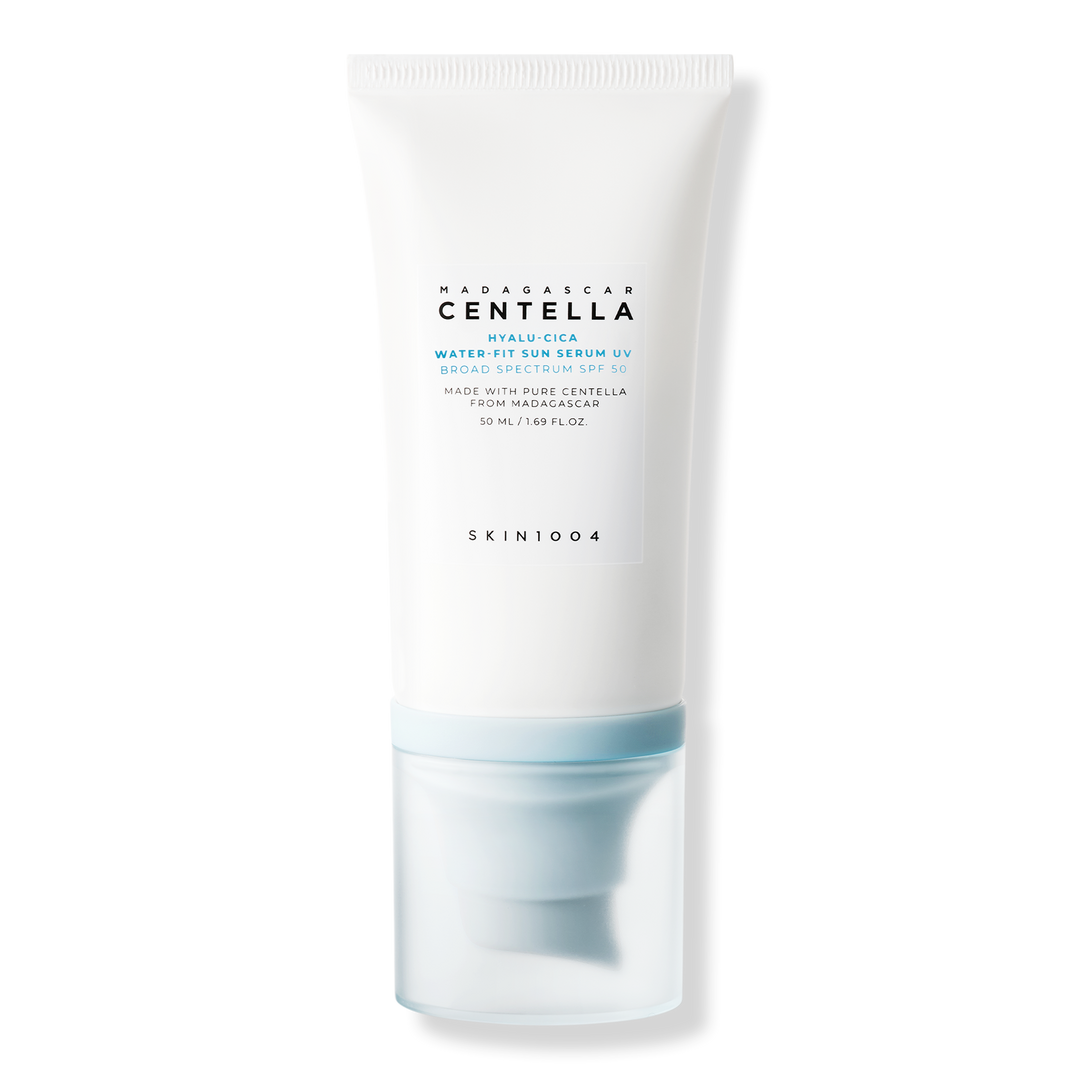
Then finish with sunscreen.
Night Routine
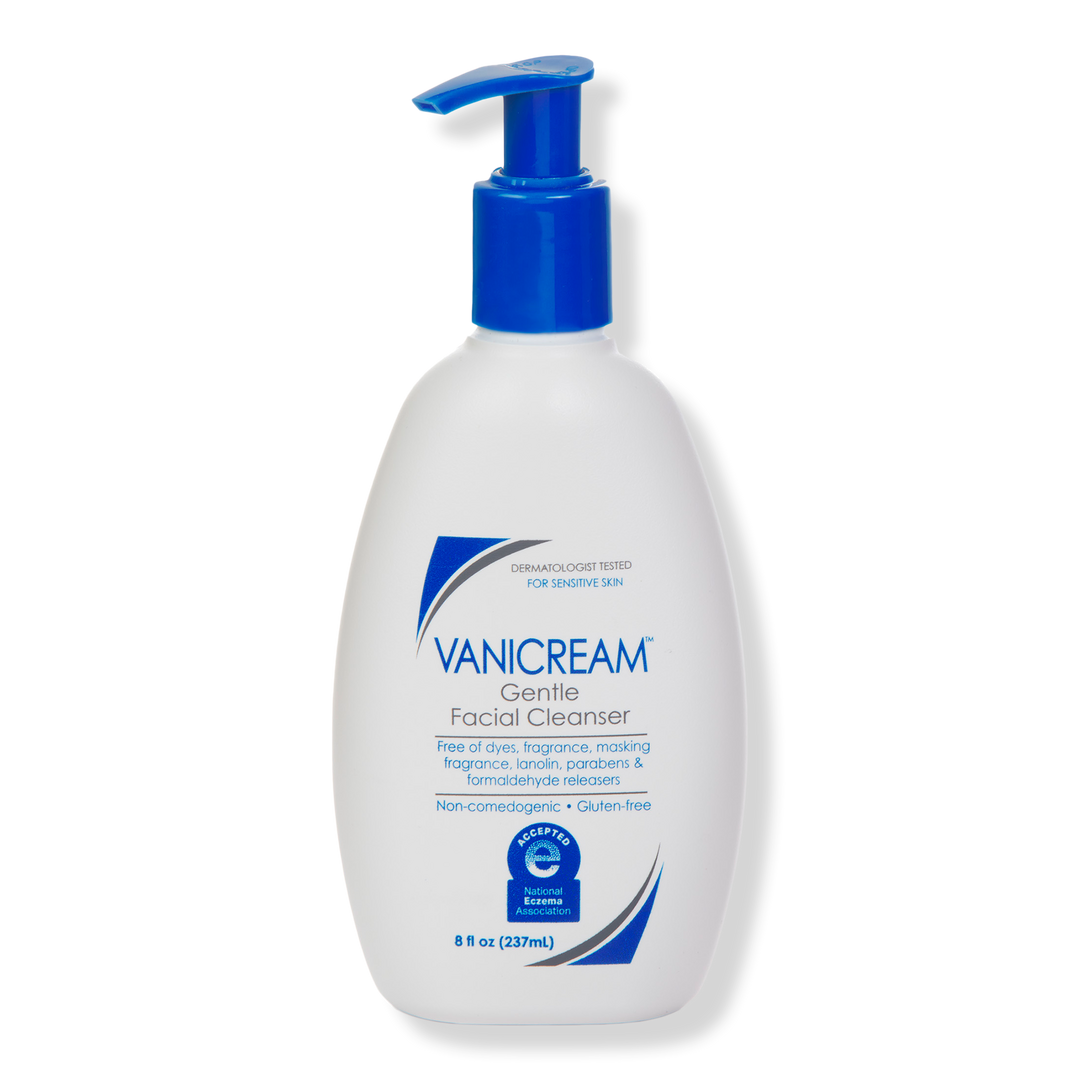
Wash your face with a gentle cleanser. If you’re wearing makeup or sunscreen, double cleanse first with a cleansing oil so you’re not leaving anything behind on your skin.
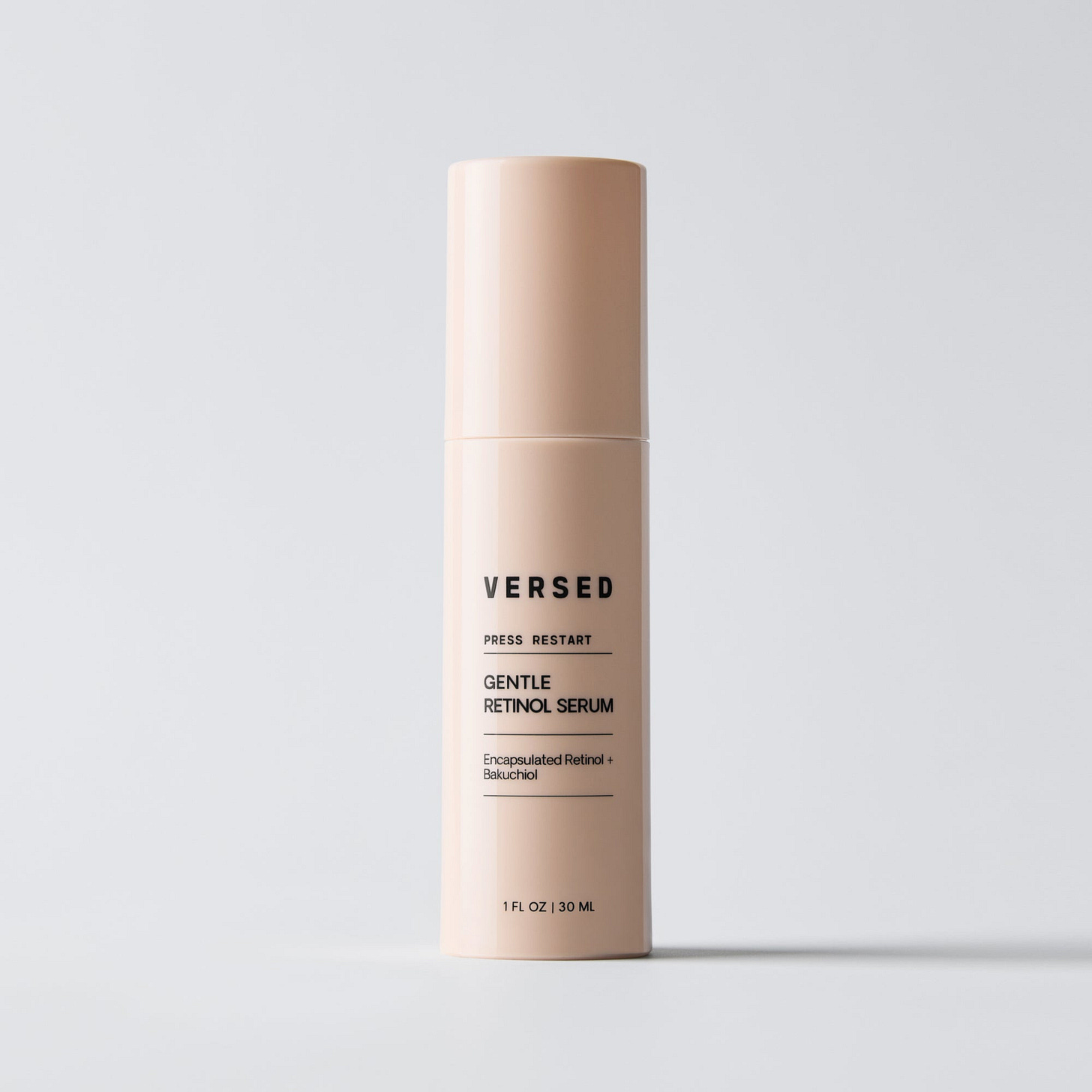
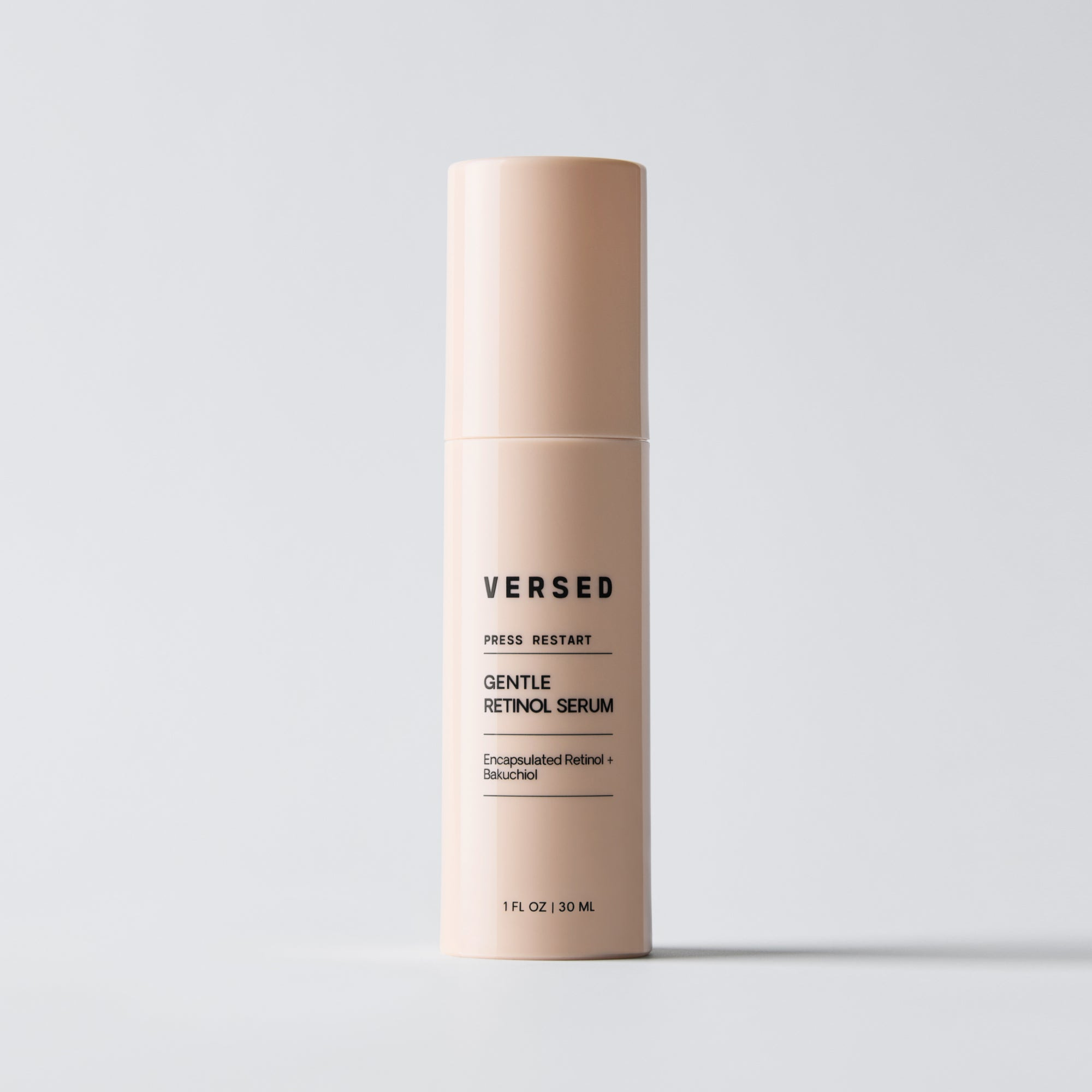
Apply your retinoid. If you're newer to retinoids, start with a gentler retinol first before working your way up to tretinoin.
Then apply your copper peptides or a hydrating serum.
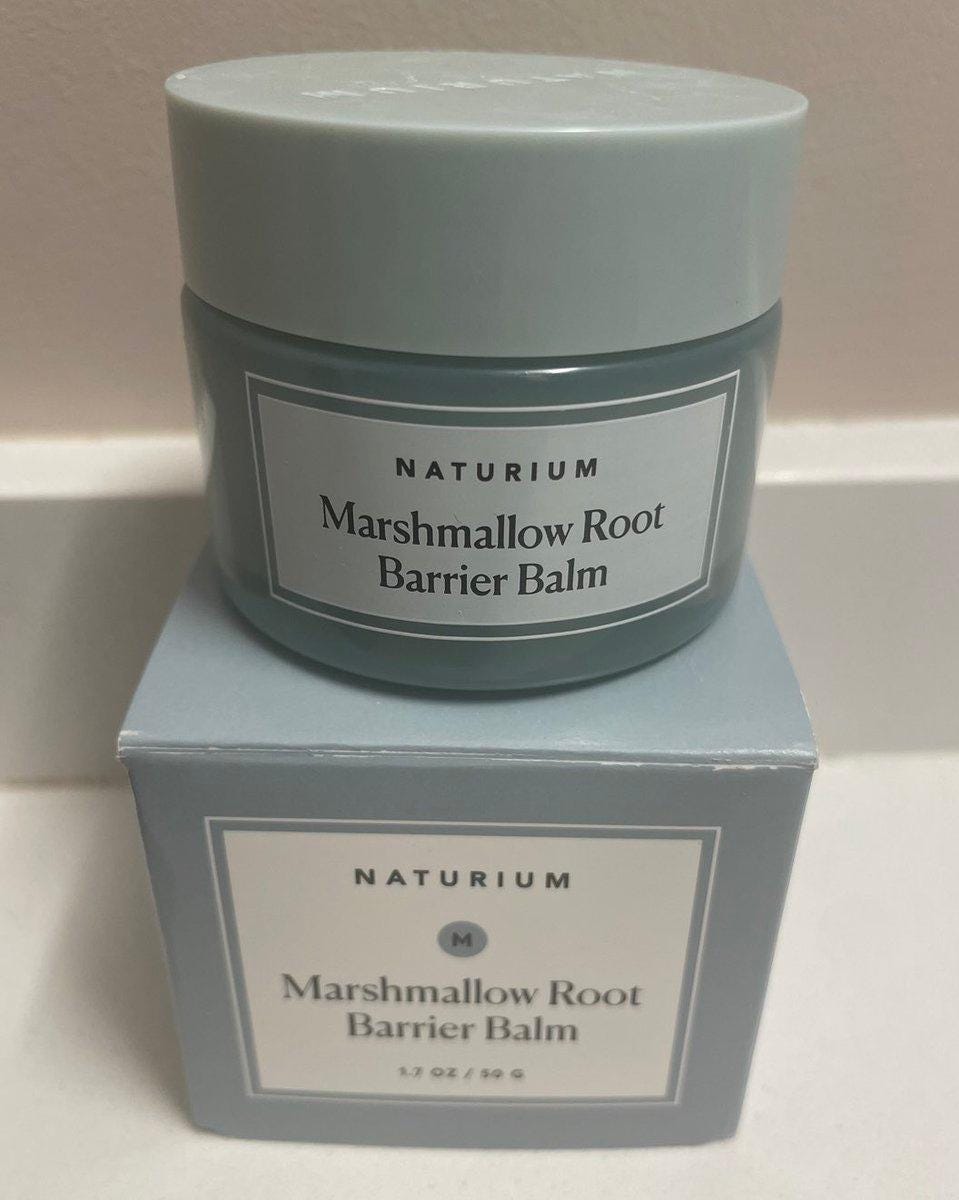
Finish with a really good moisturizer.
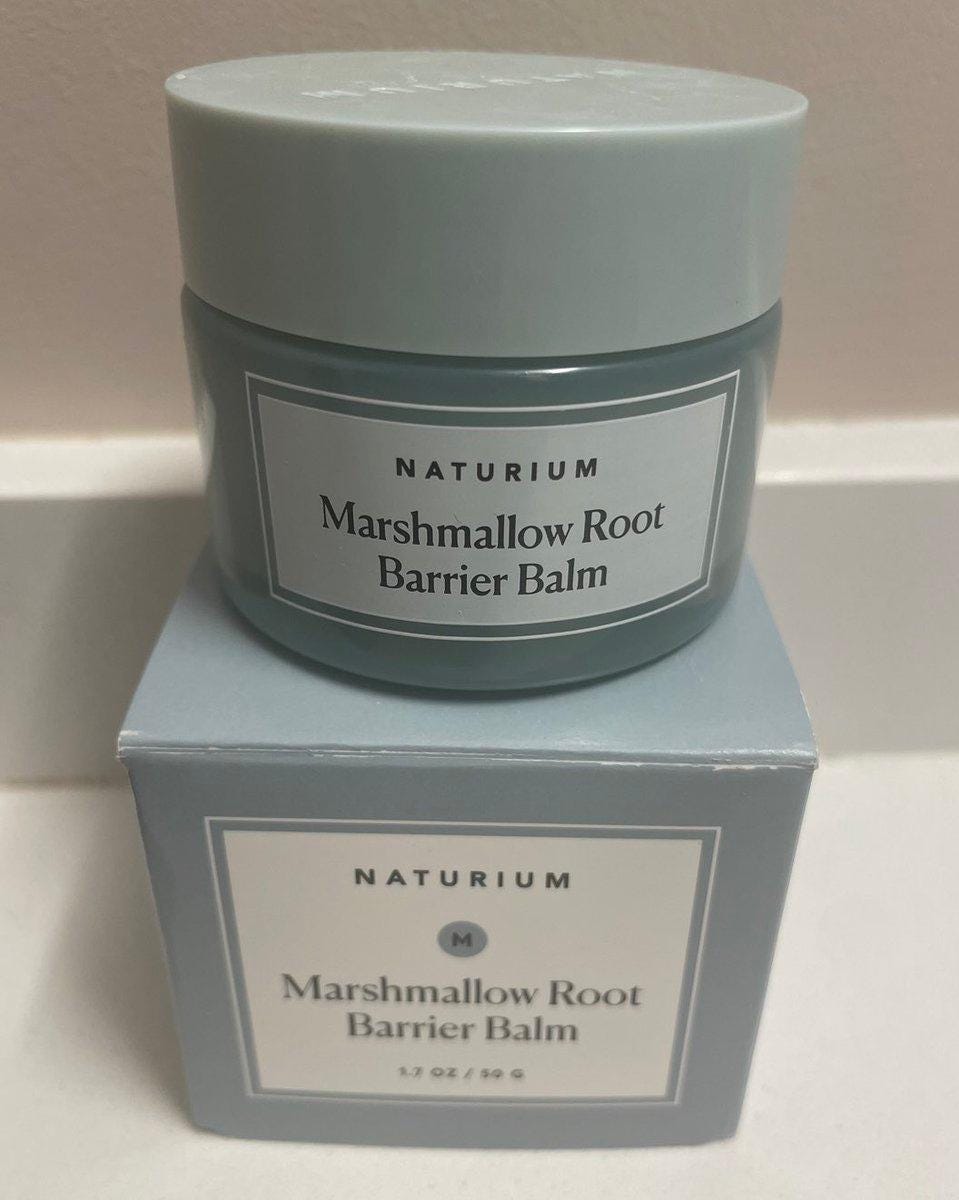
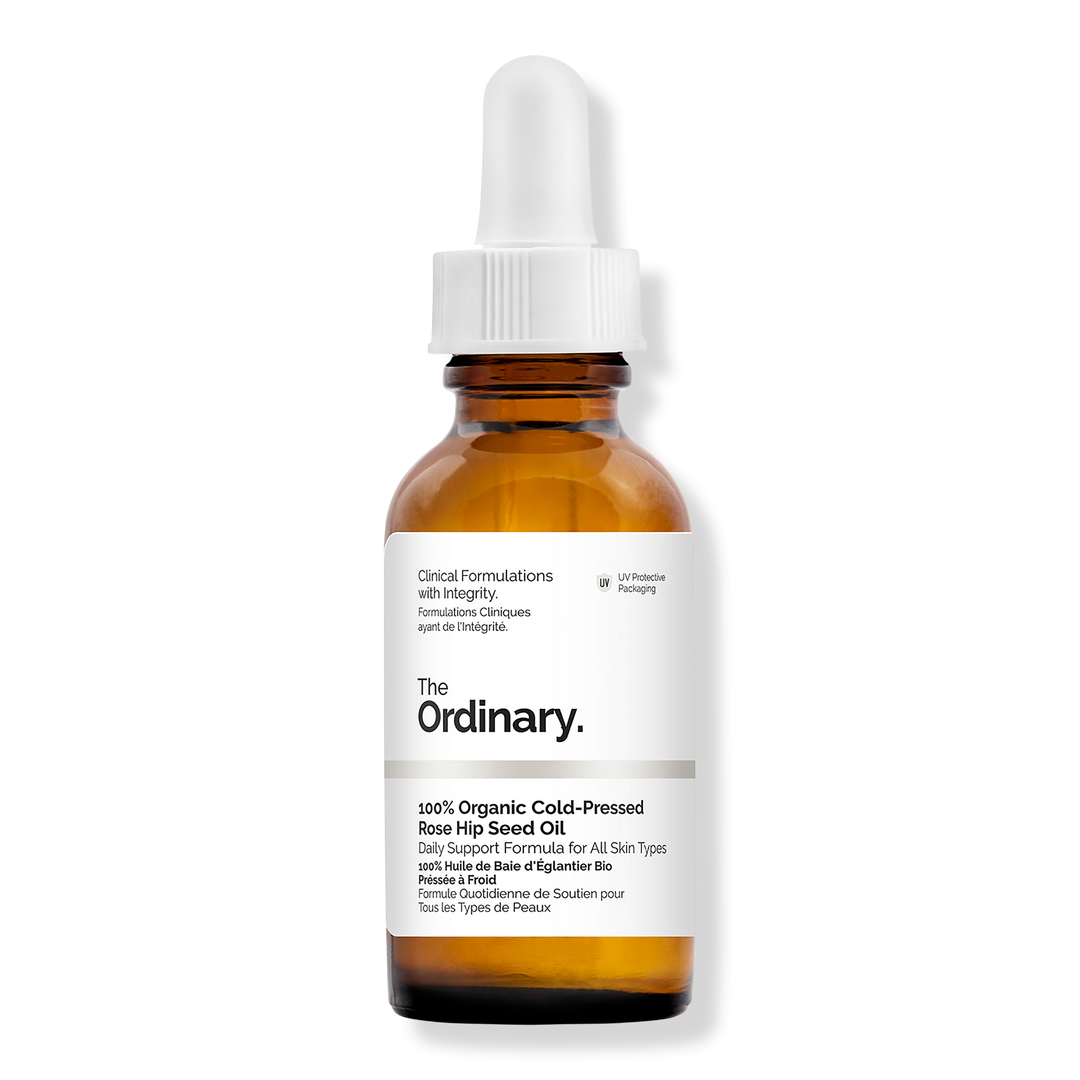
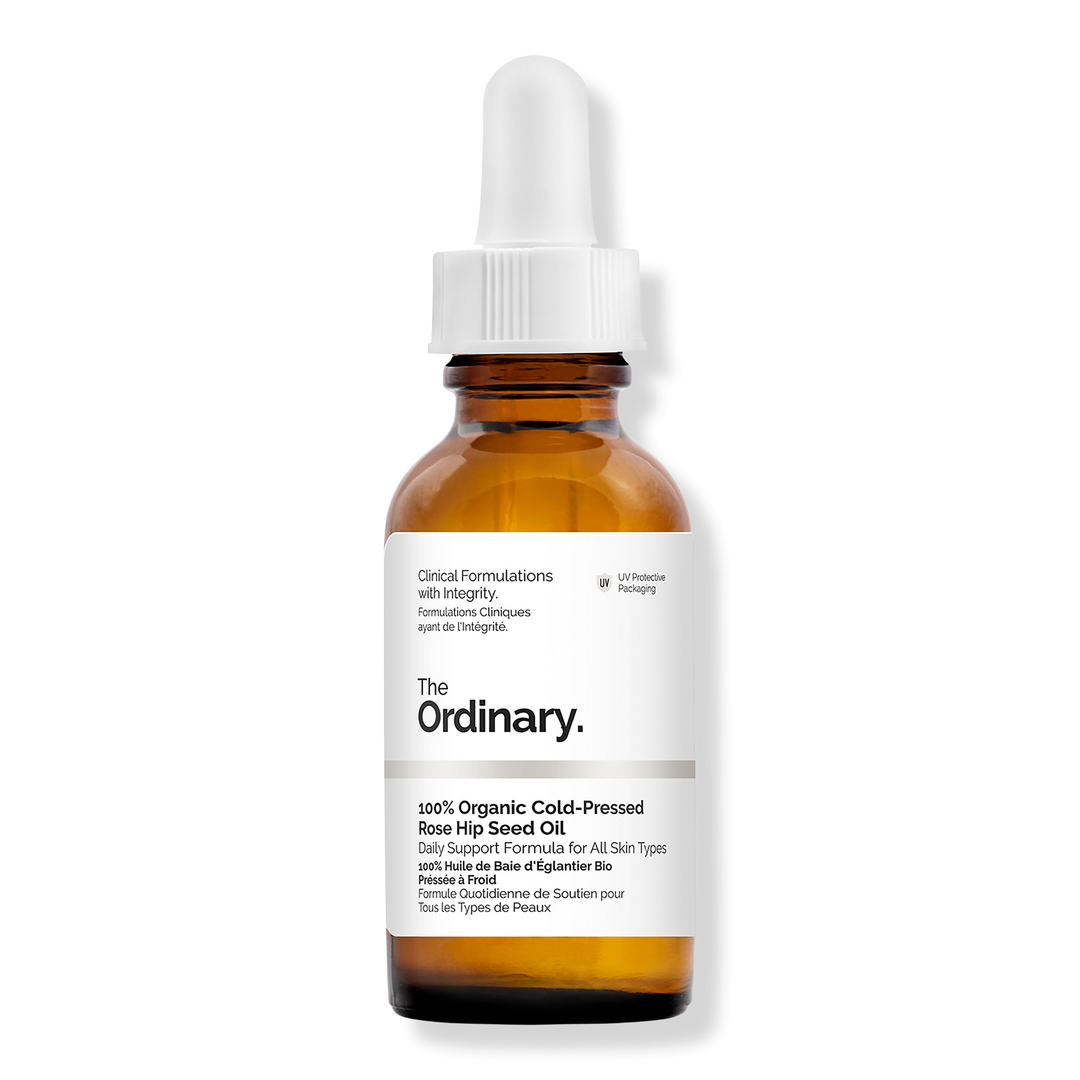
If your skin feels extra dry, you can add a facial oil on top.
Are Expensive Vitamin C Serums Better?
Some expensive vitamin C serums are worth the price because the formulas can be incredible.
A lot of them have extra ingredients added to help stabilize the vitamin C, more research behind them, or textures that just feel better on the skin.
And people underestimate how much texture affects whether you’ll keep using a product consistently.
If a serum feels greasy, sticky, gritty, or pills under sunscreen, you’re probably not going to keep reaching for it.
Certain formulas are also designed for specific skin types, and some stabilization ingredients and texture agents are more expensive to formulate with in the first place.
But you also don’t need to spend a fortune just to get a vitamin C serum that works well.
Some more affordable options include:
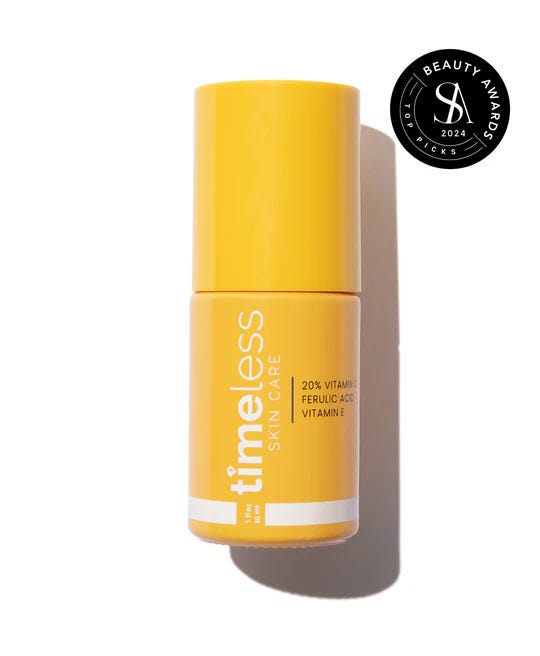
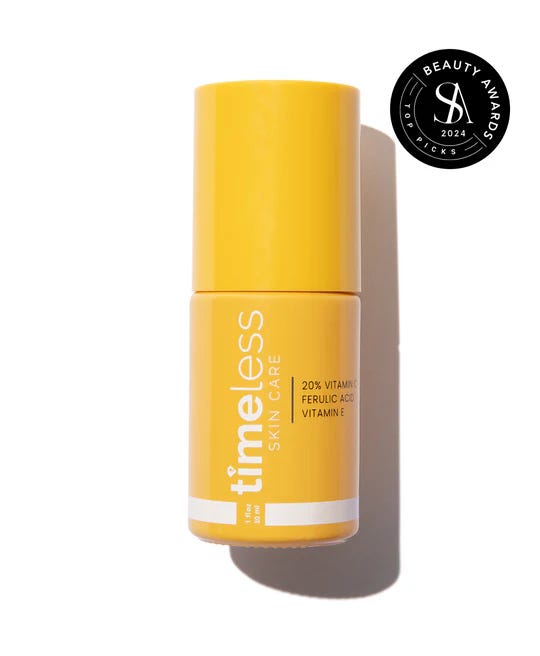
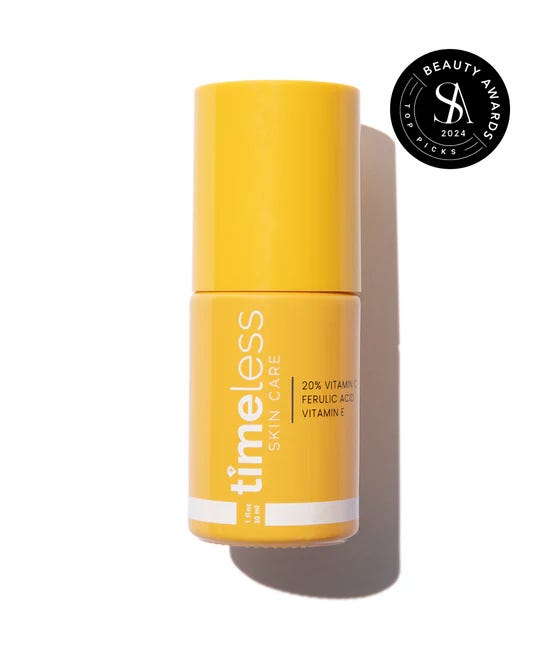
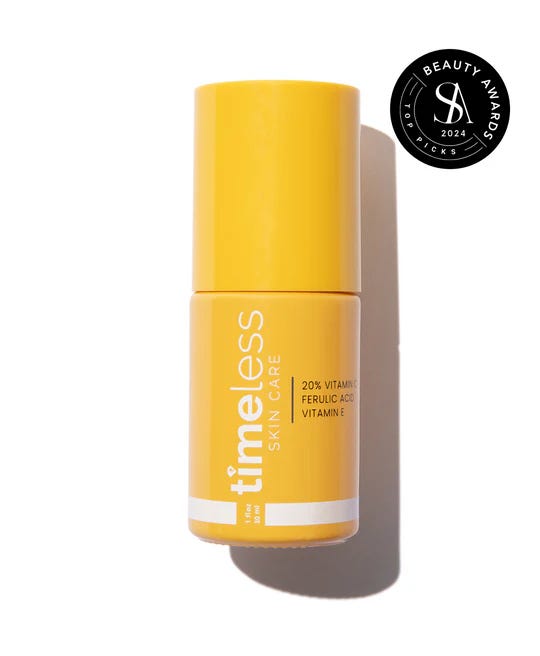
Timeless 20% Vitamin C + E Ferulic Acid Serum is a more affordable dupe-style formula that combines L-ascorbic acid with vitamin E and ferulic acid, similar to the classic SkinCeuticals approach.
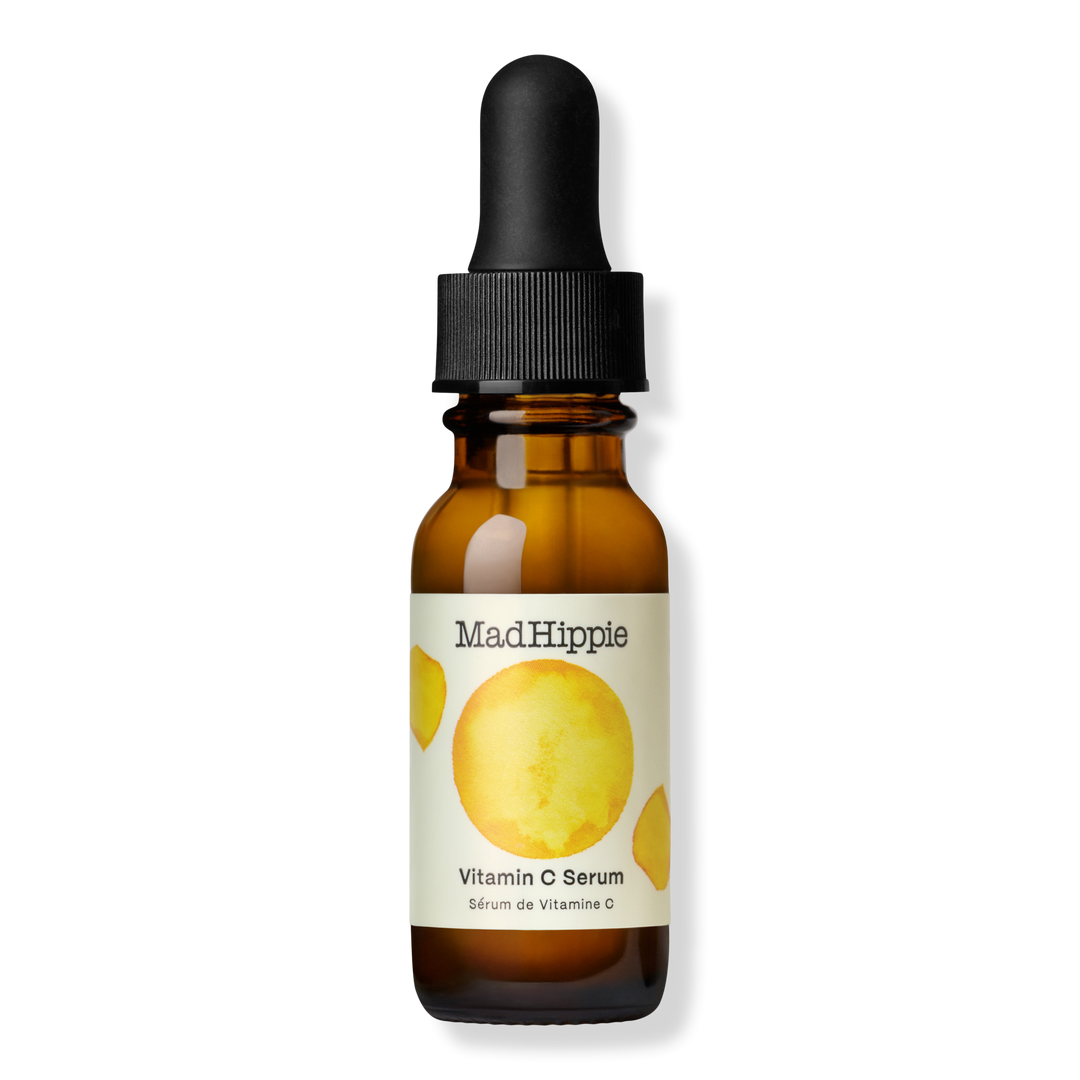
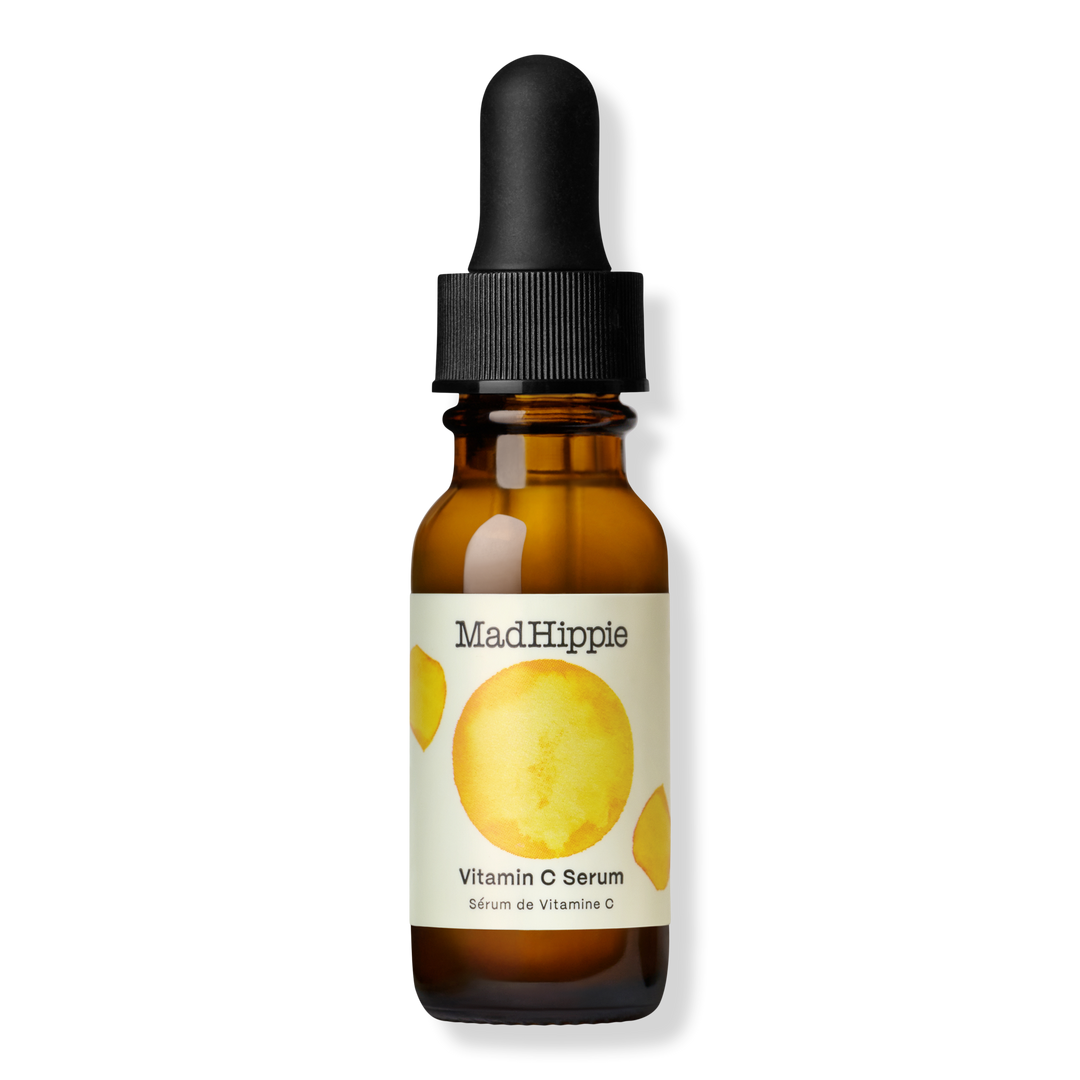
Mad Hippie Vitamin C Serum uses sodium ascorbyl phosphate instead of pure L-ascorbic acid, which makes it easier for some sensitive skin types to tolerate.
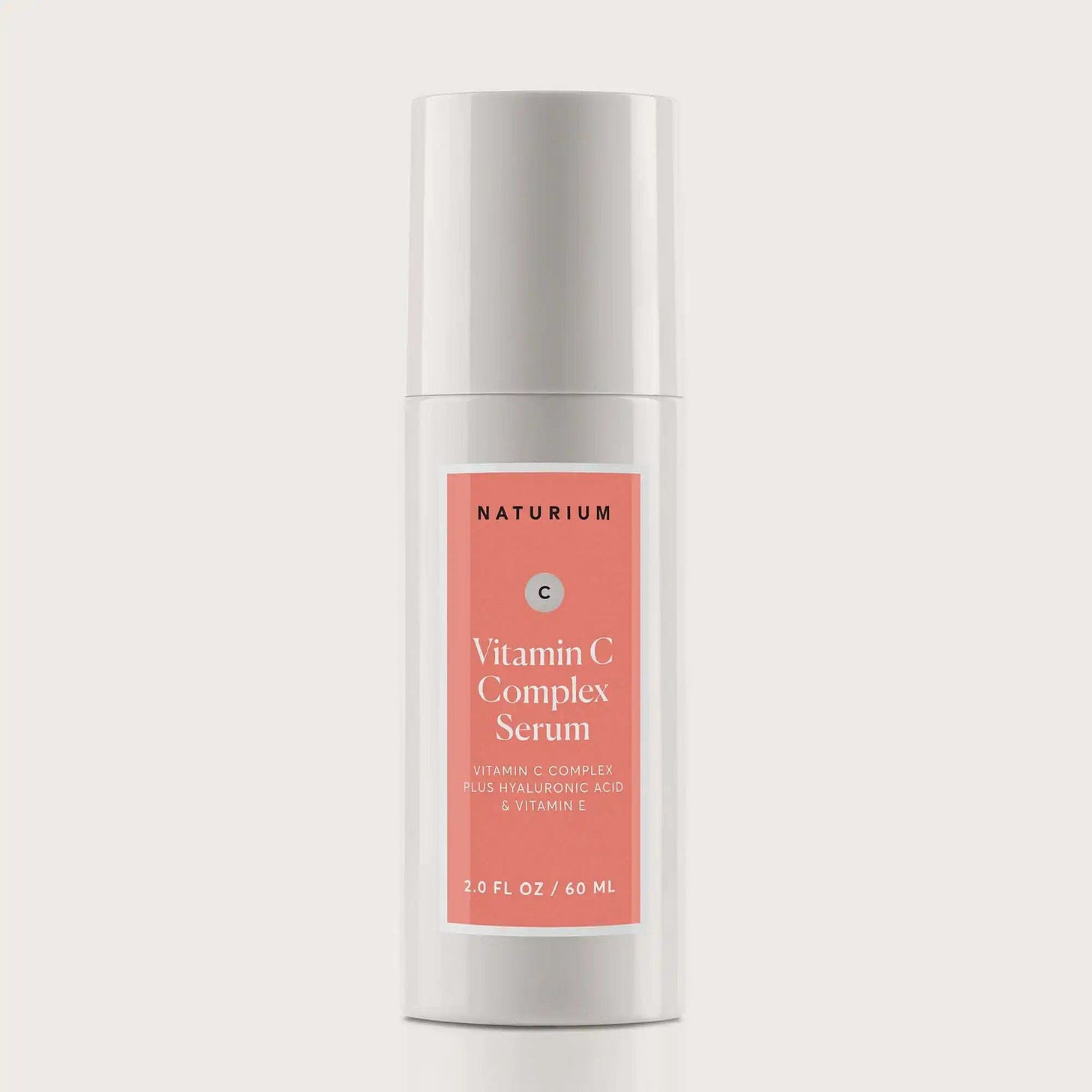
Naturium Vitamin C Complex Serum combines multiple forms of vitamin C with hydrating ingredients, so it feels a little more comfortable on dry or sensitive skin.
Higher-end vitamin C serums can be worth it too.
SkinCeuticals C E Ferulic is the biggest example of that.
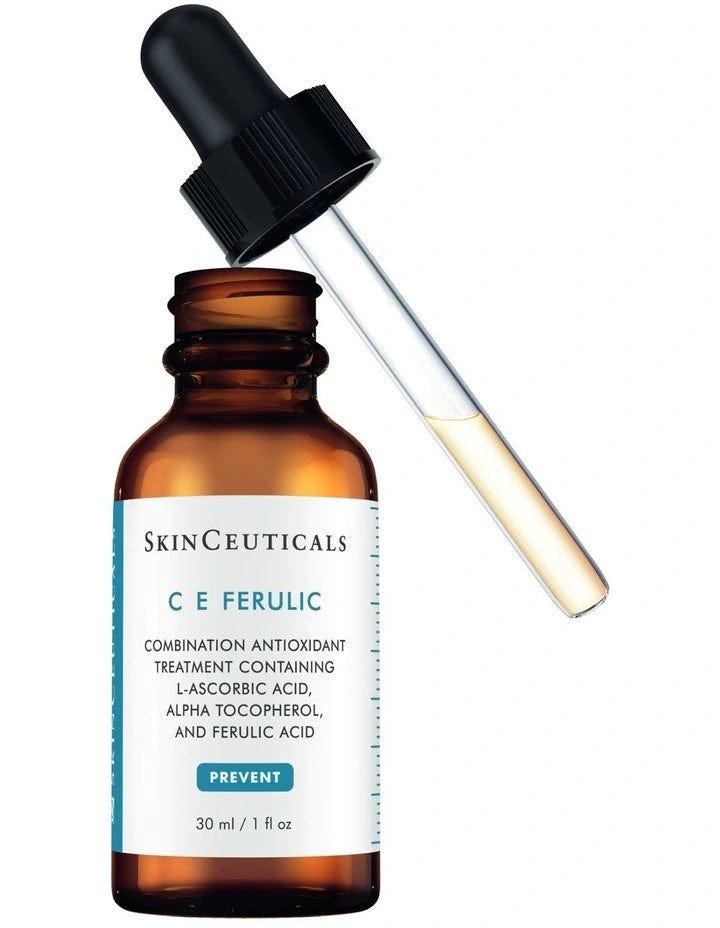
Part of why it costs so much is because SkinCeuticals holds the original patent on the specific C E Ferulic formula, including the active ingredient combination and the pH it’s stabilized at.
It’s still one of the most respected vitamin C serums for a reason.
But I still don’t think you need to spend $200 to get a vitamin C serum that works well.
If you want more vitamin C recommendations, I also wrote a full article on 10 Vitamin C Serums You Should Know About.
Final Thoughts
Vitamin C serums can absolutely be worth using, but a lot of the experience comes down to the formula itself and whether it fits into your skin and routine.
Strong L-ascorbic acid serums work great for certain skin types, while other people end up preferring gentler derivatives instead.
And depending on the formula, two people can end up having completely different experiences with vitamin C.
One person might see brighter, smoother skin in a few weeks, while somebody else ends up irritated before they even finish the bottle.
That’s also part of why I don’t think a vitamin C serum needs to be the most expensive formula on the market to work well.
At this point, I don’t think there’s one perfect vitamin C formula for everybody.
A lot of skincare is just finding products your skin tolerates well and building a routine you can stick with long term.
Cheers,