

If you have combination skin, putting together a routine can be a little tricky.
A product might feel great on one part of your face and wrong somewhere else.
That doesn’t mean you need a complicated routine or a separate product for every area.
A few well-chosen products can go a long way.
From there, it comes down to paying attention to what your skin needs.
Below, I’m sharing the morning and nighttime routine I’d recommend for combination skin, including some of my favorite products and treatment options along the way.
What Is Combination Skin?
Combination skin means different areas of your face behave differently, which is why it can sometimes feel like you’re dealing with two skin types at once.
The most common pattern is an oilier T-zone, especially around your forehead, nose, and chin, with cheeks that are normal or dry.

You might notice things like:
More shine around your nose and forehead
Clogged pores or breakouts concentrated in oilier areas
Dryness or tightness on your cheeks
Certain products working really well on one part of your face and feeling completely wrong somewhere else
There’s research behind this regional difference too.
One study measured sebum production at five areas of the face throughout the year and found that the forehead, nose, and chin produced more sebum than the cheeks.
Interestingly, the researchers also found seasonal changes in oil production, with summer having the highest levels.
That last part is worth paying attention to because your skin type isn’t necessarily going to look identical all year.
You may feel much oilier during hot, humid months and need a lighter moisturizer, then notice your cheeks getting drier once the weather changes.
This is why I wouldn’t try to force combination skin into an entirely “oily skin” or “dry skin” routine.
You can keep the same basic routine across your face, but you may need to adjust certain products, or even how much of them you apply, based on where you’re oily and where you need more moisture.
Morning Skincare Routine for Combination Skin
I’d keep your morning routine pretty lightweight.
You want enough hydration to keep the drier parts of your face comfortable, without layering so much that your T-zone feels greasy a few hours later.
1. Start With a Gentle Cleanser
If your T-zone gets oily but your cheeks tend to feel dry, you want a cleanser that can remove excess oil without stripping the rest of your face.
Naturium Niacinamide Cleansing Gelée 3% is a good option here.
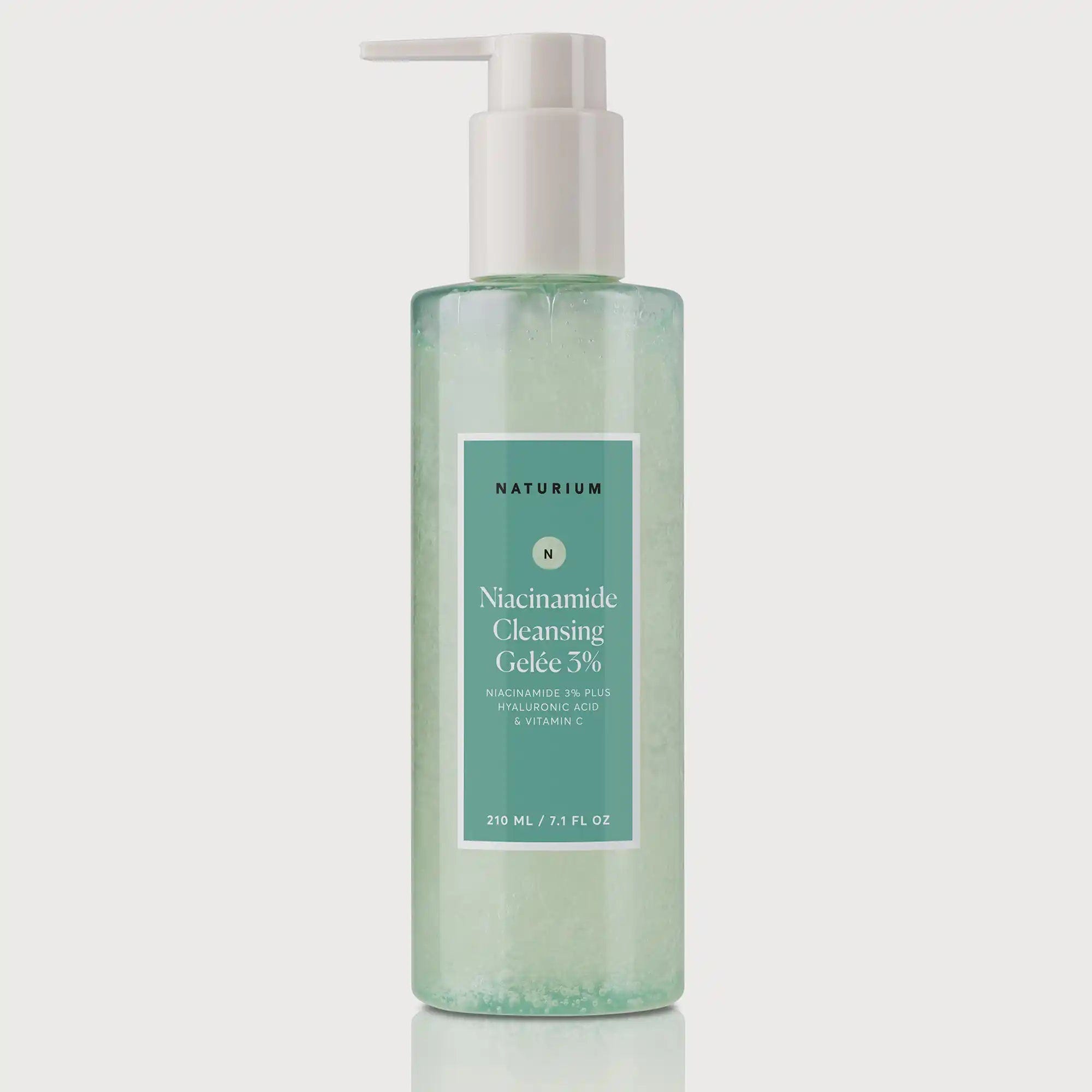
It has a lightweight, essence-like texture with 3% niacinamide and hyaluronic acid, so you can get your skin clean without that tight, dry feeling afterward.
2. Use a Vitamin C Serum
I like vitamin C in the morning if uneven tone or dark spots are something you’re trying to improve.
Skinfix Brighten + Firm 15% Vitamin C Serum uses 15% THD ascorbate, a stable form of vitamin C, along with ferulic acid and vitamin E.
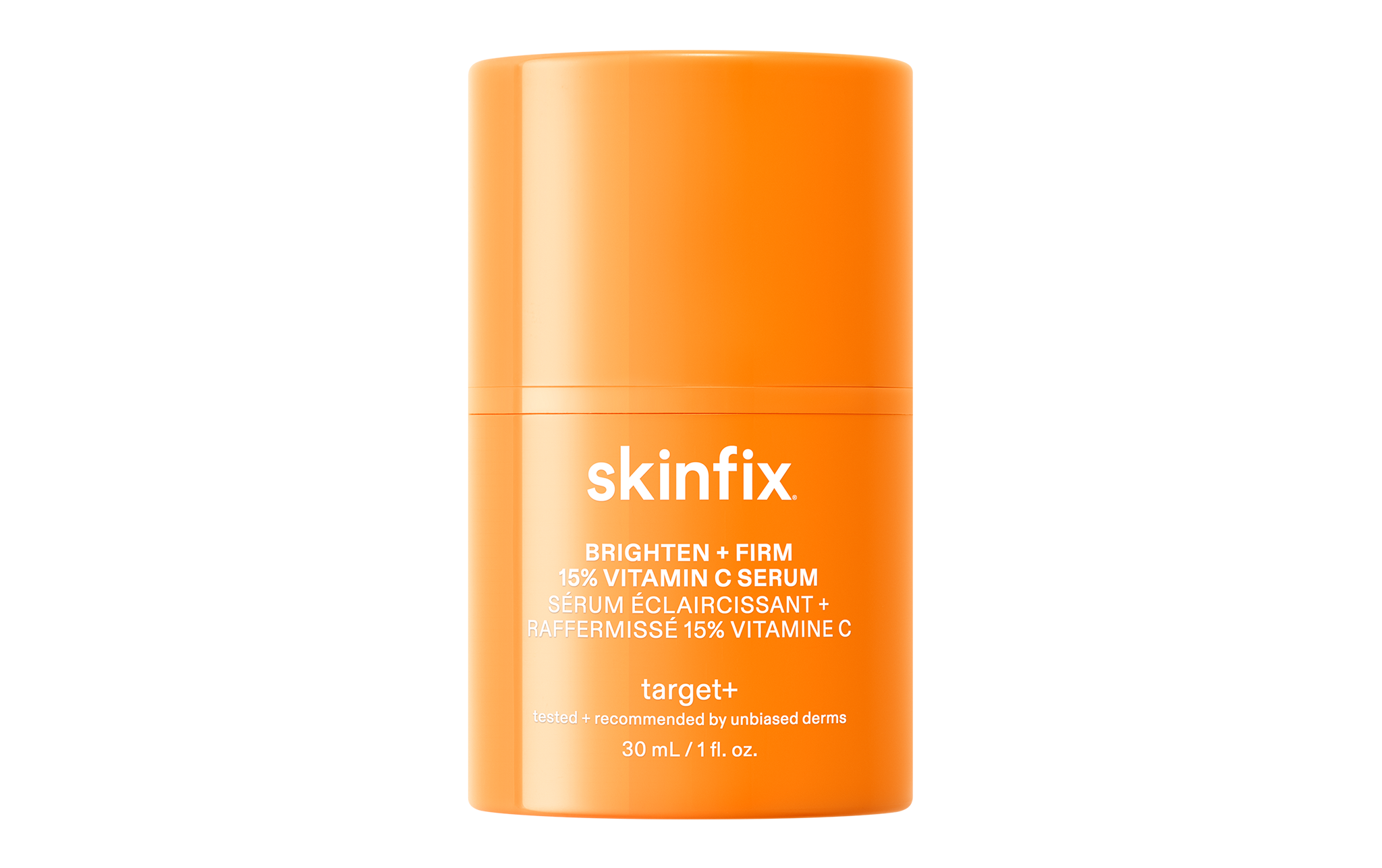
I like this one if you want to work on dullness and uneven tone without using a formula that feels too heavy in the morning.
3. Keep Your Moisturizer Lightweight
Combination skin still needs moisturizer, but you don’t need the same amount everywhere.
If your cheeks are dry while your forehead and nose get oily, you can use a little more moisturizer on the areas that need it.
Naturium Niacinamide Gel Cream 5% is a good option if your combination skin leans oily.
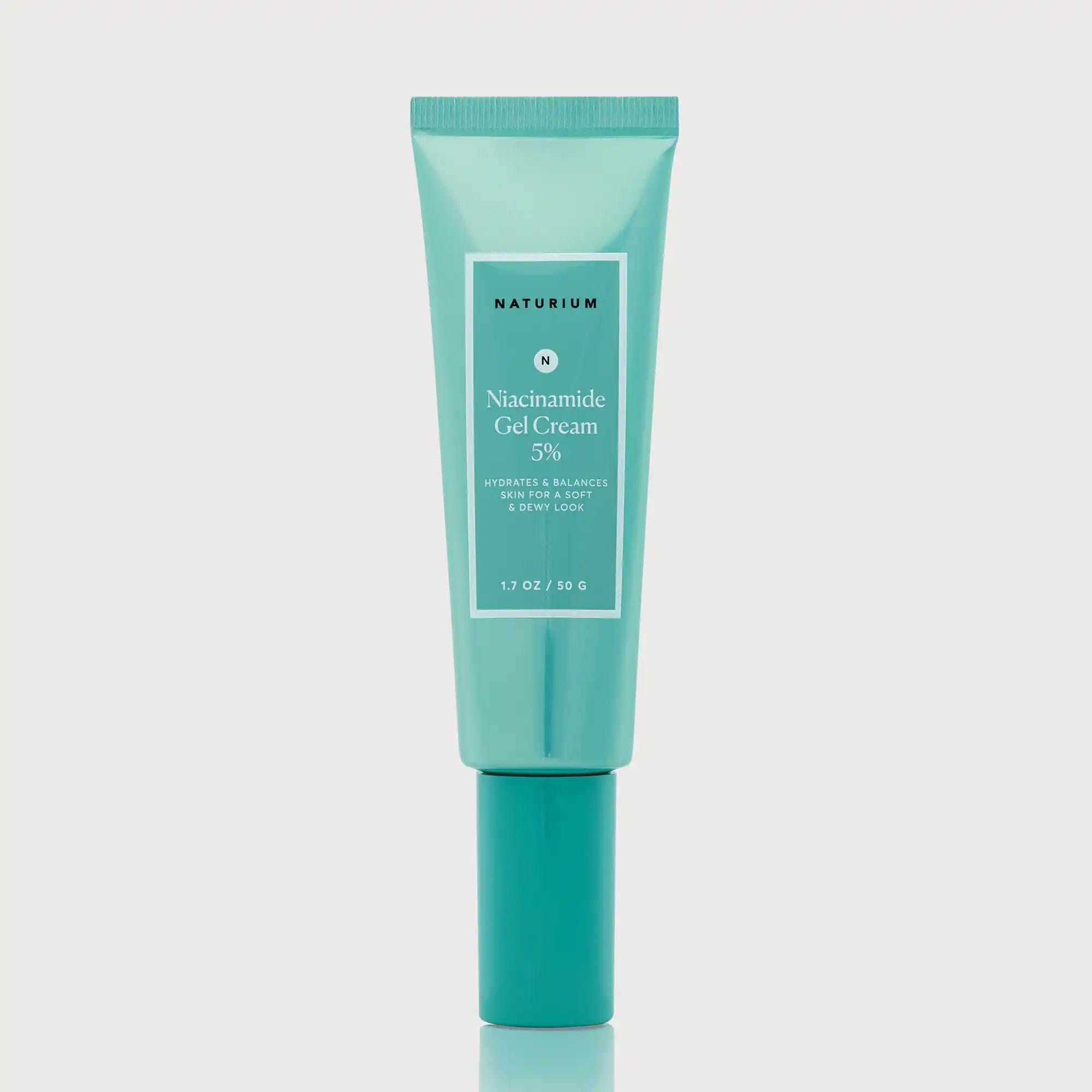
It has a lightweight gel-cream texture and combines 5% niacinamide with hydrating ingredients, so you get moisture without the heavier feel of a rich cream.
If your combination skin leans drier, Prequel Barrier Therapy Skin Protectant Cream is another option.
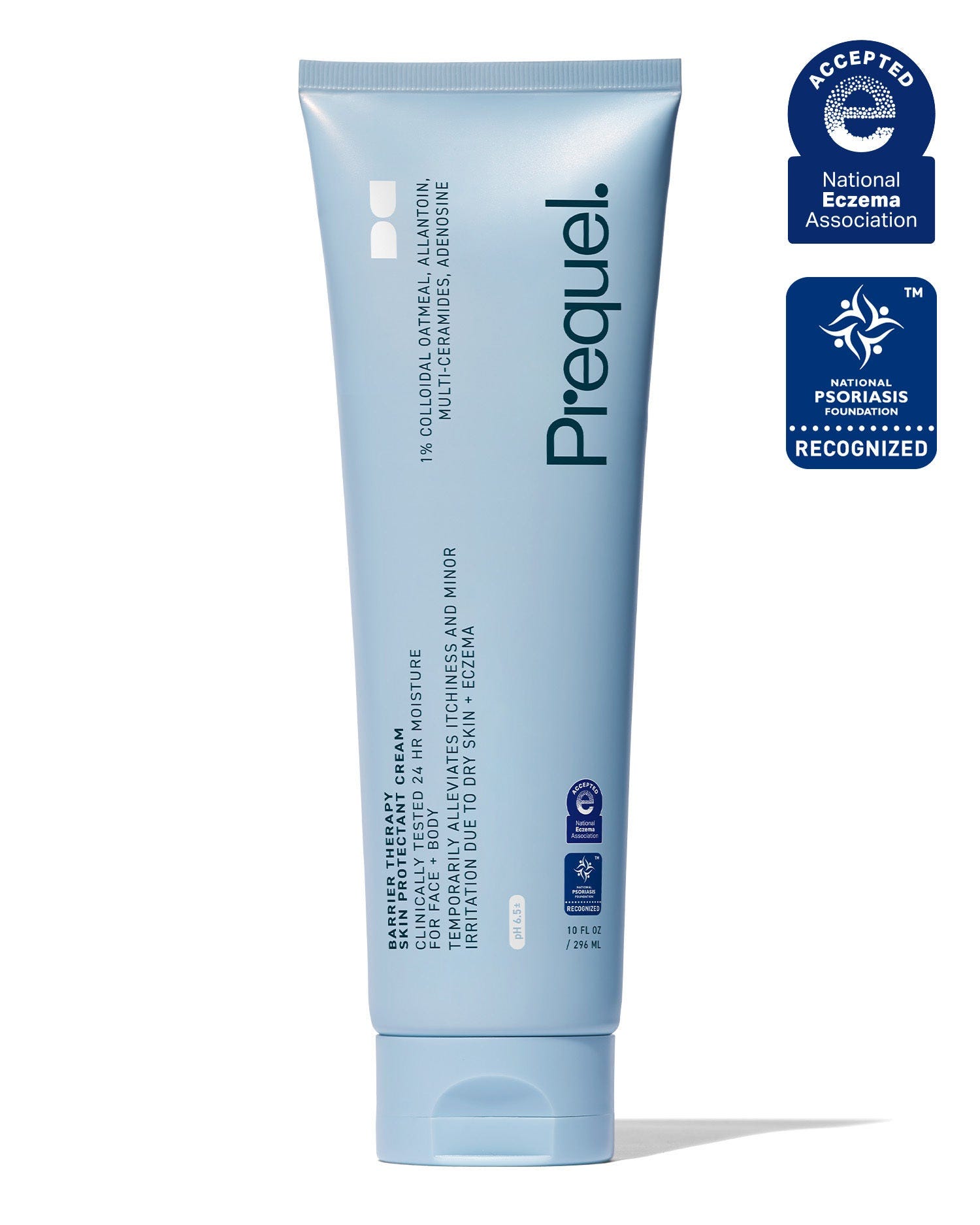
It combines colloidal oatmeal with ceramides to soothe dry skin and support your skin barrier, so I’d look at this one if your cheeks tend to need more moisture than your T-zone.
4. Finish With Sunscreen
Finish with a broad-spectrum SPF 30 or higher every morning.
Sunscreen texture matters with combination skin because something that feels fine on your cheeks can end up feeling too heavy once your T-zone starts getting oily.
EltaMD UV Clear Broad-Spectrum SPF 46 is one of my favorite options if you’re prone to breakouts or clogged pores.
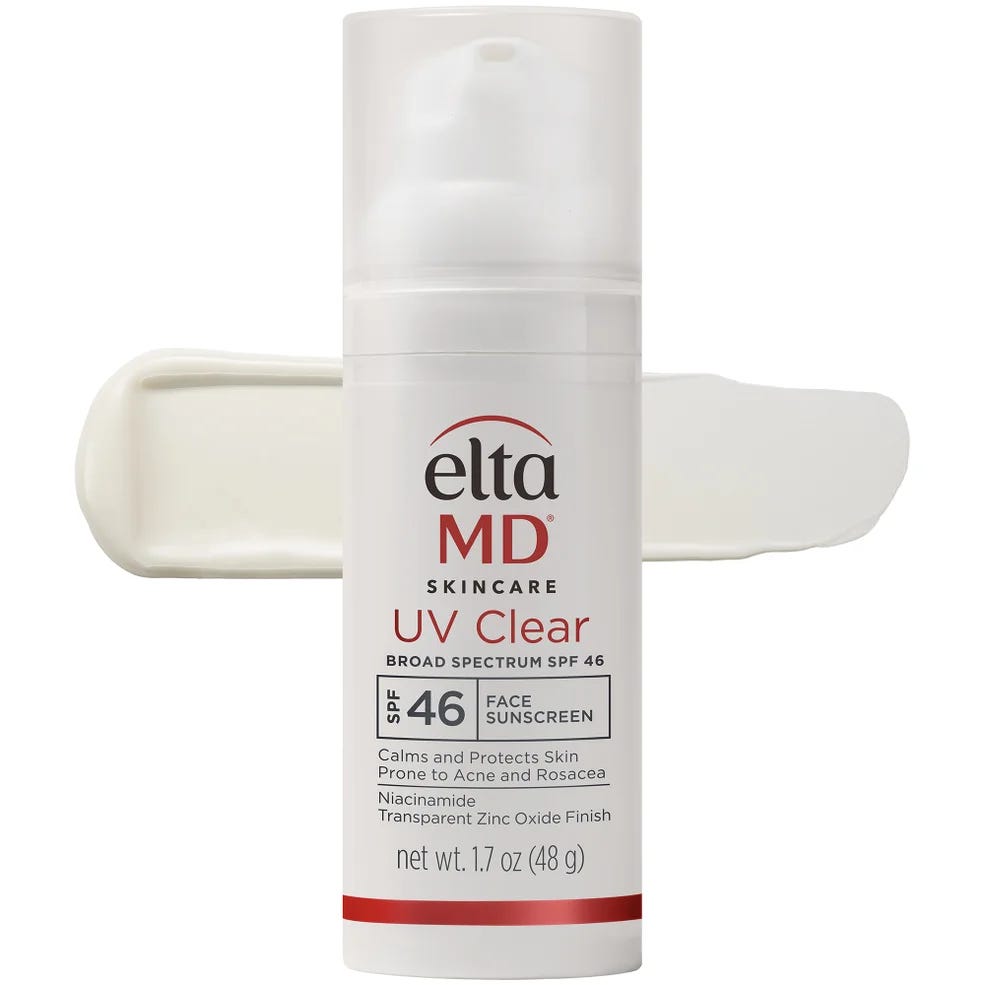
It’s lightweight and oil-free, with niacinamide and sodium hyaluronate, which makes it a good fit if your combination skin also leans acne-prone.
Supergoop! Unseen Sunscreen SPF 50 is another good option if you prefer more of a primer-like finish.
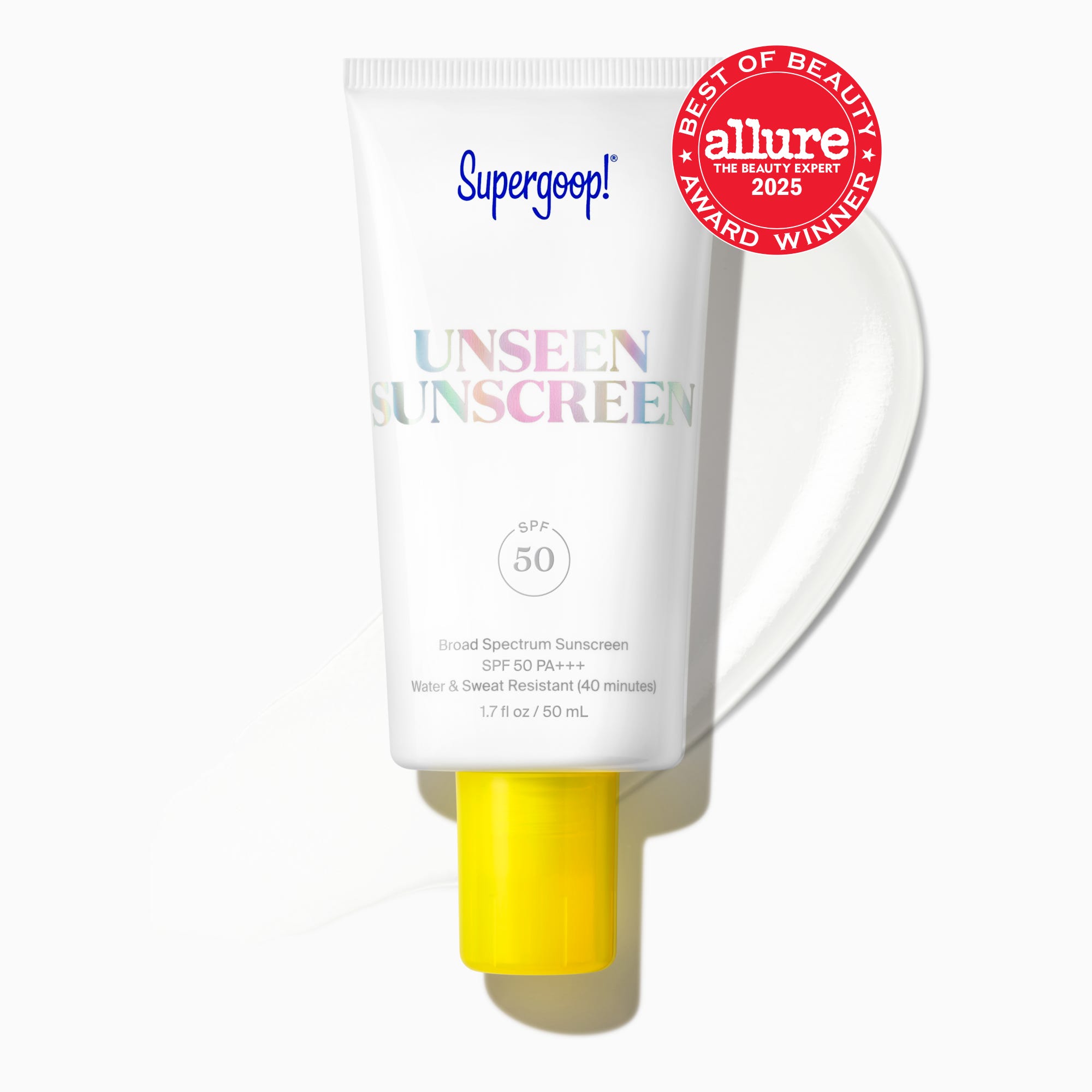
It has a weightless gel texture that feels comfortable on combination skin, dries down with a natural finish, and doesn’t leave a white cast.
I like this one if you wear makeup since it doubles as a primer.
Nighttime Skincare Routine for Combination Skin
Your nighttime routine is where I’d focus more on removing makeup and sunscreen, treating whatever concerns you’re dealing with, and giving your skin enough moisture to recover overnight.
You don’t need to use every treatment at once.
What you use after cleansing should depend on what your skin needs.
1. Remove Makeup and Sunscreen
If you wear makeup or sunscreen during the day, I like starting with Versed Day Dissolve Cleansing Balm before going in with your regular cleanser.
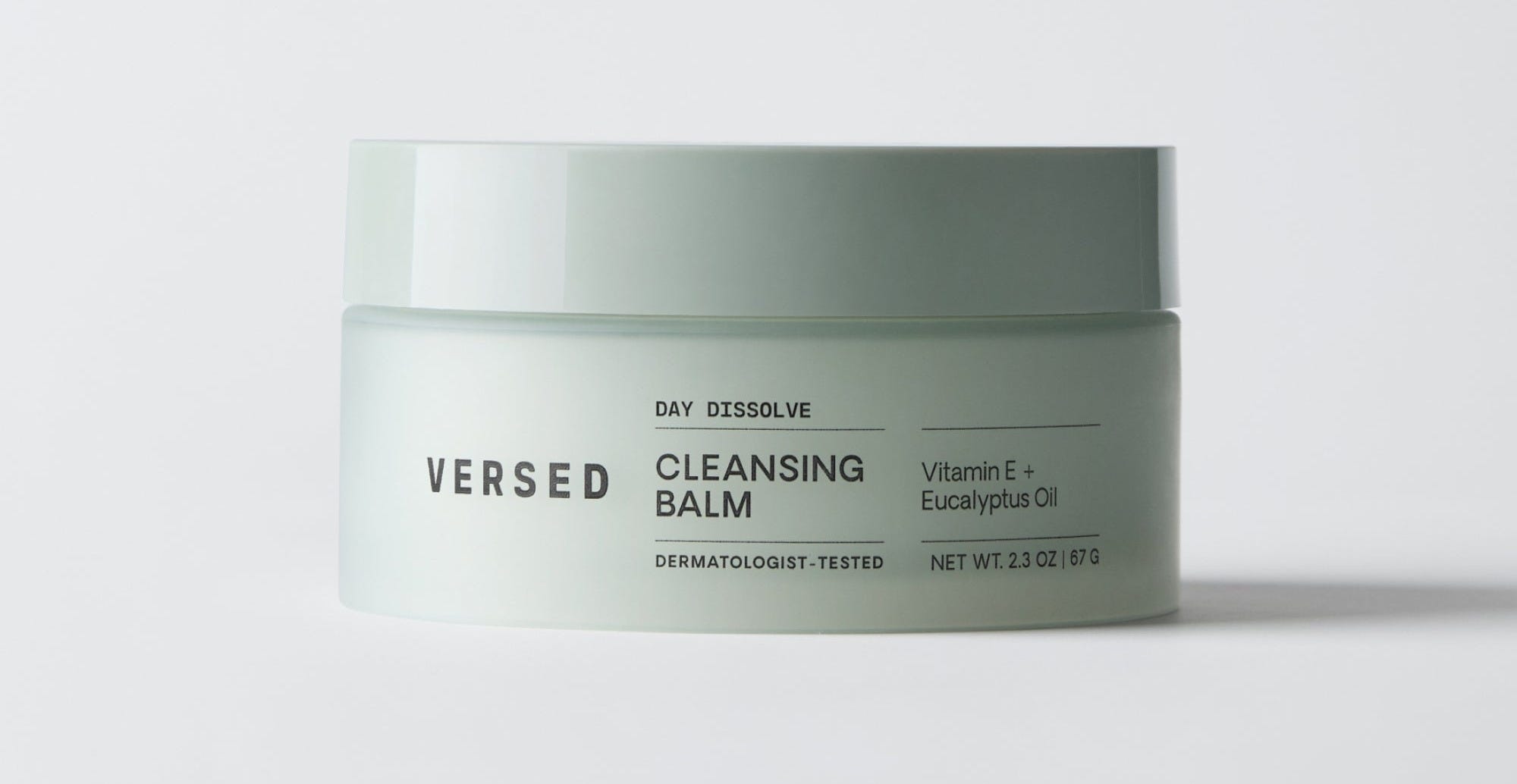
A cleansing balm helps break everything down first, then you can follow with the Naturium Niacinamide Cleansing Gelée 3% to remove anything left behind.
2. Choose a Treatment Based on Your Skin
If clogged pores, excess oil, or breakouts are your main concern, Naturium Salicylic Acid Serum 2% is a good option.
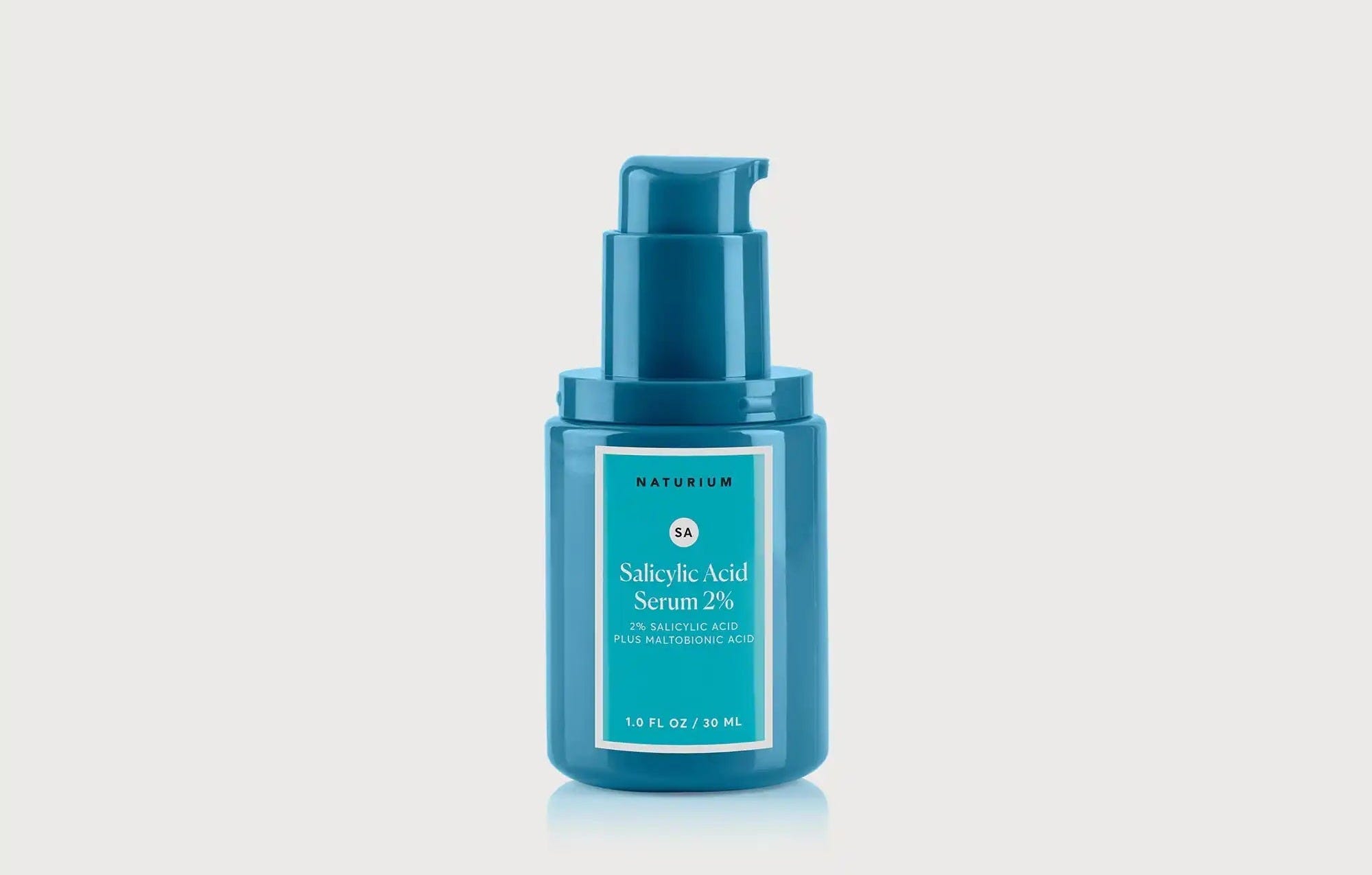
Salicylic acid is oil-soluble, so it can get into your pores and help clear out the buildup that contributes to congestion.
You also don’t have to use it everywhere.
If your cheeks are dry but you tend to get clogged pores around your nose, forehead, or chin, you can concentrate it on those areas.
If you’re more concerned with texture, breakouts, or signs of aging, Cocokind Beginner Retinol Gel is another option.
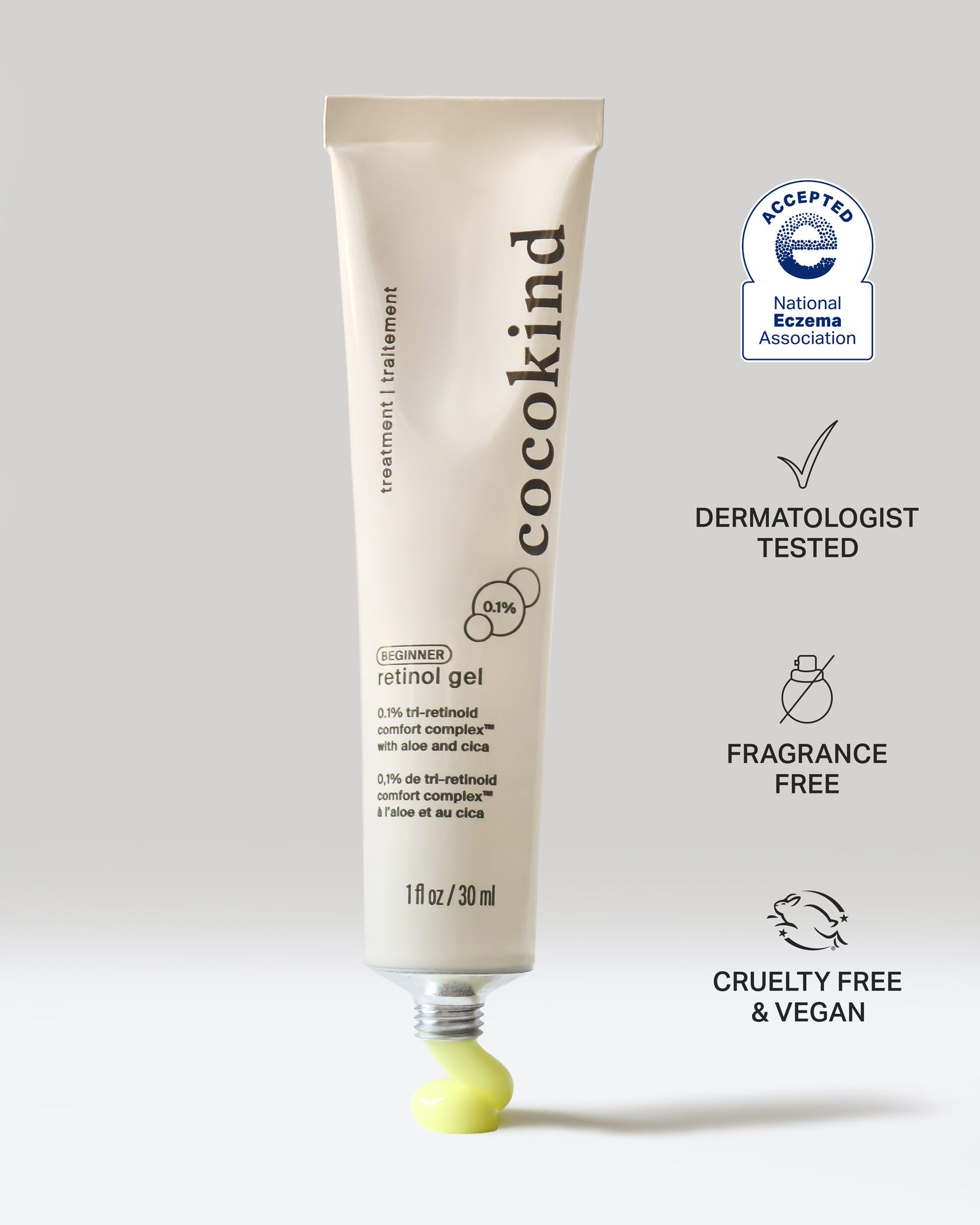
It uses a blend of retinol, retinal, and granactive retinoid along with aloe, cica, and squalane, and I like this one if you’re newer to retinoids.
I wouldn’t use the salicylic acid and retinoid together when you’re starting out.
Alternate nights and see how your skin responds before deciding how often you need either one.
Note: If you want to learn more about either treatment before adding one to your routine, I’ve written more detailed guides on how to use salicylic acid and how to get started with retinol. They go deeper into how each ingredient works, how often to use it, and what to watch for when you’re starting out.
3. Finish With Moisturizer
At night, I like Medik8 Advanced Ceramide Night Cream when my skin needs something richer.
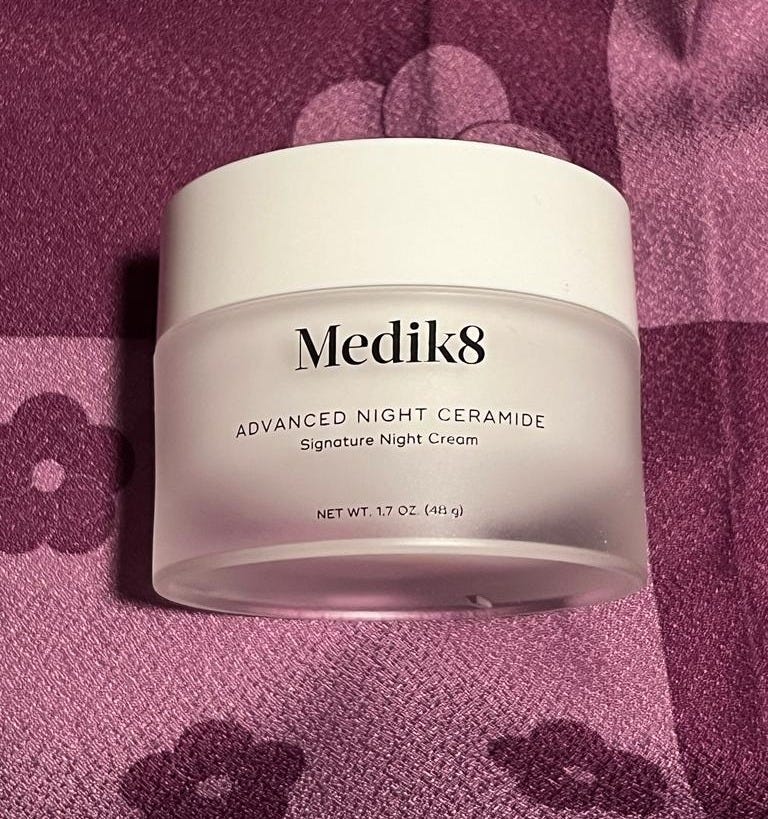
It has a silky texture and gives you plenty of moisture without leaving that heavy, greasy feeling afterward.
I’ve gone through more than two full-size tubs of this and even keep a travel size around, so it’s one I come back to a lot.
I also like pairing it with retinoids when my skin needs more barrier support.
What to Be Careful With
You don’t need to avoid specific ingredients just because you have combination skin.
I’d pay more attention to how much you’re doing and how your skin responds.
Don’t overdo exfoliation. Salicylic acid can help with clogged pores and excess oil, but using it too often can leave the drier parts of your face irritated.
Go slowly with retinoids. Dryness, peeling, and irritation are common when you’re starting out, so give your skin time to adjust.
Be careful about stacking actives. If you’re using a retinoid, you don’t need to pile on exfoliating acids the same night when you’re new to either one.
Pay attention to different areas of your face. Your T-zone may tolerate a treatment better than your cheeks, so you can adjust where and how often you use it.
Final Thoughts
Combination skin can take a little trial and error because different parts of your face may need different things, but your routine doesn’t have to be complicated because of it.
Start with a simple routine and pay attention to how your skin responds.
If your T-zone is getting congested while your cheeks feel fine, you can target that area instead of changing everything.
The same goes for dryness.
Sometimes you just need a little more moisturizer where your skin needs it.
Once you figure out that balance, combination skin gets a lot easier to work with.
Cheers,