

Acne is probably the number one skin problem I get asked about, and honestly, it’s personal for me too.
A few years ago, my own breakouts got bad enough that I basically became obsessed with figuring out how skincare actually works.
And yeah, I went through the phase where I just grabbed whatever said “oil-free” on the label and hoped for the best.
Didn’t really work out. Shocking, I know.
It took some time, a lot of failed products, and way too many hours reading ingredient labels to finally find stuff that actually helps.
If you want to know about foods and habits that affect your skin, I talk about that in this post.
But today I’m focusing on products, specifically the ones I keep coming back to because they work.
Most of the good ones have at least one of these key ingredients in them:
Salicylic Acid: Deep-cleansing exfoliant that unclogs pores and sloughs off dead skin cells, targeting acne at its source.
Benzoyl Peroxide: Potent antibacterial agent that zaps acne-causing bacteria and reduces inflammation for clearer skin.
Mandelic Acid: Gentle exfoliant derived from almonds that dissolves dead skin cells and improves skin texture without irritation.
Sulfur: Natural element that absorbs excess oil and unclogs pores, reducing acne and preventing new breakouts.
Azelaic Acid: Multi-tasking powerhouse that diminishes acne, fades dark spots, and calms inflammation for smoother, more even skin.
Zinc Oxide: Soothing mineral that reduces inflammation, controls oil, and acts as a protective barrier against acne-causing irritants.
So, let’s dive into the top 10 acne-fighting products you can use at home.
1. Best overall: Adapalene Gel 0.1%
If you’re dealing with acne, Differin gel might just become your new best friend.
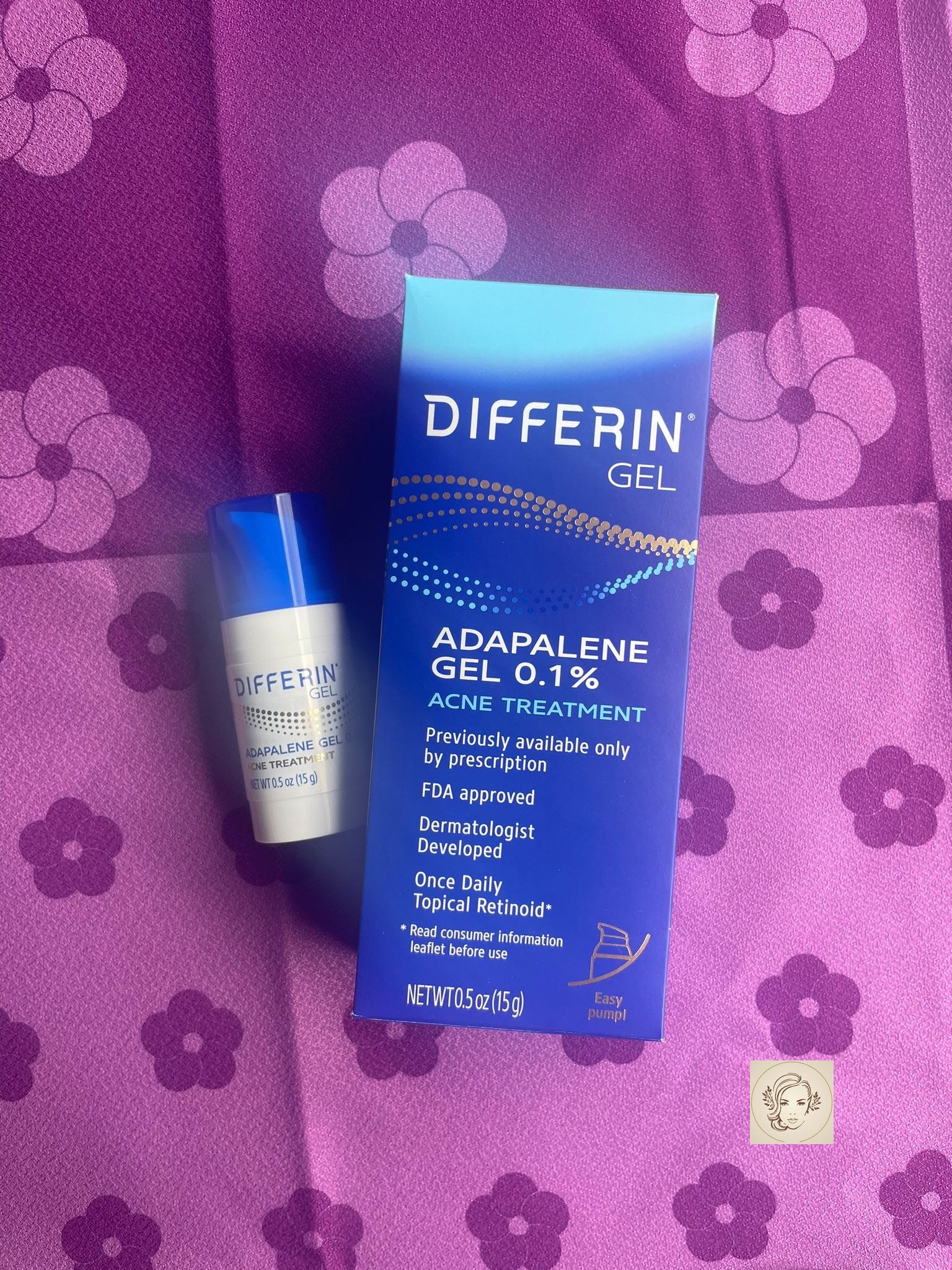
It works best for mild to moderate breakouts, and adapalene is one of the better retinoid options out there for keeping acne under control.
The catch is that it’s not a spot treatment.
You can’t just use it once or twice and expect results the way you might with salicylic acid or benzoyl peroxide.
Retinoids work by speeding up how fast your skin cells turn over, and that cycle takes about 28 days.
So you really do have to be consistent, and most people need 3 to 6 months before they see a real difference.
Start with a pea-sized amount 2 to 3 times a week, then slowly work up to 5 or 6 nights.
Always apply it at night, and follow up with a moisturizer.
Beyond the gel itself, I also really like two other products from the Differin line.
The Daily Deep Cleanser has 5% benzoyl peroxide, which treats and prevents breakouts without being too harsh.
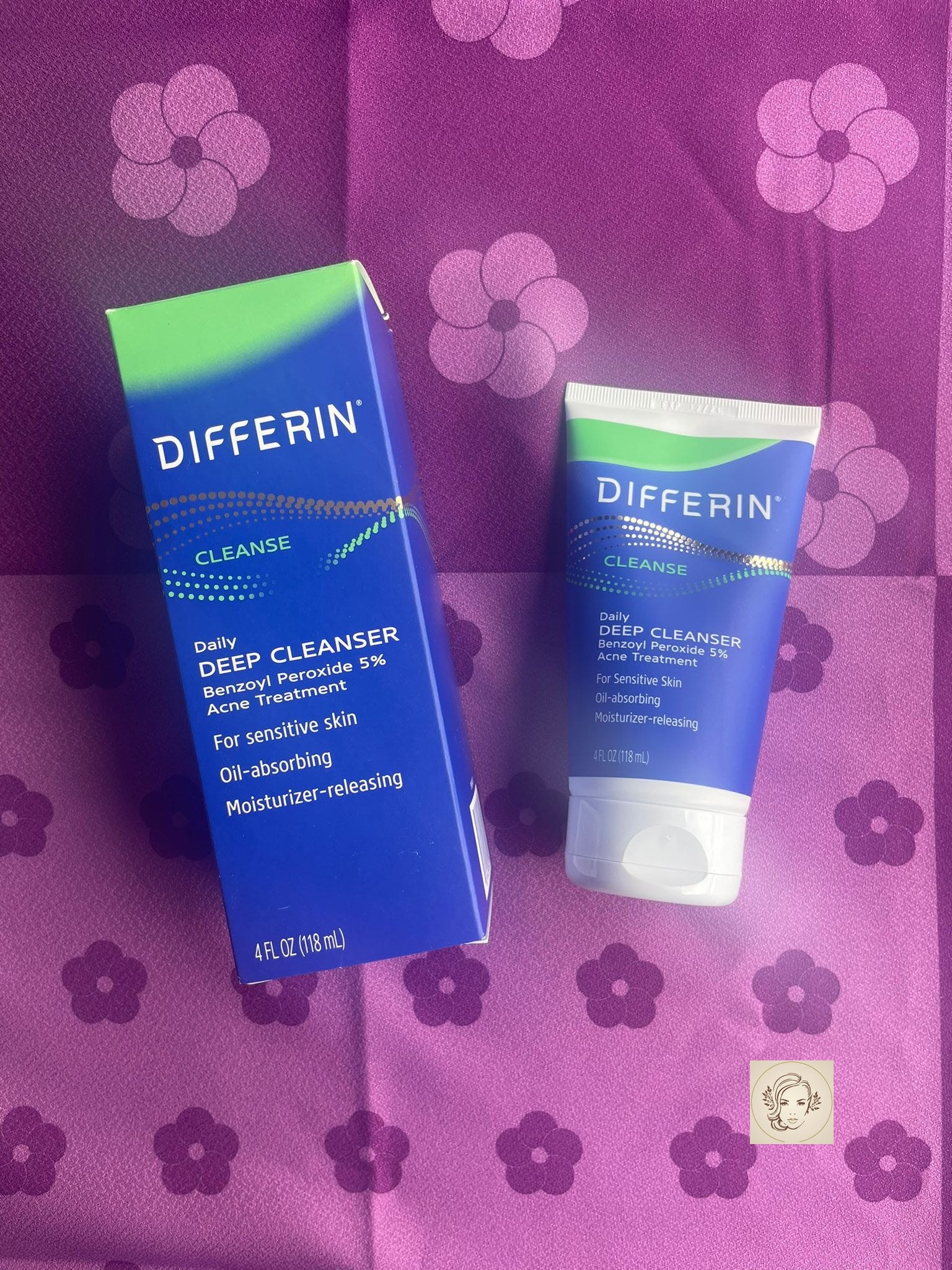
It soaks up extra oil and releases a light moisturizer that won’t clog your pores.
The Resurfacing Scar Gel is great for what acne leaves behind.
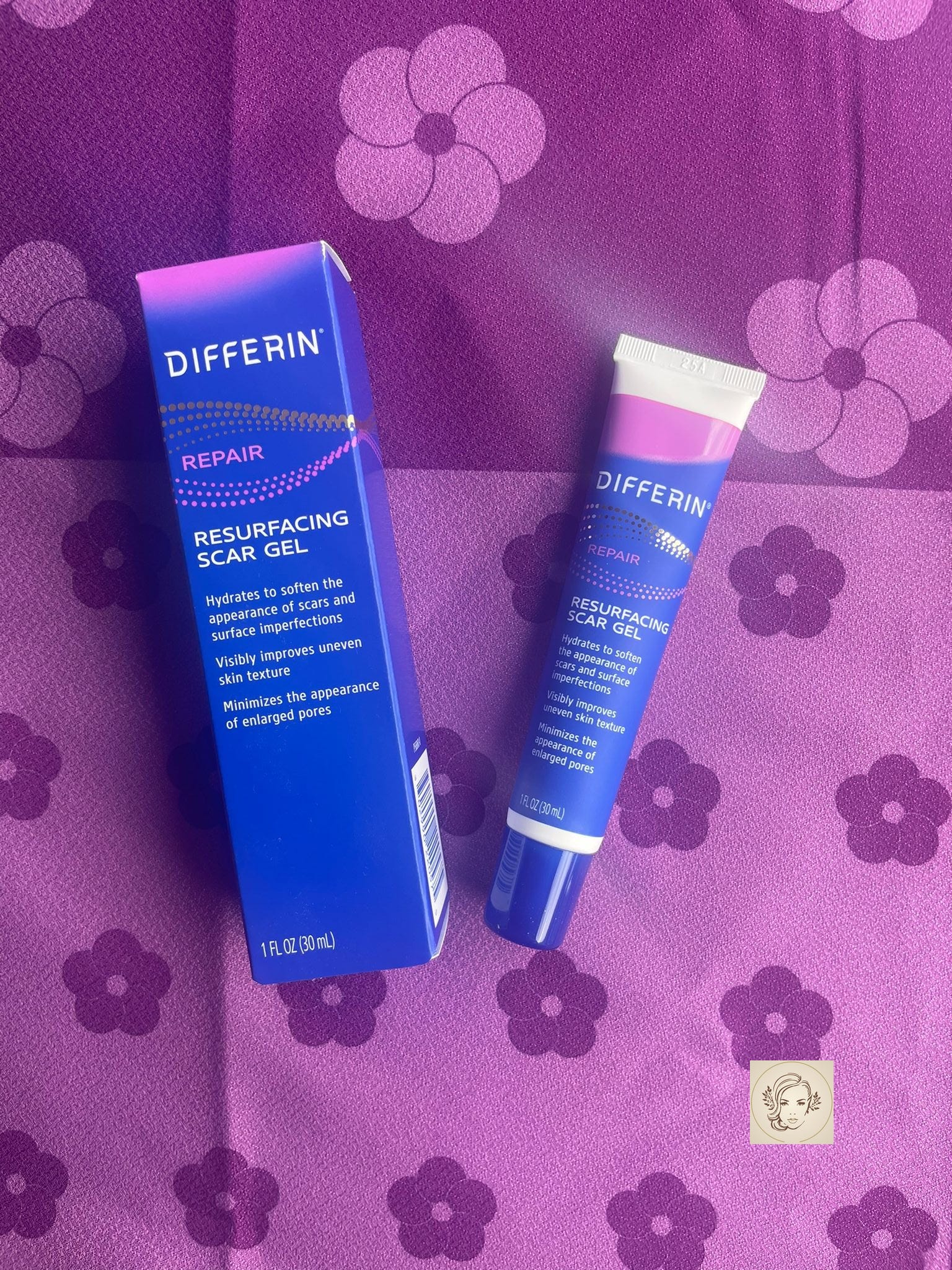
It helps fade post-acne marks, smooth rough texture, and firm the skin with peptides, all while keeping things hydrated.
2. Best for Body Acne: PanOxyl 10% Benzoyl Peroxide Wash
Benzoyl peroxide is honestly one of my favorite acne ingredients, and PanOxyl is one of the easiest and most affordable ways to use it.
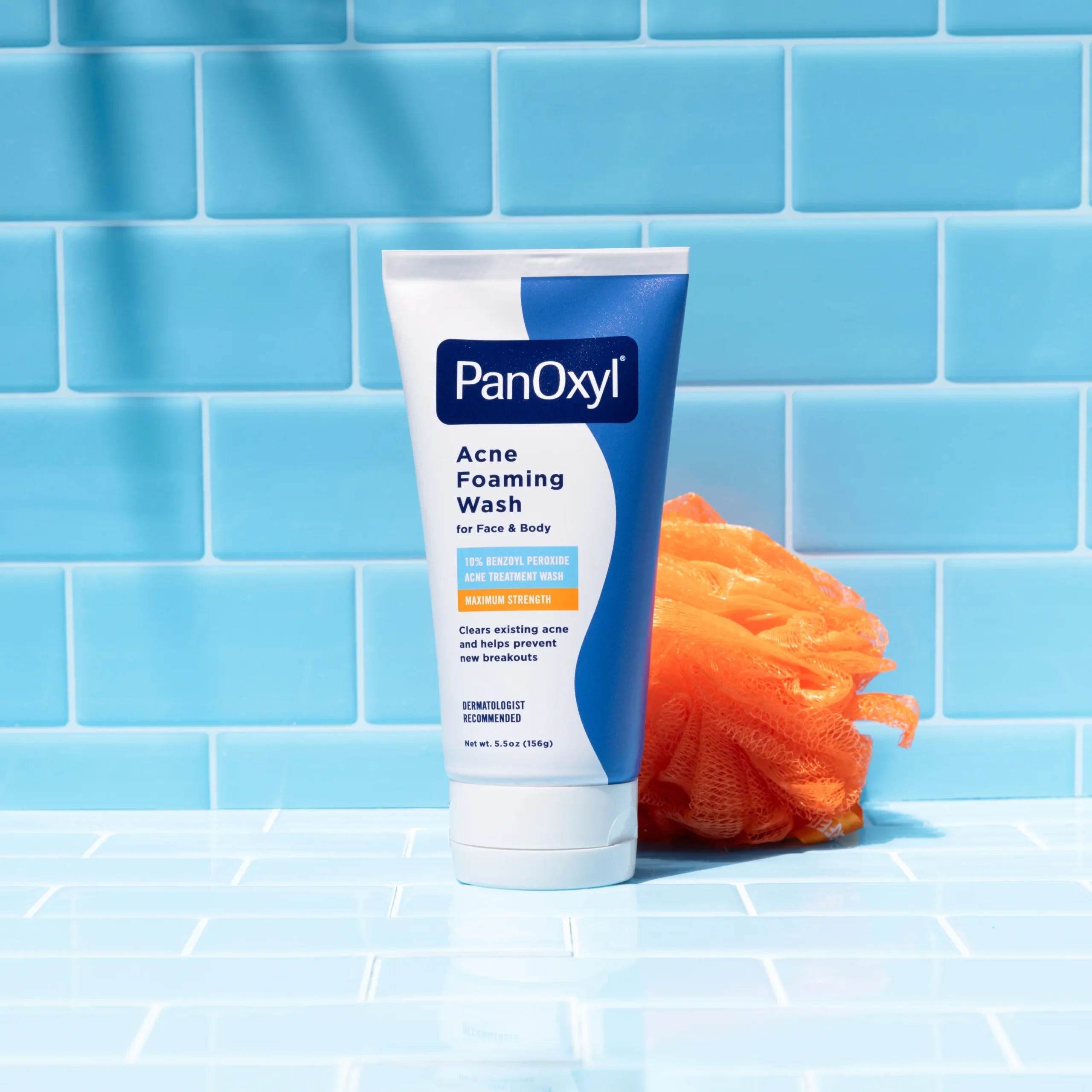
It works by killing the bacteria that cause breakouts in the first place, making it especially good for oily skin.
Personally, I found it just as effective as prescription treatments for inflammatory acne.
It is generally considered stronger than salicylic acid though, so if you have sensitive skin, you may want to patch test or start with a lower concentration.
The nice thing about benzoyl peroxide is how flexible it is.
You can use it as a cleanser, a leave-on gel, a mask, or a spray depending on what works for your routine.
For body acne specifically, I also really like Naturium’s Salicylic Acid Body Spray 2%.
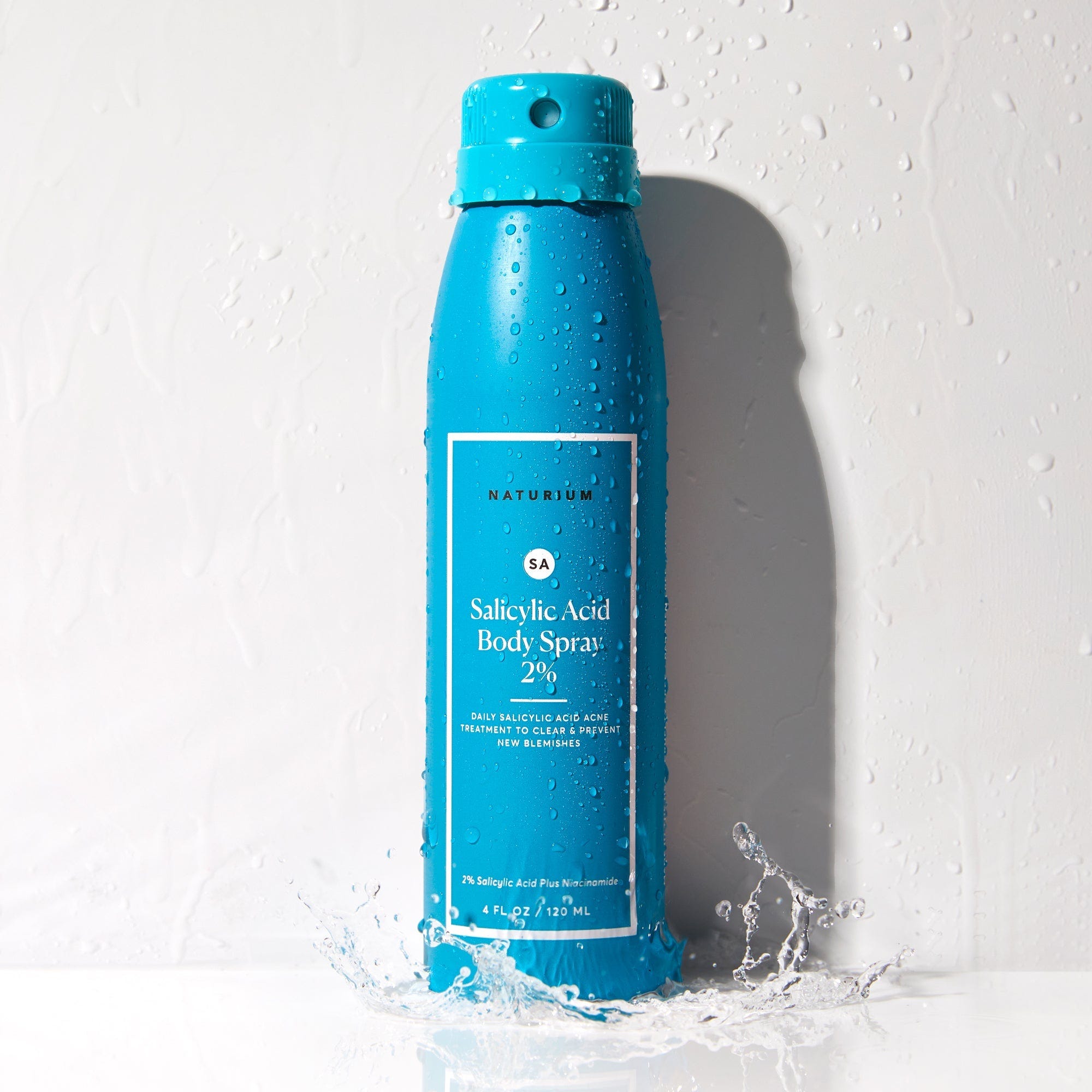
The 360-degree nozzle makes it easy to hit spots on your back or shoulders that are hard to reach.
It has encapsulated salicylic acid and niacinamide to help balance oil and calm irritation, plus a brightening blend to even out skin tone and a fermented complex that adds hydration for smoother skin overall.
3. Best Serum/Gel: Replenix BP Acne Gel 10% Spot Treatment or Naturium Azelaic Topical Acid 10%
If you want something to target individual blemishes, Replenix BP Acne Gel is worth trying.
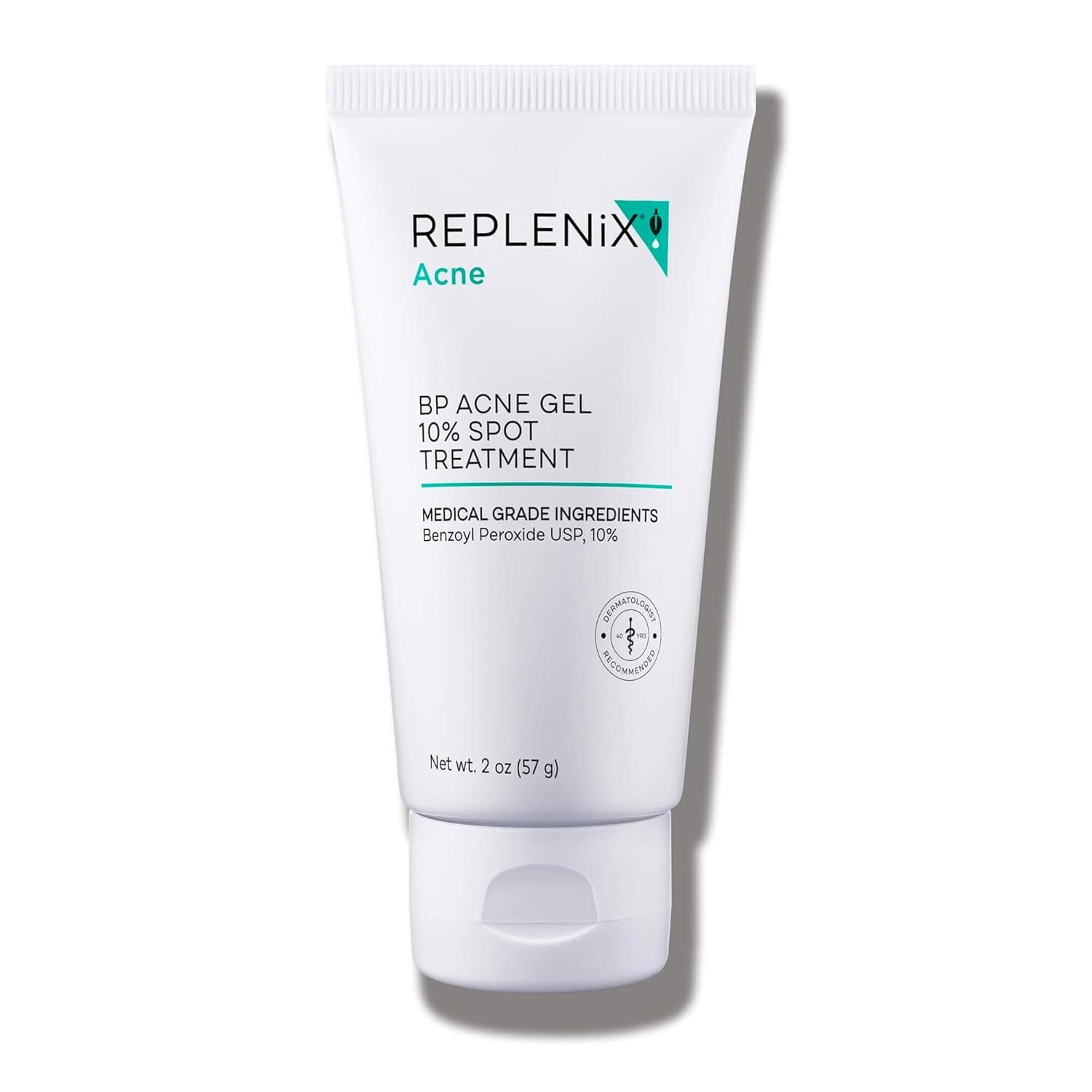
It uses medical-grade benzoyl peroxide, so it’s a step up from your average drugstore spot treatment.
Apply it directly to problem areas and it works to clear existing breakouts while stopping new ones from forming.
It’s strong, so results tend to come pretty quickly.
For something a little gentler, Naturium Azelaic Topical Acid 10% is one of my all-time favorites.
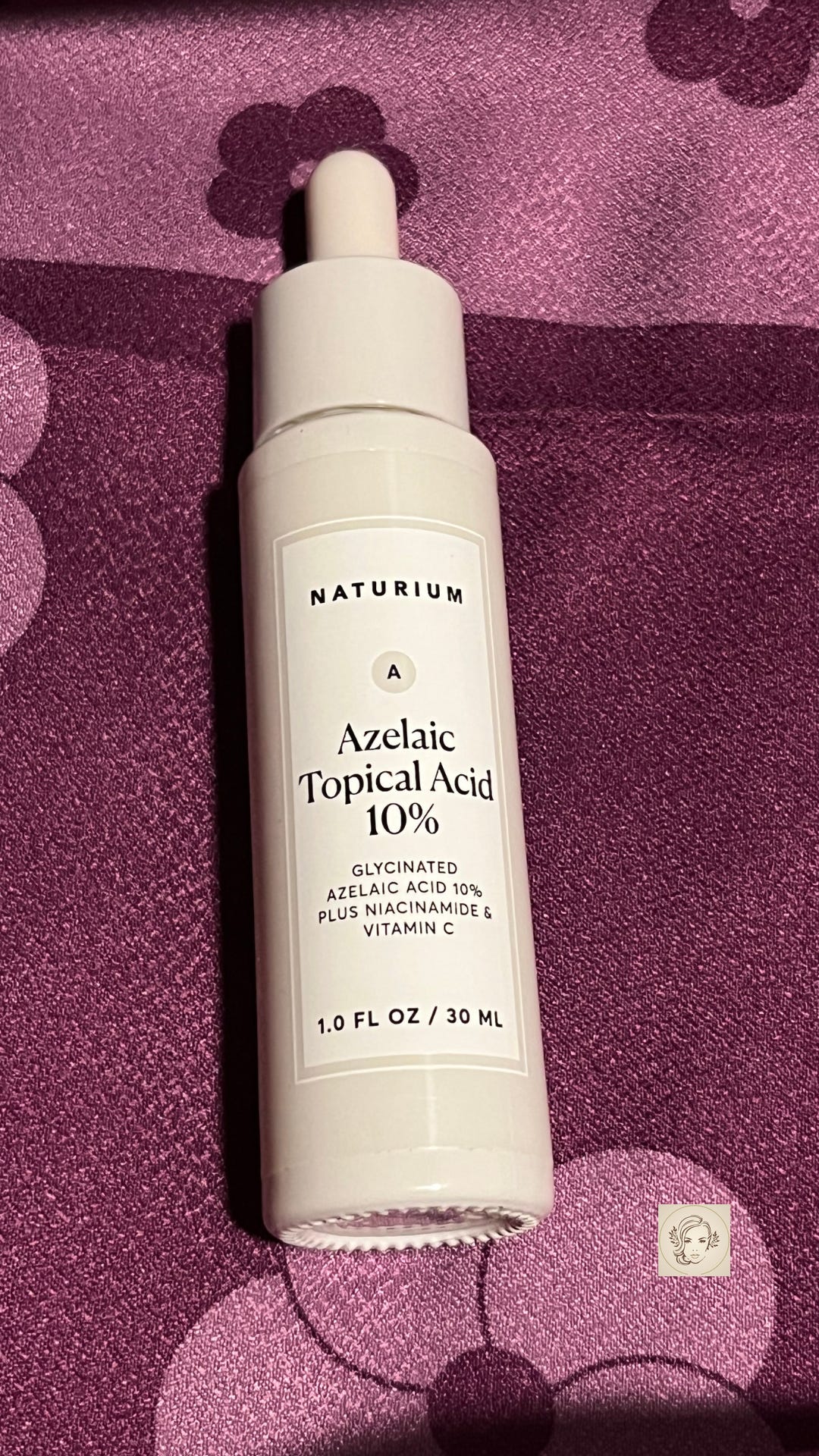
It’s especially good if you’re dealing with acne alongside red marks, rosacea, or just general uneven skin tone.
The formula combines a glycinated azelaic acid complex with niacinamide, vitamin C, and coffee seed extract, which together help brighten skin and improve tone over time.
It also balances oil without drying your skin out.
Sensitive skin types tend to do really well with this one.
4. Best Face Mask: Sofie Pavitt BP Mask or Murad Rapid Relief Acne Sulfur Mask
The Sofie Pavitt Face Reset BP Mask is a newer find for me and I’m genuinely impressed.
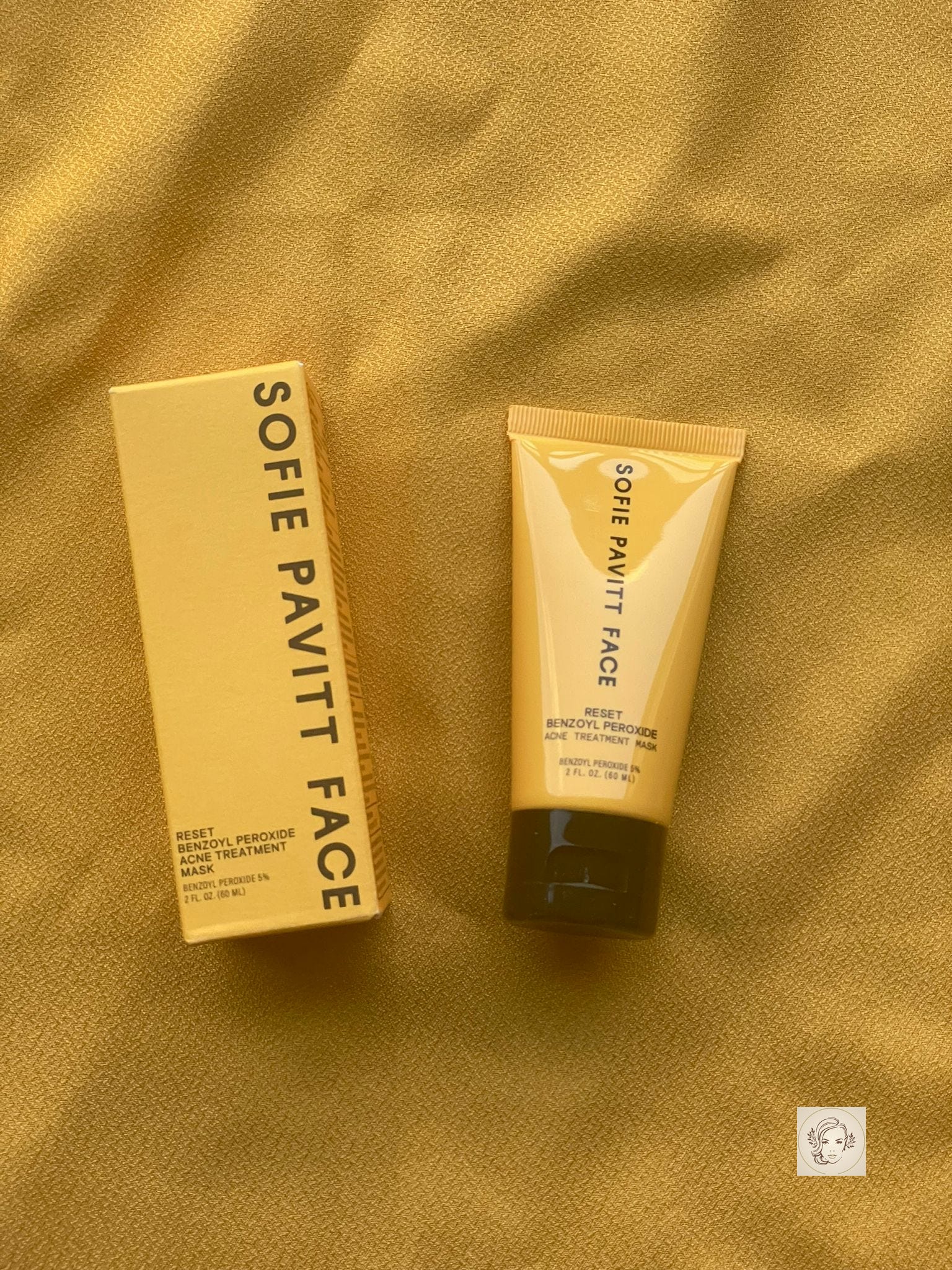
It has 5% benzoyl peroxide, but unlike most BP products, it’s an actual rinse-off mask. You leave it on for 3 to 5 minutes and wash it off.
It’s effective without being drying, which is pretty rare for a benzoyl peroxide formula.
If benzoyl peroxide tends to irritate your skin, the Murad Rapid Relief Acne Sulfur Mask is a solid alternative.
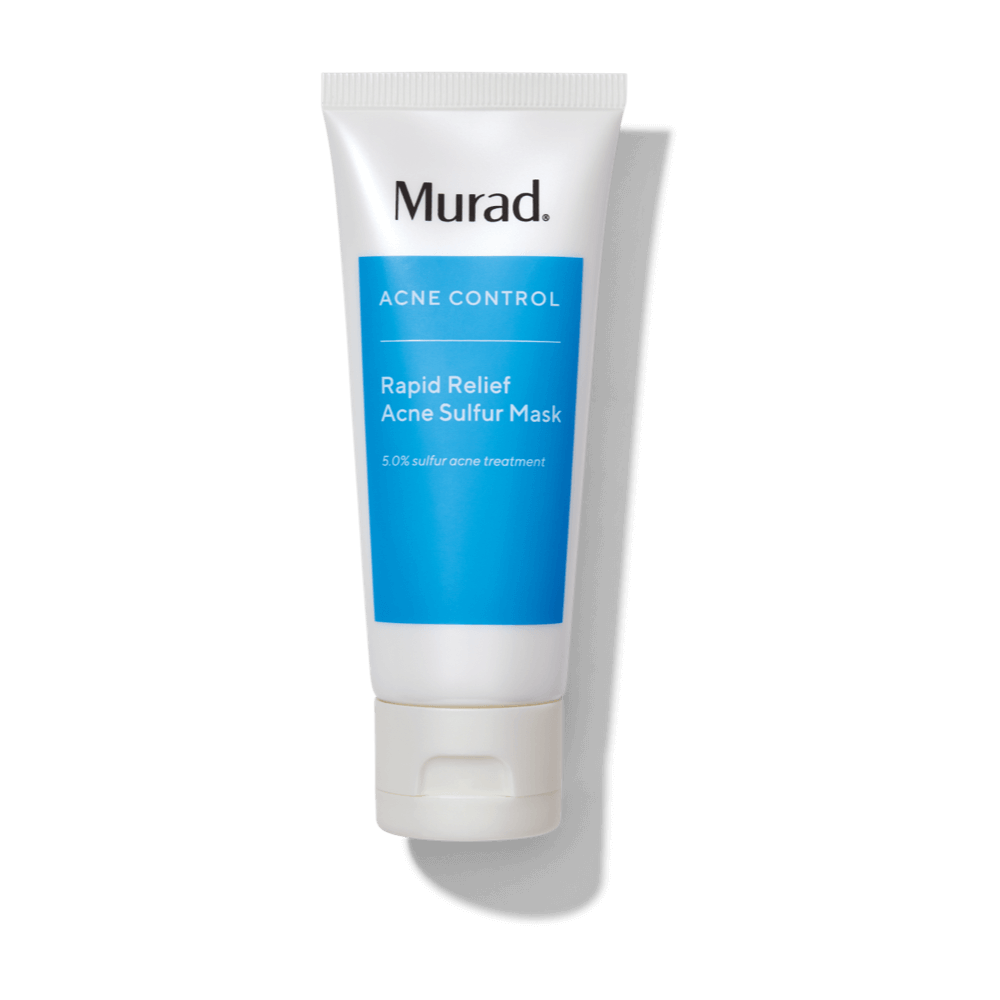
It uses sulfur, salicylic acid, and Austrian peat to cut down on oil, shrink pimples, and clear out blackheads.
The formula is hydrating and easy to remove, so it doesn’t feel like a punishment to use.
5. Best for Hormonal Acne: Murad Deep Relief Acne Treatment
If you’ve ever dealt with those deep, painful breakouts that seem to live under your skin, this one is for you.
Murad Deep Relief Acne Treatment uses phytosteroids to target stubborn cystic acne without needing steroid shots or prescription pills.
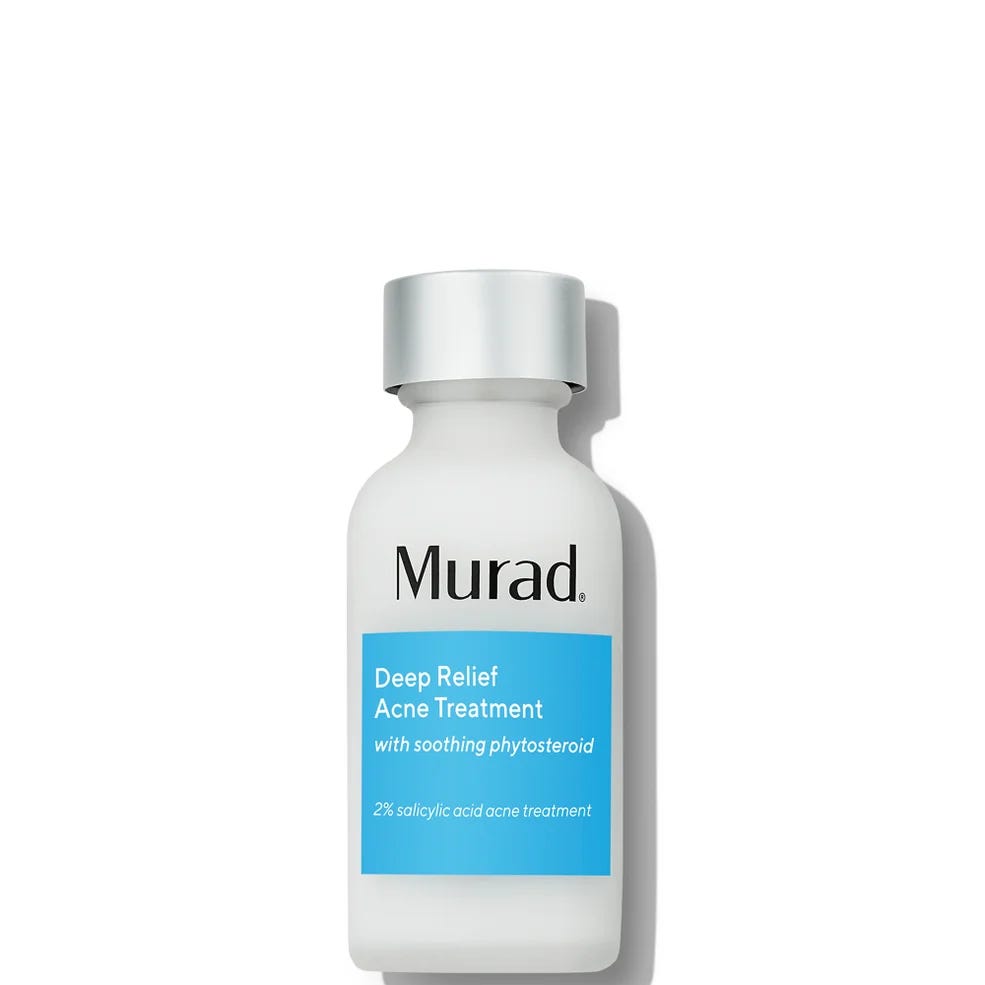
It forms a thin, invisible layer over the skin that helps the active ingredients penetrate deeper, and the 2% salicylic acid works to break down the bacteria causing the problem at the source.
For extra help with hormonal acne, I also wrote about CurrentBody’s red light mask, which honestly made a noticeable difference for me personally.
6. Best Cleanser: CeraVe Salicylic Acid Cleanser, Kate Somerville EradiKate Daily Foaming Cleanser, or Paula's Choice 2.5% BP Cleanser
The CeraVe Renewing SA Cleanser is one of my favorite drugstore picks, and I’ve gone through multiple bottles of it.
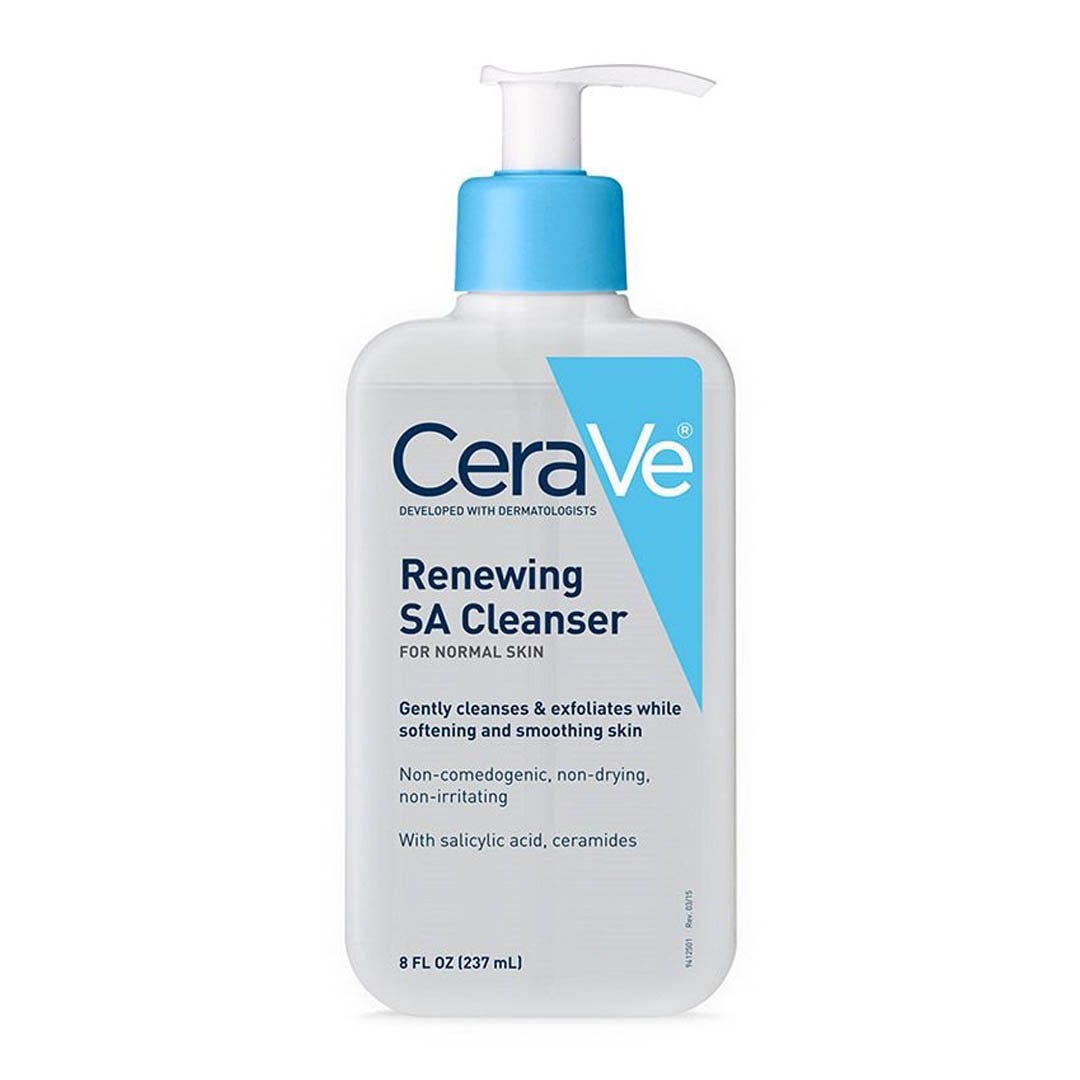
It has salicylic acid to fight breakouts plus niacinamide to support your skin barrier, which is a nice combo for the price.
It reduces existing blemishes and helps prevent new ones from forming.
Honestly, I think it’s one of the best salicylic acid products you can grab at the drugstore, and it’s especially great for teenagers because it’s simple and straightforward to use every day.
One thing to note, it can feel a little stripping if you have dry skin. This one is better suited for oily skin types.
Kate Somerville EradiKate Daily Foaming Cleanser is a good option if you want something a little more targeted.
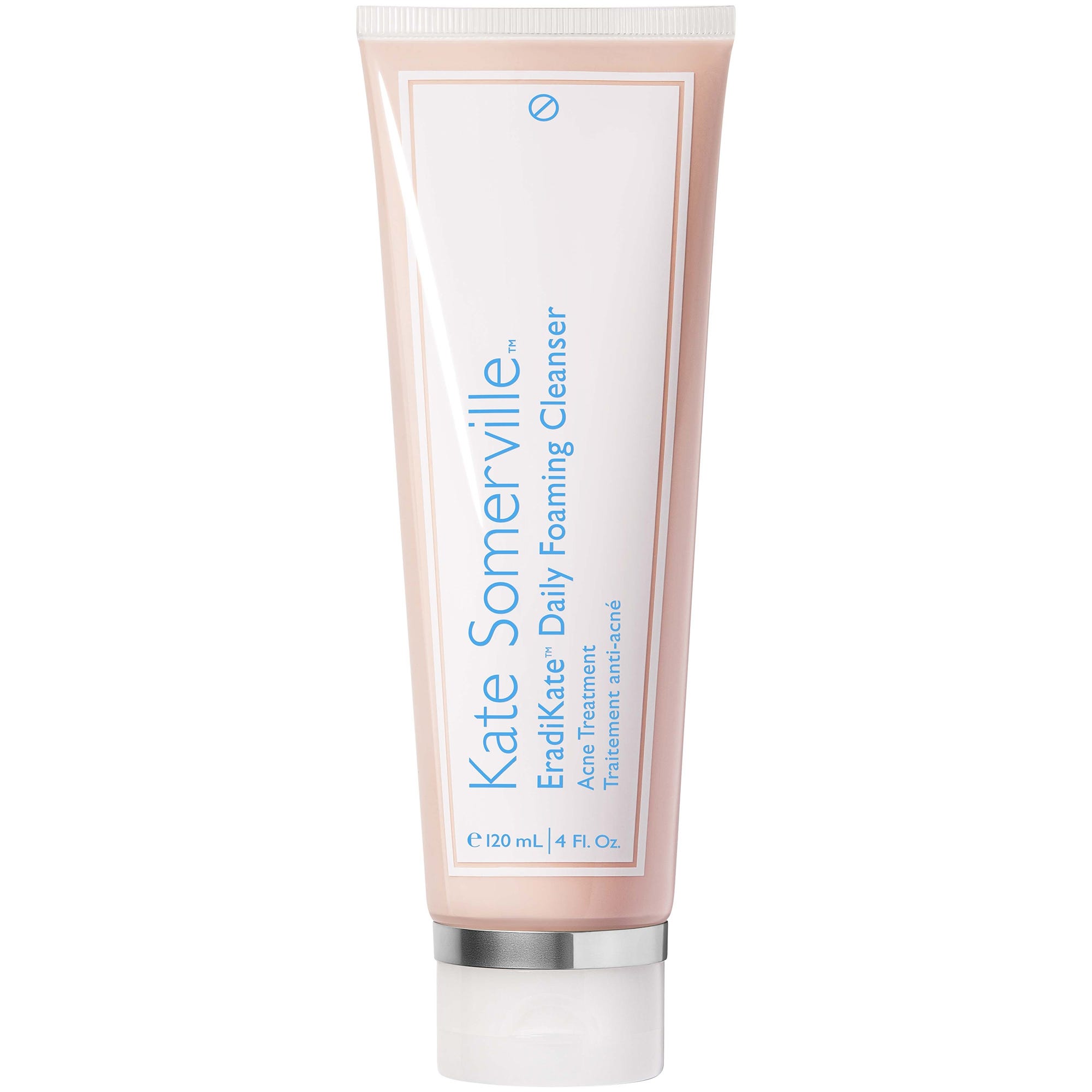
It’s formulated specifically for acne-prone skin and uses 3% sulfur to tackle active breakouts, unclog congested pores, and help prevent new blemishes from forming.
It also draws out impurities, which makes it useful if blackheads or sebaceous filaments are a concern for you.
What keeps it from being too harsh is the botanical side of the formula.
Honey and rice bran extracts help soothe irritation, and oat extract absorbs excess oil without throwing your skin’s balance off.
Paula’s Choice CLEAR 2.5% Benzoyl Peroxide Treatment rounds out this category nicely.

It’s a lightweight, oil-free lotion that targets existing breakouts and prevents new ones, and the concentration is gentle enough to use twice a day without a ton of dryness or irritation.
Soothing plant extracts help calm redness, and it dries down to a matte finish, so it works well under makeup too.
It’s versatile enough to use on your face or body, and it holds up well for cystic acne prone skin.
A solid addition to any acne routine.
7. Best for Dark Spots: Allies of Skin Mandelic Pigment Corrector
If post-acne marks are your main frustration, this serum is a really strong pick.
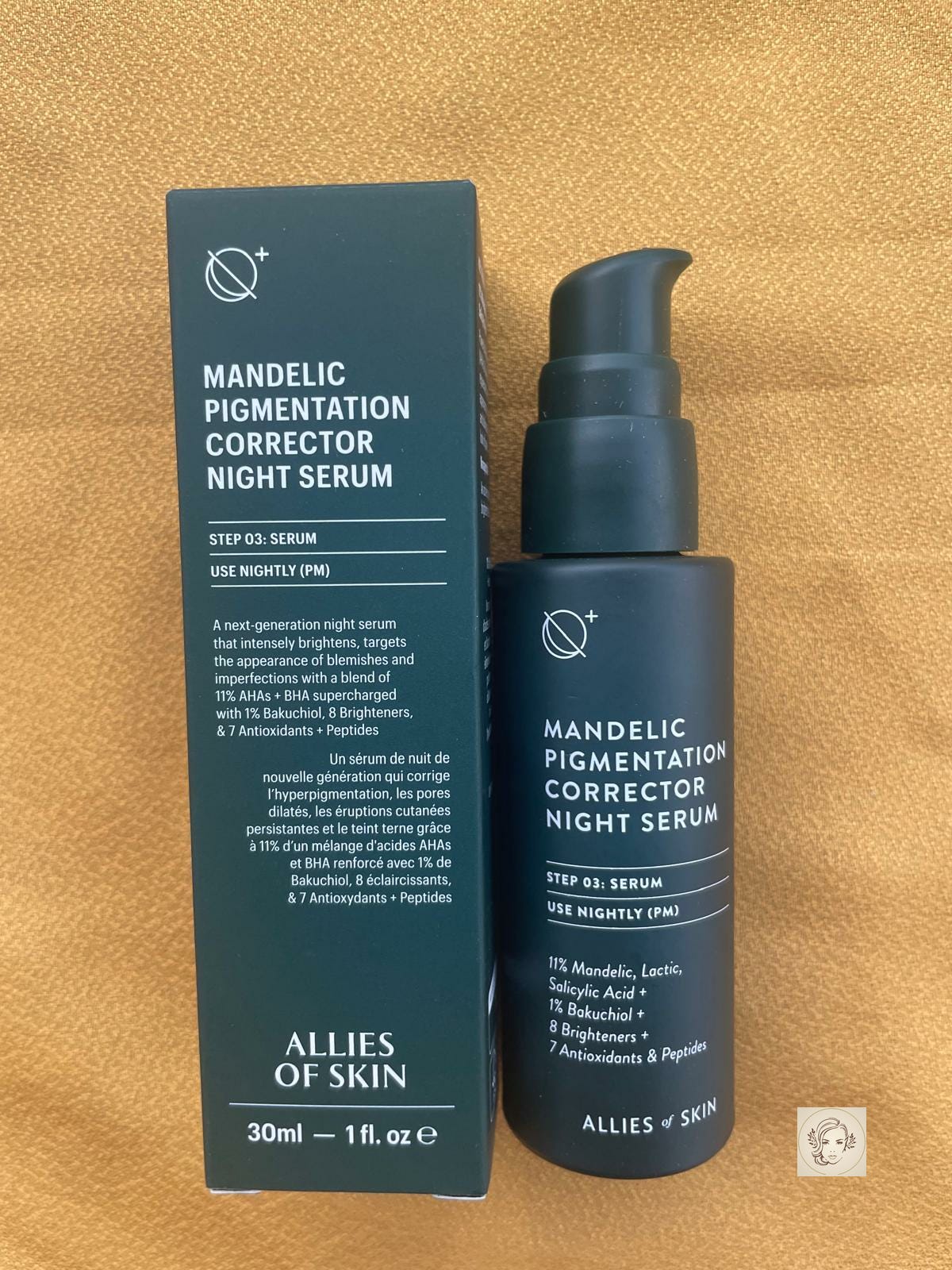
The formula combines mandelic acid, lactic acid, bakuchiol, and other brightening agents to speed up cell turnover and help regulate melanin production, which is what actually fades those stubborn dark spots over time.
If you want something more budget-friendly, Paula’s Choice Discoloration Serum and Topicals Faded Serum (lowkey smells bad but it works) are both worth looking at.
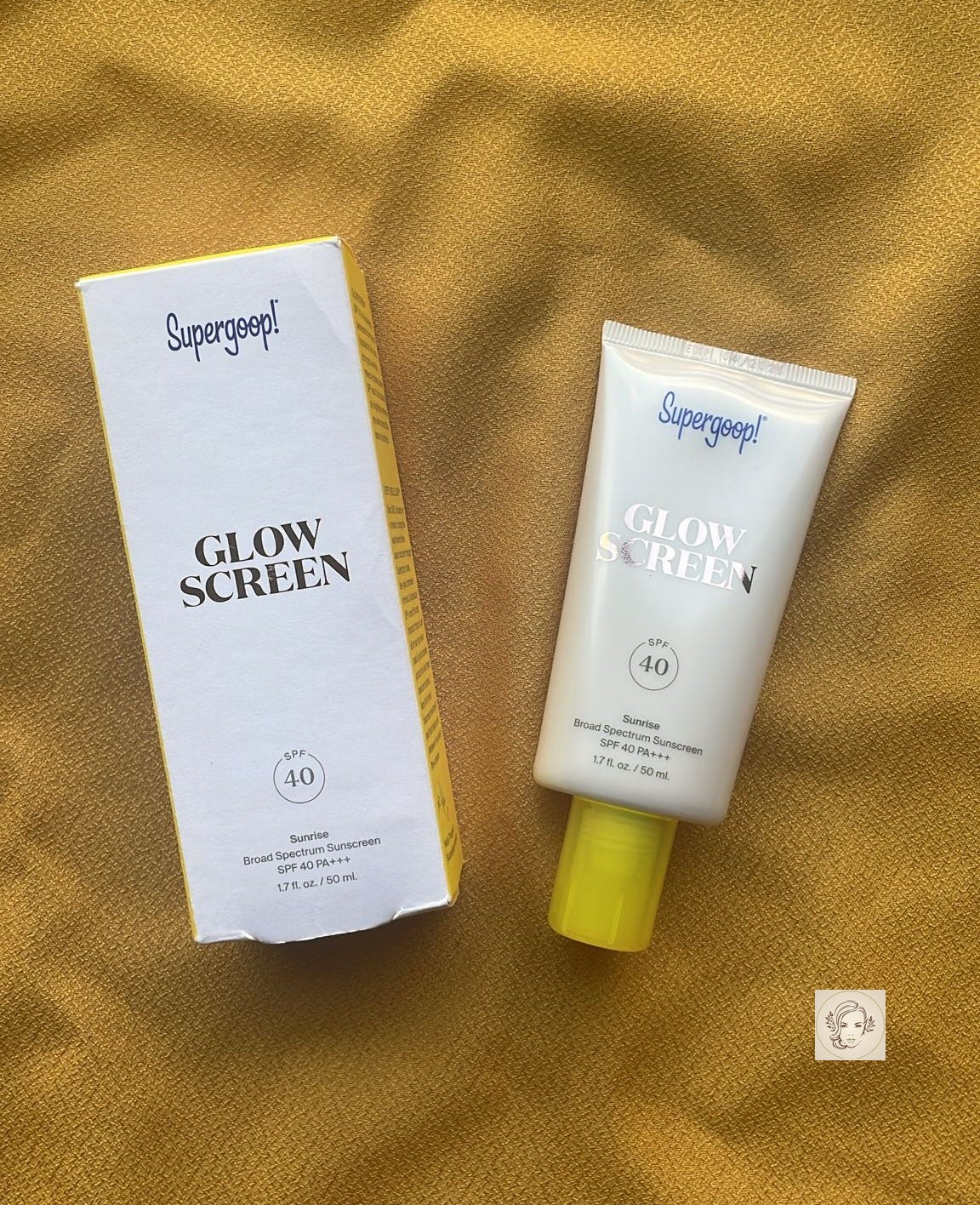
8. Best Sunscreen: Supergoop Glowscreen, Supergoop Mineral Unseen Sunscreen, or Hero Superlight Sunscreen
Sunscreen is non-negotiable when you're treating acne, especially if you're using retinoids or acids that make your skin more sensitive to the sun.
Mineral sunscreens are a great fit for acne-prone skin because they’re zinc-based, and zinc actually has acne-fighting properties on top of sun protection.
The downside is they can feel a little heavy.
My current favorite non-mineral option is Supergoop Glowscreen, which gives a really nice glowy finish and works beautifully as a base under makeup.
For mineral sunscreen, Supergoop Mineral Unseen Sunscreen is my go-to.
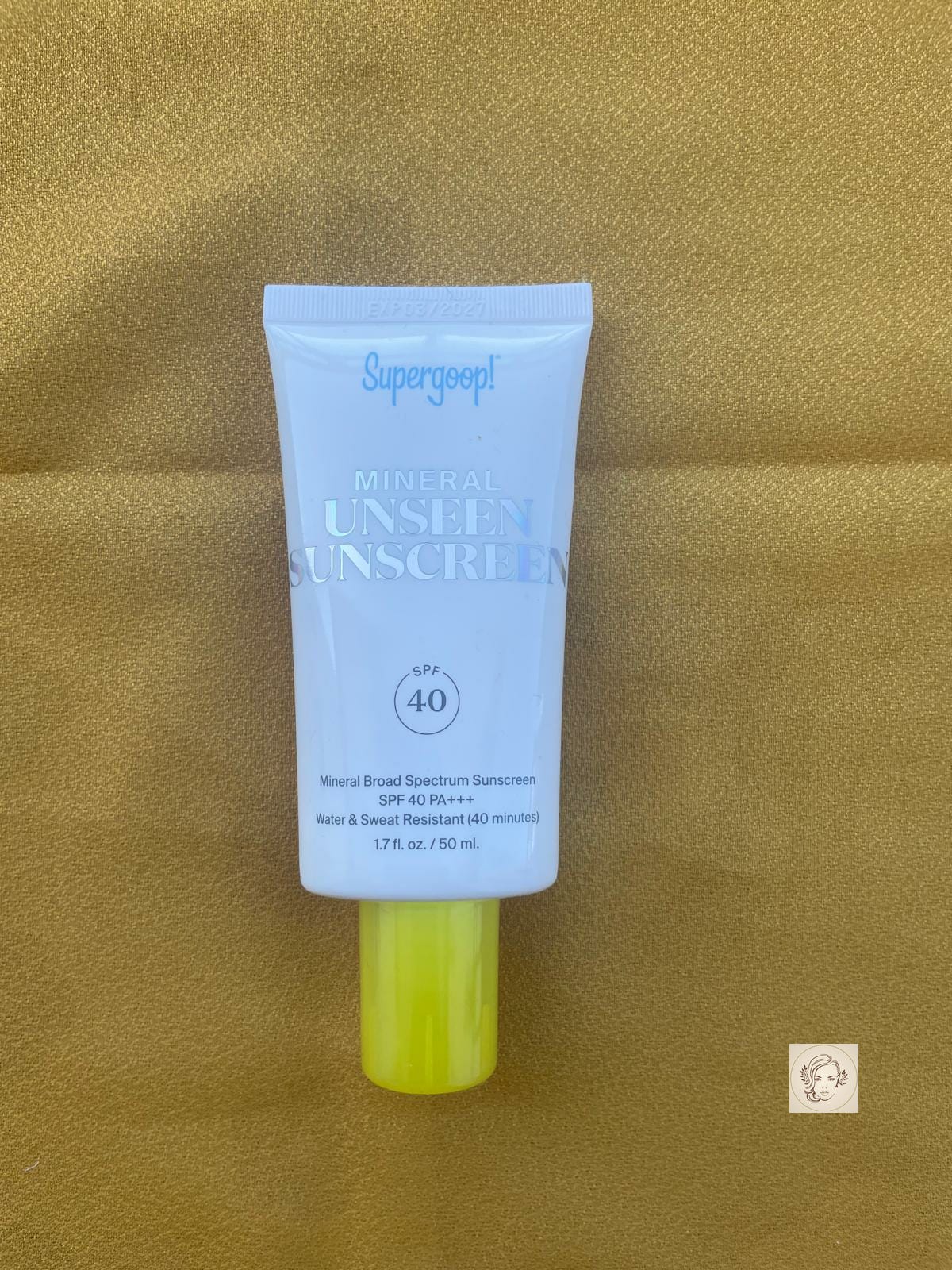
It has a powdery finish and no white cast, which is hard to find in a mineral formula.
If you want something more budget-friendly, Hero Superlight Sunscreen SPF 30 is a solid pick.
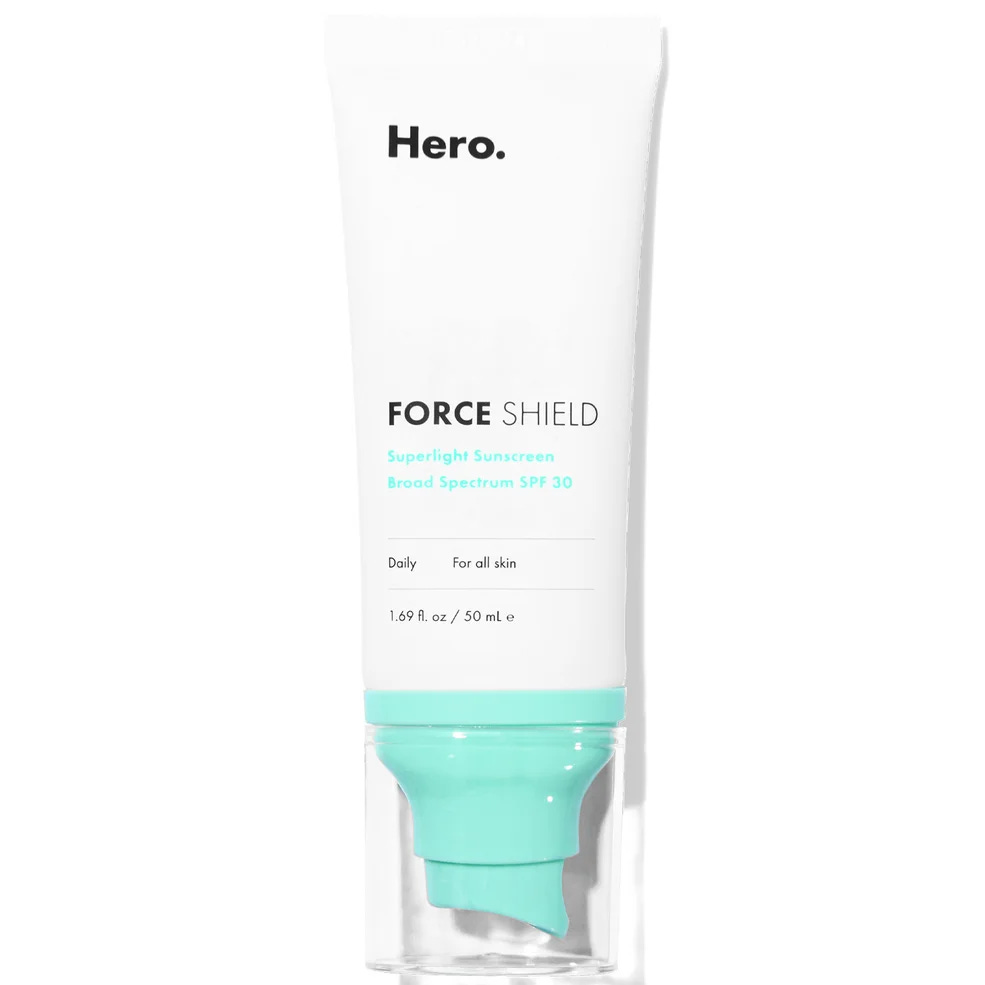
It’s lightweight and works well for acne-prone skin, just keep in mind it can leave a slight white cast on deeper skin tones.
9. Best Moisturizer: Versed Dew Point or Korres Yogurt Cream
The Versed Dew Point Gel-Cream is probably my favorite thing I’ve tried from Versed.
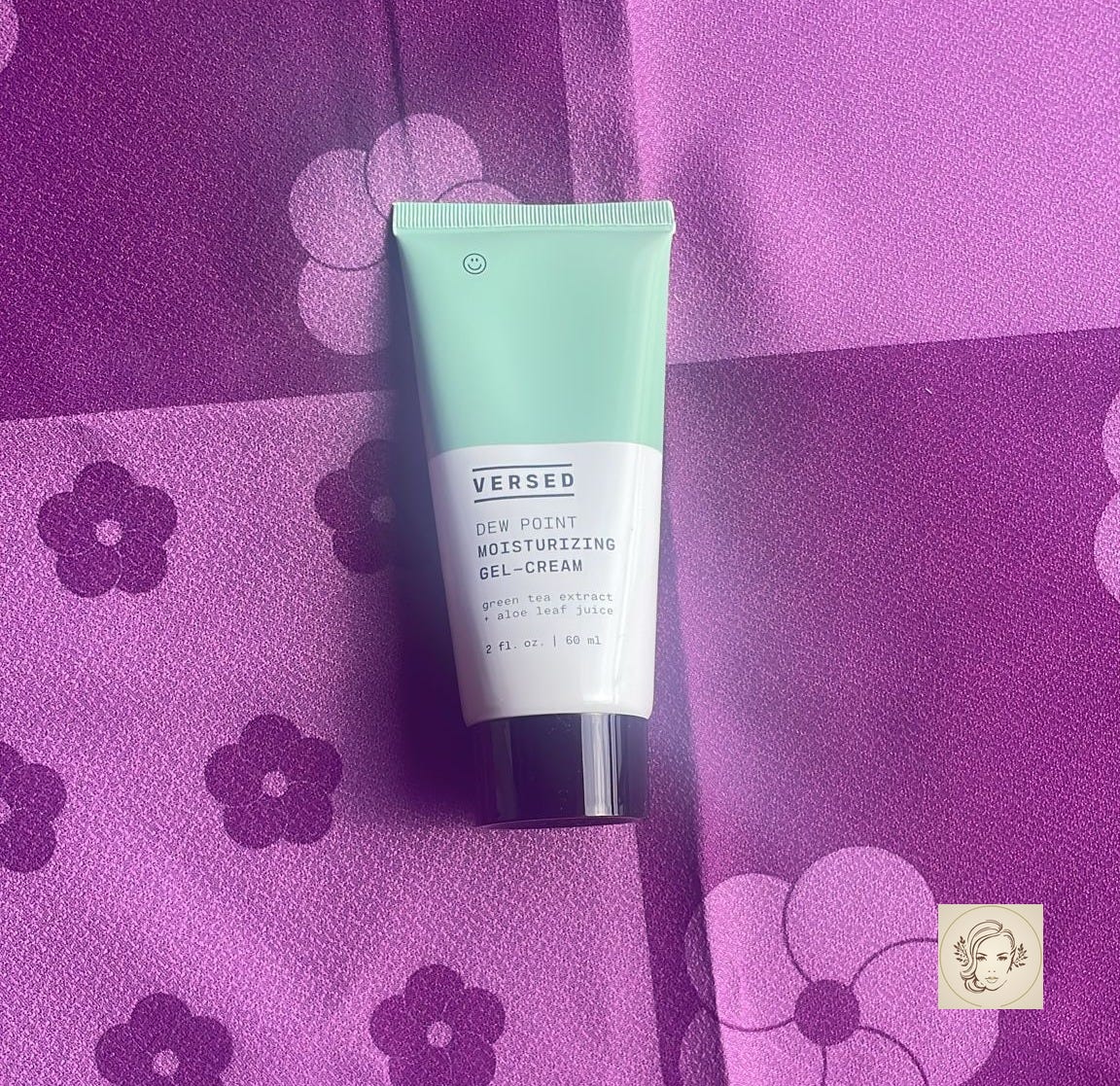
It’s super lightweight with a jelly-like texture that absorbs almost instantly, which makes it especially good for oily skin in the warmer months.
The formula has sodium hyaluronate to lock in moisture, aloe leaf juice for hydration, and green tea extract to soothe and protect against environmental damage.
It’s ideal for oily and acne-prone skin since it hydrates without clogging pores, but honestly I have dry skin and I still reach for it regularly.
It keeps skin bouncy and refreshed without any heaviness.
The Korres Greek Yoghurt Gel-Cream is another good one for acne-prone skin.
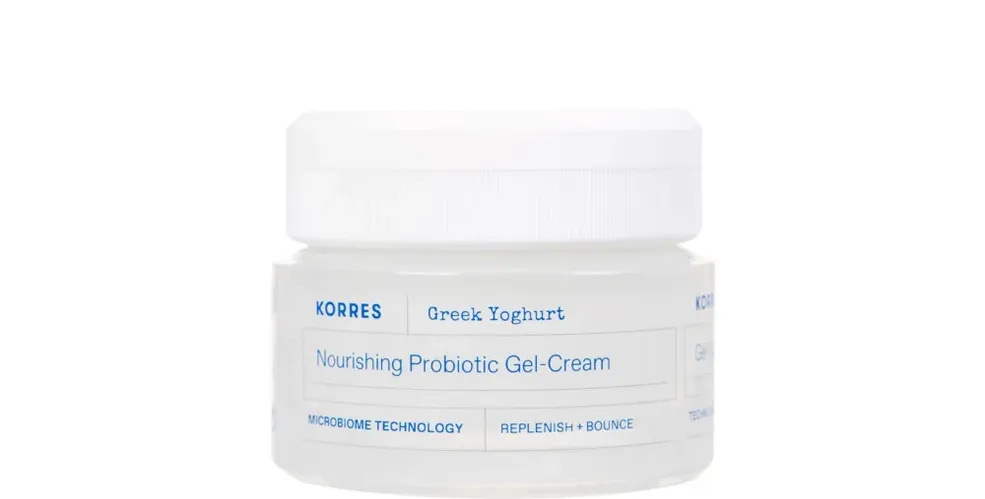
It's built around a prebiotic strain called alpha-glucan oligosaccharide, which nourishes your skin's microbiome, reduces dryness, and helps strengthen your barrier over time.
If your skin tends to be reactive or easily irritated, this one is worth looking at.
10. Best Tool: Banisher 3.0
I have the Banish microneedling tool, which is excellent for supporting the healing of textured scars and hyperpigmentation.
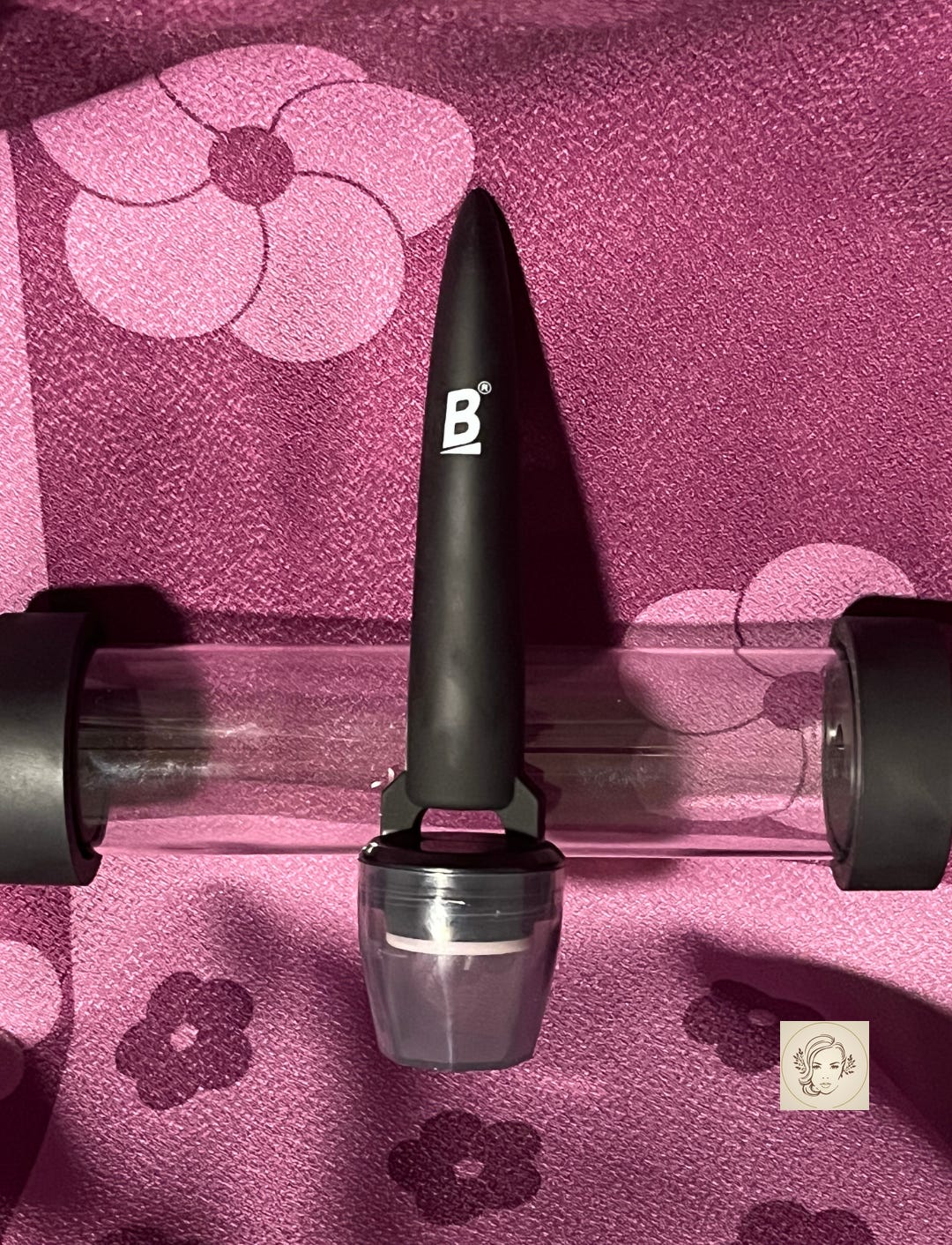
You can’t use it over active acne, but it’s a fantastic tool for improving skin texture and reducing the appearance of old acne scars.
This tool promotes skin rejuvenation by stimulating collagen production, leading to smoother and more even-toned skin over time.
The Bottom Line
That’s my full list. Whether you’re dealing with active breakouts, scarring, or dark spots, there’s something here that can help.
Just remember that none of this works if you’re not consistent. Most of these products need time to do their thing.
One last thing: keep hydrocolloid patches in your routine. They’re cheap, they work, and they save you from picking.
My favorite is Hero Cosmetics, but Cosrx is a solid budget option. It’s a little less sticky but gets the job done.
As always, let me know if you have any questions in the comments.
I hope this helps!
Cheers,