

If you’ve been using retinol for a while, you know that dryness can be one of the most frustrating parts of having it in your skincare routine.
Hyaluronic acid can help with that, and you might already have a serum at home.
But once you start looking into how to use both ingredients together, you’ll notice that people have different opinions about which one should go first.
Some recommend applying retinol directly to clean skin, while others suggest using hyaluronic acid beforehand, especially if your skin tends to get dry or irritated.
I’ve seen both approaches recommended, and the truth is that either can work depending on your skin and the products you’re using.
In this guide, I’ll explain why hyaluronic acid and retinol work well together, how to layer them in your morning and nighttime routines, and what I’d recommend if you’re dealing with dryness or sensitivity.
What Is Hyaluronic Acid?
Hyaluronic acid (HA) is one of the most common hydrating ingredients you’ll find in skincare products.
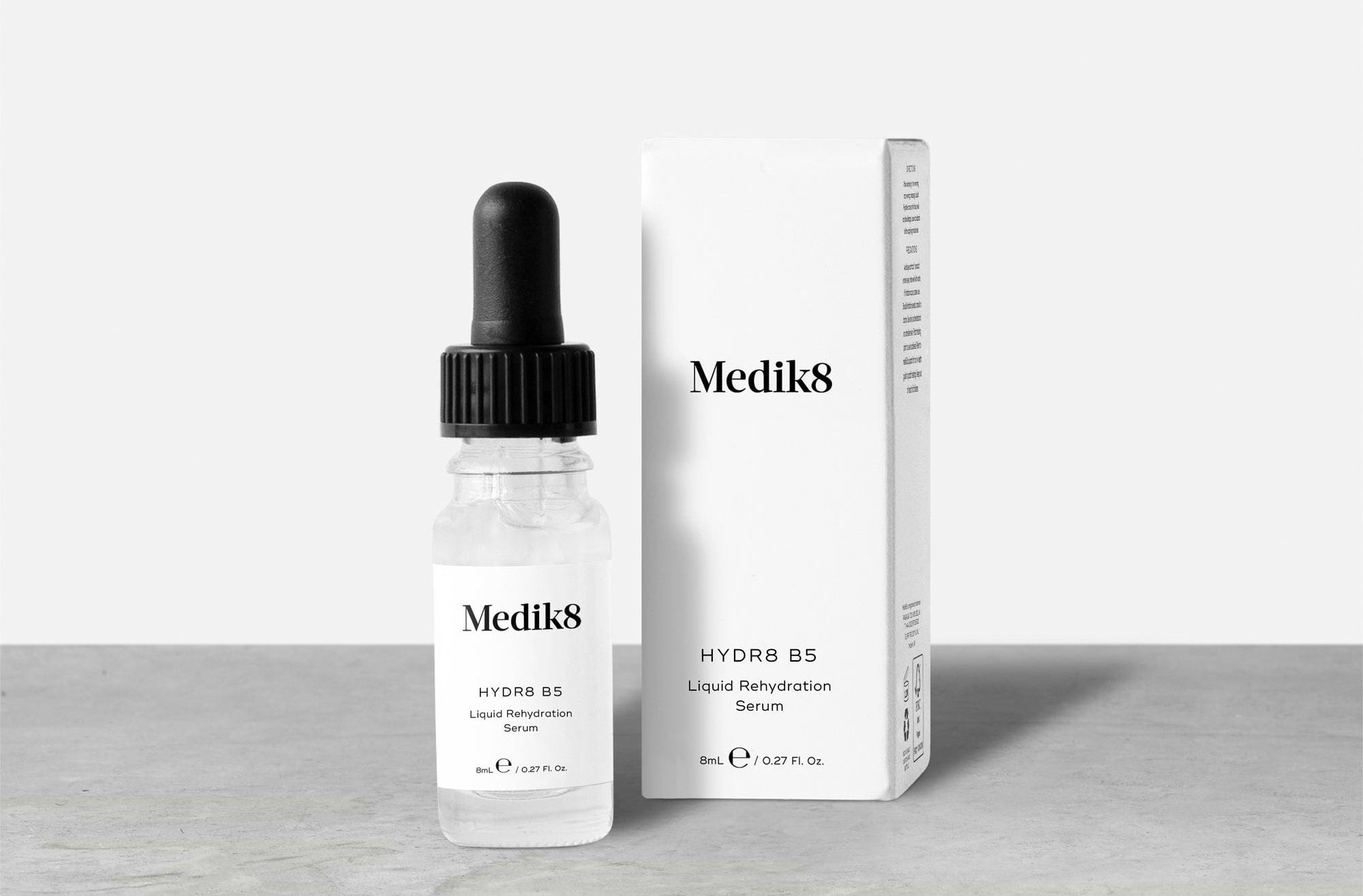
It’s a humectant, which means it attracts and holds water to help keep your skin hydrated.
Your body also produces hyaluronic acid on its own.
It’s found in your skin, joints, and other connective tissues, although the amount in your skin tends to decrease as you get older.
That’s one reason you’ll see it in so many serums, moisturizers, and toners.
When you apply hyaluronic acid to your skin, it helps improve hydration, which can make your skin feel softer and look more plump.
It can also make fine lines caused by dehydration less noticeable.
And there’s research to support these benefits.
A 2022 review published in Dermatologic Therapy looked at studies on topical hyaluronic acid and found evidence that it can improve skin hydration and the appearance of aging skin.
You might also notice sodium hyaluronate on ingredient lists.

That’s a salt form of hyaluronic acid used for similar hydrating benefits.
If your skin tends to feel tight or dehydrated, a hyaluronic acid serum can be worth adding to your routine.
Just pay attention to the rest of the formula, since even products made for hydration can contain ingredients that irritate your skin.
What Is Retinol?
Retinol is a form of vitamin A that belongs to a group of ingredients called retinoids.
If you’re trying to improve fine lines, wrinkles, dark spots, or uneven skin texture, retinol is one of the ingredients worth looking into.
You’ll find it in over-the-counter serums, creams, and moisturizers, with different strengths and formulas depending on what your skin can tolerate.
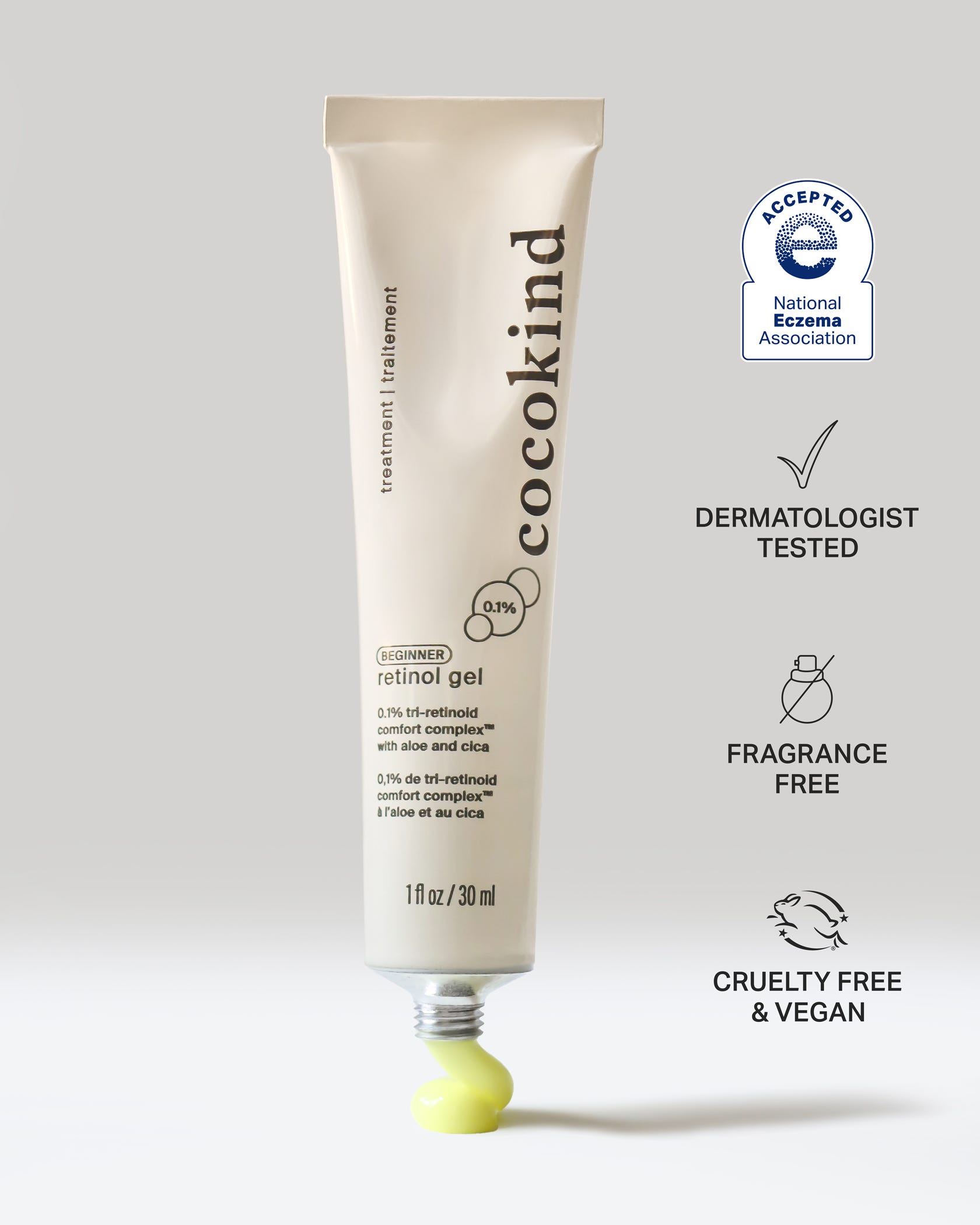
Unlike hyaluronic acid, which helps with hydration, retinol works by influencing how your skin cells grow and renew themselves.
With regular use, it can help improve the appearance of fine lines, uneven skin tone, and signs of sun damage.
Its benefits for aging skin have also been studied.
In one clinical trial involving 24 weeks of retinol use, participants saw improvements in fine wrinkles, while skin samples showed changes associated with collagen production.
But retinol can also cause dryness, peeling, redness, and irritation when you’re first starting out.
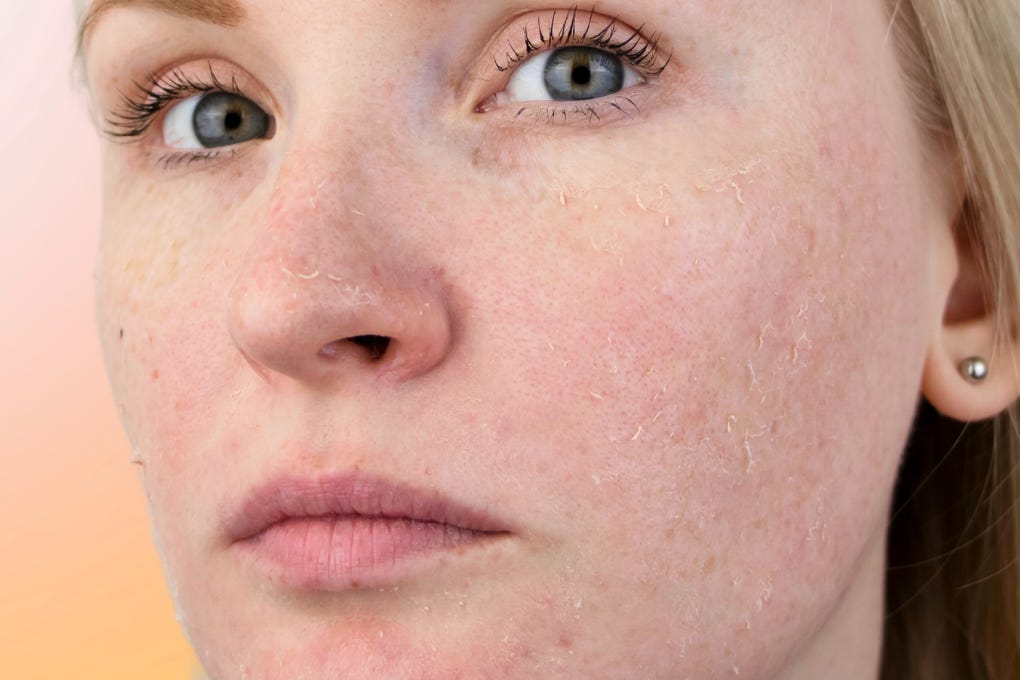
That’s why I recommend starting with a lower-strength formula a few nights a week and giving your skin time to adjust before increasing how often you use it.
If you’re pregnant or planning to become pregnant, retinoids are generally avoided, so check with your healthcare provider before using one.
Hyaluronic Acid Before or After Retinol?
You can apply hyaluronic acid before or after retinol, depending on how your skin responds.
If your skin tolerates retinol well, I’d recommend applying retinol to clean, dry skin first, followed by your hyaluronic acid serum and moisturizer.
Hyaluronic acid can help replenish hydration and make your skin feel more comfortable if retinol leaves it feeling dry or tight.
Alternatively, you can apply hyaluronic acid before retinol to give your skin some extra hydration.
This may be a better option if you have dry or sensitive skin.
There are a few benefits to using both ingredients in your routine:
Better hydration: Hyaluronic acid attracts and holds water, which can help with dryness associated with retinol.
Plumper-looking skin: Hydrated skin can make fine lines caused by dehydration appear less noticeable.
Support for skin comfort: Adding hydration may help your skin feel less tight while you’re using retinol.
Keep in mind that hyaluronic acid won’t prevent every side effect of retinol, and there’s no strong evidence that applying retinol first improves its anti-aging results.
How to Layer Retinol and Hyaluronic Acid
If you want to use both ingredients in your skincare routine, I’d keep things simple, especially if you’re new to retinol.
Morning Routine
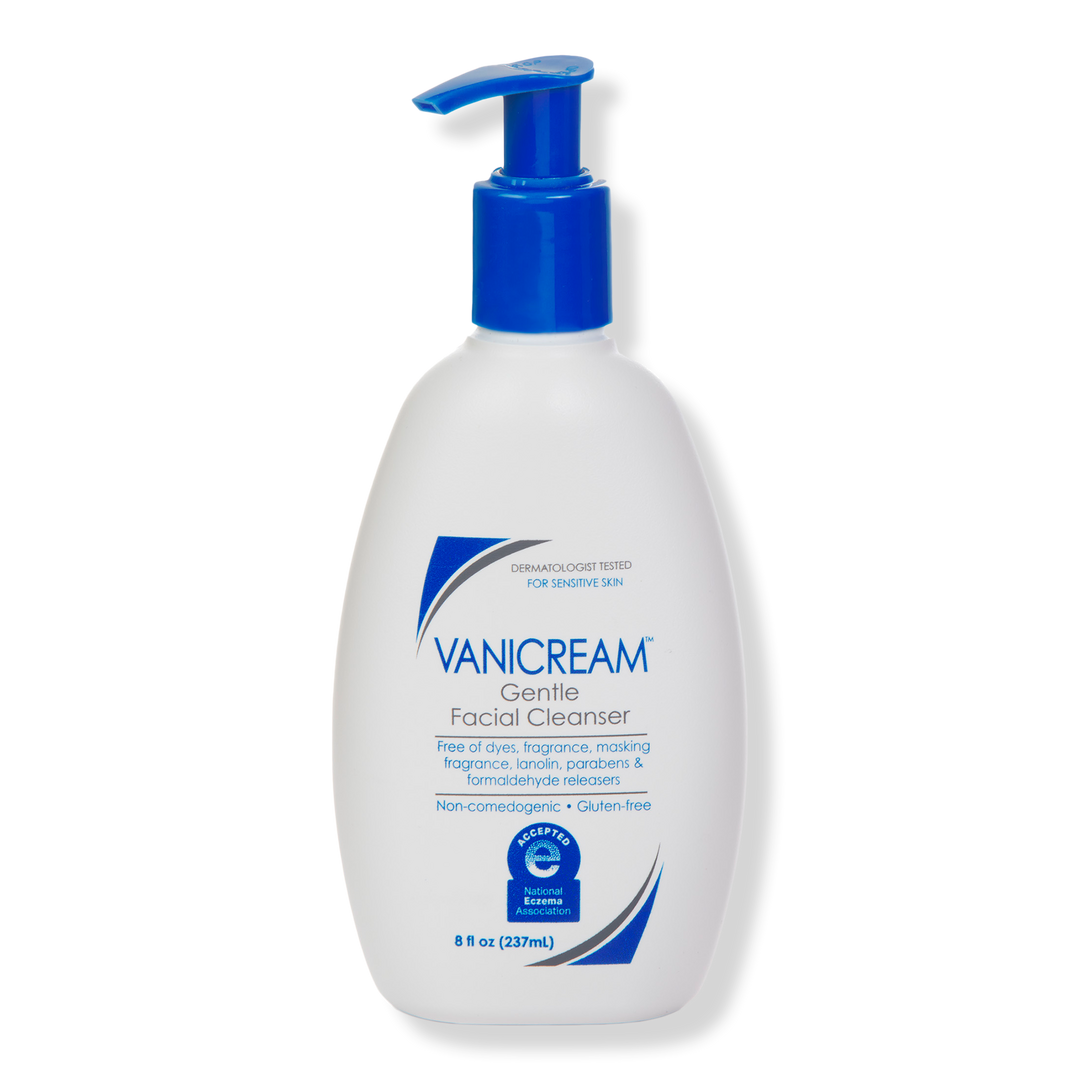
Wash your face with a gentle cleanser, or rinse with water if that’s enough for your skin.
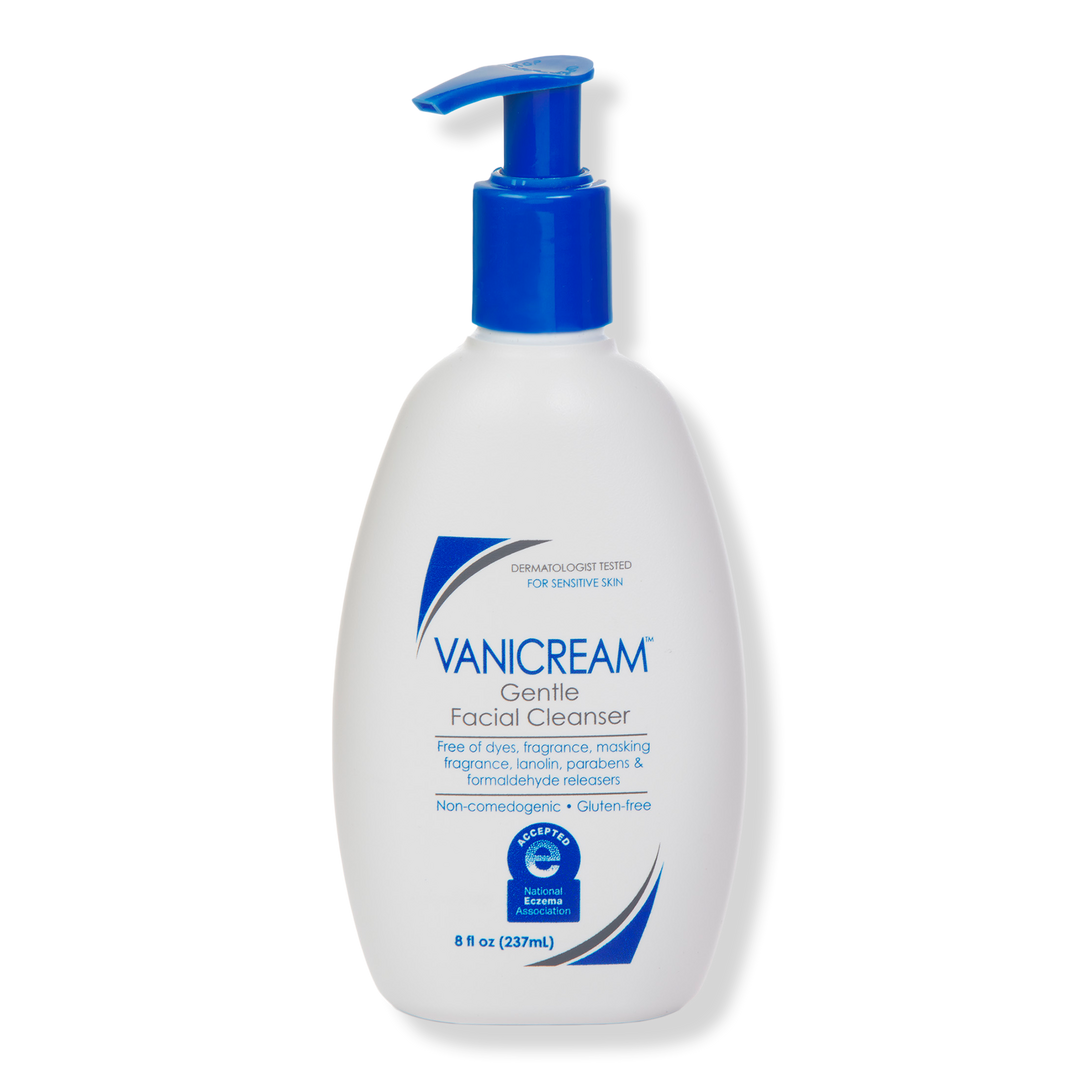
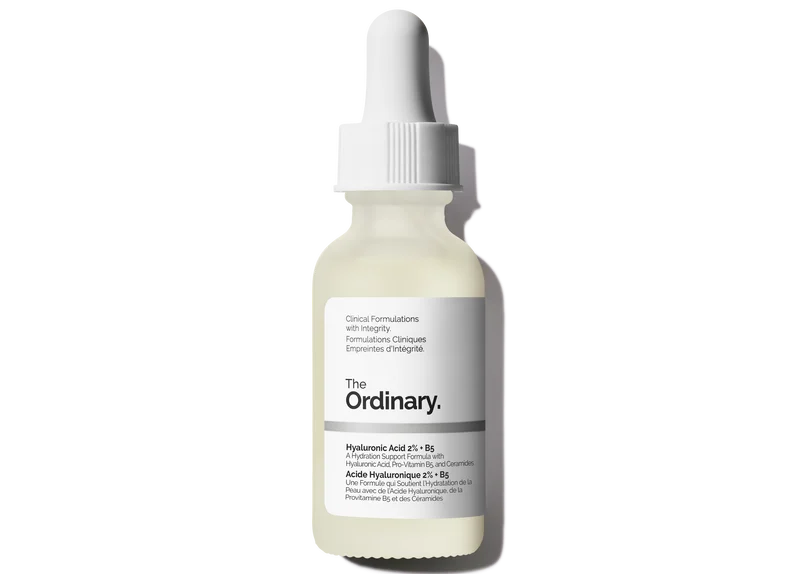
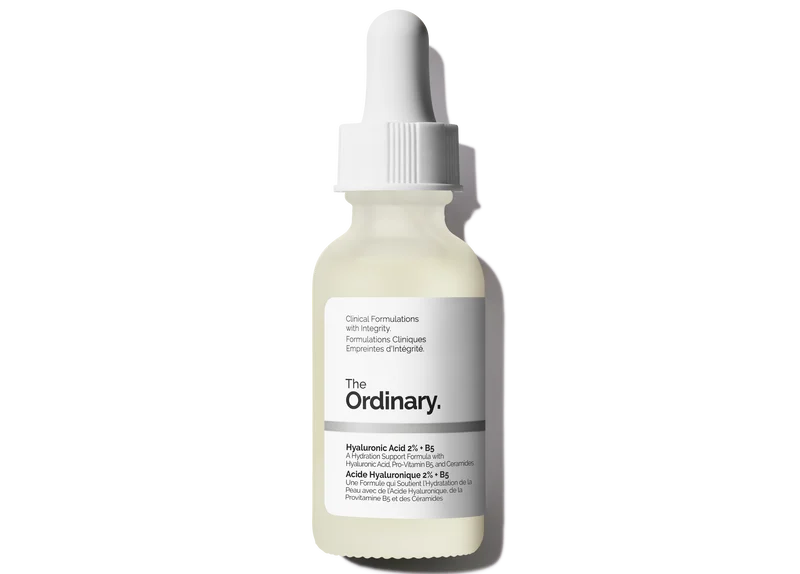
Apply your hyaluronic acid serum to help keep your skin hydrated.
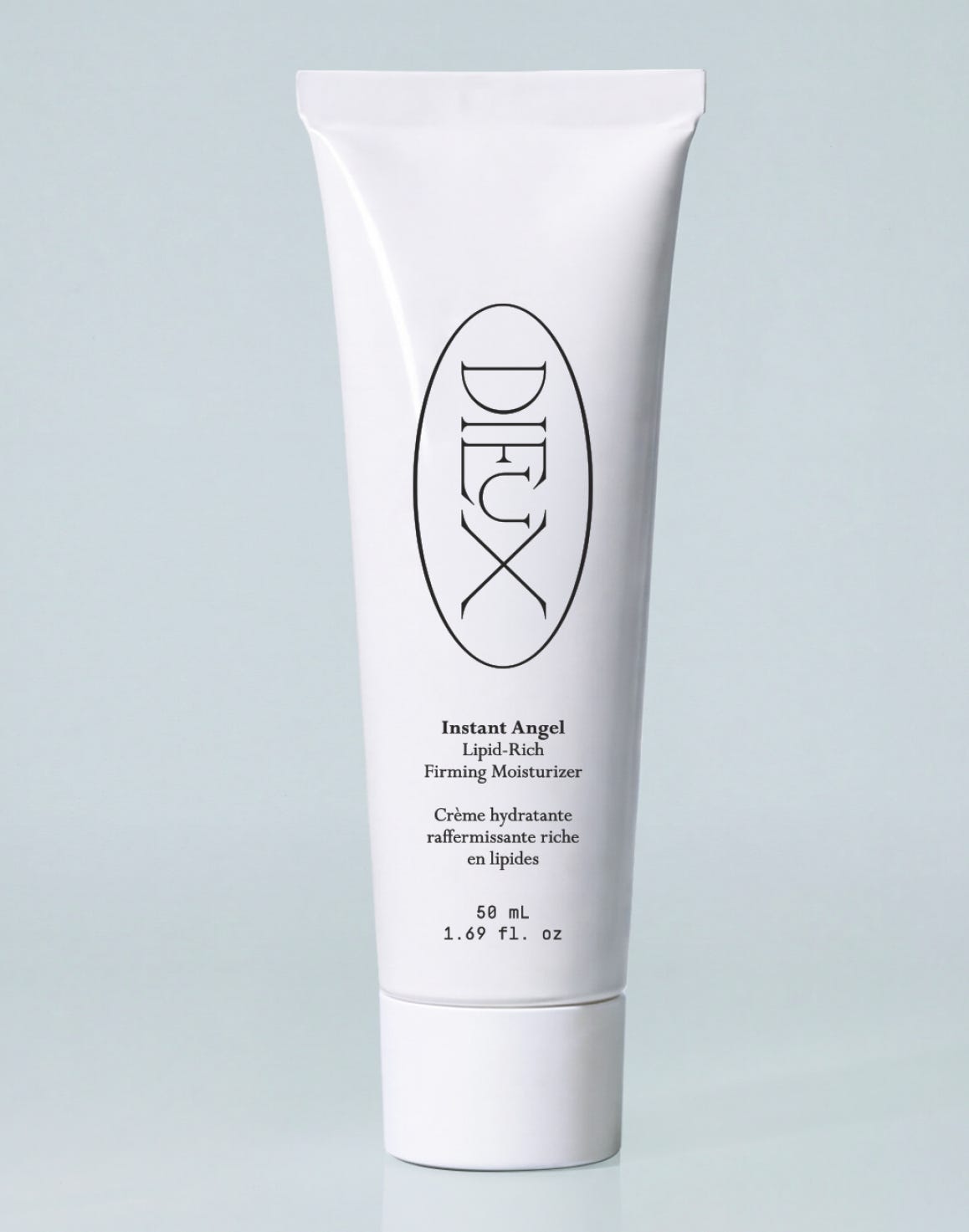
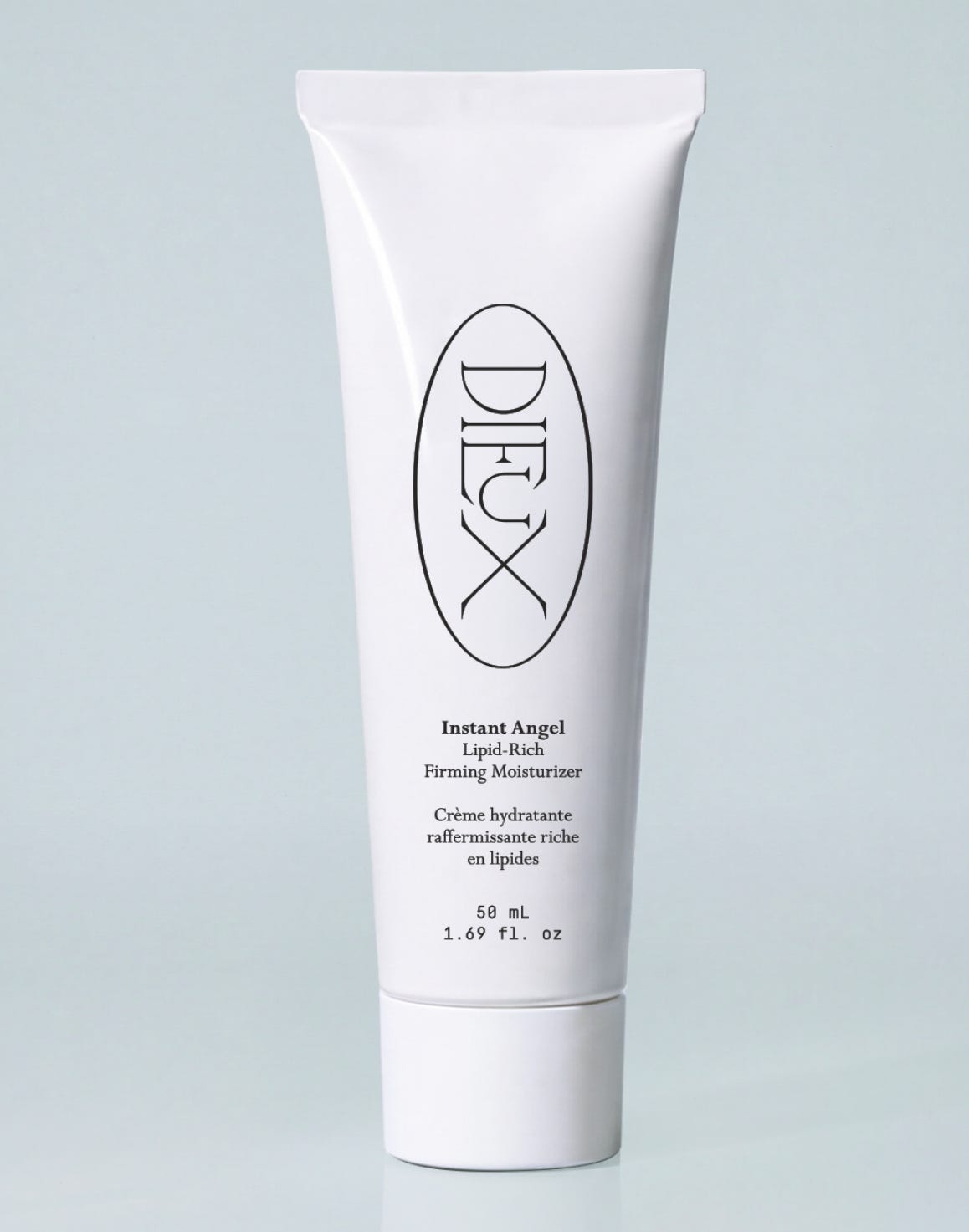
Follow with moisturizer.
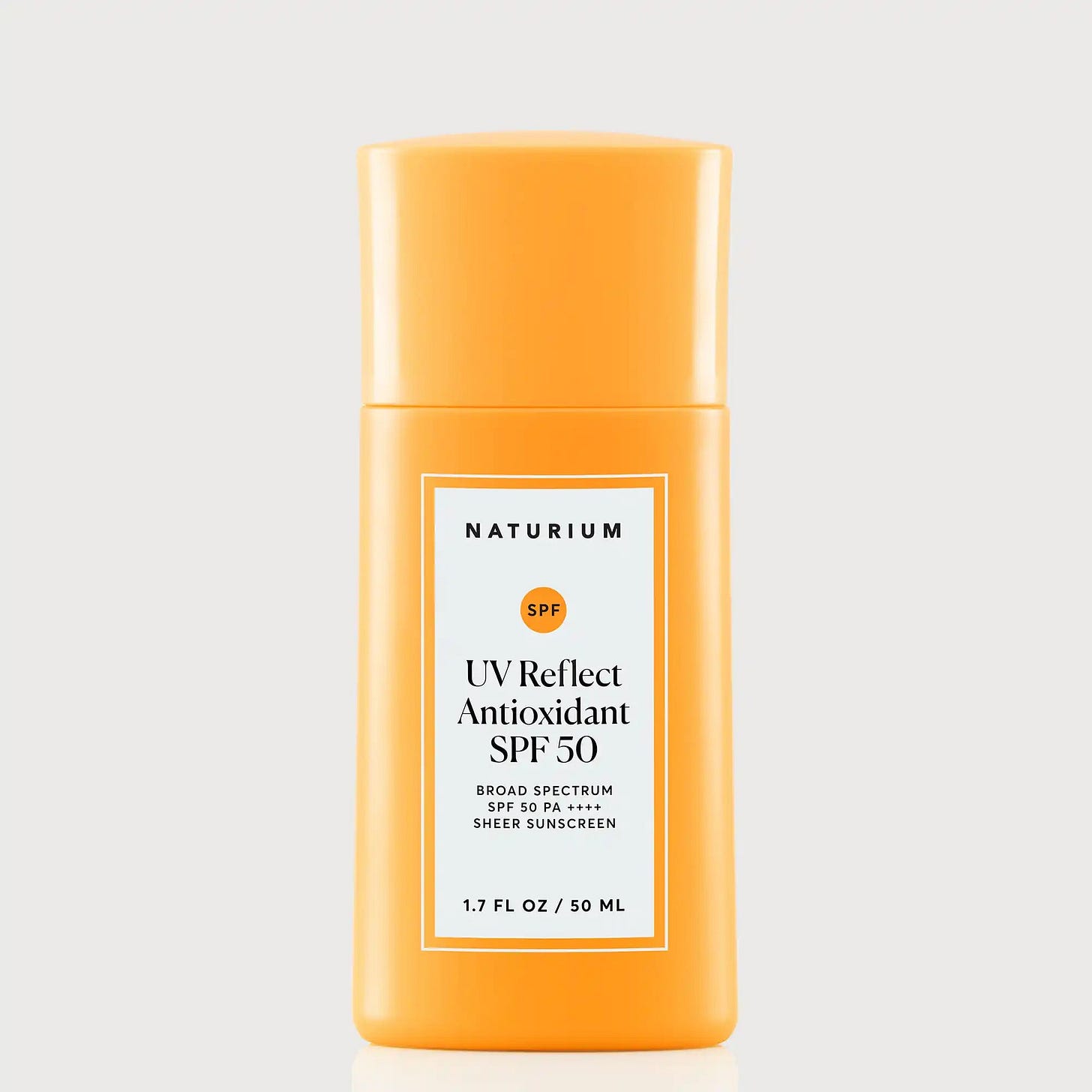
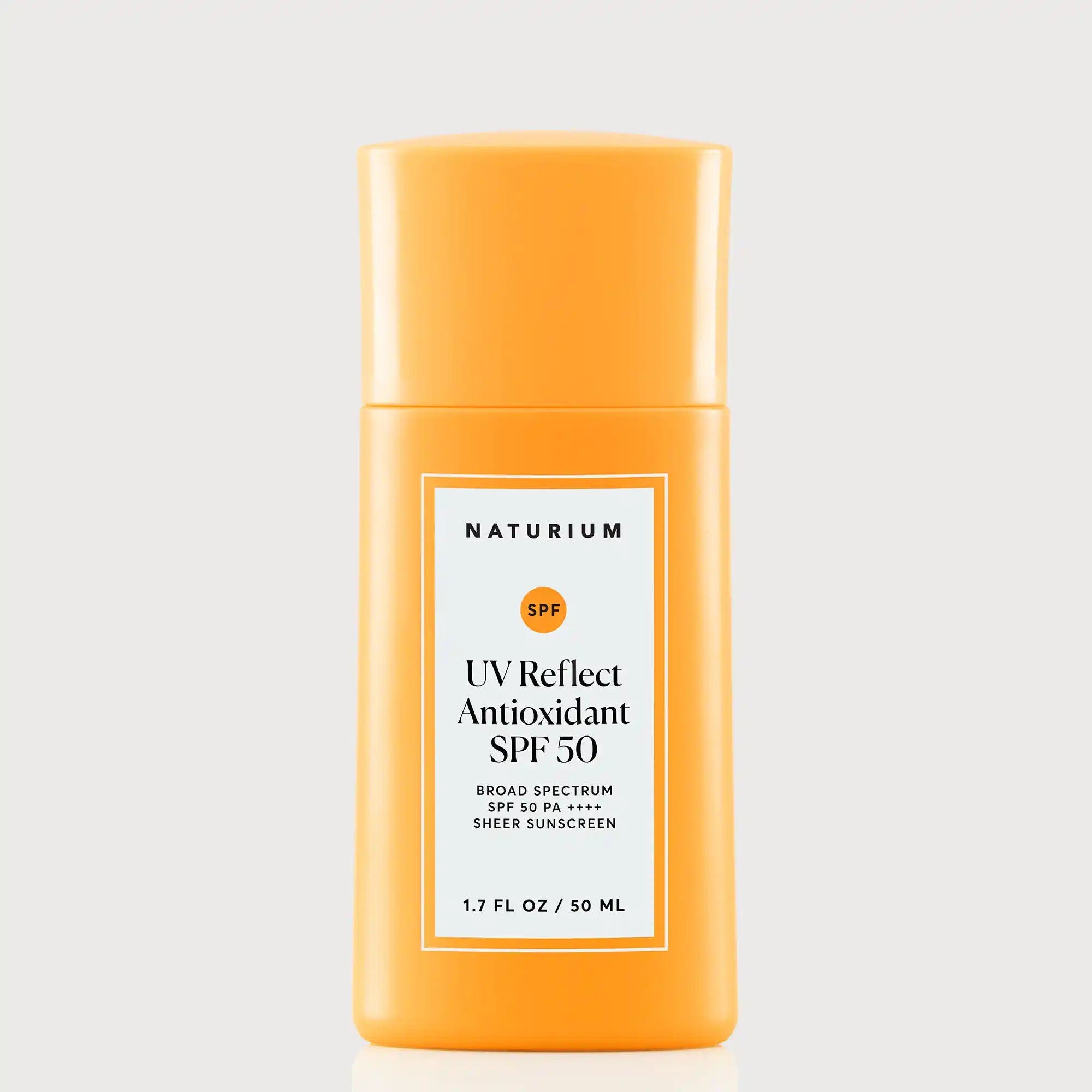
Finish with a broad-spectrum sunscreen with SPF 30 or higher.
Nighttime Routine
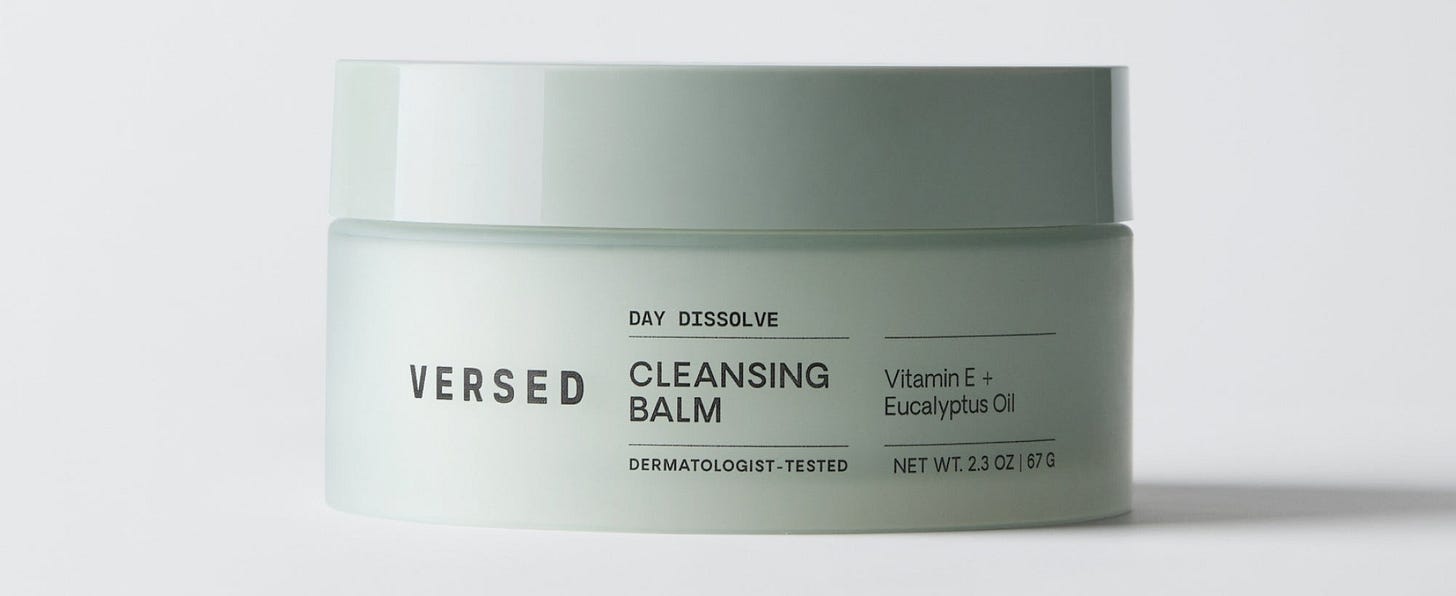
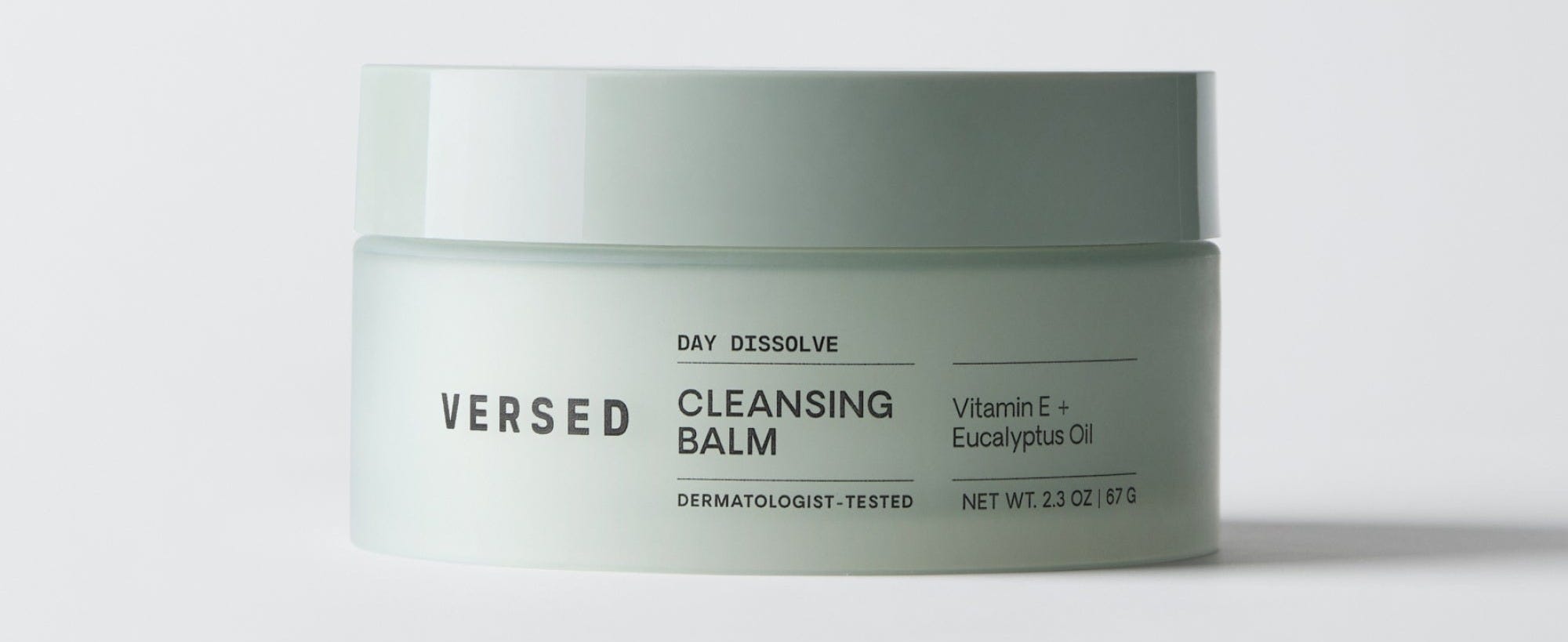
If you’re wearing makeup or sunscreen, you can start with a cleansing balm or cleansing oil to help remove it.
Follow with your gentle cleanser to wash away any remaining residue.
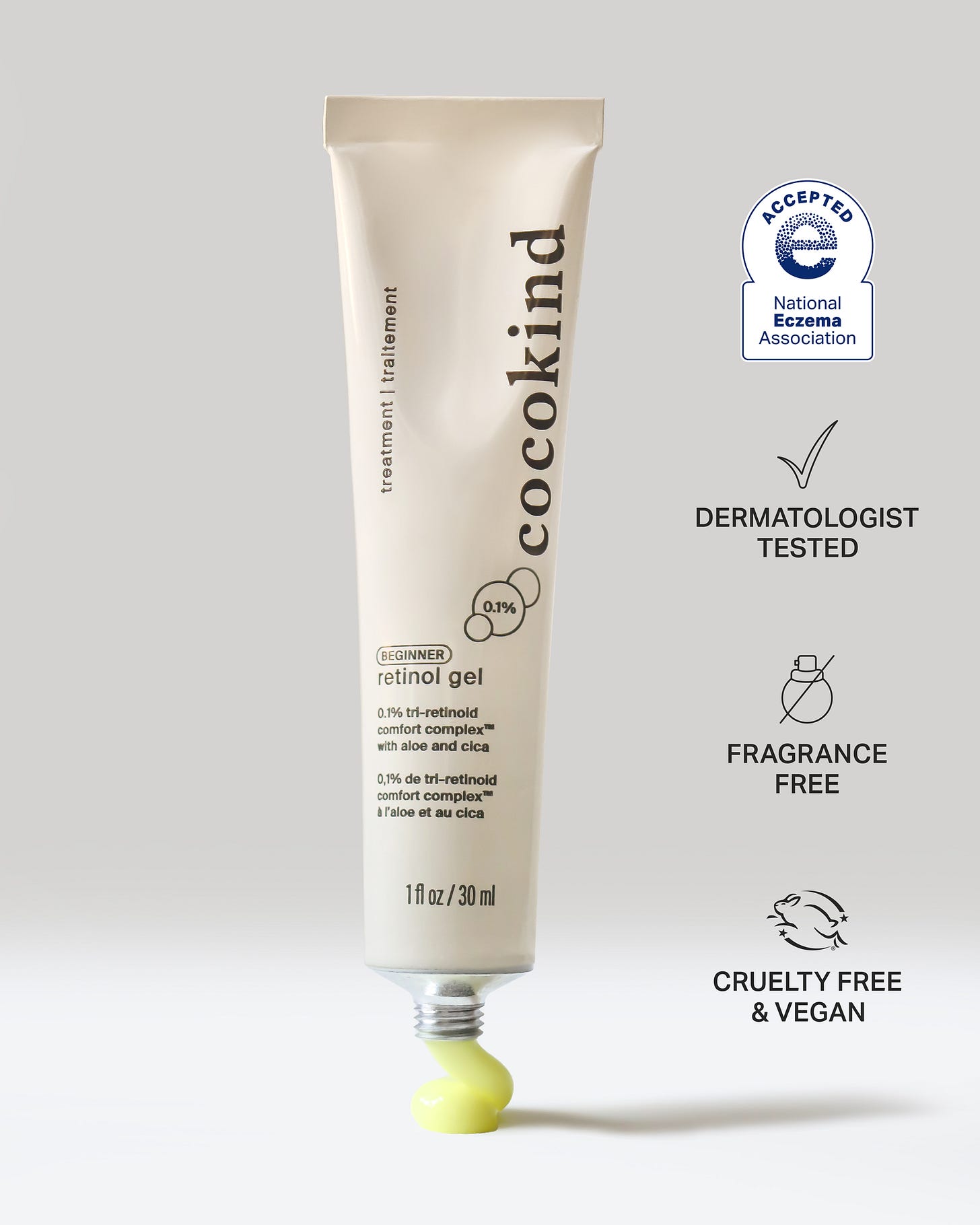
Once your skin is dry, apply your retinol serum according to the product’s instructions.
Follow with your hyaluronic acid serum to help keep your skin hydrated.
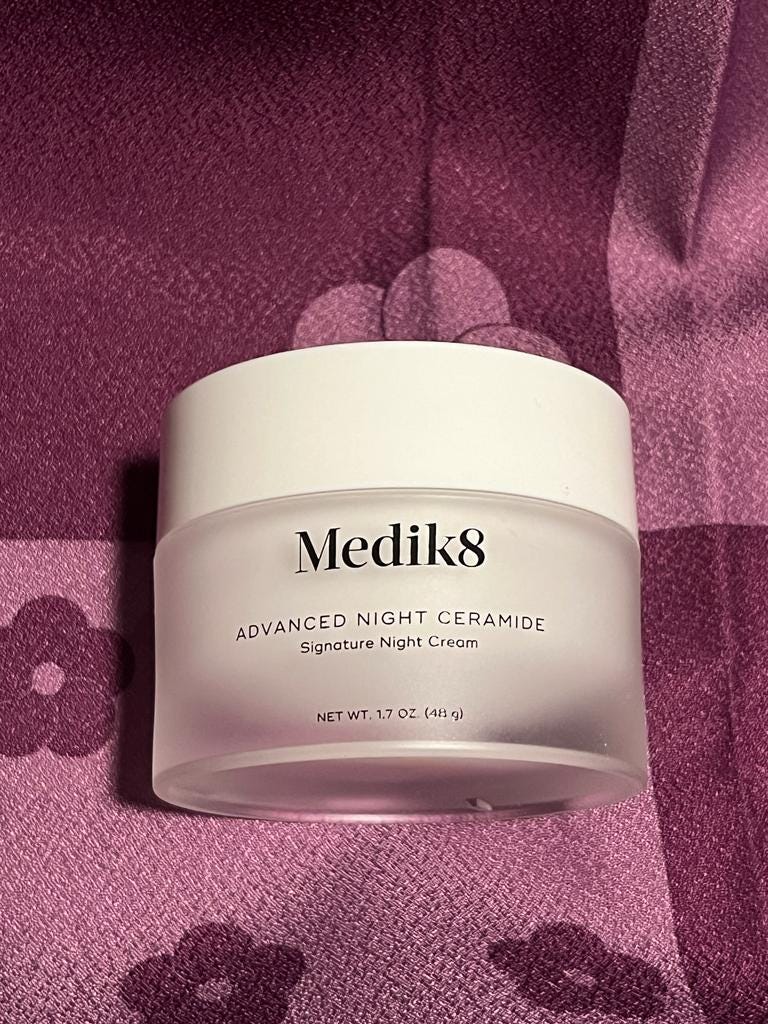
Finish with a moisturizer containing ceramides or glycerin to help prevent moisture loss overnight.
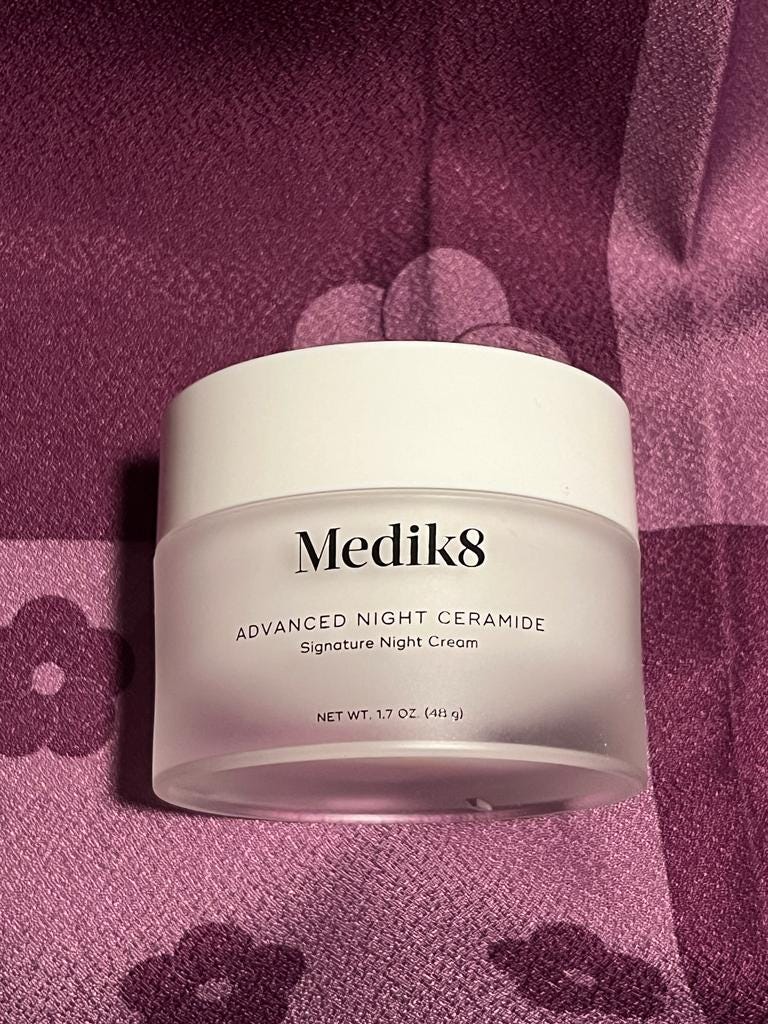
If your skin gets dry or irritated, you can try applying your hyaluronic acid serum first.
Just let your skin dry before following with retinol.
I also recommend starting retinol two or three nights a week rather than using it every night from the beginning.
You can increase how often you use it once you know how your skin responds.
On nights when you’re not using retinol, you can still use hyaluronic acid and moisturizer to keep your skin hydrated.
Final Thoughts
Hyaluronic acid is a great ingredient to have in your routine if you’re using retinol, especially when dryness becomes an issue.
I wouldn’t worry too much about getting the application order perfect.
What matters more is how your skin feels and whether you’re able to use retinol without constant irritation.
If you’re new to retinol, start slow and give your skin time to adjust. You can always make changes to your routine as you learn what works for you.
Cheers,