For maximizing benefits, you should apply tretinoin before moisturizer in your nightly skincare routine.
Topical tretinoin, also known as retinoic acid, is a popular prescription acne and anti-aging treatment.
However, using tretinoin can also cause side effects like skin irritation and dryness.
By using a good moisturizer along with tretinoin, you can protect your natural moisture barrier and keep your skin healthy.
This article will explain everything you need to know about applying tretinoin with moisturizer.
Skincare Stacy's Stack is a reader-supported publication. To receive new posts and support my work, consider becoming a free or paid subscriber.
Benefits of Applying Tretinoin Before Moisturizer
Tretinoin is an effective topical acne treatment.
However, it can also cause irritation, particularly for people with sensitive skin or dry skin.
Fawn’s Notes:Unlike retinol, tretinoin is a prescription medication.
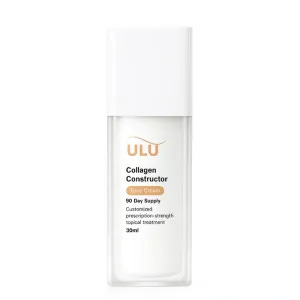
If you don’t have insurance or simply don’t want to deal with going in to see a dermatologist, I suggest checking out a reputable online pharmacy like UluRX.
When you apply tretinoin cream, you essentially tell your body “make me newer, younger skin”.
This process has benefits like:
Turning over dead skin cells
Fighting dark spots and uneven skin tone
Reducing fine lines and wrinkles
In fact, tretinoin users will frequently tell you that tretinoin is one of the best anti-acne and anti-aging treatments out there.
How to Choose a Moisturizer to Use with Tretinoin
The best moisturizers to use with tretinoin are formulated with skin-loving ingredients like:
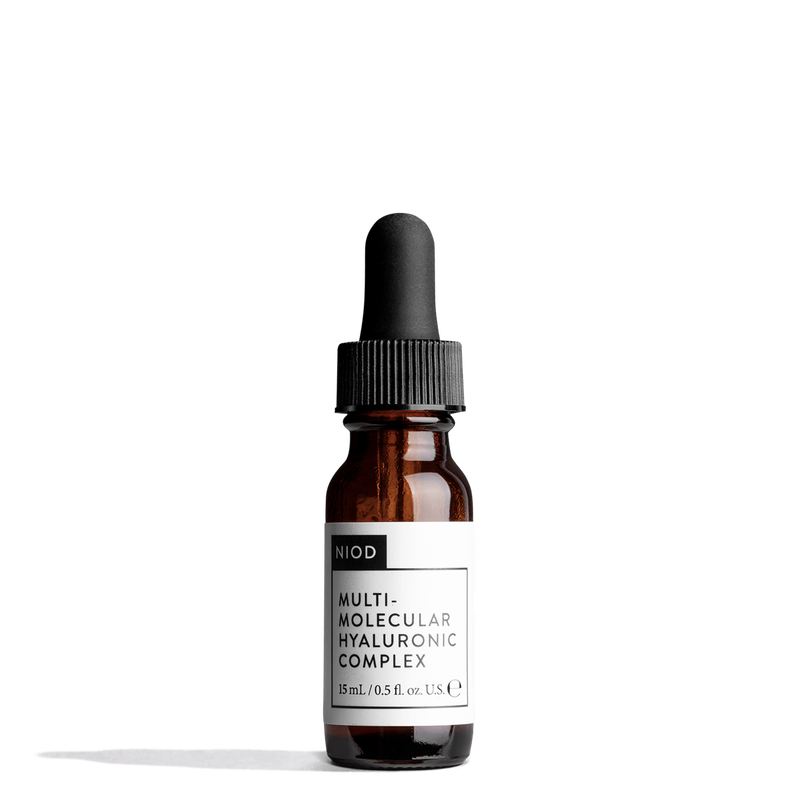
Hyaluronic acid
Ceramides
Niacinamide
Shea butter
These ingredients help support your skin barrier and fight the dryness typically associated with using tretinoin.
Suggested Picks
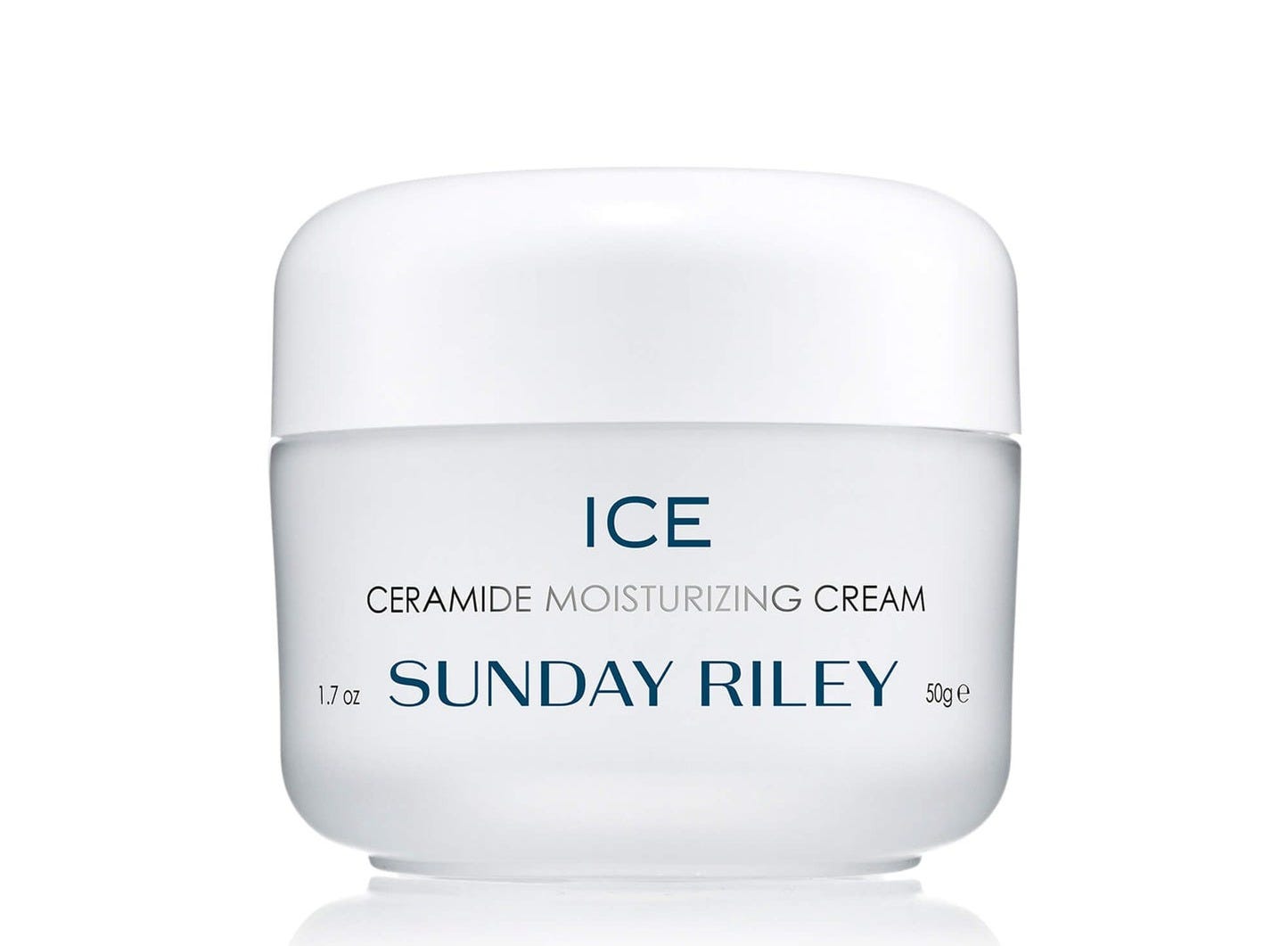
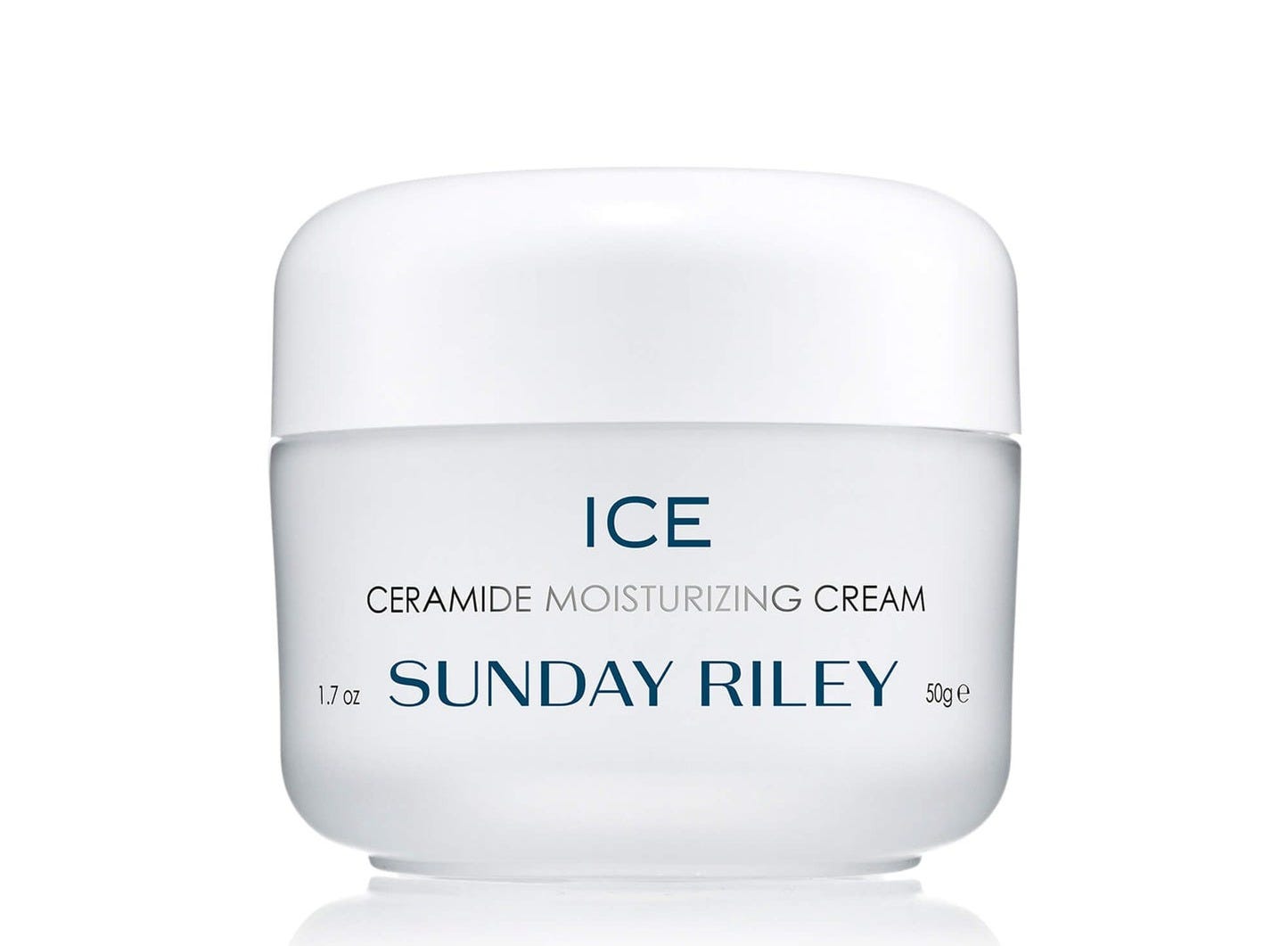
Sunday Riley IceCeramide Moisturizing Cream is a great option with tretinoin because it helps restore the skin barrier and ease dryness or irritation. The ceramide-rich, deeply hydrating formula keeps skin comfortable and supported while using a retinoid.
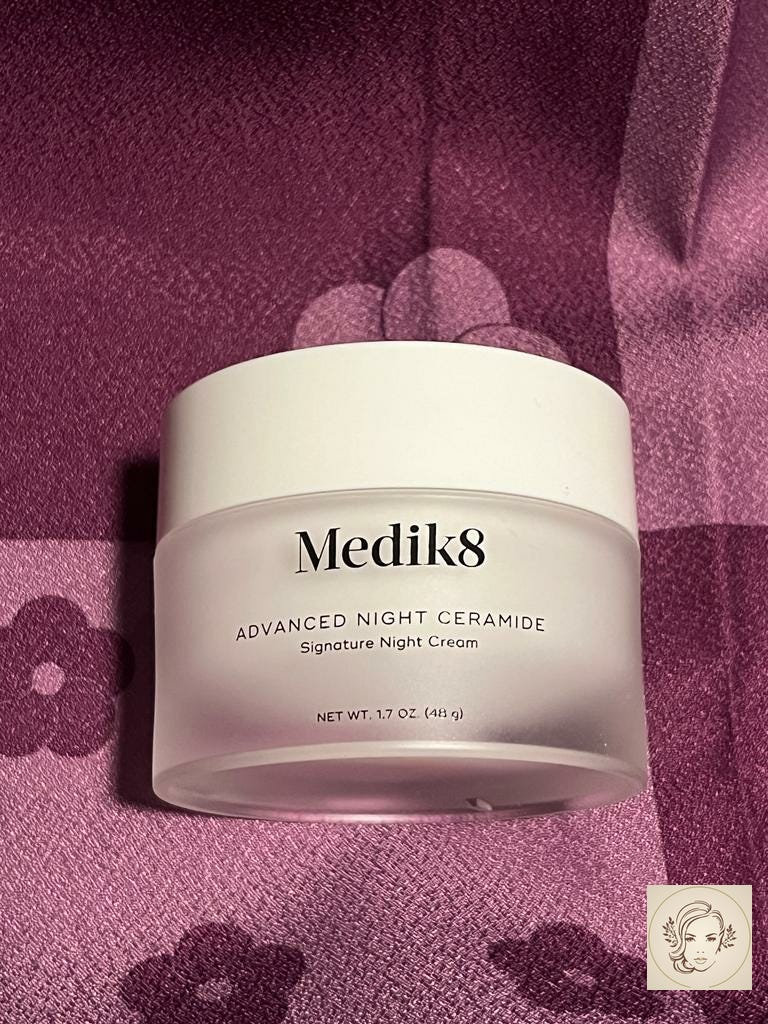
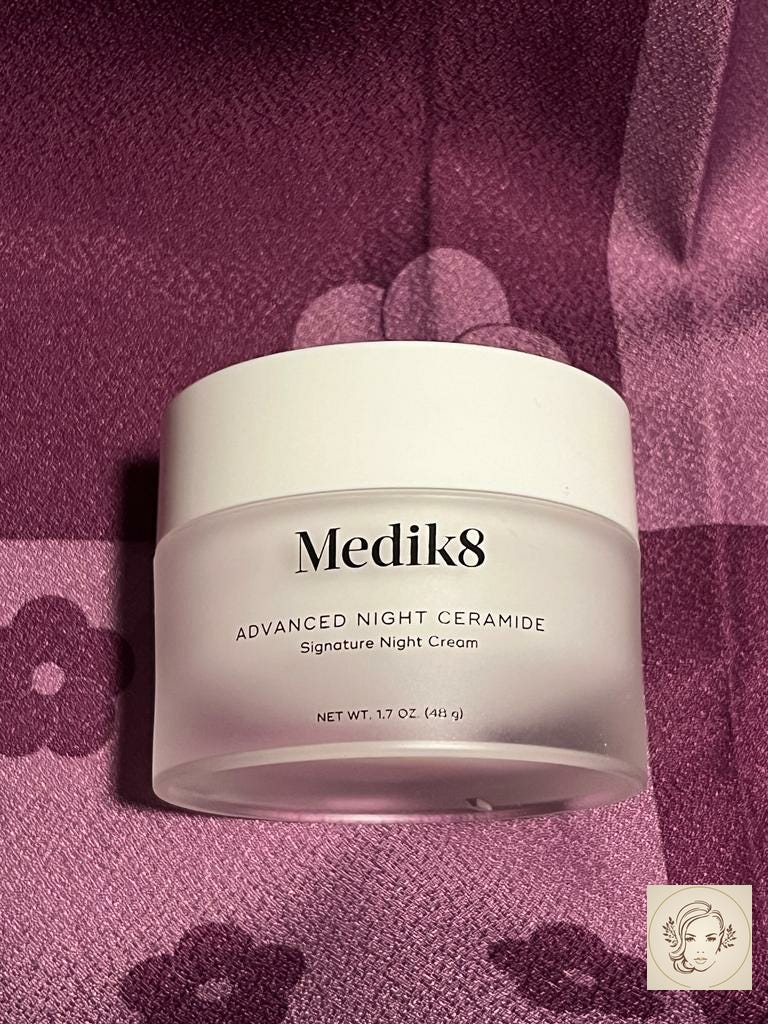
Medik8 Advanced Night Ceramide works well with tretinoin because it helps replace the ceramides your skin can lose from retinoid use. It keeps skin feeling comfortable and supported overnight, so you’re less likely to wake up with tightness or irritation.
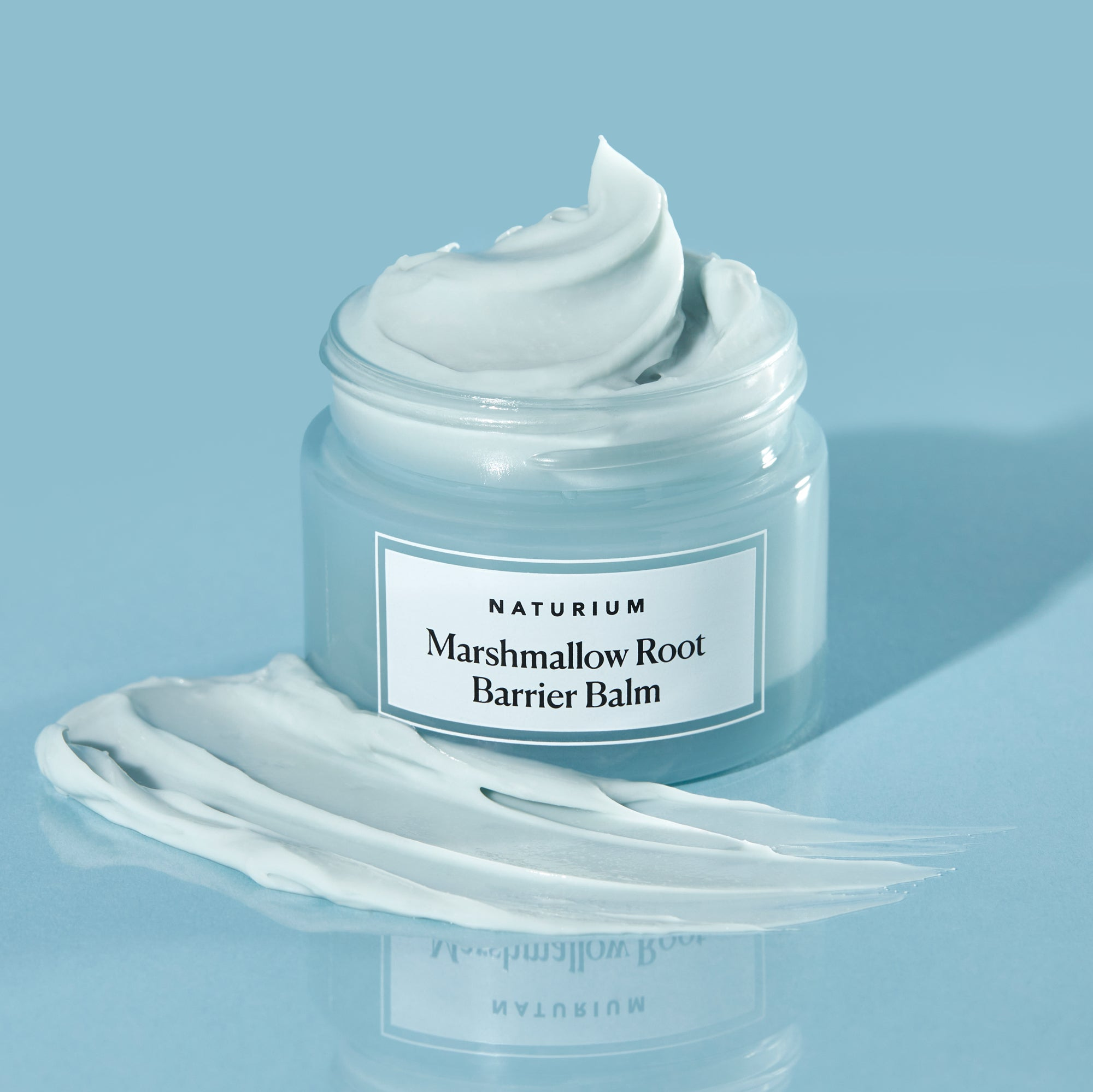
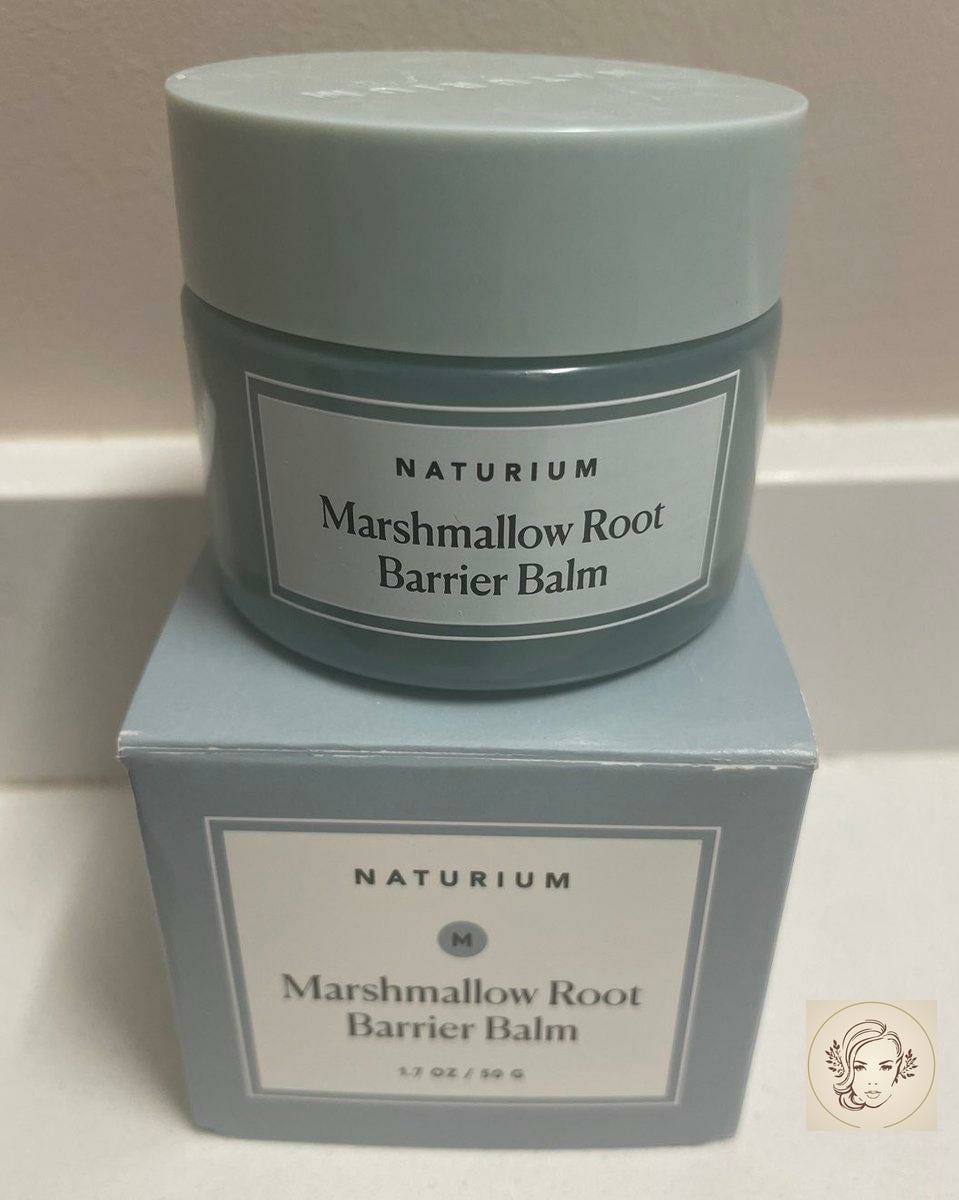
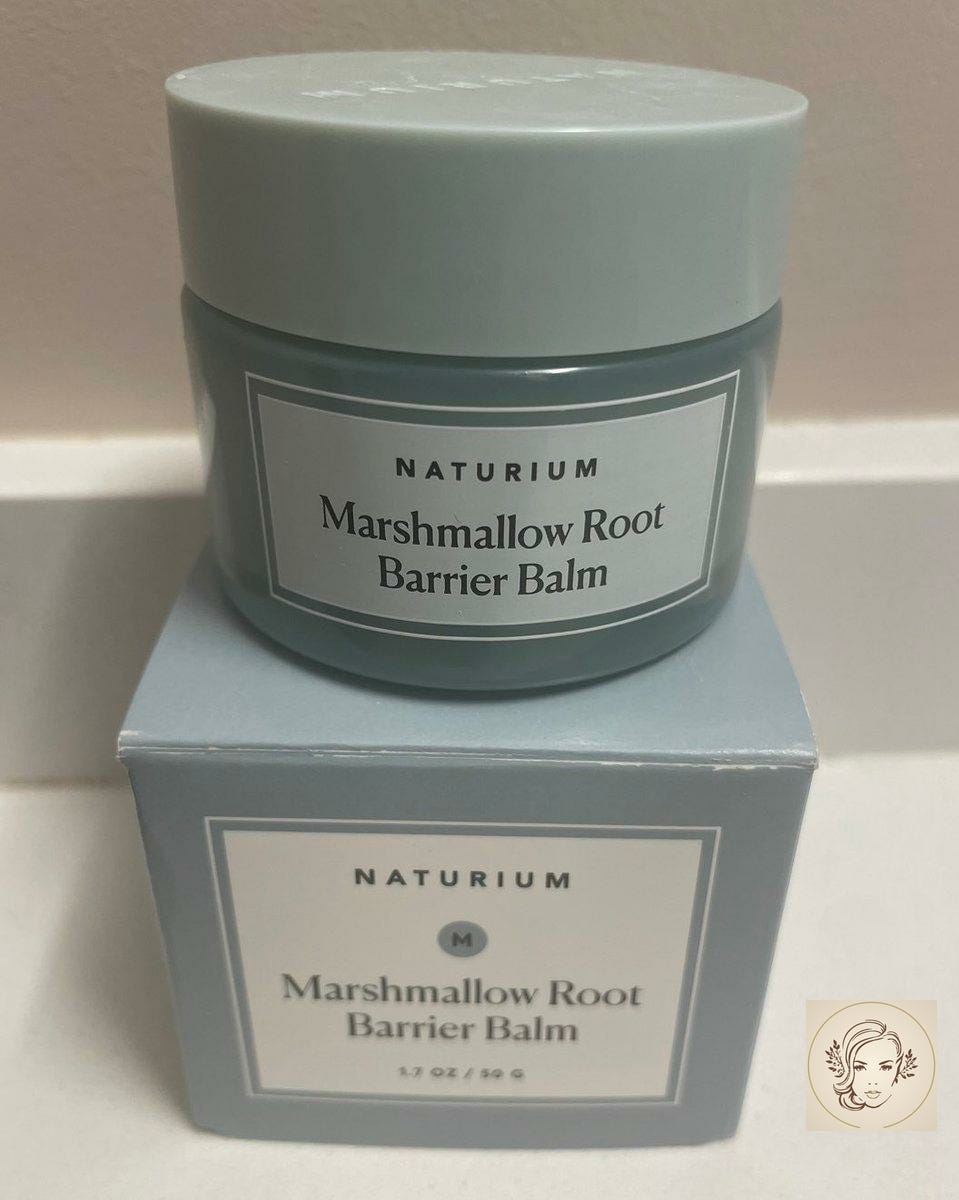
Naturium Marshmallow Root Barrier Balm is a comforting option when using tretinoin, especially if your skin feels dry, irritated, or overworked. Ingredients like marshmallow root, colloidal oatmeal, and centella help calm the skin and seal in moisture, making it useful as a final step to support the barrier on retinoid nights.
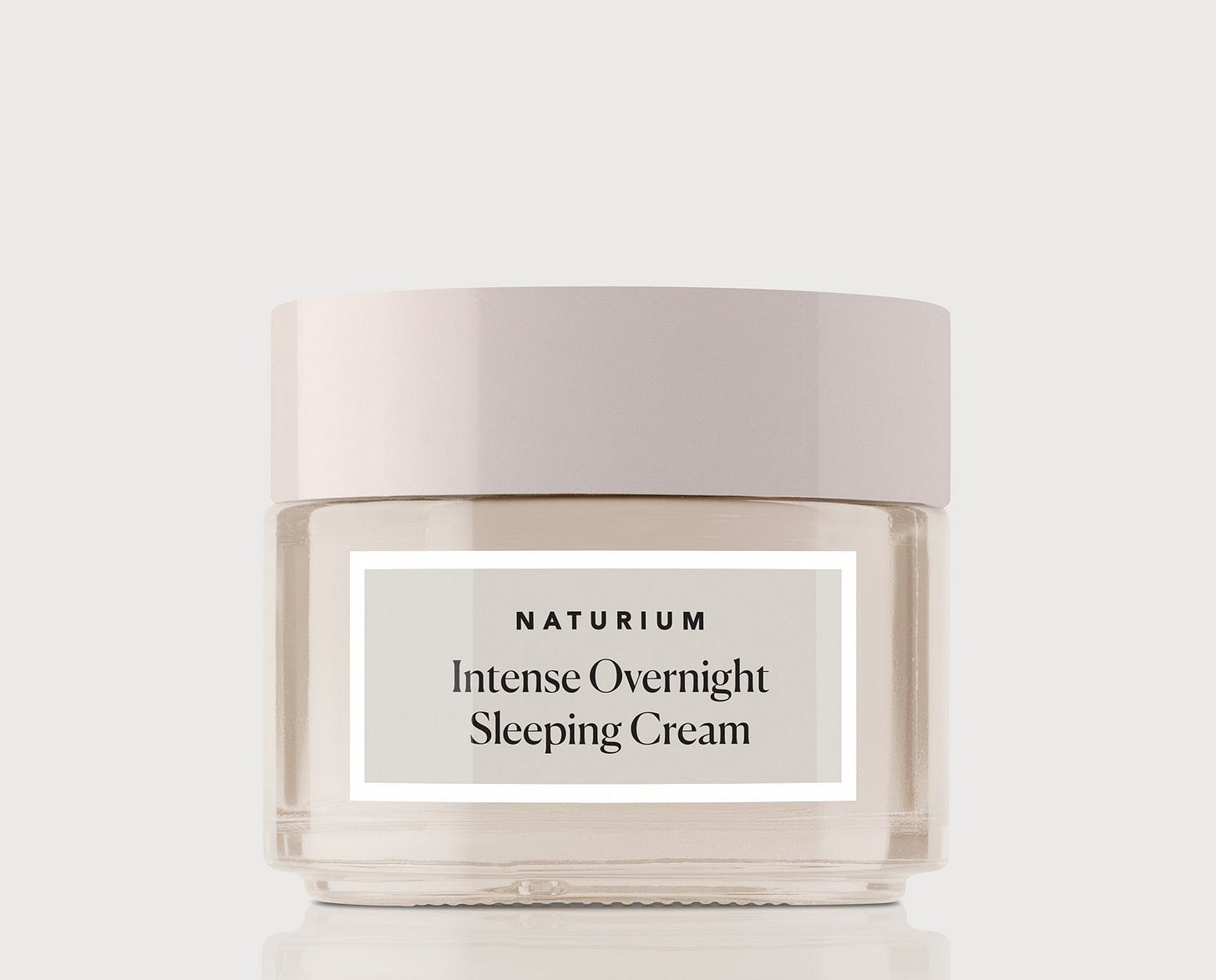
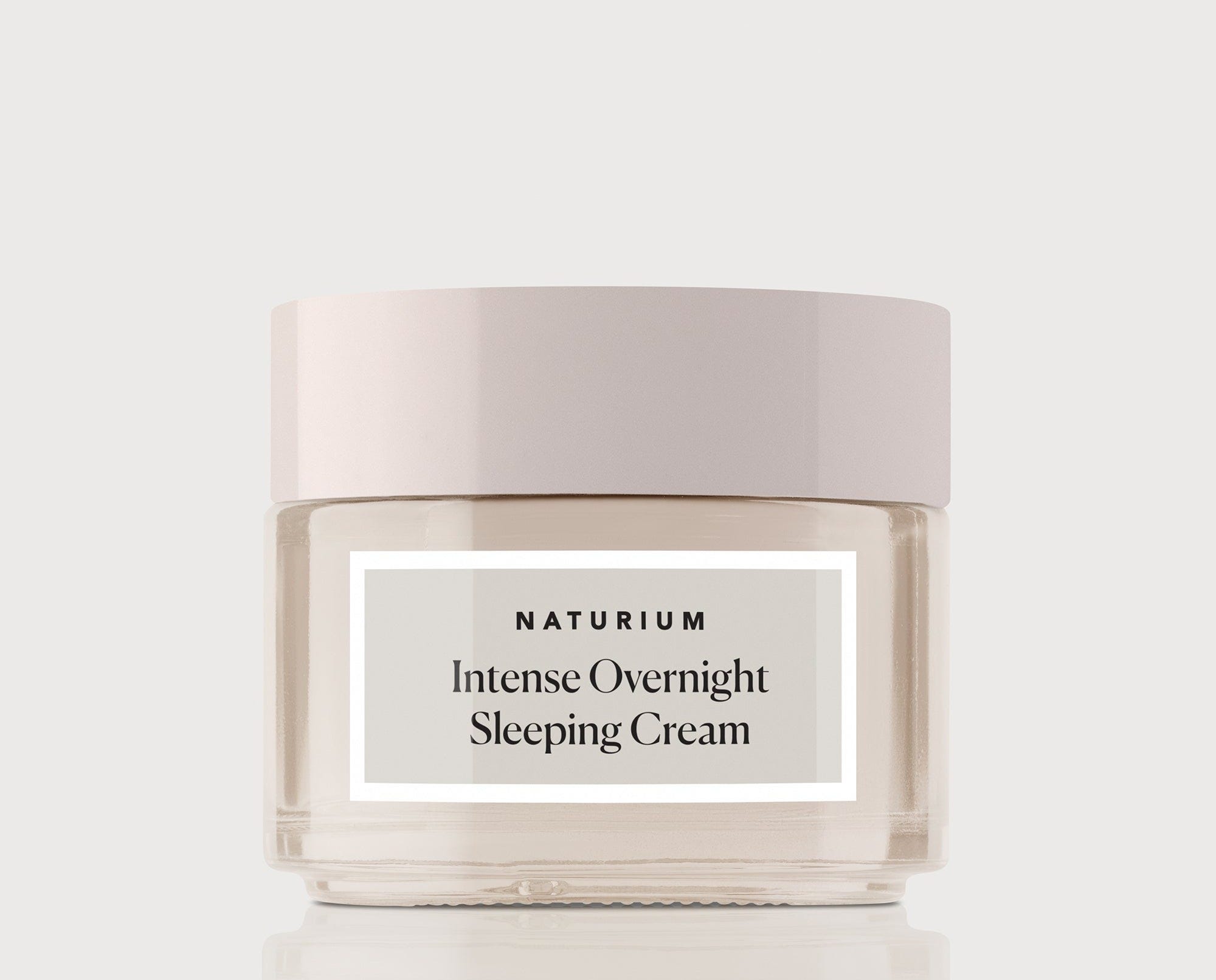
Intense Overnight Sleeping Cream is a solid choice for nights when skin needs extra support, especially if you’re using tretinoin. Ingredients like squalane, glycerin, and plant-based triglycerides help replenish moisture and soften skin overnight, making it easier to wake up without tightness or dryness.
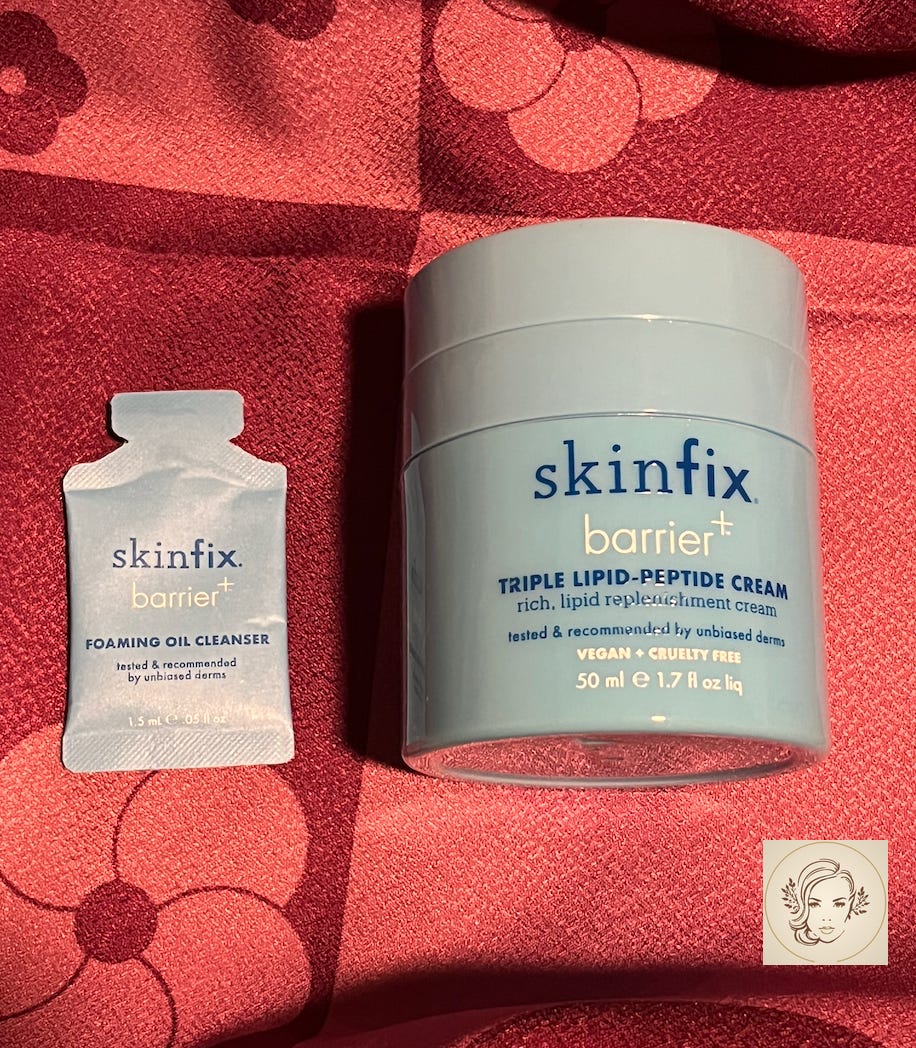
Skinfix Triple Lipid-Peptide Cream supports the skin barrier while using tretinoin by replenishing ceramides, fatty acids, and peptides. It helps skin retain moisture and feel more comfortable during retinoid use. I find this one is a little on the lighter side, so I would steer towards this if you tend to have oilier skin.
To layer tretinoin in your skincare routine, you should first cleanse your face before applying a pea-sized amount.
Then, follow up with any serums or moisturizers.
Following this order while layering your tretinoin treatment with other products will ensure that you get the maximum anti-aging and anti-acne benefits while still keeping your skin healthy.
How long should you wait to apply moisturizer after tretinoin cream?
You should wait to apply moisturizer after tretinoin for between 2 and 20 minutes.
This time will allow the tretinoin to fully absorb into your skin.
Then, applying moisturizer will add essential fatty acids and hydration back into your skin to prevent excessive dryness.
How to Apply Tretinoin
To apply tretinoin correctly, start by washing your face with a gentle cleanser.
Then, dispense a pea-sized amount of tretinoin onto your pointer finger, and dot it all over your face.
Gently rub in the tretinoin until absorbed.
Finish off by applying a layer of your favorite moisturizer.
If you have particularly dry skin, you can also consider layering some facial oil on top as well.
Skincare Stacy's Stack is a reader-supported publication. To receive new posts and support my work, consider becoming a free or paid subscriber.
Summary: do you apply tretinoin before or after moisturizer?
To maximize results, you should apply tretinoin before your moisturizer.
However, there is no definitive right or wrong method as there are pros and cons to both.
In fact, the best practice with skincare is to pay attention to your body’s response.
For example, if applying tretinoin cream first causes irritation for you, try buffering it with moisturizer beforehand.
Or, you can alternate between the two methods to analyze what works best for your skin.
Overall, the goal is to maximize the benefits of tretinoin while still keeping your skin healthy.