

I know how frustrating it can be when your skin feels rough or bumpy, especially when you’ve tried different products and still aren’t seeing much improvement.
And with so many skincare products promising smoother skin, it can be difficult to figure out what your skin needs.
Something I’ve learned from studying skincare ingredients is that uneven texture isn’t always caused by the same thing.
Clogged pores, dead skin buildup, dryness, and acne scars can all affect how your skin looks and feels, but they don’t respond to the same treatments.
In this guide, I’ll walk you through the science behind skin texture, which ingredients are worth considering, and my skincare product recommendations to help you find what works for your skin.
What Causes Textured Skin?
Some skin texture is normal.
Your skin has pores, hair follicles, and natural variations in its surface, so having smooth skin doesn’t mean having skin without texture.
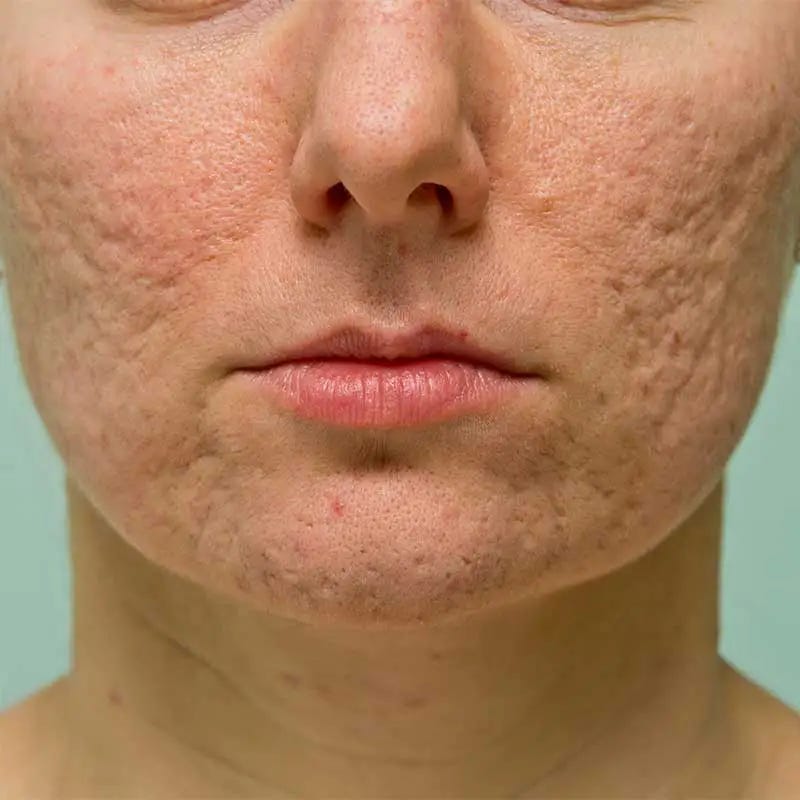
But if you’ve noticed new bumps, rough patches, or changes in how your skin feels, there are a few possible causes worth understanding.
Clogged pores: When excess oil and dead skin cells build up inside your pores, they can form blackheads, whiteheads, and small bumps. These are common around the forehead, nose, and chin.
Dead skin buildup: Your skin sheds dead cells as part of its natural renewal process. When those cells accumulate on the surface, your skin can start to feel rough or look dull.
Dryness and dehydration: Dry skin lacks enough oil, while dehydrated skin lacks water. Both can affect how smooth your skin looks and feels, with dryness often causing flaky patches and dehydration making fine lines more noticeable.
Acne and acne scars: Active breakouts can create raised bumps, while some acne scars leave behind indentations or uneven areas that change the skin’s surface.
Keratosis pilaris: This common skin condition happens when keratin builds up around hair follicles, creating small, rough bumps that often appear on the upper arms and thighs.
Understanding what’s causing your texture matters because the same treatment won’t work for every concern.
An exfoliant may help with clogged pores or dead skin buildup, but deeper acne scars often need a different approach.
The Science Behind Skin Texture
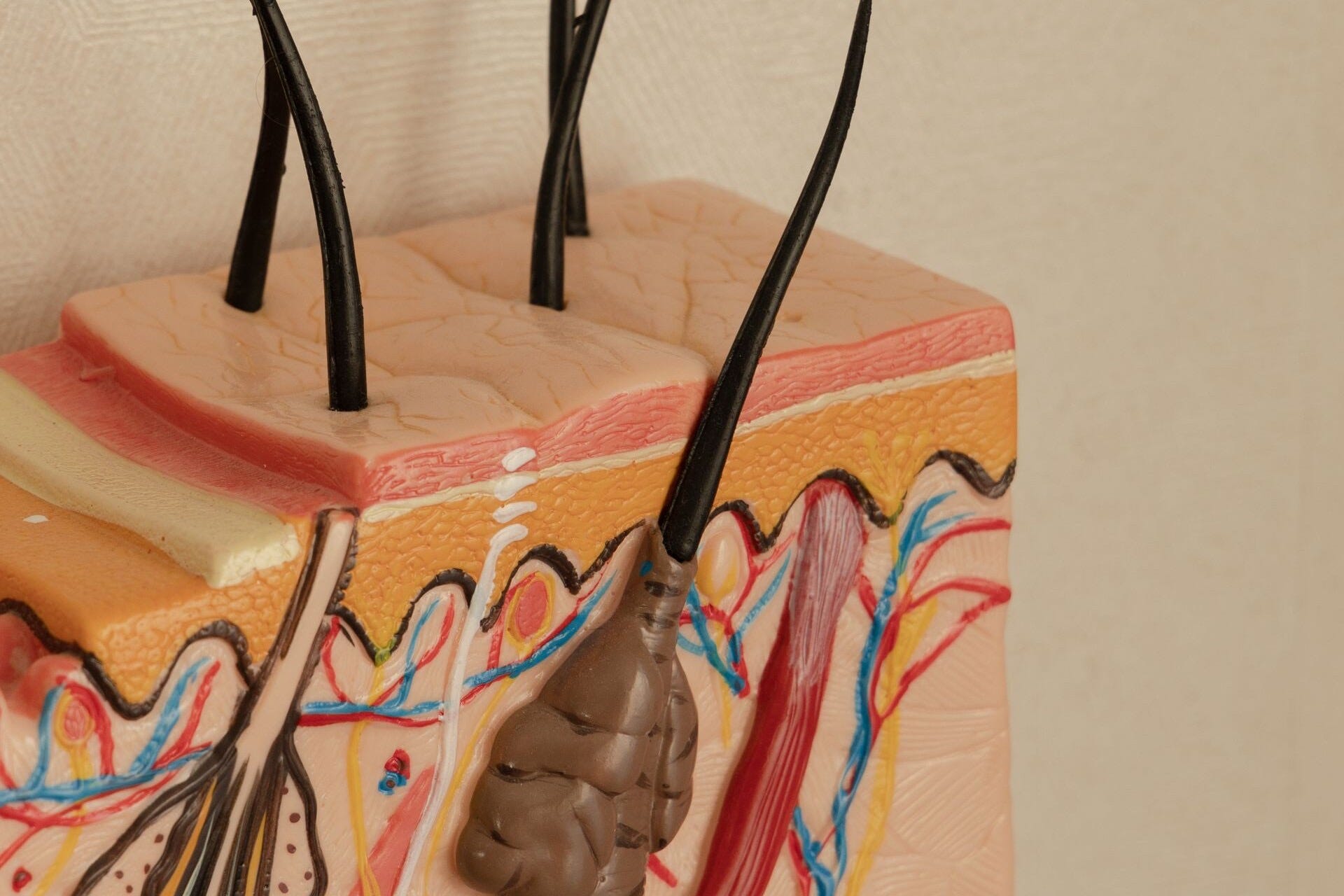
Your skin is constantly renewing itself, and two things that can affect its texture are how dead skin cells shed and how well your skin retains moisture.
How Skin Cell Turnover Affects Texture
Your skin produces new cells that move toward the surface as older cells shed.
This natural shedding process is called desquamation.
When dead skin cells don’t shed as they should, they can build up on the surface and make your skin feel rough or look dull.
They can also mix with oil, or sebum, inside your pores and contribute to blackheads, whiteheads, and small bumps.
Exfoliating ingredients like salicylic acid and alpha hydroxy acids (AHAs) help loosen the bonds between dead skin cells, making it easier for them to shed.
How Hydration and the Skin Barrier Affect Texture
The outermost layer of your skin, called the stratum corneum, acts as a protective barrier that helps prevent moisture loss.
It contains natural fats called lipids, including ceramides, cholesterol, and fatty acids, that help keep the barrier intact.
When your skin loses too much moisture, it can become dry, flaky, and rough.
And if your skin barrier is already irritated, using more exfoliating products can make things worse.
Ingredients like glycerin and hyaluronic acid help attract water to the skin, while moisturizers help soften the surface and reduce moisture loss.
Some types of texture also go beyond the skin’s surface.
Deep acne scars, for example, involve changes in the skin’s underlying structure, which is why topical skincare has limited effects on them.
Which Skincare Ingredients Help With Texture?
Now that you understand what causes uneven skin texture, let’s look at the ingredients that can help improve it.
I always recommend choosing skincare ingredients based on what you’re trying to treat.
For example, salicylic acid can be useful for clogged pores, while glycerin may be a better choice if your skin feels rough because of dryness.
Here’s how some of the most common ingredients work:
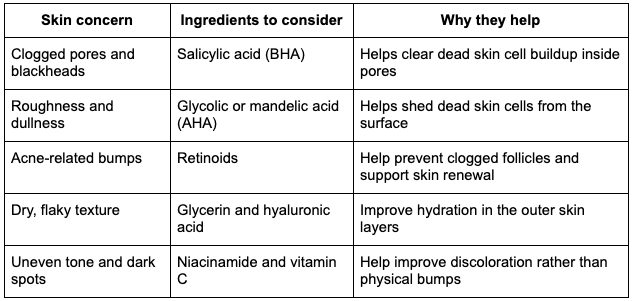
Keep in mind that uneven skin tone and uneven skin texture aren't the same thing.
Ingredients like vitamin C and niacinamide can help with discoloration, but they won't necessarily smooth raised bumps or acne scars.
Best Skincare Products for Textured Skin
1. Best BHA Exfoliant for Clogged Pores
Paula’s Choice 2% BHA Liquid Exfoliant is one of my favorite products for clogged pores, blackheads, and bumpy skin.
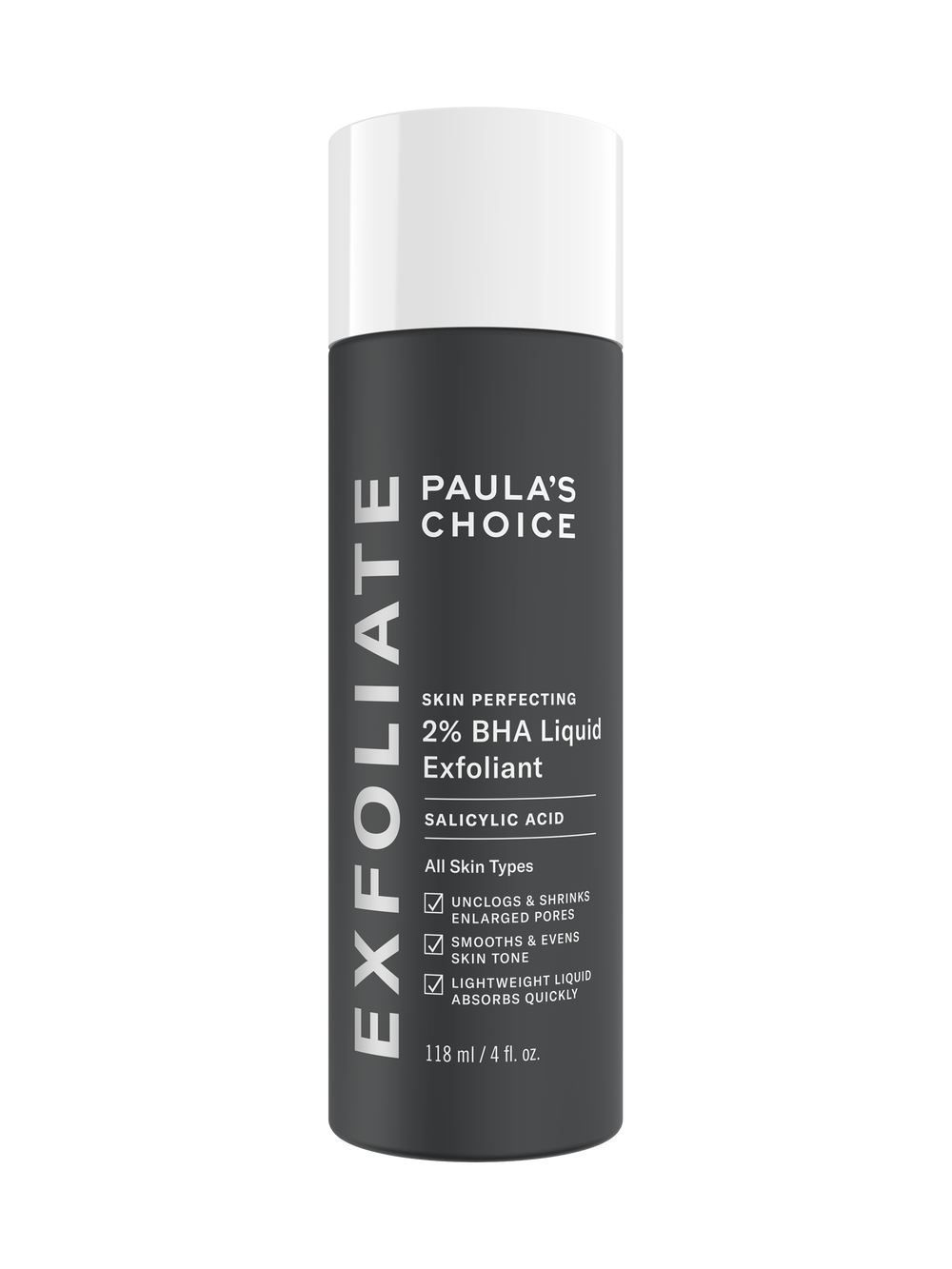
Its 2% salicylic acid formula helps loosen dead skin cells and clear buildup inside pores, improving congestion-related texture.
I recommend starting with 1–3 nights per week, depending on your skin’s tolerance, to avoid over-exfoliating.
2. Best AHA Exfoliant for Rough Skin Texture
The Ordinary Lactic Acid 10% + HA is an affordable exfoliating serum that helps improve rough skin texture and dullness.
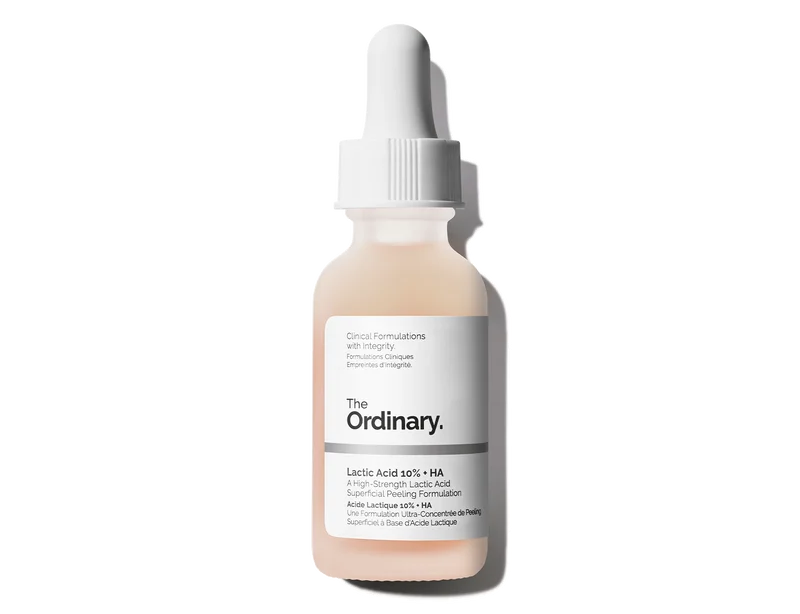
It contains 10% lactic acid, an alpha hydroxy acid (AHA) that helps loosen dead skin cells on the surface, along with hyaluronic acid for hydration.
Since this is a stronger exfoliating treatment, I’d start with 1–2 nights per week and avoid combining it with other exfoliating acids or retinoids in the same routine.
3. Best Hydrating Serum for Skin Texture
Experiment Beauty Super Saturated is one of my favorite options for skin that feels dry, dehydrated, or rough.
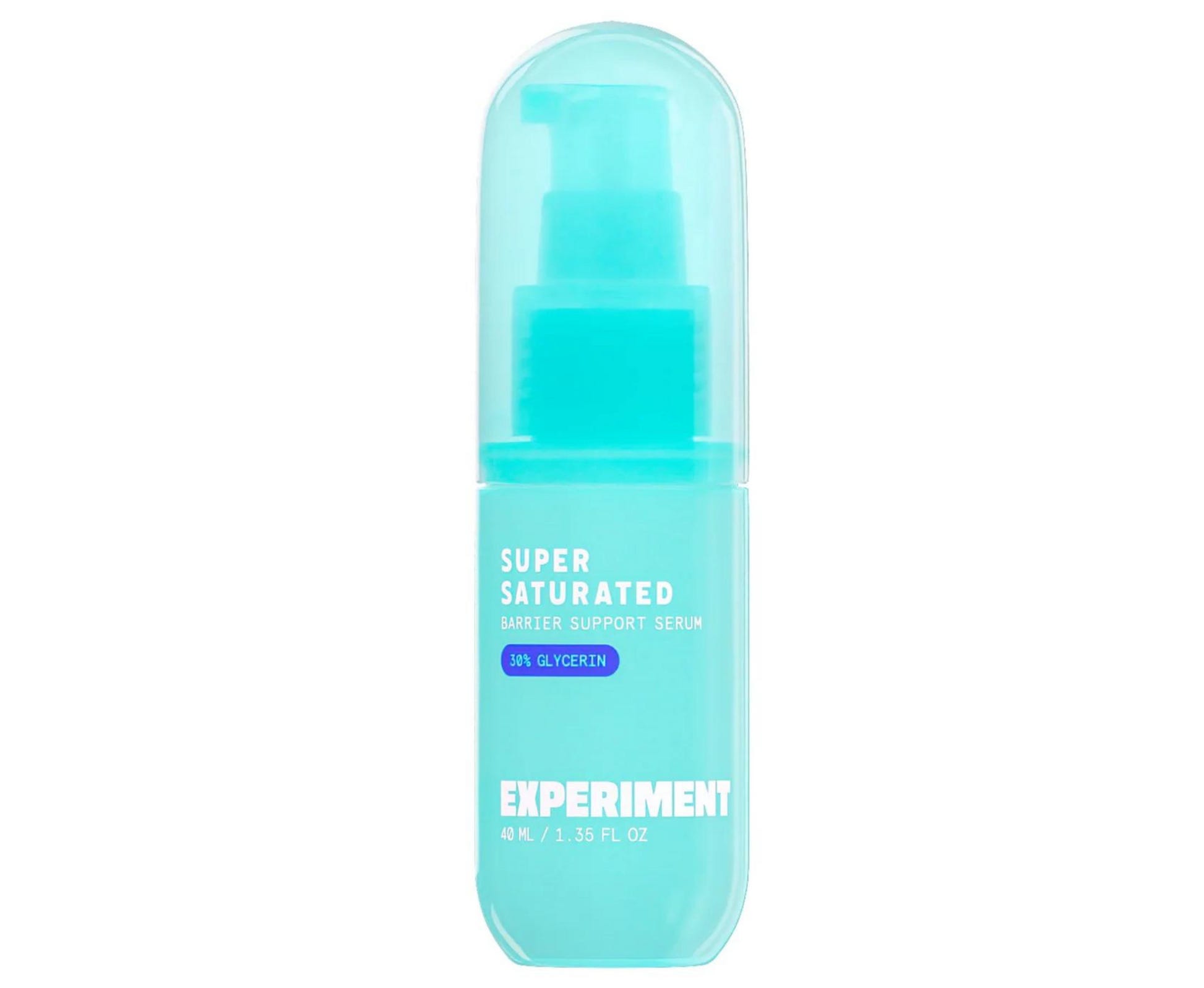
Its formula contains 30% glycerin, a humectant that attracts water and helps keep the skin hydrated.
This can make dehydration-related texture and fine lines less noticeable.
I’d recommend this if your skin needs more hydration or if you’re using exfoliating acids or retinoids that can cause dryness.
4. Best Moisturizer for Dry, Textured Skin
I’ve been recommending Naturium Marshmallow Root Barrier Balm for years, and it’s still one of my favorite moisturizers for dry, rough skin.
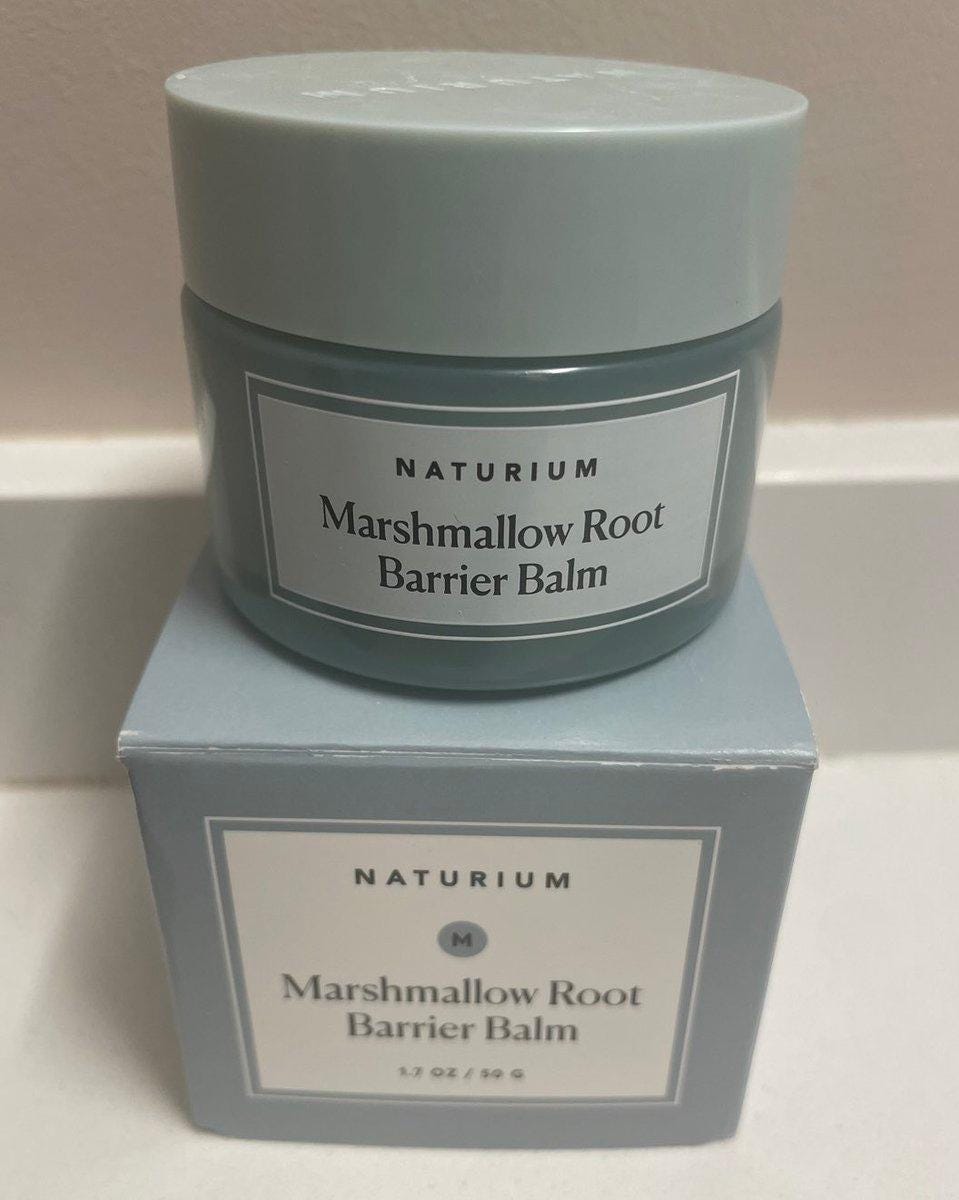
Its rich, nourishing formula helps soften dry patches and reduce moisture loss, which can make dryness-related texture less noticeable.
I like it for skin that needs extra moisture and barrier support, particularly when using exfoliating acids.
5. Best Retinol for Rough and Bumpy Skin
Naturium Retinol Complex Serum is a great option if you’re dealing with uneven skin texture, acne-related bumps, or early signs of aging.
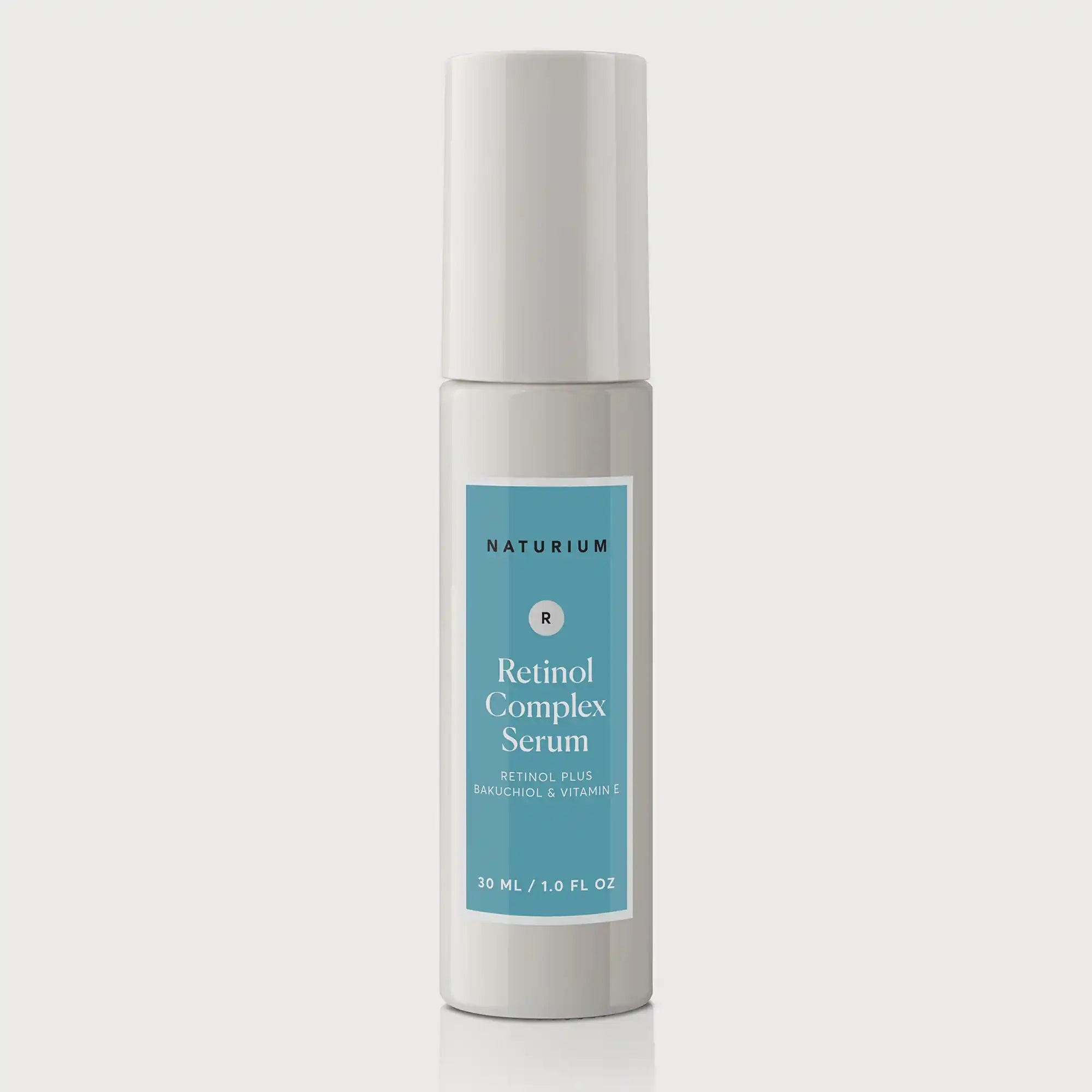
Retinol is a vitamin A derivative that helps regulate skin cell turnover and supports collagen production, which can improve fine lines and skin texture over time.
I like that Naturium combines retinol with bakuchiol in this formula.
If you’re new to retinol, I’d start with two nights per week and increase as your skin adjusts.
Retinoids should also be avoided during pregnancy or when trying to conceive.
6. Best Body Exfoliant for Rough Skin
First Aid Beauty KP Bump Eraser Body Scrub is a great option for rough, bumpy skin on your arms, thighs, and other areas prone to keratosis pilaris (KP).
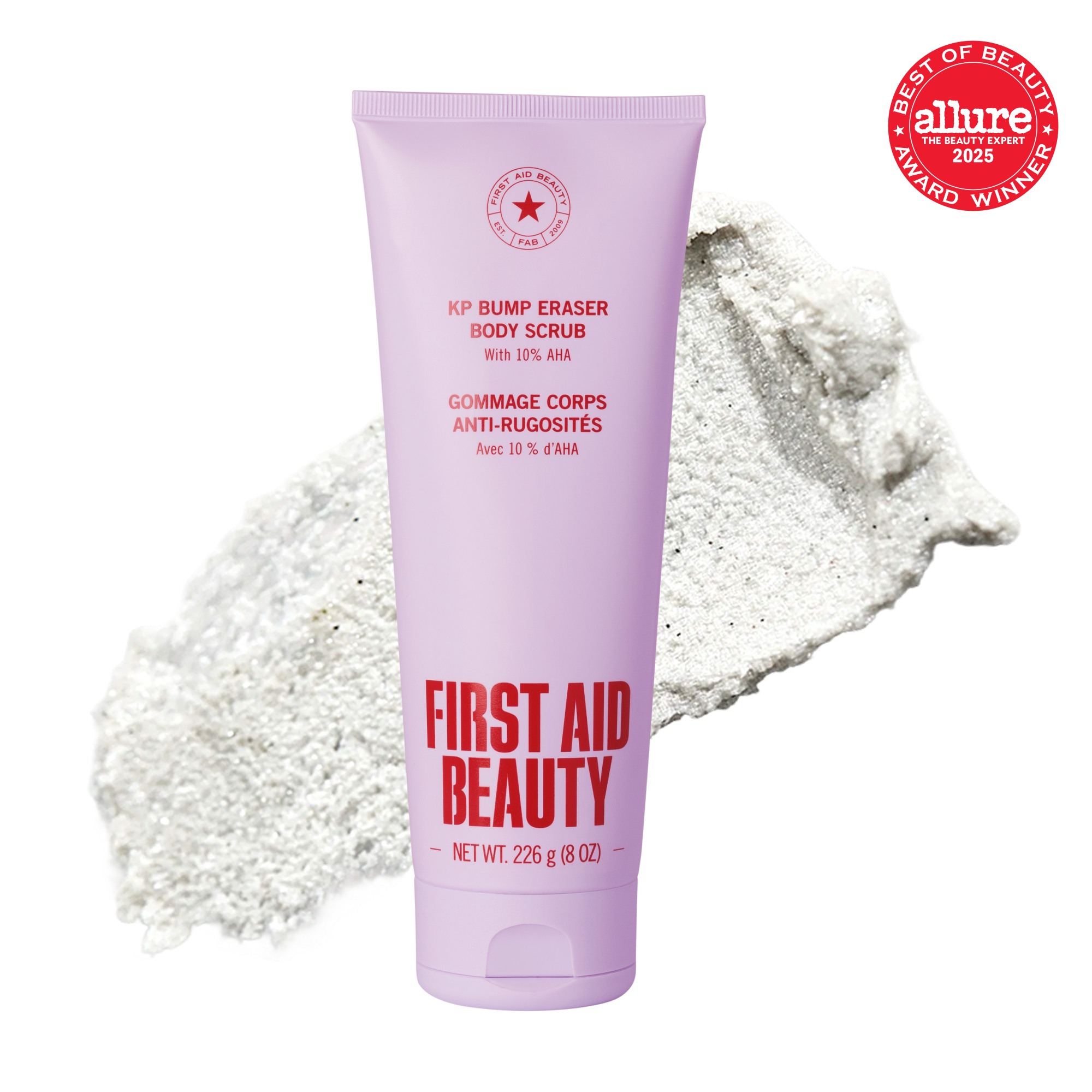
It combines glycolic and lactic acids with physical exfoliation to help remove dead skin buildup and smooth rough patches.
I’d start with once a week and avoid scrubbing too hard, since over-exfoliating can irritate your skin and make bumps more noticeable.
Skincare Routine for Textured Skin
Morning Routine
Wash your face with a gentle cleanser, or rinse with water if that’s enough for your skin.
Apply a hydrating serum like Experiment Beauty Super Saturated to help keep your skin hydrated and soften roughness caused by dehydration.
Follow with a moisturizer like Naturium Marshmallow Root Barrier Balm to help prevent moisture loss and support your skin barrier.
Finish with a broad-spectrum SPF 30 or higher to protect your skin from UV damage.
Nighttime Routine
If you’re wearing makeup or sunscreen, you can start with a cleansing balm or cleansing oil to help remove it.
Follow with your gentle cleanser to wash away any remaining residue.
Apply a treatment based on your skin concerns. For instance, if you have clogged pores and blackheads, try Paula’s Choice 2% BHA Liquid Exfoliant. Start with a couple of nights per week rather than introducing multiple active ingredients at once.
Finish with moisturizer to help keep your skin comfortable overnight.
Final Thoughts
If there’s one thing I want you to take away from this guide, it’s that improving skin texture starts with understanding what’s causing it.
Clogged pores, dryness, and dead skin buildup can often improve with the right skincare ingredients, but deeper acne scars may need professional treatments to see a noticeable difference.
I’d focus on finding one or two products that address your concerns and giving them enough time to work.
Adding too many treatments at once can leave your skin irritated and make it harder to figure out what’s helping.
And remember, some skin texture is completely normal.
The goal is to keep your skin healthy and comfortable, not to make every pore disappear.
Cheers,