For best results, you should leave tretinoin on your face for at least one hour before washing it off.
That said, the easiest way to use tretinoin cream is to leave it on overnight and wash it off in the morning.
This gives the treatment enough time to fully absorb into your skin.
Once it is applied, you can finish the rest of your skincare routine and go to bed without worrying about washing your face again.
Sound confusing? Don’t worry.
In this article, I will explain exactly how long you should leave tretinoin on your face and how to use it the right way.
Skincare Stacy's Stack is a reader-supported publication. To receive new posts and support my work, consider becoming a free or paid subscriber.
What Is Tretinoin Cream?
Tretinoin, also known as Retin A, is a form of vitamin A that your skin can actually use.
It works as retinoic acid, which helps speed up skin cell turnover.
While tretinoin is best known for treating acne, it can also help fade dark spots and support collagen production over time.
That said, tretinoin can cause skin irritation and dryness if it is not used correctly or too often.
Fawn’s Notes: Unlike retinol, tretinoin is a prescription medication.
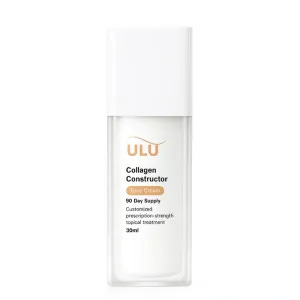
If you don’t have insurance or simply don’t want to deal with going in to see a dermatologist, I suggest checking out a reputable online pharmacy like UluRX.
However, you can reduce your chances of developing side effects by reducing the frequency with which you use it as well as using hydrating serums and moisturizers with ceramides to protect your barrier.
Further, tretinoin can cause photosensitivity, so be sure to use sunscreen and wear protective clothing during the day.
How to Use Tretinoin
To layer tretinoin in your evening skincare routine, follow these steps:
First, wash your face with a gentle cleanser and either let it air dry or pat gently with a clean towel
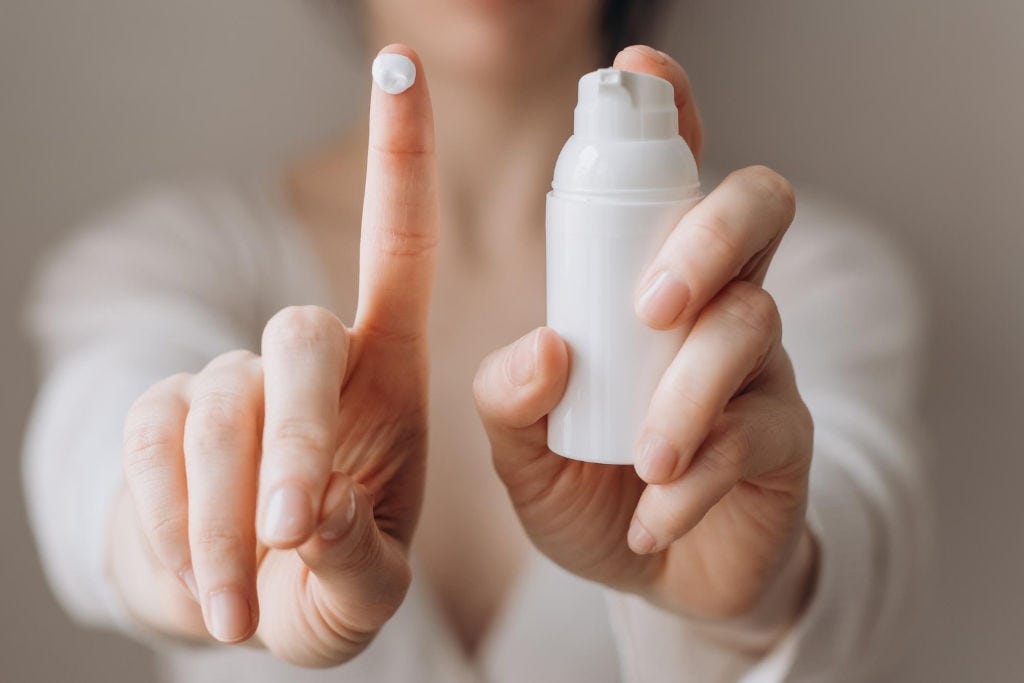
Next, dispense about a pea-sized amount of tretinoin on your pointer finger and dot it all over your face
Then, gently rub in the dots until they form a thin layer of tretinoin and absorb into your skin
Wait at least two minutes after applying tretinoin to allow the product to fully absorb
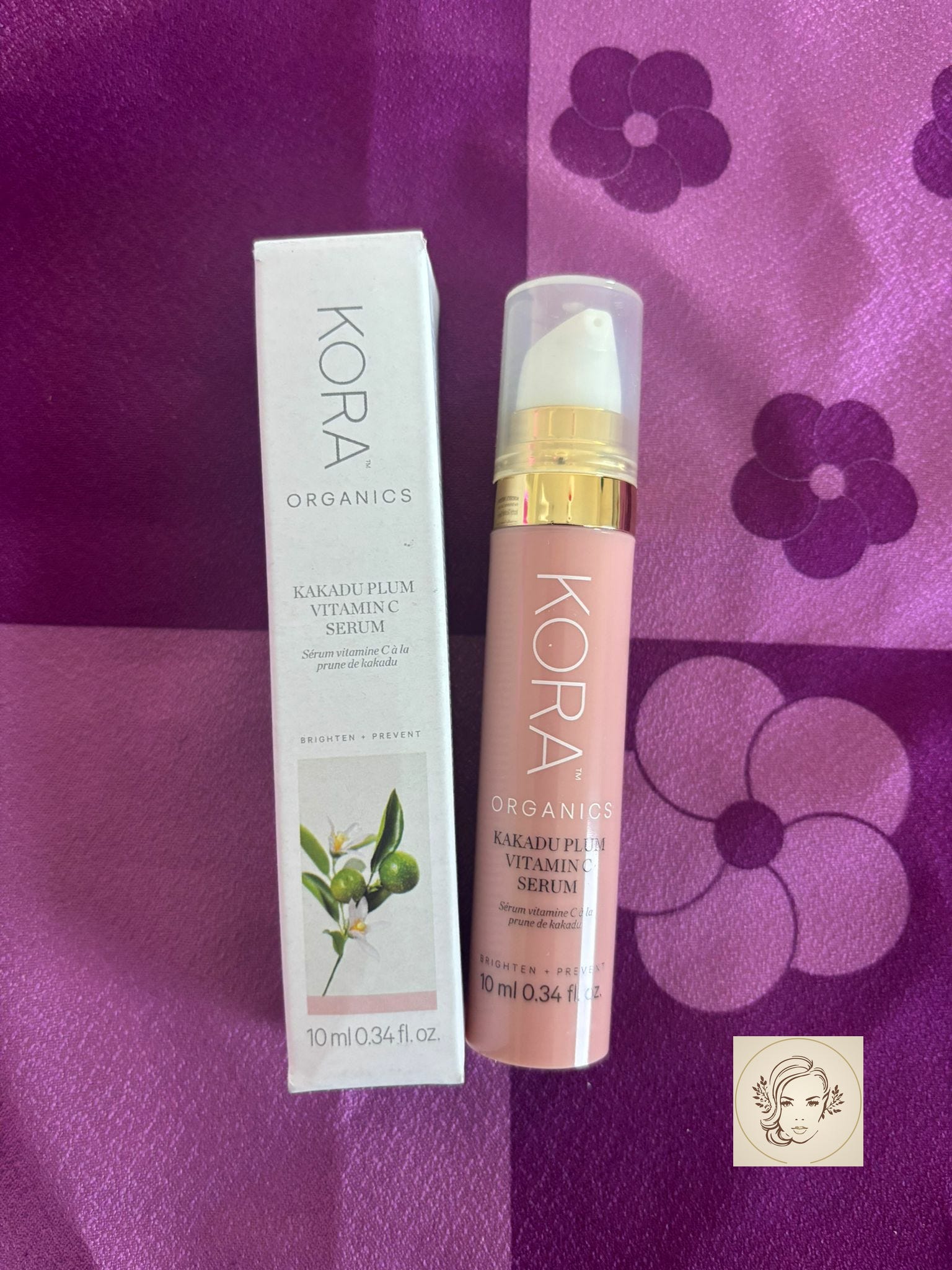
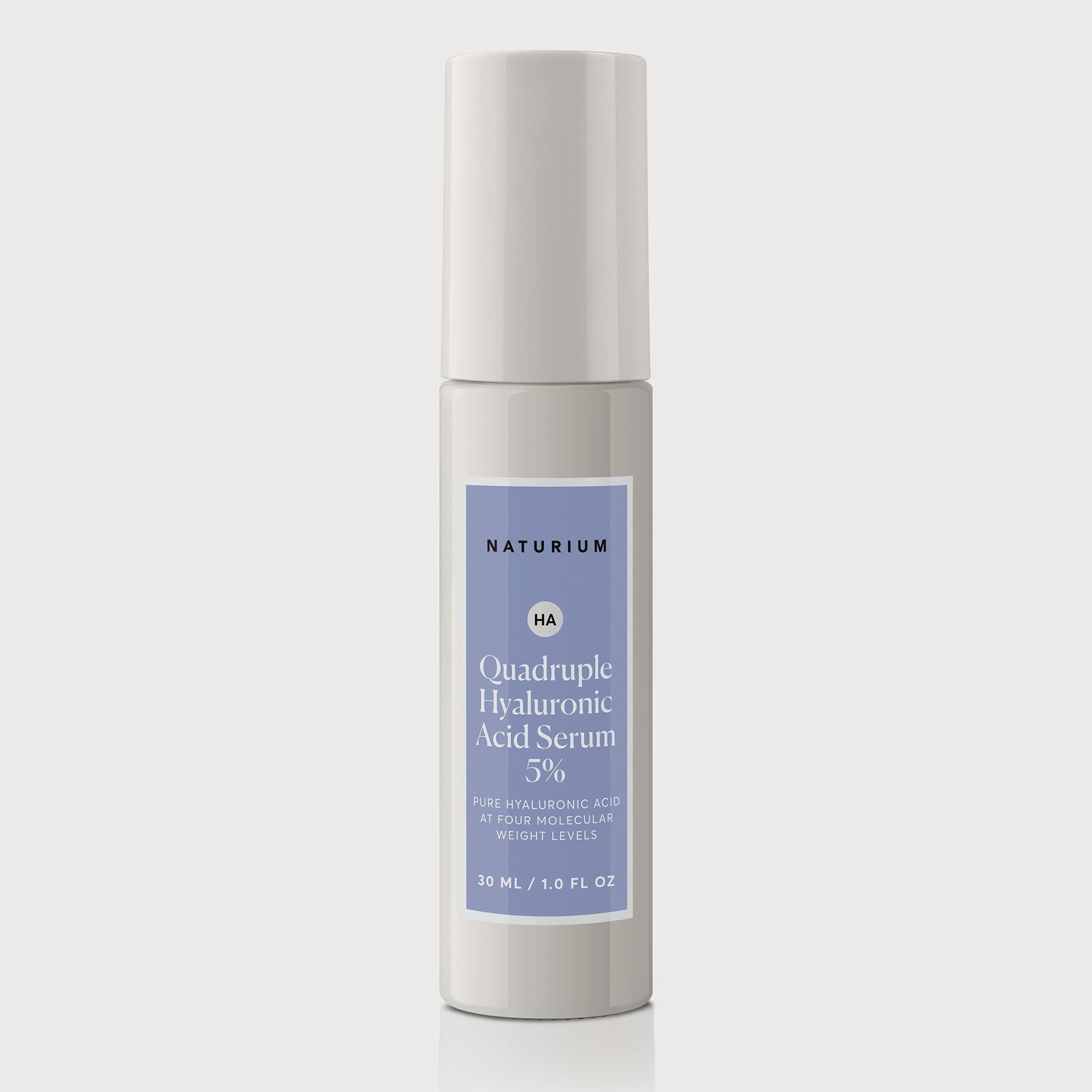
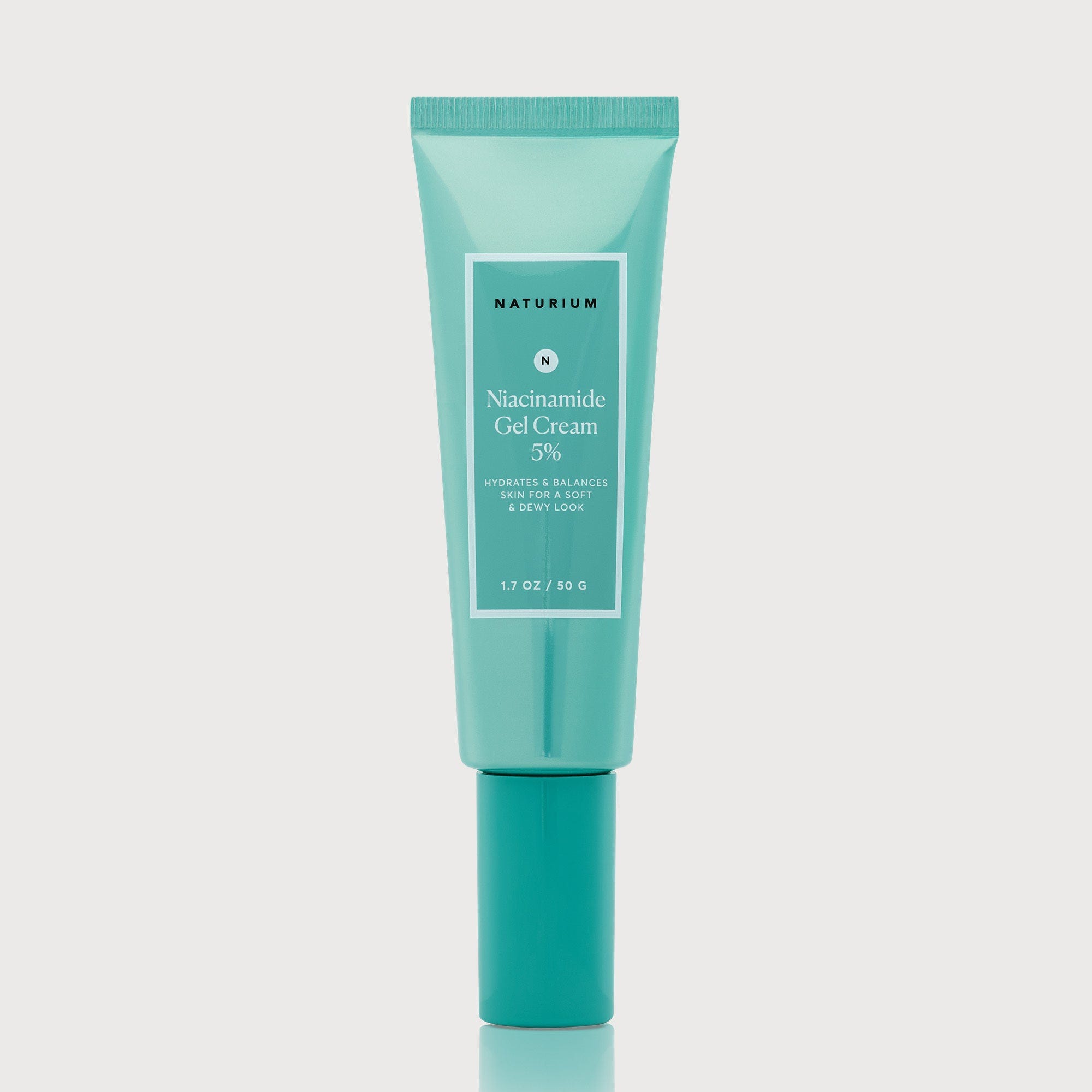
You can also use hyaluronic acid for hydration and niacinamide for skin barrier support when using tretinoin, though you can often find these hero ingredients combined into a single product.
If you’re dealing with acne, you can consider using one (or a few!) of these ingredients as part of your morning routine or apply them on different nights than tretinoin:
Just be aware that using multiple active ingredients in your skincare routine can increase skin irritation, especially if you have sensitive skin.
To prevent skin sensitivity and reduce skin irritation, make sure you use moisturizer at least twice per day.
When should you apply tretinoin?
You should apply tretinoin cream as part of your evening routine after cleansing but before moisturizing.
Because retinoids degrade under sunlight, you should only use tretinoin as part of your evening routine, not your morning routine.
How much tretinoin should I use?
Dermatologists suggest that you only need a pea-sized amount of tretinoin for your face and neck.
Image from allprettybits.com
However, you can also use a second pea-sized amount to cover your upper chest the backs of your hands if your skin can tolerate it.
For how long should I use tretinoin?
If you’re using tretinoin to treat signs of aging, you should continue using it for as long as you can.
Once you stop using tretinoin, your skin cell cycle will slow down, and you’ll develop fine lines and wrinkles more quickly.
However, if you have a tretinoin prescription to treat acne, it’s best to speak to your dermatologist and determine how long you should use tretinoin.
How often should I use tretinoin?
When first starting, you should use topical tretinoin 2-3 nights per week.
This will allow your skin to get used to the medication without (hopefully) causing irritation.
Slowly, you can increase frequency to 5-6 nights per week over time or as often as your skin can tolerate.
What strength of tretinoin should I use?
Your dermatologist will be able to advise you on which concentration will work best for your needs.
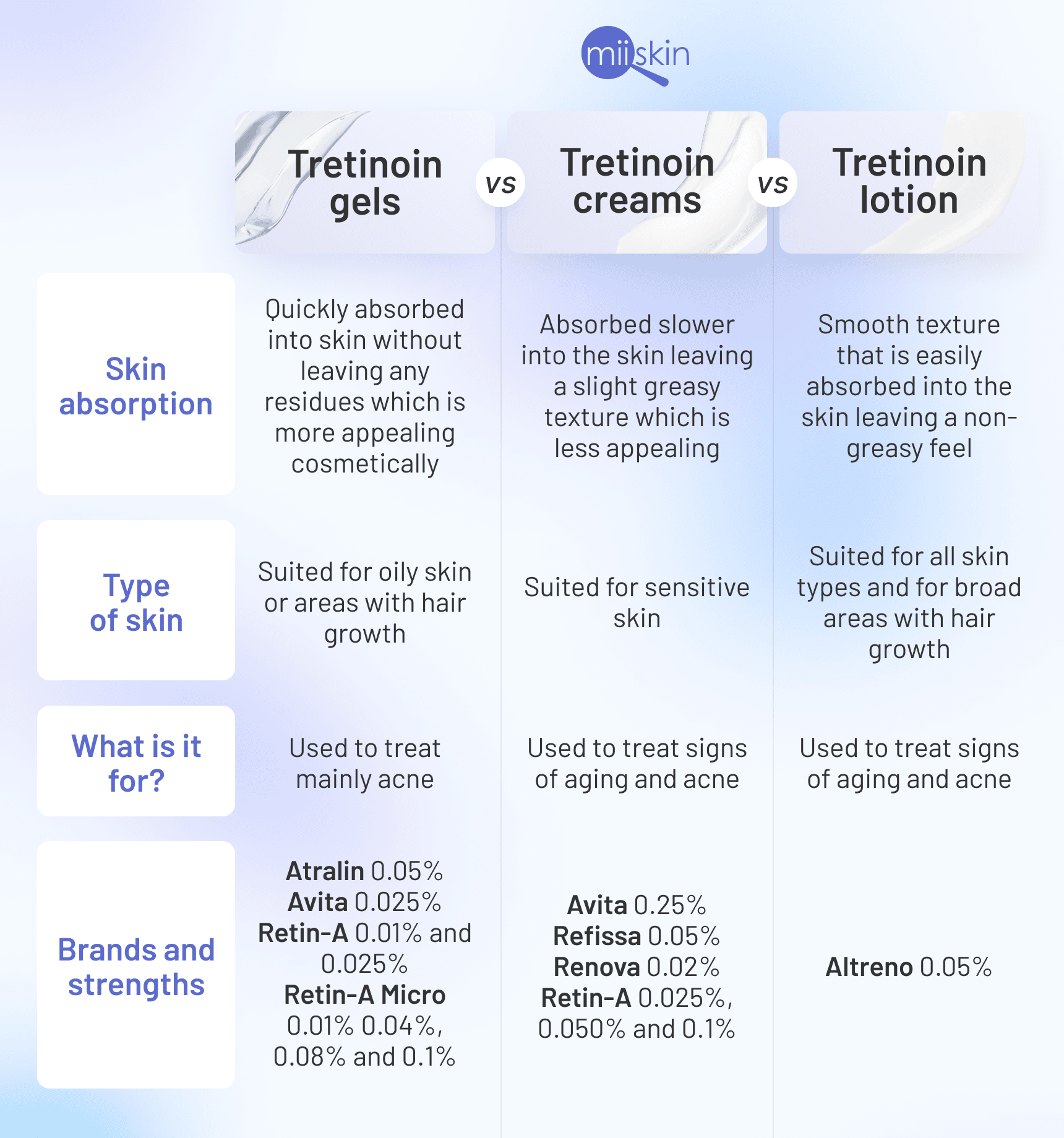
Typically, new patients start off with .01% or .025% tretinoin cream and slowly increase their prescription over time to .05 or even .1% formulas.
Image from miiskin.com
Further, your dermatologist will be able to help you decide whether a gel or cream formula is best for you.
Is tretinoin safe for everyone?
No, tretinoin is not safe for everyone.
Pregnant women and breastfeeding mothers especially should avoid using retinoids due to concerns of causing birth defects.
If you’re concerned about whether tretinoin is safe for you to use, speak to your dermatologist.
Can you get tretinoin over the counter?
No, you cannot get tretinoin over the counter in the United States. Instead, you’ll have to visit a dermatologist or an online pharmacy like Apostrophe for a prescription.
Because retinoids speed up the rate of skin cell turnover and unclog pores, you might experience worsening acne breakouts for the first few weeks when starting.
Purging with tretinoin typically lasts between 1-3 months, though anecdotally, it may take up to 4-6 months.
If you’re concerned about purging, speak to your dermatologist. They’ll be able to help you come up with a plan to keep your skin happy and acne-free.
Should I apply tretinoin in the morning or at night?
All topical retinoids should generally be applied at night.
This is because retinoids are not photostable (meaning that they break down under sunlight).
Therefore, try to use tretinoin as part of your nighttime skincare routine 3-5 nights per week and wear sunscreen in the mornings.
Should I use moisturizer after applying tretinoin?
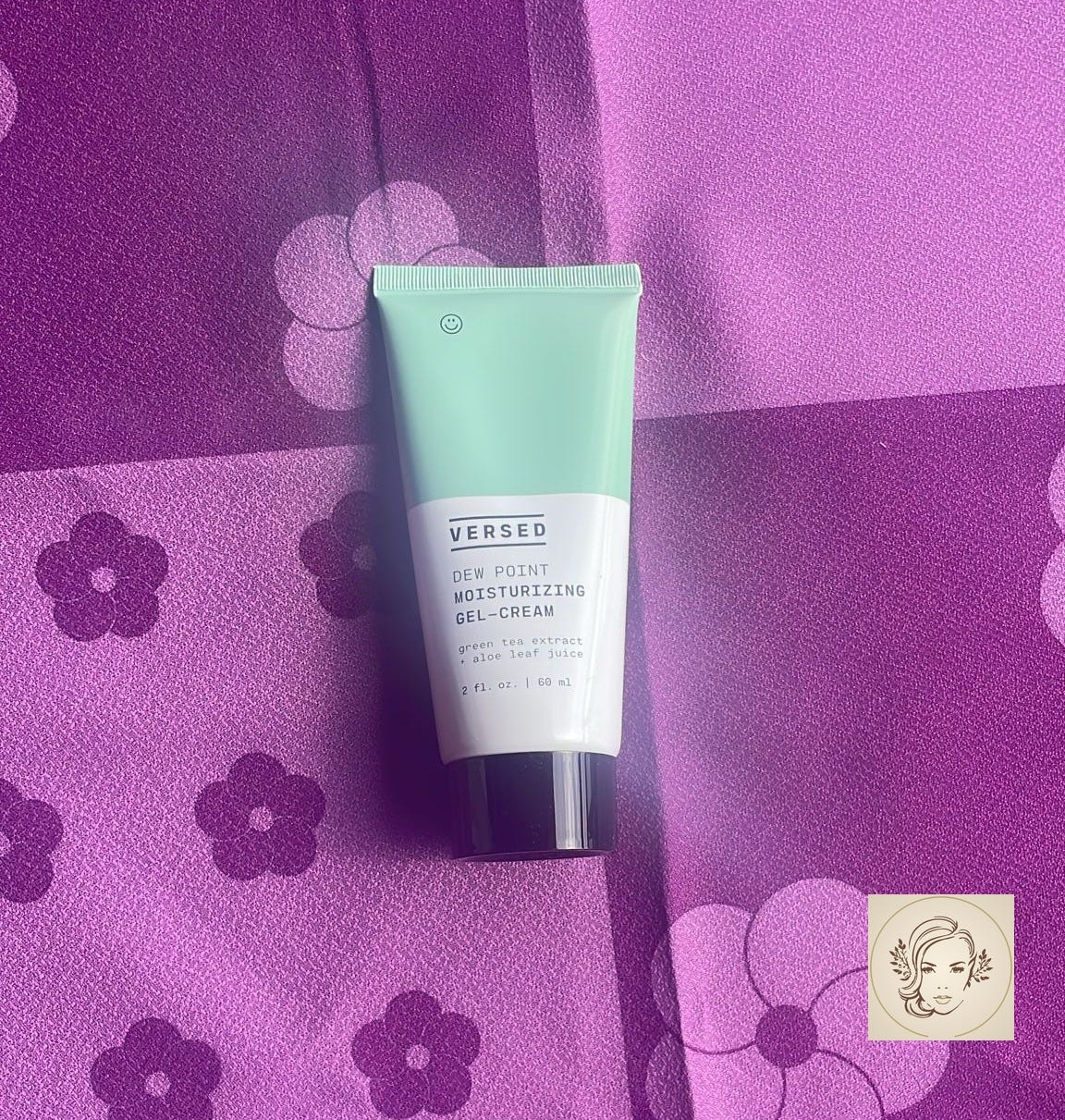
Yes, you should apply moisturizer after tretinoin.
The Bottom Line: How Long to Leave Tretinoin on Your Face
For best results, apply tretinoin cream at night and wash your face in the morning.
Leaving tretinoin on overnight gives it enough time to fully absorb into your skin, which helps you get the most anti aging and acne fighting benefits.
If you prefer to wash off tretinoin instead, the Mayo Clinic recommends leaving it on for at least one hour before rinsing it off.