

A few weeks ago, I had one of the first mornings in months where I woke up feeling normal again.
After the stretch I’d been through, waking up with steady energy felt unusual on its own.
I skipped coffee that morning because I didn’t feel like I needed it yet.
Then I put on sunscreen.
Within maybe five or ten minutes, I started feeling exhausted for no obvious reason.
If you’ve ever had that weird moment where your body feels off and you can’t explain why, that’s what this felt like for me.
I remember standing there trying to figure out what had changed so fast.
At first I didn’t even think the sunscreen could be the issue because I’d already been using it for about a week.
But it was the one thing I kept coming back to in my head, so I started Googling.
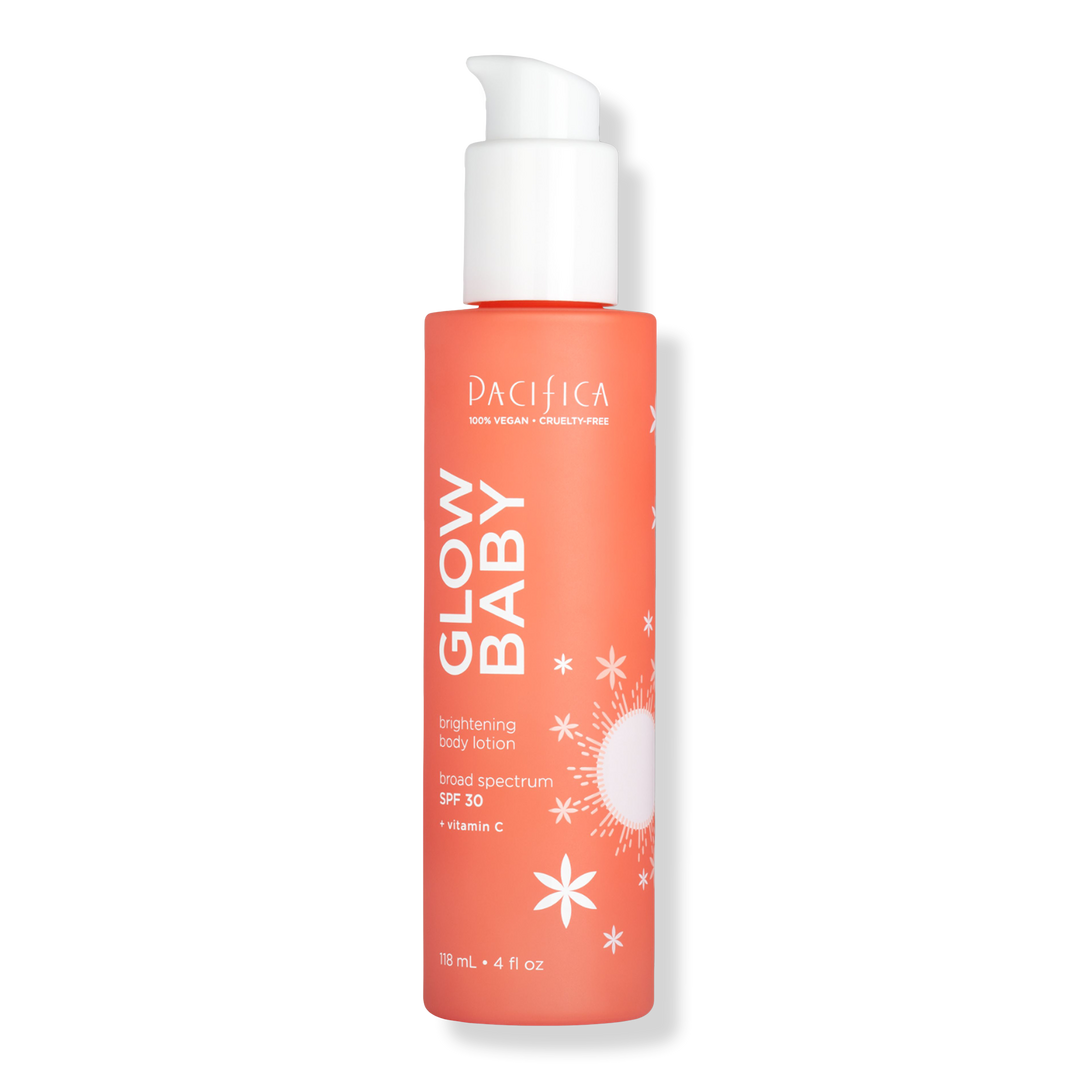
The sunscreen was Pacifica Glow Baby, a chemical sunscreen I’d been testing for around a week at that point.
I hadn’t connected it to anything before, which is probably why I kept using it.
The more I searched, the more I started thinking about other times I’d crashed like this and never figured out why.
Back then, I blamed stress, lack of sleep, burnout, or whatever else was happening in my life.
Looking back, I don’t think I would’ve noticed the pattern during that period anyway because my baseline was already wrecked.
I was dealing with bereavement, business stress, back spasms that left me immobilized on New Year’s Eve, ongoing neck pain, sleep issues, and eyes so dry I couldn’t wear contacts anymore.
Everything felt off at once, so isolating one specific trigger would have been almost impossible.
Part of recovering from that period involved tracking my health much more closely than I ever had before.
Three times a day, I logged things like energy levels, sleep quality, pain levels, weight, and whatever else seemed relevant.
It sounds excessive when I describe it out loud, but after months of feeling disconnected from my own body, the spreadsheet helped me rebuild a sense of baseline.
So when my energy crashed after an otherwise good morning, it stood out right away.
This time, instead of brushing past it, I paid attention.
Once I started researching chemical sunscreen reactions, a lot of things clicked into place.
What’s Actually Happening (Or What Might Be)
One thing that kept coming up while I was researching this was salicylate intolerance.
Salicylates are naturally occurring compounds found in foods like berries, olives, avocados, and spices, but synthetic versions also show up in skincare products and medications.
Most people seem to tolerate them without any issue.
But from what I was reading, some people start reacting once exposure builds up enough to push them past a certain threshold.
That caught my attention because the fatigue didn’t happen the first time I used the sunscreen.
I’d already been using it for about a week before I had the energy crash.
One of the posts I found was the Founder’s Formula article about salicylate intolerance and sunscreen reactions.
The writer connected recurring fatigue and skin reactions to a chemical sunscreen after getting diagnosed with salicylate intolerance.
I also found symptom descriptions on salicylate.org mentioning exhaustion, headaches, sinus issues, swollen glands, and joint pain, and parts of it sounded familiar.
The exhaustion part stood out to me because I knew exactly what that feeling was.
My whole body felt off in this weird flu-like way that’s hard to explain unless you’ve experienced it yourself.
Brain fog, exhaustion, trouble concentrating, that sort of thing.
That made more sense to me than thinking one sunscreen application somehow wrecked my entire morning.
I also want to mention something important because people will assume these things are interchangeable: I have no issues with topical salicylic acid in skincare.
BHA toners are fine for me.
Salicylic acid serums are fine too.
The reaction seems specific to certain chemical sunscreens, which also tend to sting my eyes.
I still don’t know what happened that morning.
Part of me wonders whether I accidentally got more of the sunscreen around my eyes than usual, because I know I’ve experienced this weird fatigue before with chemical sunscreens, but not every single time I use them.
On the regulatory side, I also kept running into discussions around how certain chemical UV filters absorb into the skin and how limited some of the long-term safety data still is in the United States.
The FDA has been asking manufacturers for additional safety data on several commonly used sunscreen filters for years, including octisalate and homosalate.
That doesn’t mean these ingredients are proven to be dangerous, and I’m not claiming to be an expert on sunscreen filters or salicylate intolerance.
I was mostly trying to figure out why I felt so exhausted that morning and whether anyone else had experienced something similar.
Most of what I found was a mix of regulatory discussions, personal experiences, forum posts, and broader conversations around salicylate intolerance.
Both compounds are salicylate esters structurally related to salicylic acid.
I can’t say whether that relationship explains reactions like this, but after reading through the research and other people’s experiences, it stopped sounding impossible to me.
I also had a hard time finding much research connecting chemical sunscreen use to fatigue through salicylate sensitivity.
One of the more interesting discussions I found was a Reddit thread in r/SkincareAddiction about sunscreen causing fatigue and sleepiness.
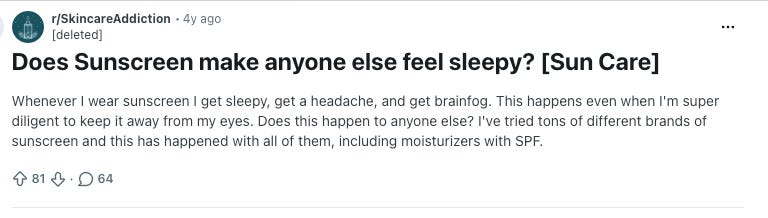
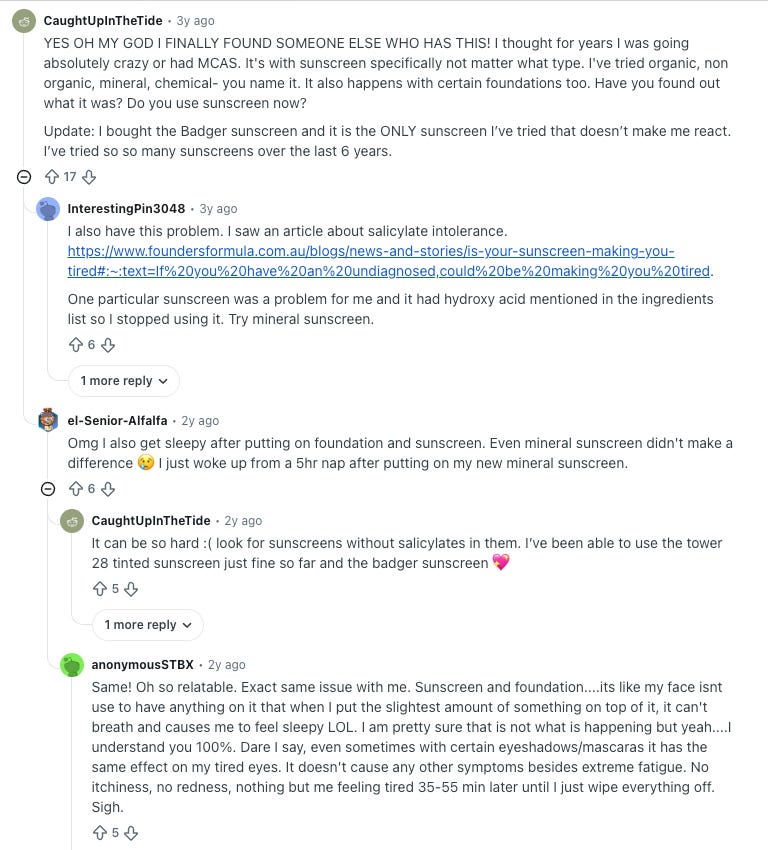
Reddit isn’t the same thing as clinical research, but I found more people describing this than I expected.
I still don’t know whether salicylates are the reason certain chemical sunscreens sometimes make me feel exhausted.
I just know the connection became harder for me to ignore once I started paying attention.
The Part That Confused Me at First: Salicylic Acid vs. Chemical Sunscreens
The confusing part is that salicylic acid products have never caused problems for me.
BHA toners are fine for me.
Salicylic acid serums are fine too.
I’ve never noticed any kind of reaction from them, which is why I almost dismissed the salicylate connection at first.
But the more I read, the more I realized the comparison isn’t as straightforward as it sounds.
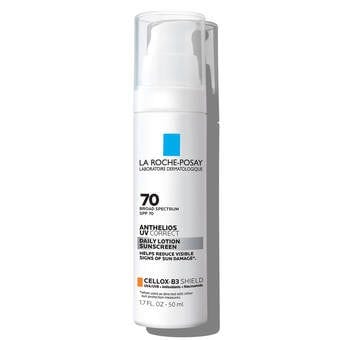
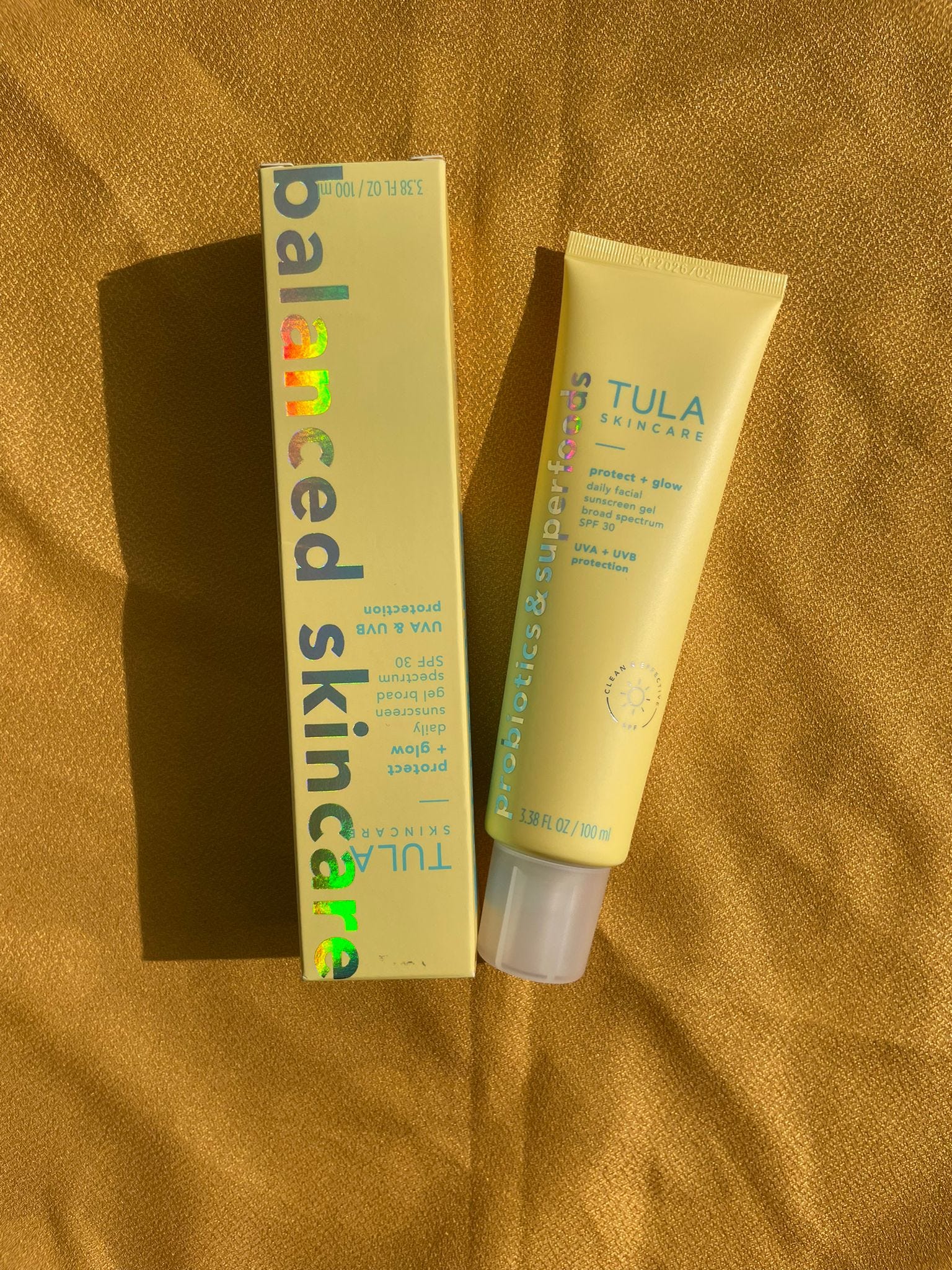
Chemical sunscreen filters like octisalate and homosalate are related to salicylic acid, but they aren’t identical compounds, and they also get used in different ways.
A BHA exfoliant usually gets applied in small amounts to specific areas.
Sunscreen gets spread across your entire face, sometimes your body too, often every day and sometimes multiple times a day.
That distinction mattered more than I expected.
Looking back, it also explains why chemical sunscreens have always irritated my eyes in a way mineral sunscreens never have.
That’s something I noticed years before I ever started reading about salicylates.
Mineral Sunscreen Is the Answer and Also Kind of a Nightmare
All of this eventually pushed me toward mineral sunscreens, which sounds simple in theory and much less simple in real life.
Zinc oxide and titanium dioxide are the only sunscreen filters the FDA currently classifies as safe and effective, and unlike chemical filters, they sit on top of the skin instead of getting absorbed.
The problem is that mineral sunscreen can be really annoying to wear every single day.
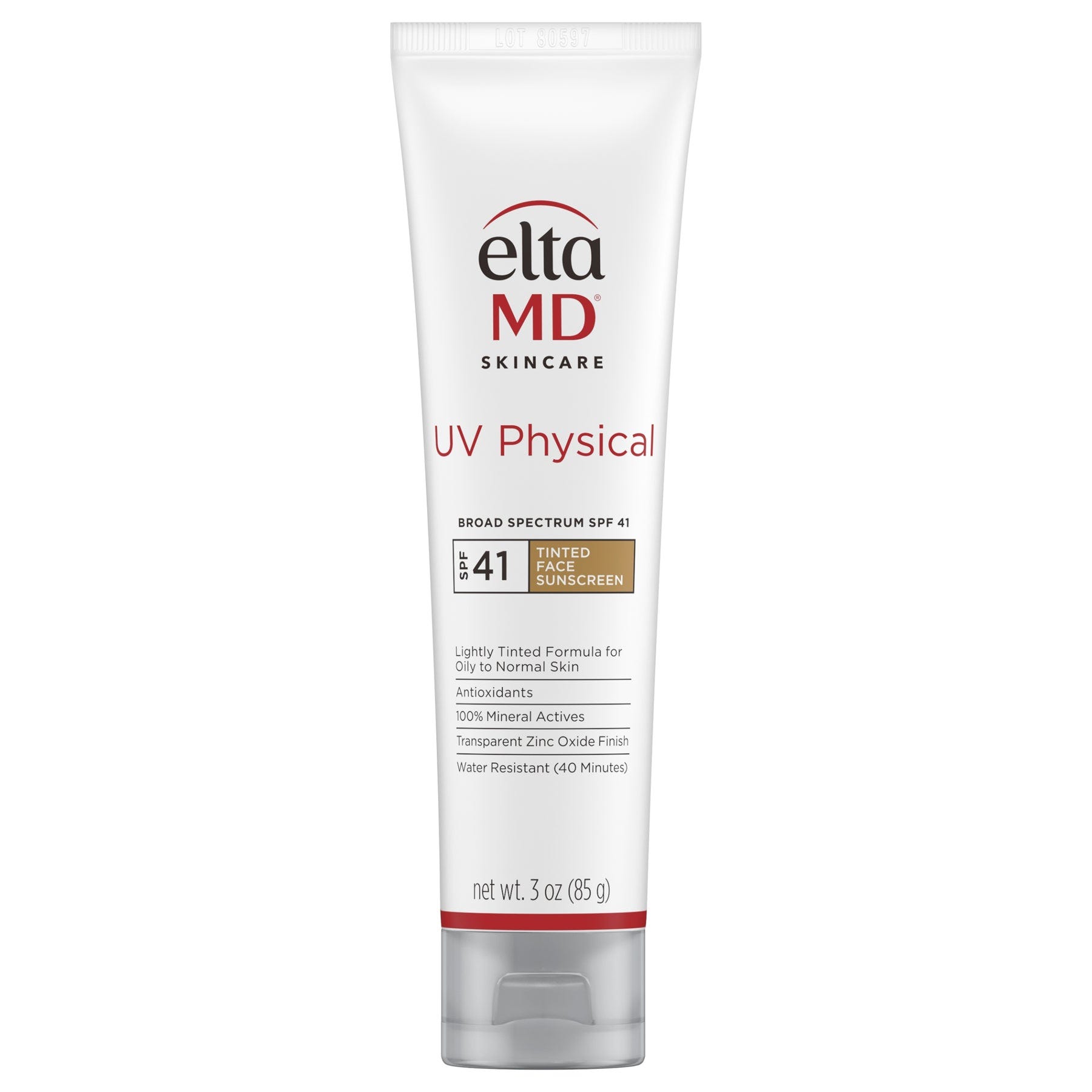
Zinc oxide is basically a heavy white powder, which is why so many mineral sunscreens feel thick, chalky, dry, greasy, or somehow all four at once.
They also get on everything.
I have a white couch that has absolutely suffered because of this.
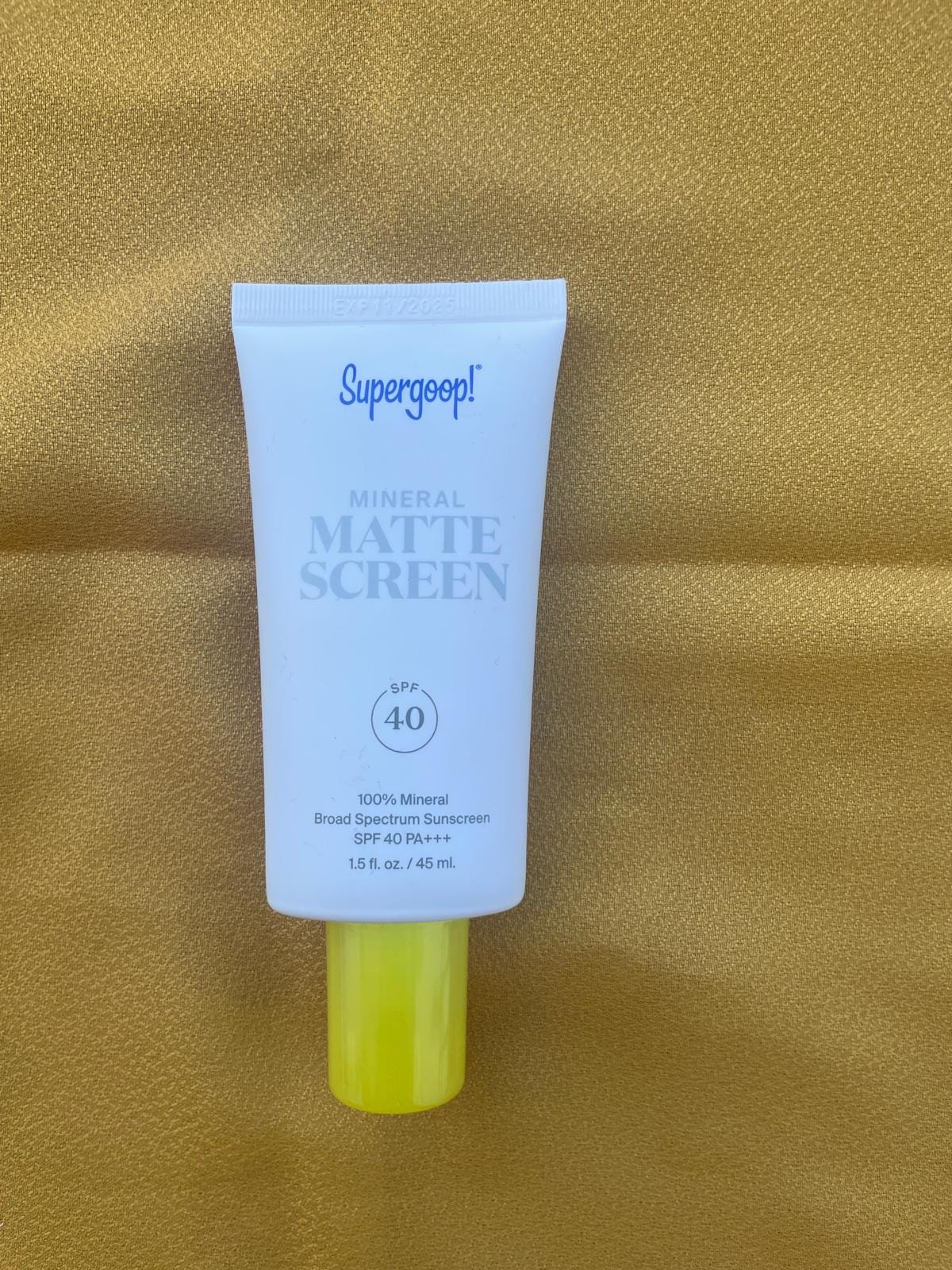
The white cast issue is real too.
Tinted formulas help, but finding one that actually matches your skin year-round is harder than people make it sound.
I get noticeably more tan during the summer and lighter during the winter, so a shade that works in July can look completely wrong a few months later.
Texture is another problem.
Some mineral sunscreens wear beautifully under makeup, but those formulas also tend to get expensive fast.
Why Korean and Japanese Sunscreens Feel Easier to Wear
Some of the best sunscreens I’ve come across are from Korea and Japan.
A big reason is that they have access to newer UV filters that still aren’t approved in the United States.
The FDA hasn’t approved a new sunscreen filter since the 1990s, which is part of why a lot of American sunscreens can still feel heavier, greasier, chalkier, or more irritating compared to formulas overseas.
A lot of Korean and Japanese sunscreens also just feel easier to wear every day.
If you’ve struggled with sunscreen texture, white cast, greasiness, pilling under makeup, or that sticky feeling that never fully dries down, these are the ones I’d look at first:
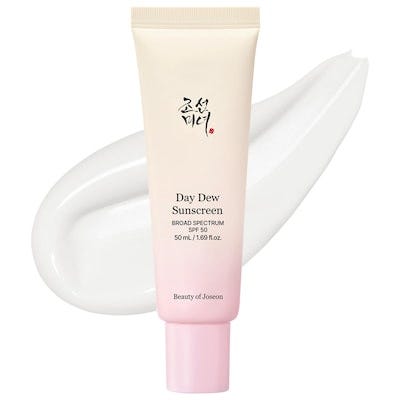
Beauty of Joseon Relief Sun is probably one of the most popular Korean sunscreens right now for good reason. It feels more like a moisturizer than a traditional sunscreen and layers well under makeup.

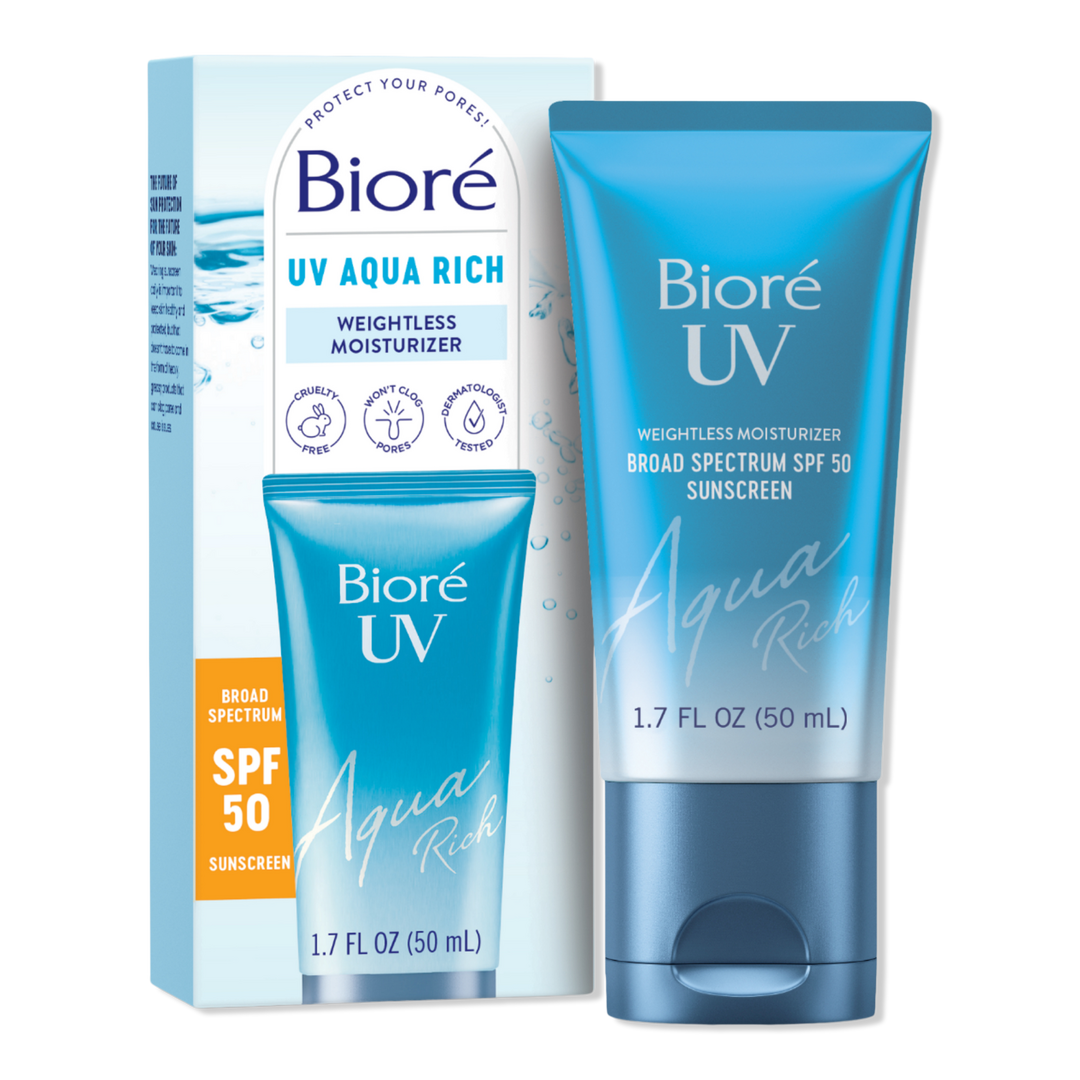
Bioré UV Aqua Rich is one of the first Japanese formulas I’d recommend if you hate the heavy sunscreen feeling. It absorbs fast, doesn’t leave a white cast, and works well under makeup.

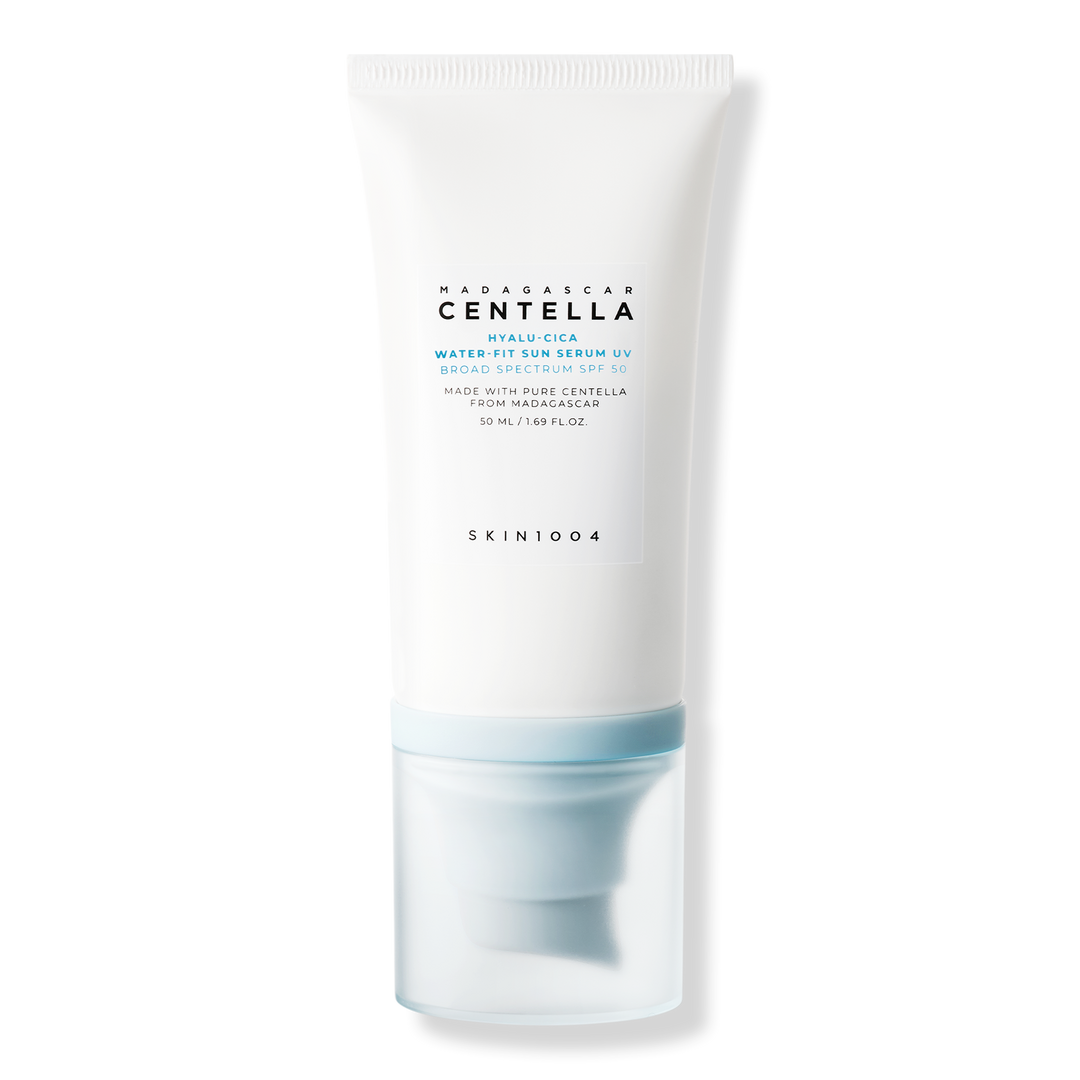
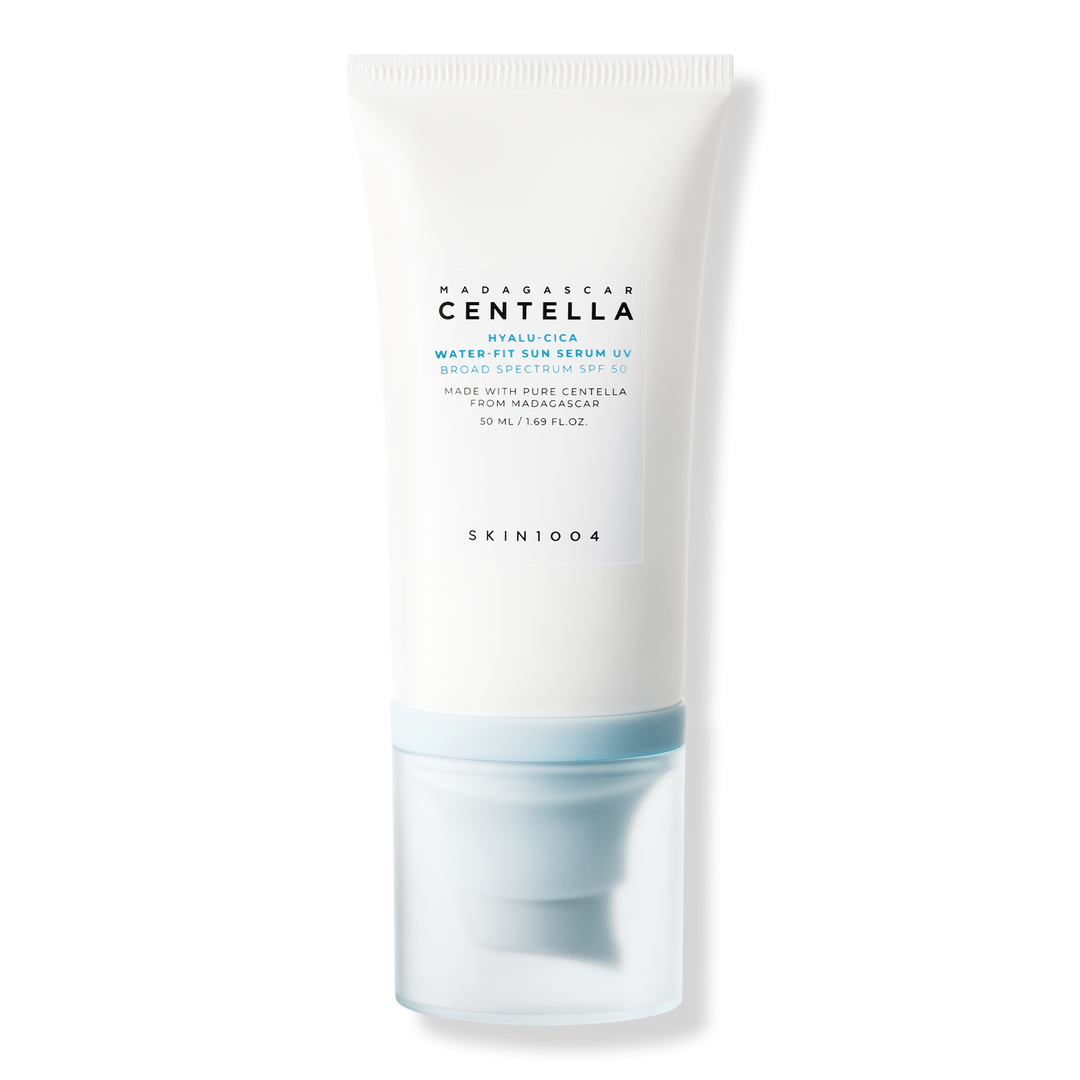
SKIN1004 Madagascar Centella Hyalu-Cica Water-Fit Sun Serum feels more like a lightweight hydrating serum than sunscreen. It’s a good option if your skin leans dehydrated or if most sunscreens feel too heavy on your face.
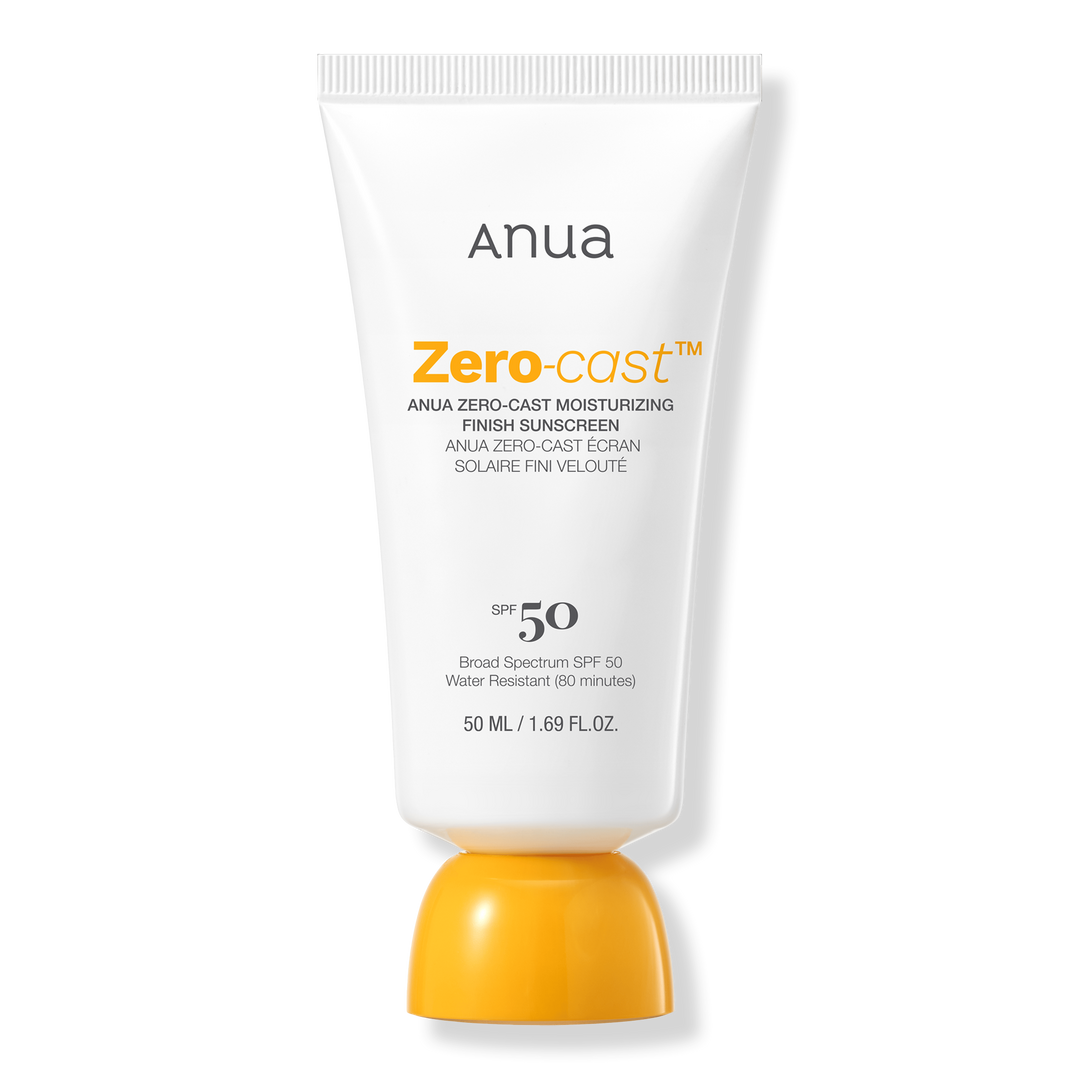
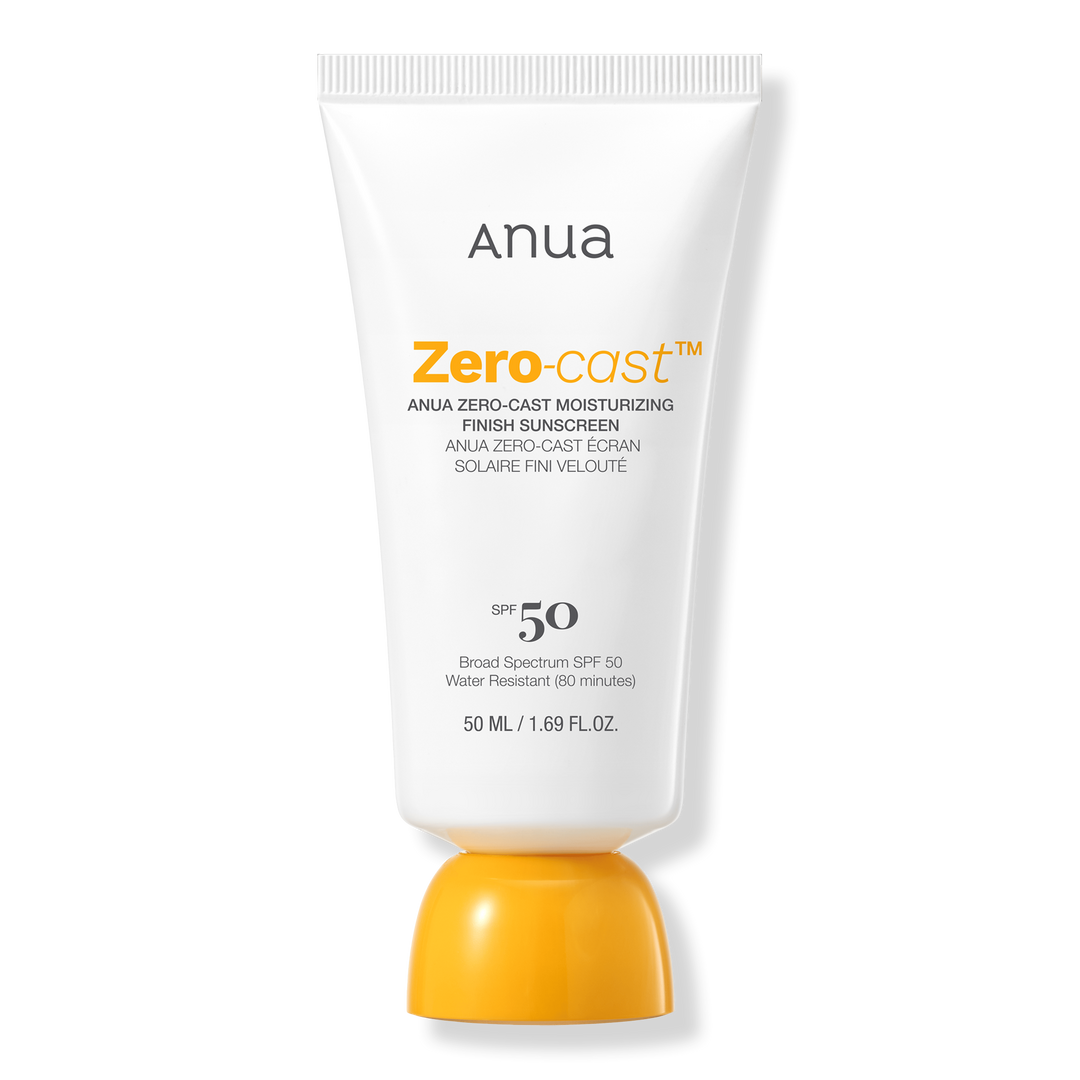
Anua Zero-Cast Moisturizing Finish Sunscreen has more of a dewy, moisturizing finish compared to some of the others. It also includes ingredients like niacinamide, panthenol, and hyaluronic acid, so it feels closer to skincare.
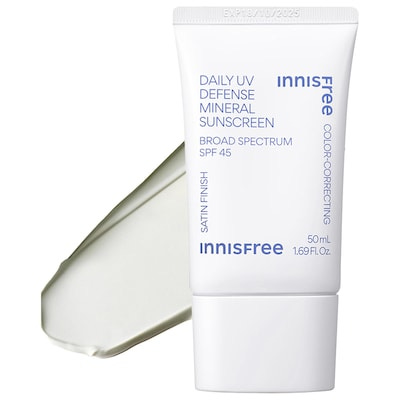
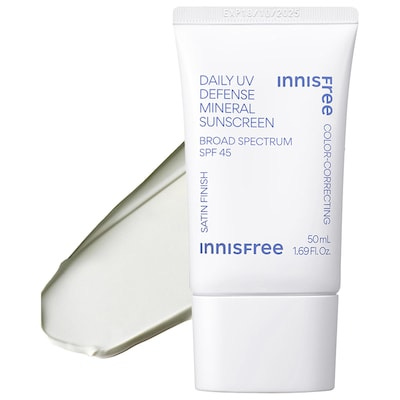
Innisfree Daily UV Mineral Sunscreen SPF 45 is worth looking at if you prefer mineral sunscreen but still want something more wearable. The green tint helps tone down redness, and the formula feels less dry than a lot of mineral SPFs.
A lot of the sunscreens people enjoy wearing most are chemical sunscreens, especially the newer Asian formulas people talk about online.
Meanwhile, a lot of mineral sunscreens still feel thick, chalky, greasy, or all three at once.
So this isn’t really a “chemical sunscreen bad, mineral sunscreen good” argument.
I’m mostly trying to understand why certain formulas seem to affect me differently while still taking sun protection and photoaging seriously.
My Current Anti-Aging Stack
Even with all the downsides of mineral sunscreen, I’m still very focused on anti-aging, especially when it comes to my face.
The skin on your face is thinner, it gets a huge amount of sun exposure over time, and photoaging is very real.
That doesn’t mean I avoid the sun entirely.
I still get sunlight on my body, I take a vitamin D supplement, and my blood work has been fine.
During the summer, I wear hats pretty often too.
But facial sun protection is still something I take seriously, so these are the products I’ve ended up sticking with after testing a ridiculous amount of skincare over the years:
1. Sunscreen
ColorScience Flex One SPF 50+ is one of the few tinted mineral sunscreens I’ve tried that I don’t mind wearing every day.
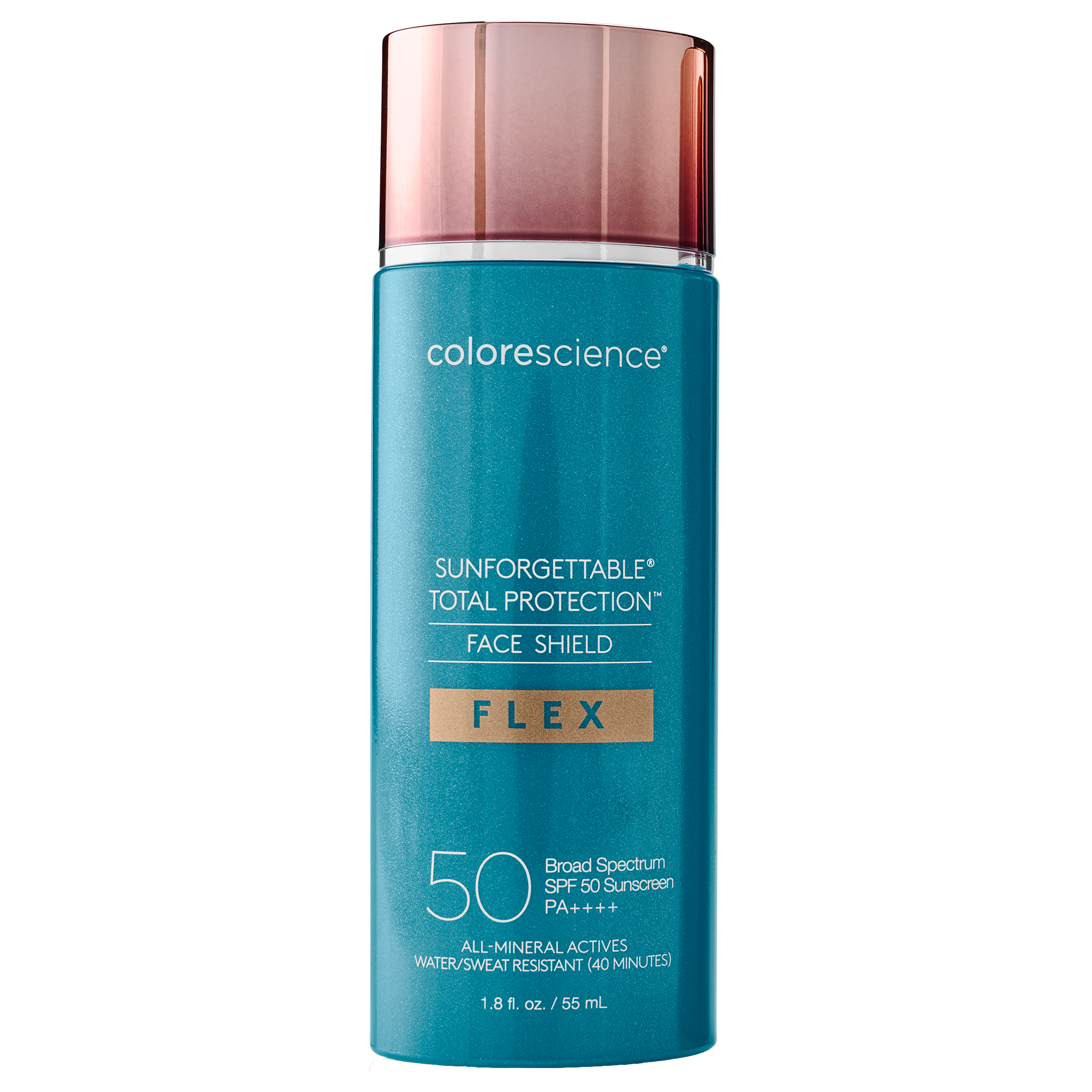
It’s on the heavier side, but it works well as a foundation replacement, which means I’m applying less product overall.
The coverage is good enough that the texture trade-off feels worth it.
2. Retinoid
Tretinoin is prescription-strength and one of the most researched anti-aging ingredients available.
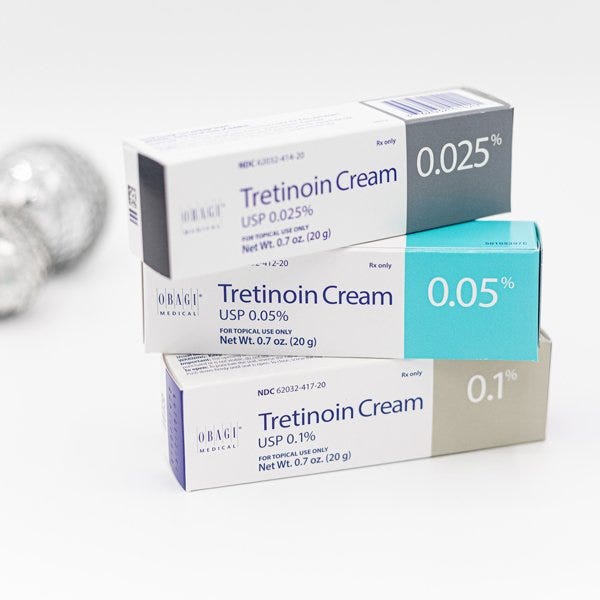
If you’re new to retinoids, I’d start with an OTC retinol before jumping straight into tretinoin.
Your skin needs time to adjust, and going too hard too fast is a good way to end up with irritation, peeling, and a damaged skin barrier.
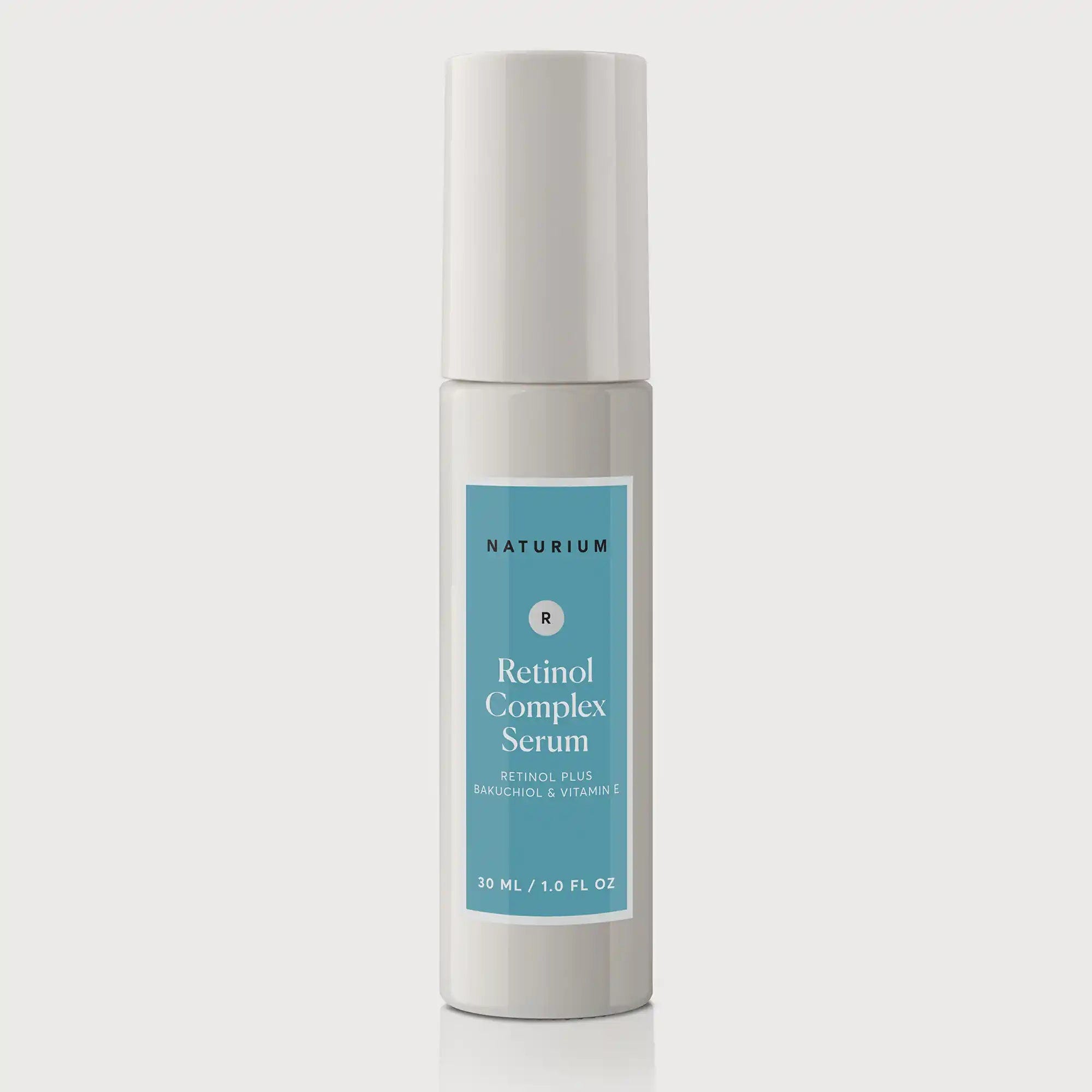
The Naturium Retinol Complex Serum is a good place to start before moving up to tretinoin.
3. Vitamin C
I also use a strong vitamin C serum alongside tretinoin.
People pair vitamin C with tretinoin for a reason.
Tretinoin speeds up skin cell turnover, while vitamin C helps with antioxidant protection and overall brightness.
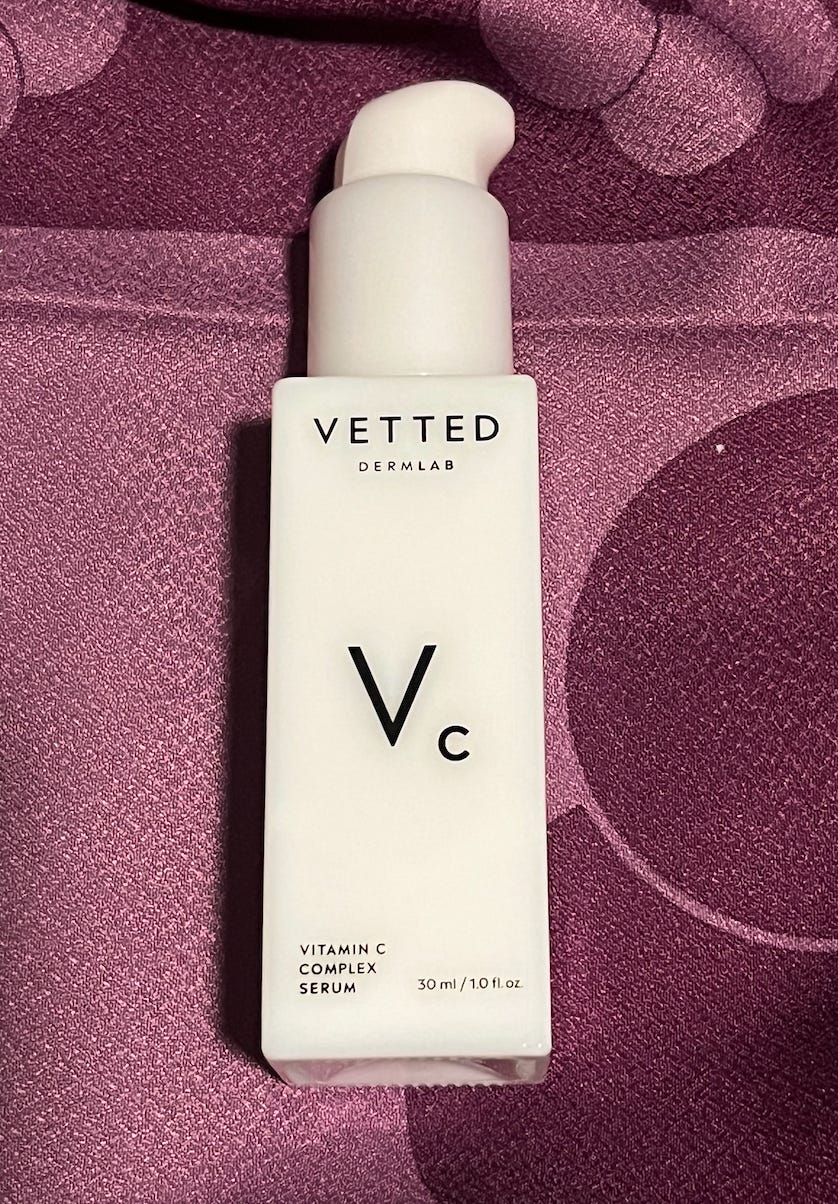
The biggest thing with vitamin C is finding a formula that’s stable.
A lot of them oxidize fast, and once that happens, you’re basically putting expensive orange water on your face.
4. Copper peptides
Mirror Skin copper peptide elixir and the Mirror Skin peptide moisturizer.
The elixir is my actual favorite product in this entire lineup.
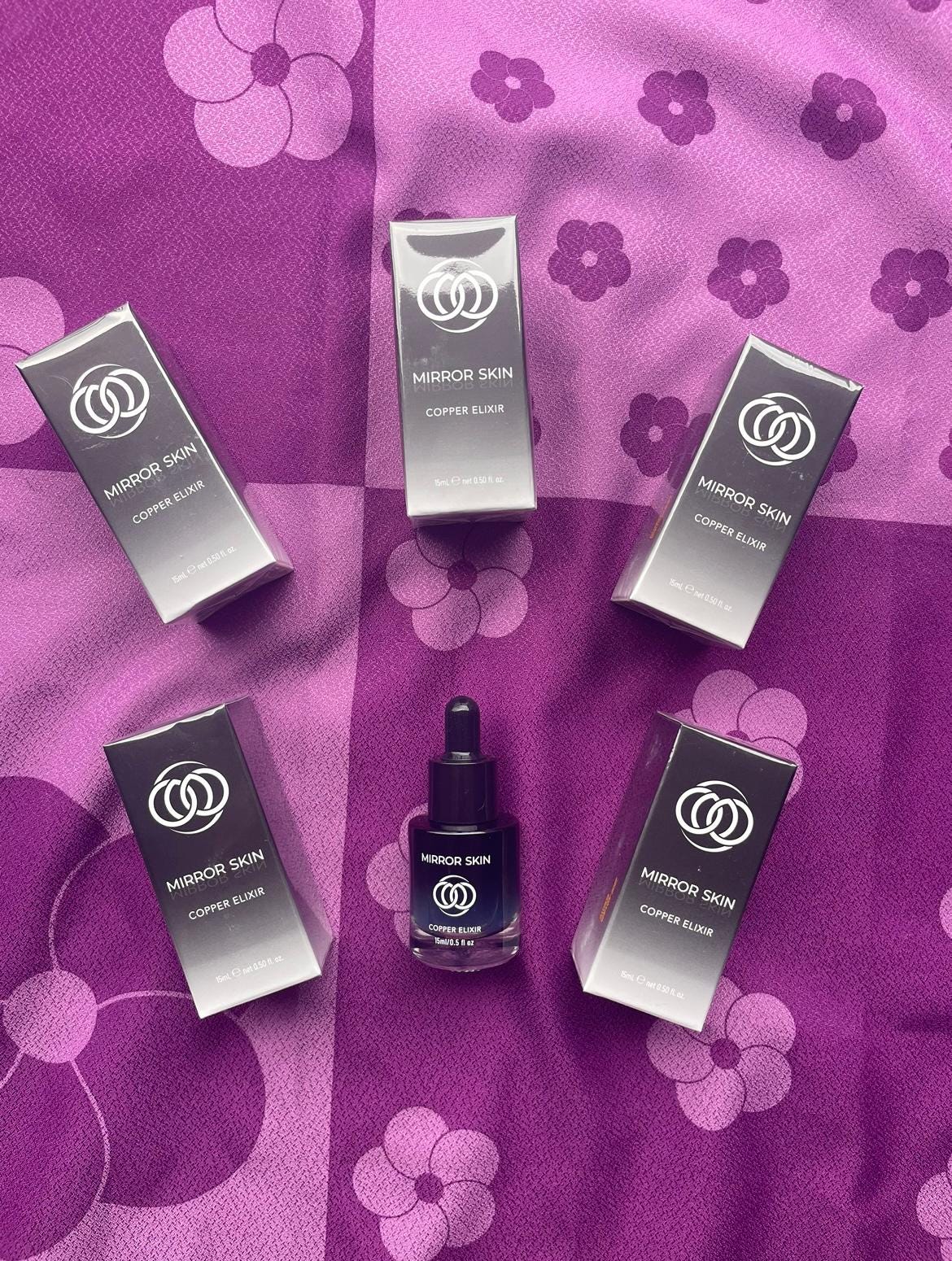
It’s one of those things where you don’t fully appreciate how much it’s doing until you go a few days without it.
Copper peptides support collagen and elastin synthesis and have a solid body of research behind them.
This combination layers well with everything else in the routine.
The Takeaway
Later that same day, I washed my face around the same time I had a second cup of coffee, so I can’t tell you whether I felt better because the sunscreen was gone, because of the caffeine, or both.
I also wasn’t thinking, “This is the perfect time to run a controlled experiment on myself.”
But the experience stayed in my head because it made me rethink a lot of things I’d brushed off for years.
Looking back, the eye stinging, the random crashes, and the way certain chemical sunscreens sometimes made me feel exhausted didn’t feel disconnected anymore.
I’m still not claiming to have some confirmed diagnosis, and I’m not saying chemical sunscreens are bad for everyone.
Plenty of people use them without any issue.
But if you’ve had moments where you feel exhausted or foggy for reasons you can’t explain, it might be worth paying closer attention to the products you’re using and whether there’s a pattern there.
Cheers,