

If you’re trying to choose between adapalene and retinol, the first thing to think about is what you actually want to improve in your skin.
Both are retinoids, but they’re usually used for different reasons.
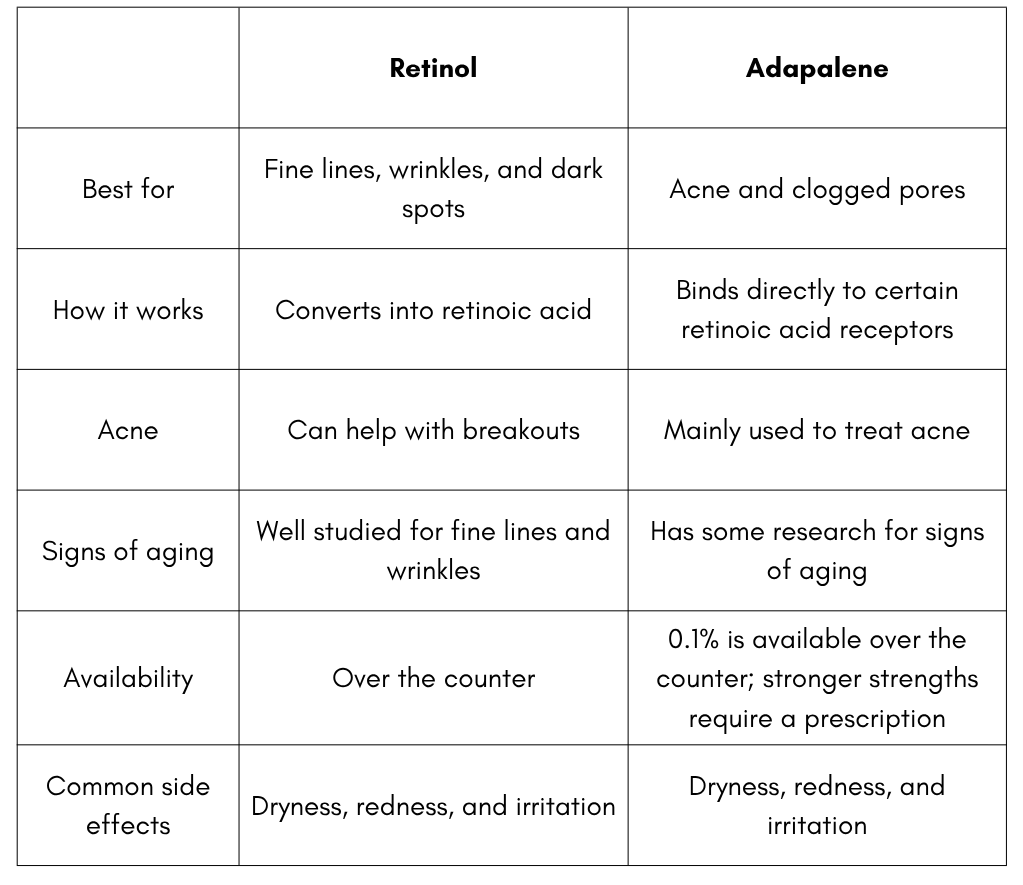
Adapalene is best known for treating acne and clogged pores, while retinol is more commonly used for fine lines, wrinkles, dark spots, and other signs of aging.
The choice isn’t always that simple, though, since both can help with some of the same skin concerns and they work differently once applied to your skin.
In this article, I’ll explain the differences between adapalene and retinol, what each one can do for your skin, and how to decide which one is right for you.
What are retinoids?
Retinoids are a group of ingredients that come from vitamin A.
They’re commonly used in skincare and dermatology to treat acne, signs of aging, and other skin concerns.
Some of the most common topical retinoids include:
Retinol
Retinaldehyde
Adapalene, which you may know as Differin gel
Prescription retinoids like tretinoin and tazarotene
All of these fall under the larger category of retinoids, but they aren’t exactly the same.
Some are stronger than others, and they can also be used for different skin concerns.
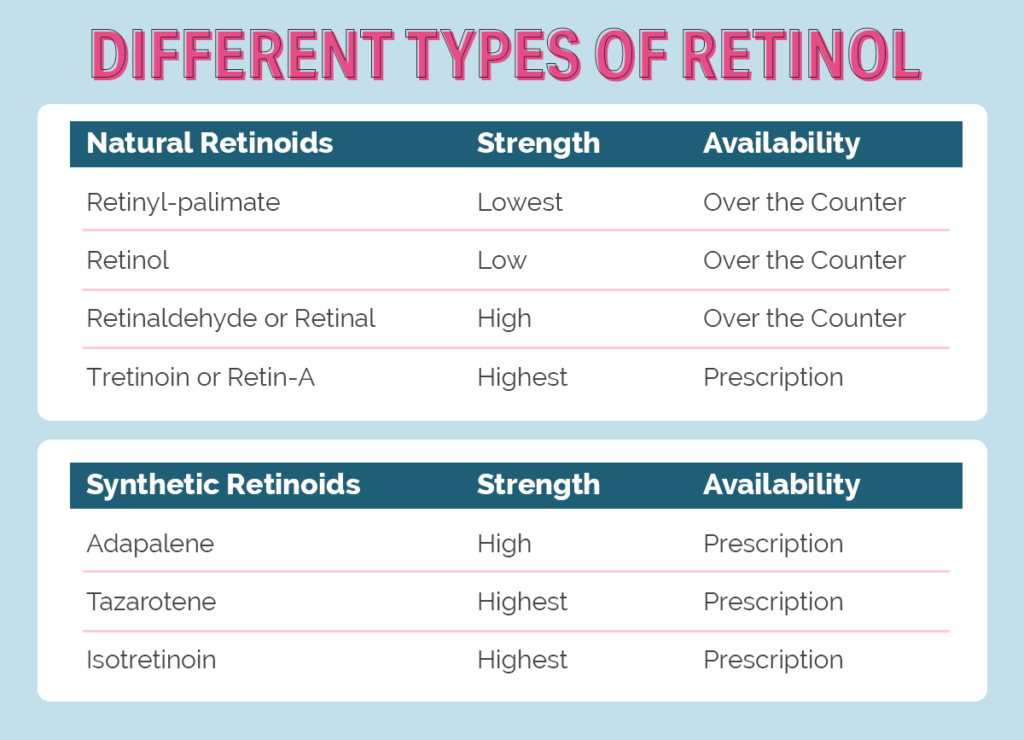
You may also have heard of isotretinoin, better known as Accutane.
Unlike the retinoids above that you apply to your skin, isotretinoin is an oral form of vitamin A that dermatologists may prescribe for severe acne.
A quick note: If you’re interested in trying tretinoin, it’s best to talk with a healthcare provider first to make sure it’s right for your skin. If seeing a dermatologist in person isn’t practical for you, telehealth services like UluRx can make getting a tretinoin prescription more convenient.
What is adapalene?
Adapalene is a topical retinoid that is mainly used to treat acne.
It’s FDA-approved for treating acne vulgaris and works by speeding up skin cell turnover, which can help keep pores clear and prevent new breakouts from forming.
You’ll often find adapalene in gel form, including over-the-counter 0.1% adapalene products like Differin Gel.
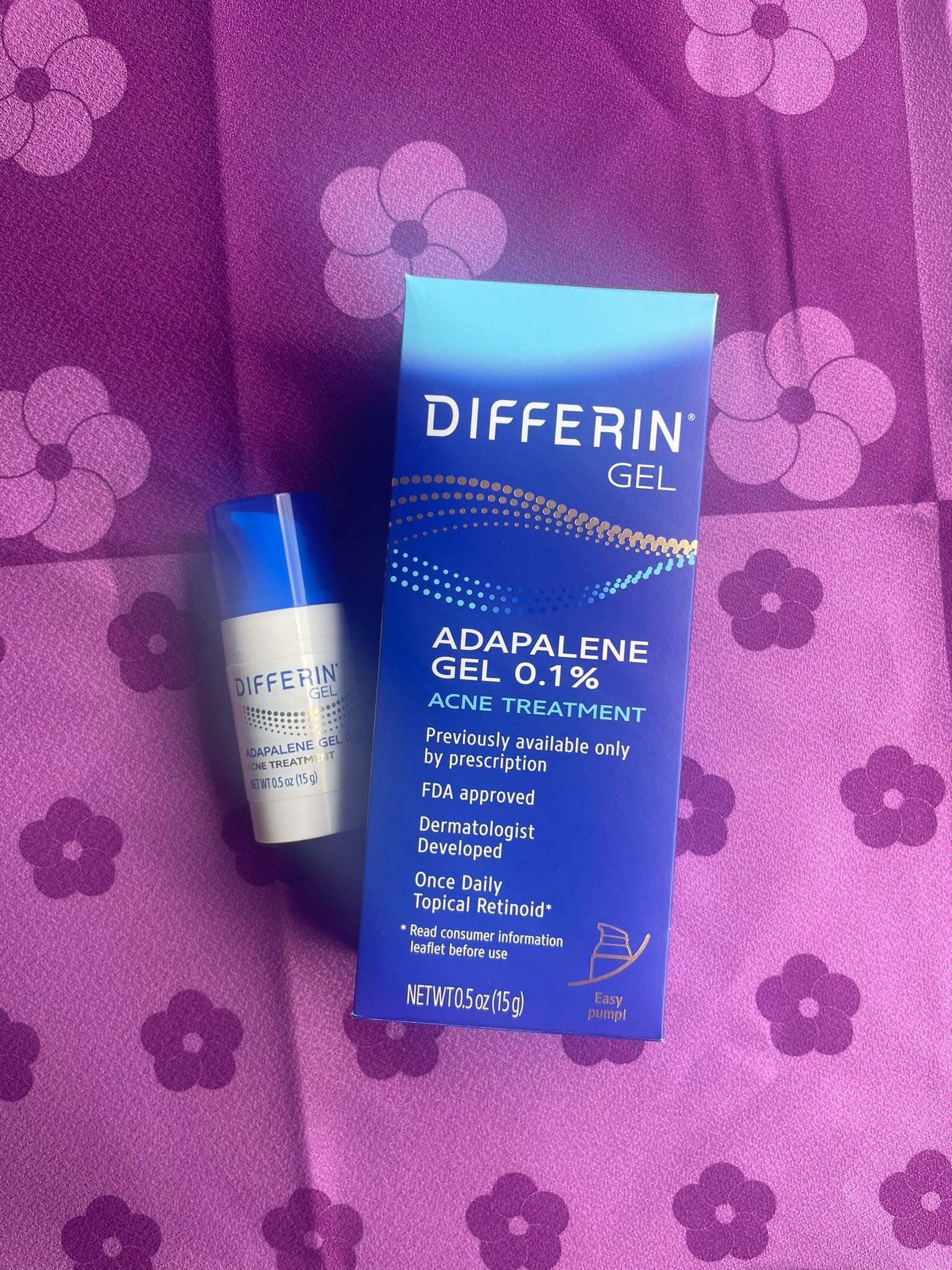
Stronger forms are also available by prescription.
Adapalene is often used when common acne treatments like salicylic acid and benzoyl peroxide aren’t doing enough.
Compared with other prescription retinoids like tretinoin and tazarotene, adapalene also tends to be easier for your skin to tolerate.
How does adapalene work?
Adapalene works by binding to specific retinoic acid receptors in your skin.
This helps control how your skin cells grow and shed, which can keep dead skin cells from building up and clogging your pores.
It also has anti-inflammatory effects that can help calm the redness and swelling that come with acne.
Together, these effects help treat existing breakouts and prevent new ones from forming.
What is retinol?
If you’re more concerned about fine lines, wrinkles, and dark spots, retinol is probably the retinoid you’ve heard the most about.
Retinol is a form of vitamin A that you can buy over the counter, and it’s one of the most studied ingredients for treating signs of aging.
With regular use, it can help smooth fine lines, improve uneven skin tone, and fade dark spots over time.
You’ll find retinol in all kinds of serums, creams, and moisturizers, with different strengths available depending on your skin and how well you tolerate it.
How does retinol work?
When applied to your skin, retinol undergoes one conversion step to become retinaldehyde, then another conversion to become retinoic acid.
Once the retinoic acid binds to your retinoic acid receptors, it helps your skin:
speed up skin cell turnover
boost collagen production
regulate sebum production
All of these processes help even out your skin tone and reduce the appearance of fine lines and wrinkles.
What’s the difference between retinol and adapalene?
Both retinol and adapalene work with retinoic acid receptors in your skin, but they don’t work the same way.
Retinol goes through two conversion steps before becoming retinoic acid.
Once it reaches this form, it helps speed up skin cell turnover and boost collagen production, which is why retinol is commonly used for signs of aging.
Adapalene works differently because it binds directly to certain retinoic acid receptors.
It also has anti-inflammatory effects that make it especially useful for treating acne.
Both can speed up skin cell turnover and help with hyperpigmentation, but there are a few important differences between them:
Benefits of Adapalene and Retinol
Adapalene and retinol share some of the same benefits, especially when it comes to skin cell turnover, but each one has its own strengths.
Adapalene can help:
Keep clogged pores clear
Treat and prevent acne breakouts
Speed up skin cell turnover
Fade post-acne dark spots
Retinol can help:
Reduce the appearance of fine lines and wrinkles
Improve uneven skin tone and dark spots
Speed up skin cell turnover
Improve signs of sun damage
Adapalene may also have some anti-aging benefits, although we know much more about its benefits for acne.
Side Effects of Using Adapalene and Retinol
Both adapalene and retinol can irritate your skin when you first start using them.
This is common with retinoids, and the irritation may improve as your skin gets used to the ingredient.

Some common side effects include:
Redness
Burning or stinging
Flaking
Dryness
If your skin is sensitive or you find that you can’t tolerate adapalene or retinol, other ingredients like salicylic acid or benzoyl peroxide may be better options, especially if acne is your main concern.
You can also help with dryness by using a good moisturizer and starting your retinoid slowly instead of using it every night right away.
How to Use Adapalene and Retinol
To start, choose either adapalene or retinol rather than using both in the same routine.
Then, as part of your evening routine, follow these steps:
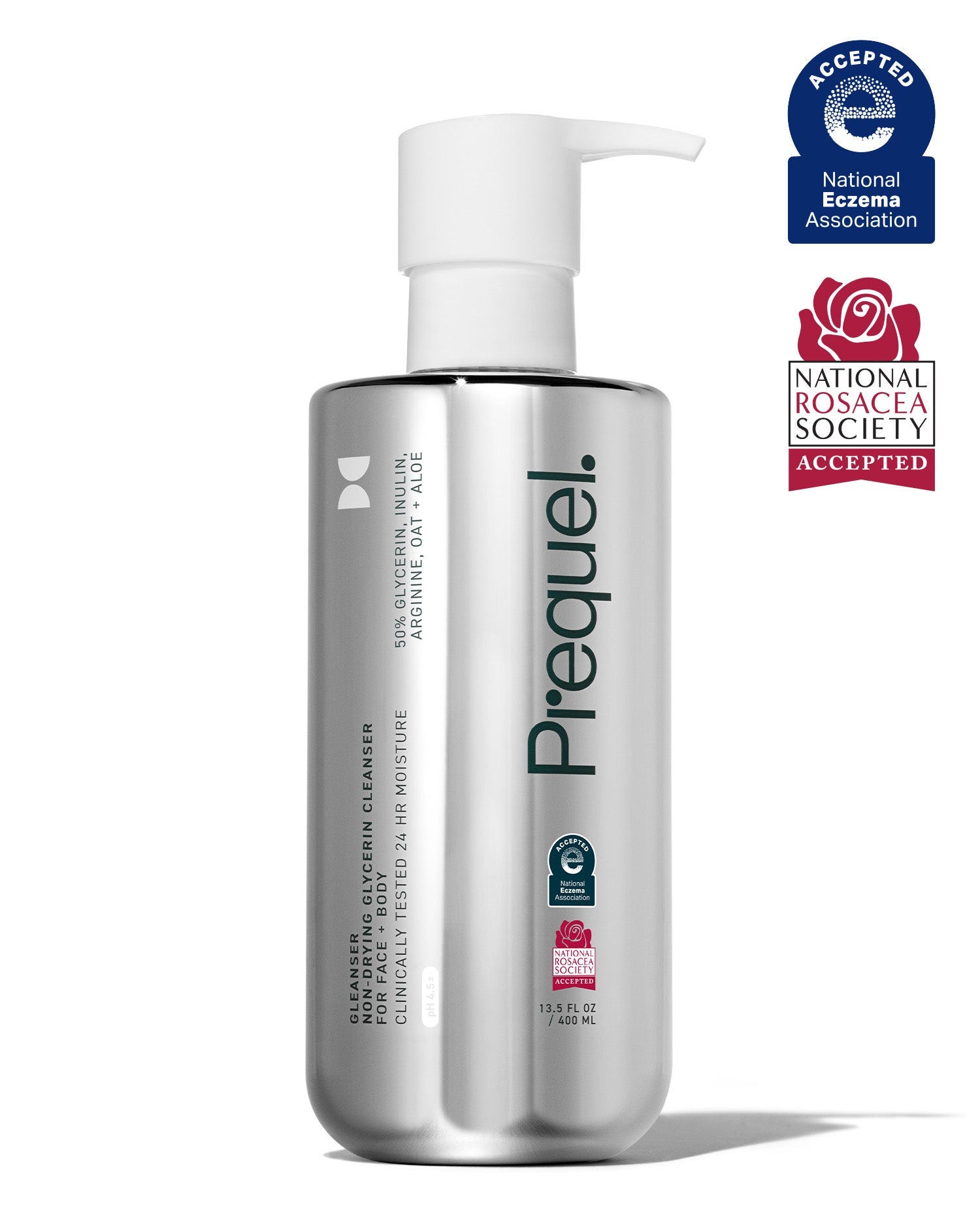
Wash your face with a gentle cleanser.
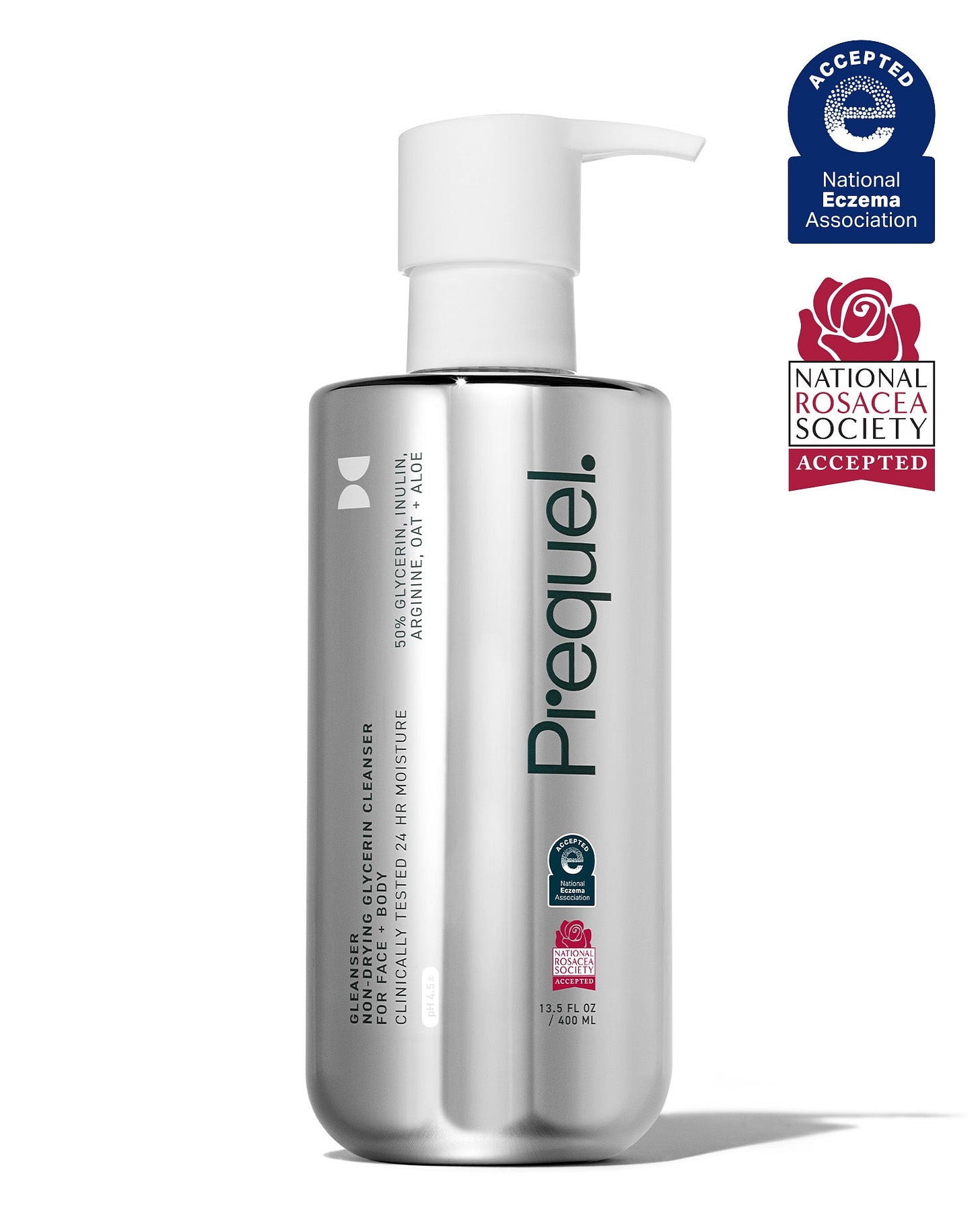
Let your skin dry completely or gently pat it dry with a clean towel.
Apply a pea-sized amount of adapalene or retinol to your face.
Gently spread it across your skin until absorbed.
Follow with a hydrating serum and moisturizer if needed.
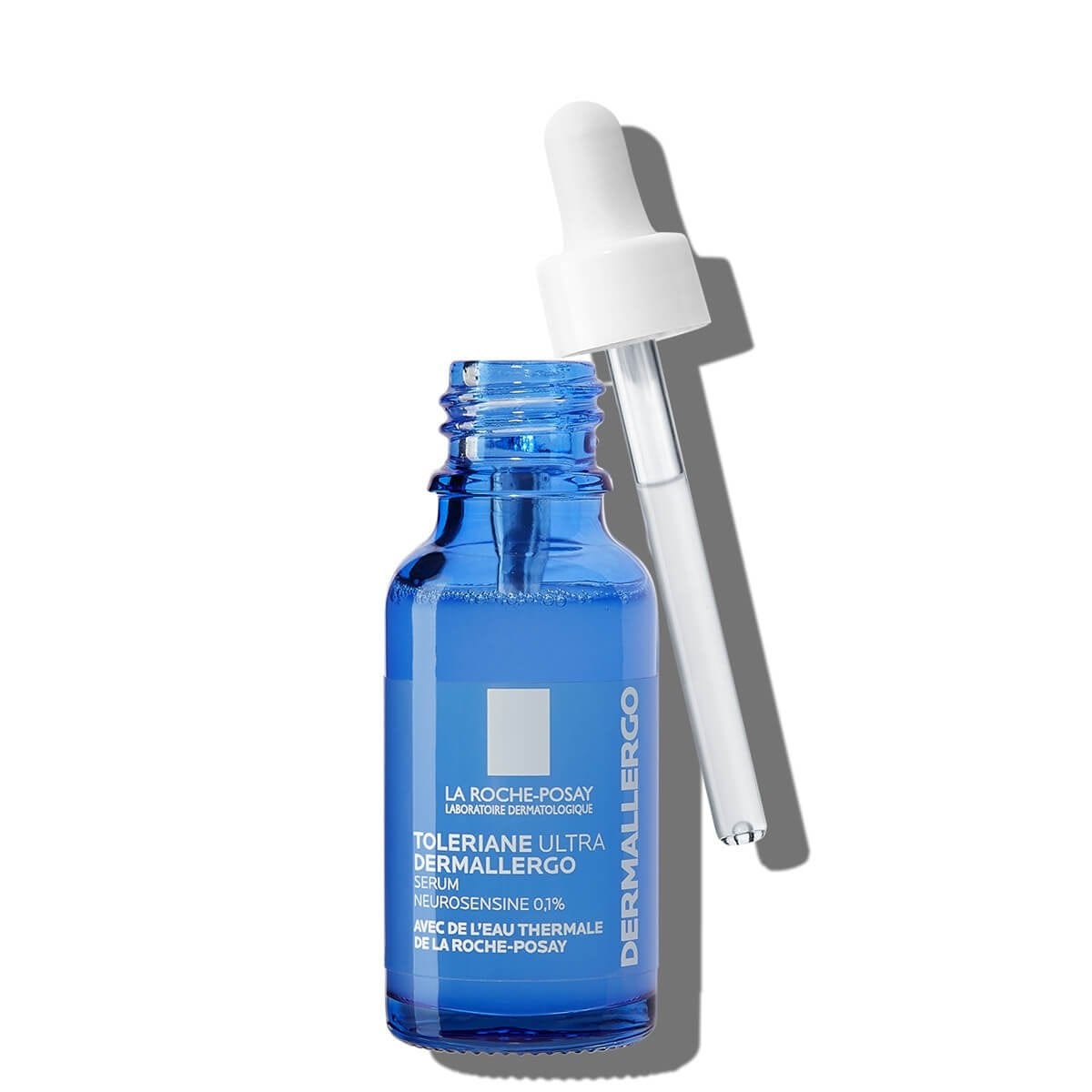
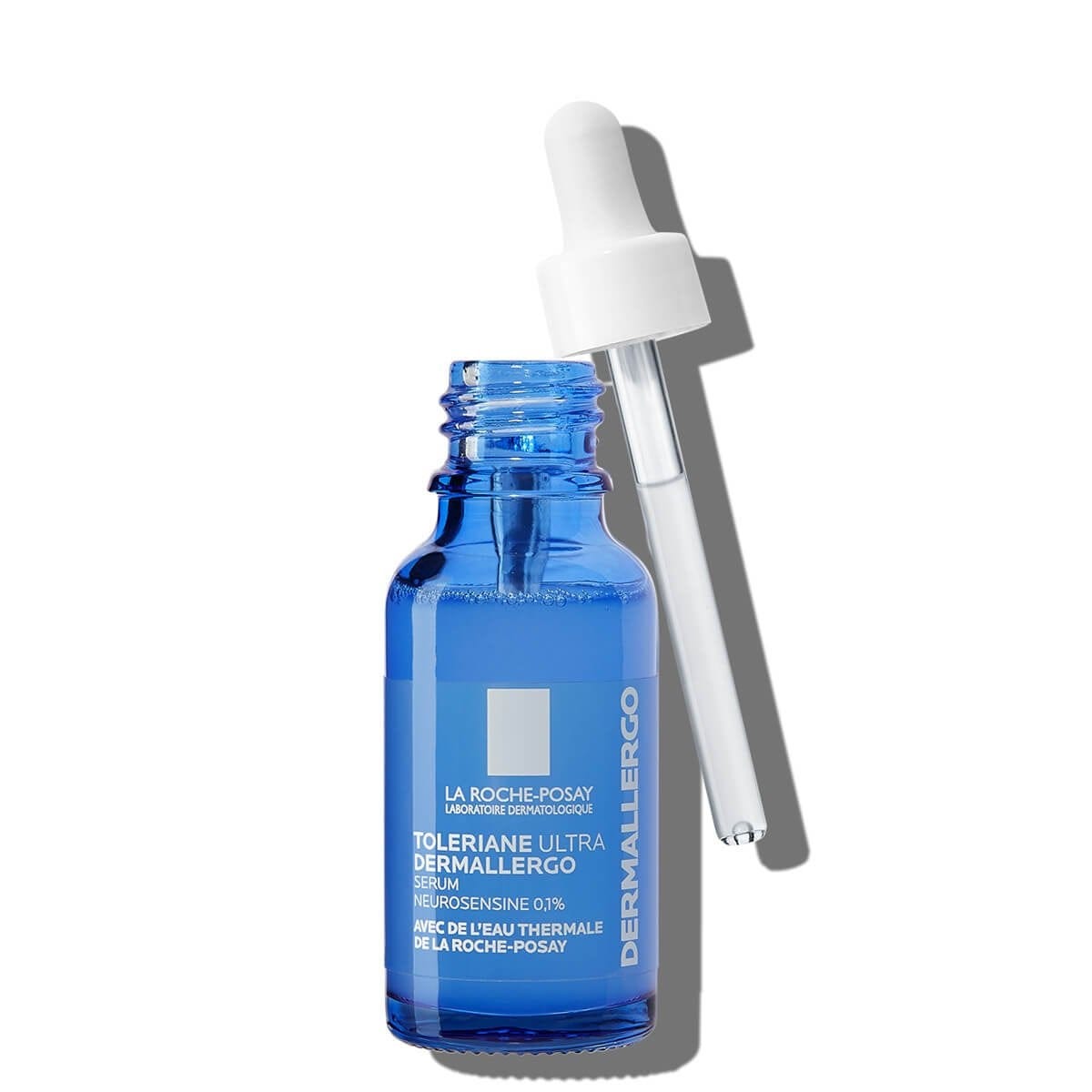
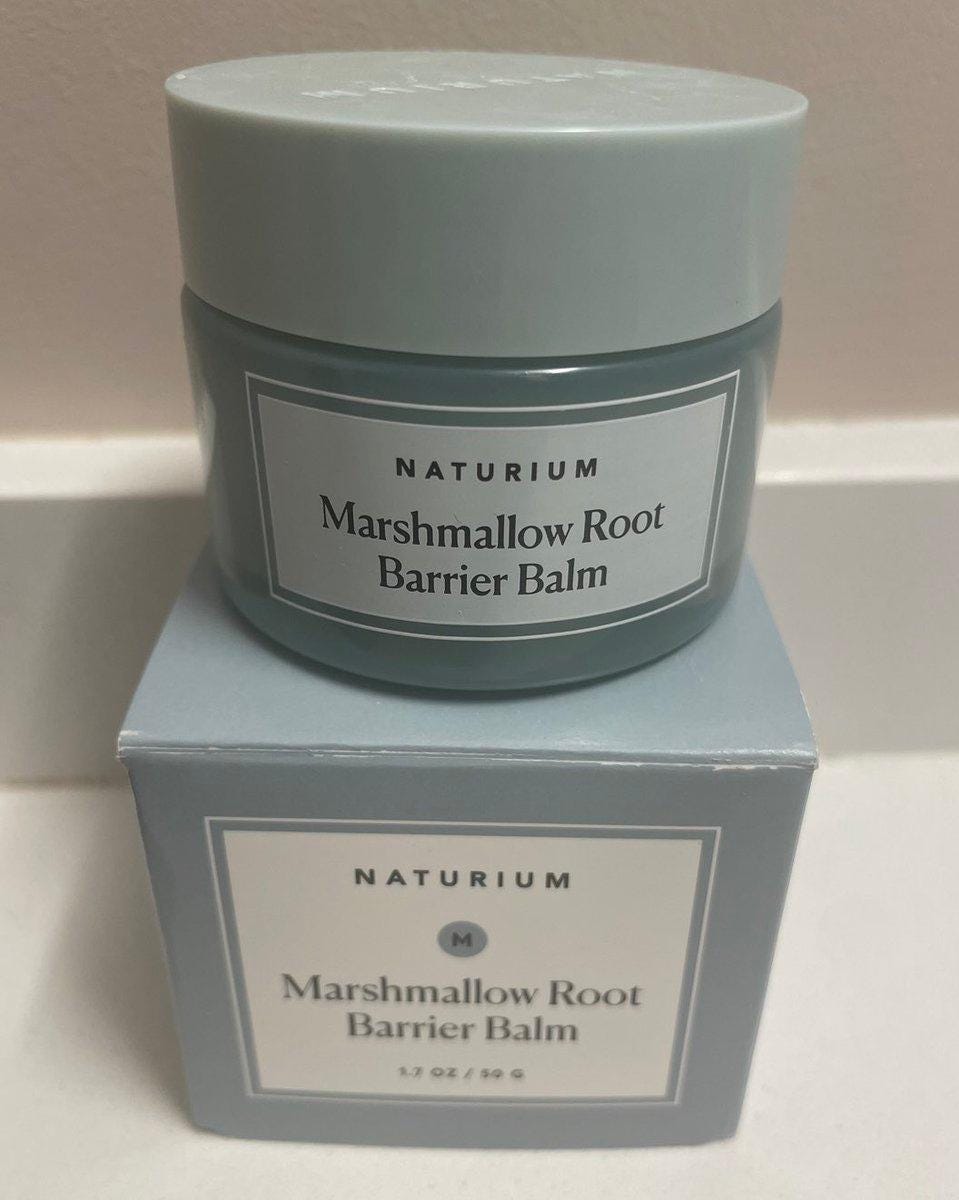
If you’re new to retinoids, I recommend starting a few nights per week and giving your skin time to adjust before using them more often.
And don’t forget sunscreen during the day.
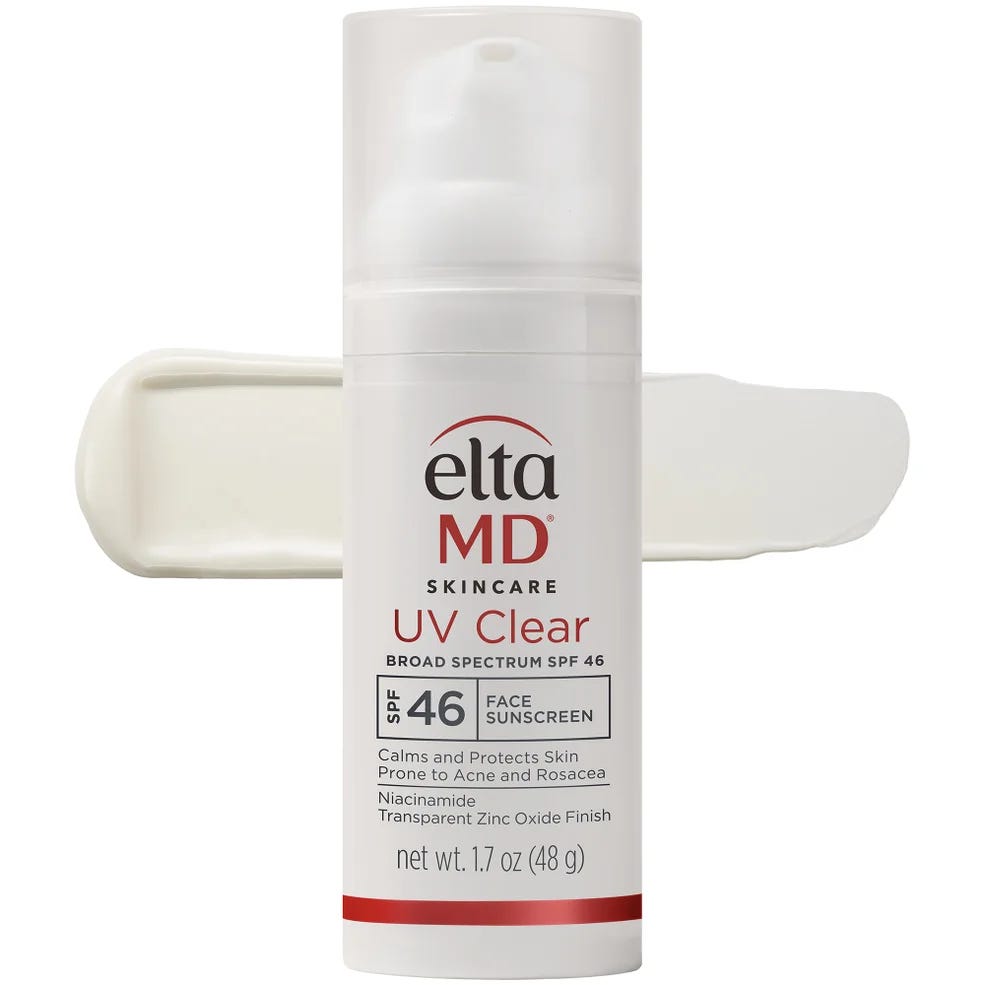
Retinoids can make your skin more sensitive, and protecting your skin from the sun is especially important while you’re using one.
My Adapalene and Retinol Recommendations
If you’re ready to try adapalene or retinol, these are a few options I’d recommend depending on what you want to target and what your skin is used to.
Differin Adapalene Gel 0.1% is a good option if acne is your main concern. It contains 0.1% adapalene and can help with clogged pores, blackheads, whiteheads, and recurring breakouts.
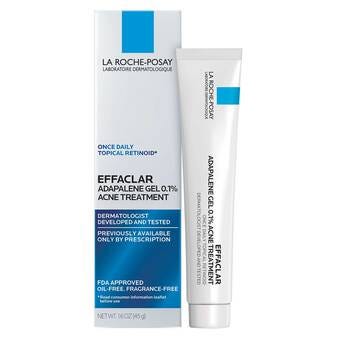
La Roche-Posay Effaclar Adapalene Gel 0.1% is another option for treating breakouts and clogged pores. It also contains 0.1% adapalene, so you’re getting the same strength as Differin in a different formula.
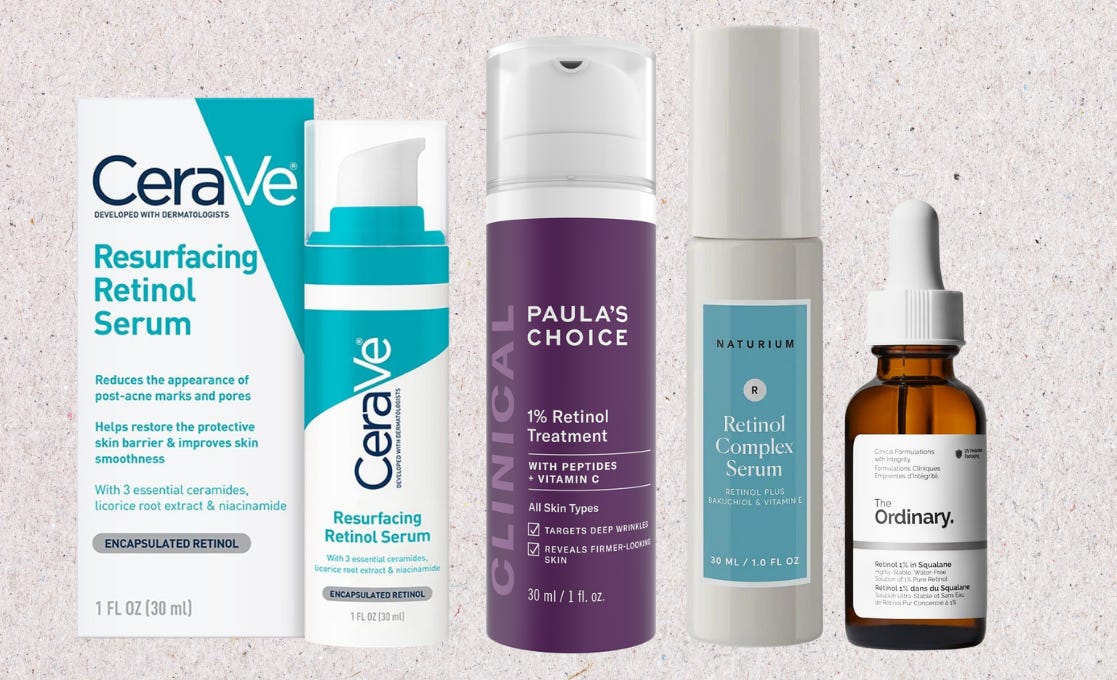
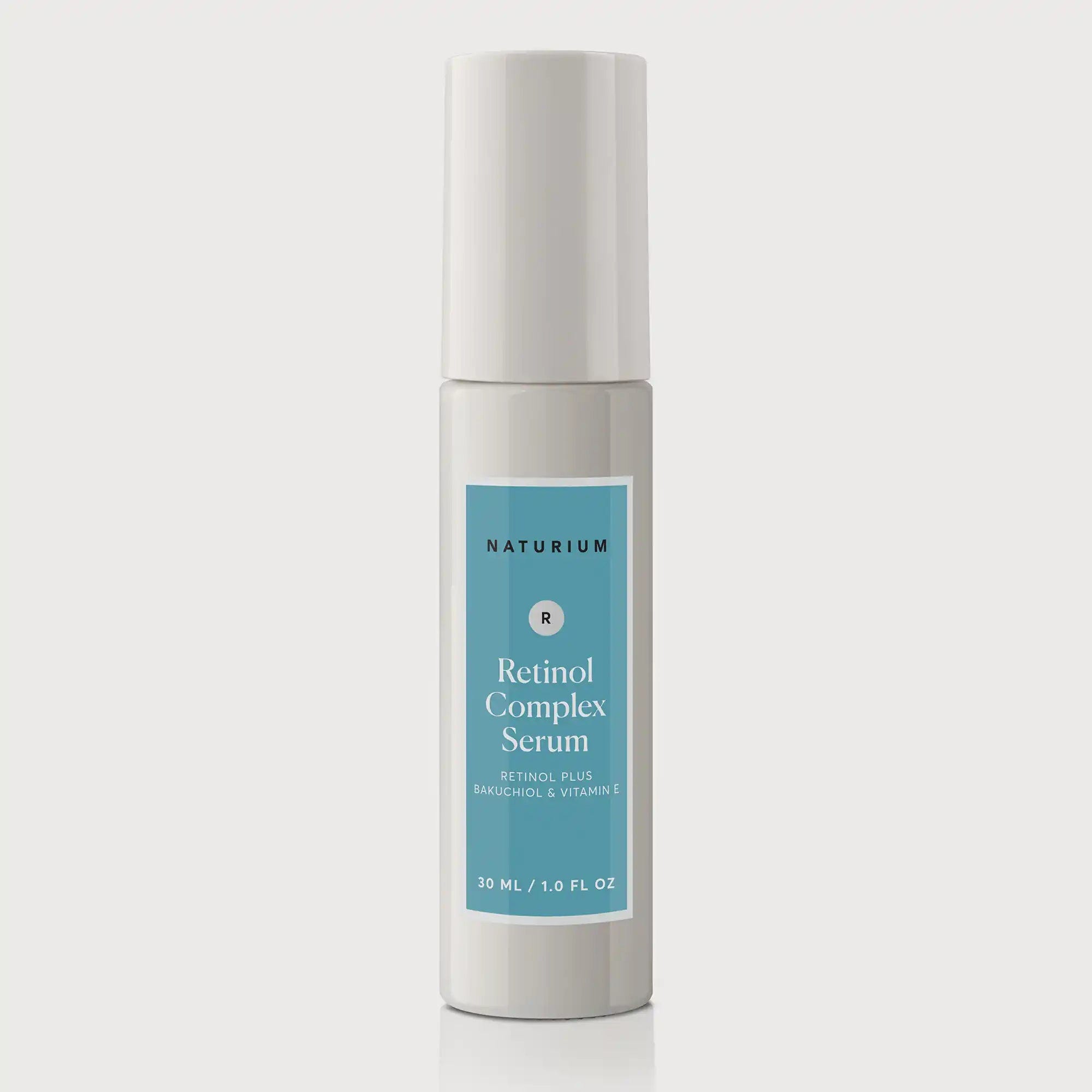
Naturium Retinol Complex Serum is a good choice if you’re more focused on fine lines, wrinkles, uneven skin tone, and texture. The formula combines retinol with bakuchiol and vitamin E, so I like this one if you want to target several signs of aging without starting with a high-strength retinol.
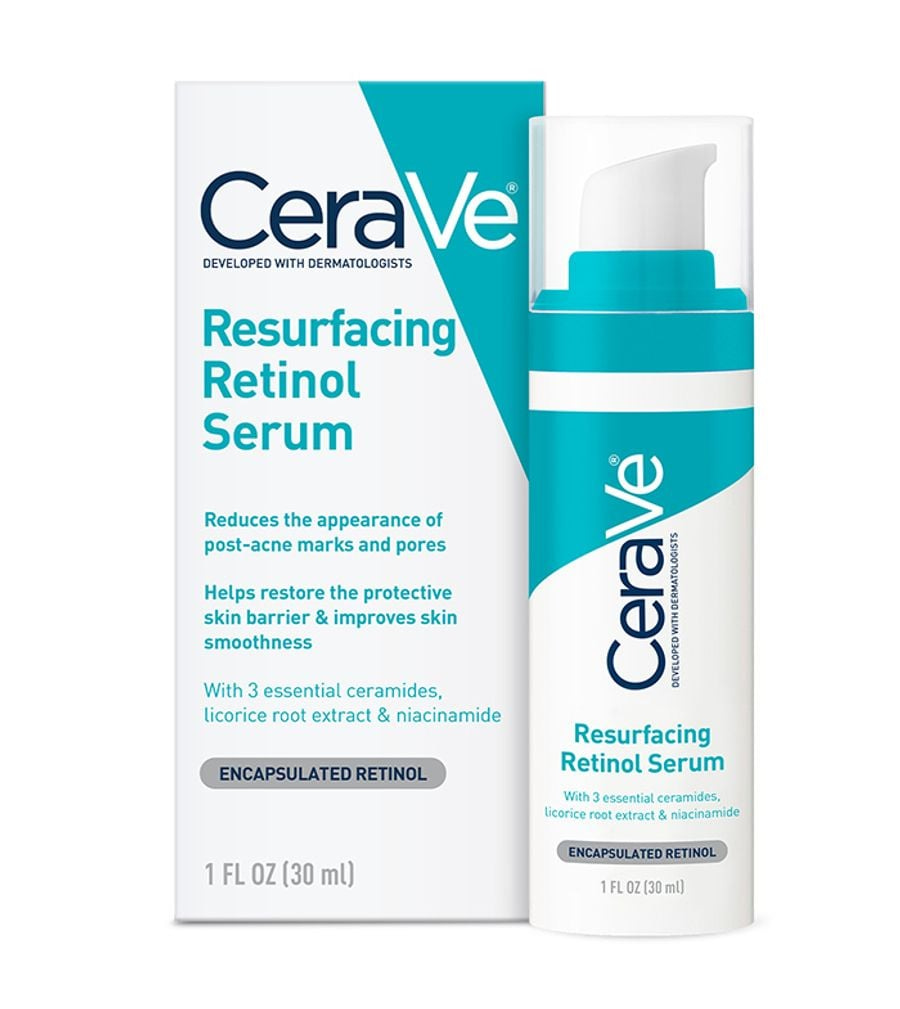
CeraVe Resurfacing Retinol Serum is one I’d look at if post-acne marks and uneven texture are your main concerns. It combines encapsulated retinol with niacinamide, ceramides, and licorice root extract, with the ceramides helping support your skin barrier while you use retinol.
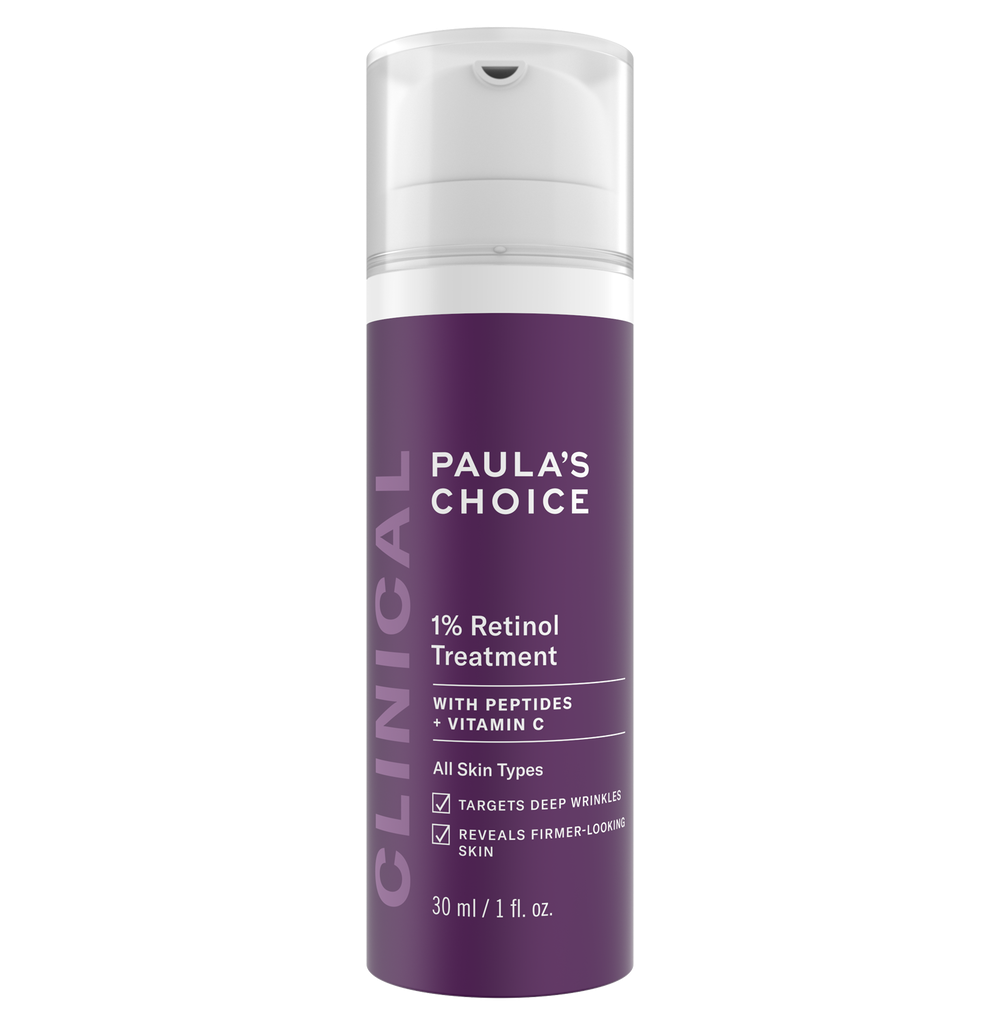
Paula’s Choice Clinical 1% Retinol Treatment is the stronger option I’d recommend if your skin is already used to retinol. It contains 1% retinol along with peptides and vitamin C to target fine lines, wrinkles, uneven skin tone, and loss of firmness.
Should you use adapalene and retinol together?
I wouldn’t use adapalene and retinol at the same time.
Since they’re both retinoids, using them together can increase your chances of dryness, redness, and irritation without giving you much added benefit.
If you’re interested in using both, talk to your dermatologist about whether alternating them on different nights makes sense for your skin.
Can everyone use retinol and adapalene?
Retinoids aren’t right for everyone, and you may need to be more careful with them if you have sensitive or easily irritated skin.
If you’re pregnant or trying to become pregnant, talk to your healthcare provider before using a retinoid.
Topical retinoids like retinol and adapalene are generally avoided during pregnancy.
If your skin doesn’t tolerate retinoids well, you may want to look at other ingredients that target your main skin concern instead.
For acne, options like salicylic acid or benzoyl peroxide may be easier for your skin to handle.
Final Thoughts
If there’s one thing I want you to take away from this comparison, it’s that you don’t need to choose a retinoid based on which one sounds stronger or more effective.
You need to choose the one that makes sense for your skin and what you’re trying to improve.
Whichever one you choose, give your skin time to adjust and don’t rush into using it every night.
Retinoids can take time to show results, and being consistent with a routine your skin can handle will get you much further than doing too much too soon.
And as always, if you’re unsure whether a retinoid is right for you, especially if you’re dealing with ongoing acne or irritation, talk to your dermatologist.
Cheers,