

If you’ve been thinking about adding retinol to your skincare routine, you’ve probably noticed just how many options there are.
Some are made for beginners, others use stronger concentrations, and the ingredient lists can get confusing when you’re trying to figure out which one is right for your skin.
Retinol can help improve fine lines, dark spots, and uneven texture, but the formula you choose matters just as much as the ingredient itself.
Your skin type, experience with retinoids, and tolerance for irritation are all worth considering.
I've rounded up eight retinol serums, from beginner-friendly formulas to stronger options for experienced users.
I’ll also share how to work retinol into your nighttime routine without overdoing it.
1. Naturium Retinol Complex Serum
Naturium’s Retinol Complex Serum combines pure retinol with bakuchiol and a plant-based retinol alternative to help improve fine lines, wrinkles, and uneven skin tone.

I think this is a great option if you’re new to retinol and want something that addresses several signs of aging without jumping into a high-strength formula.
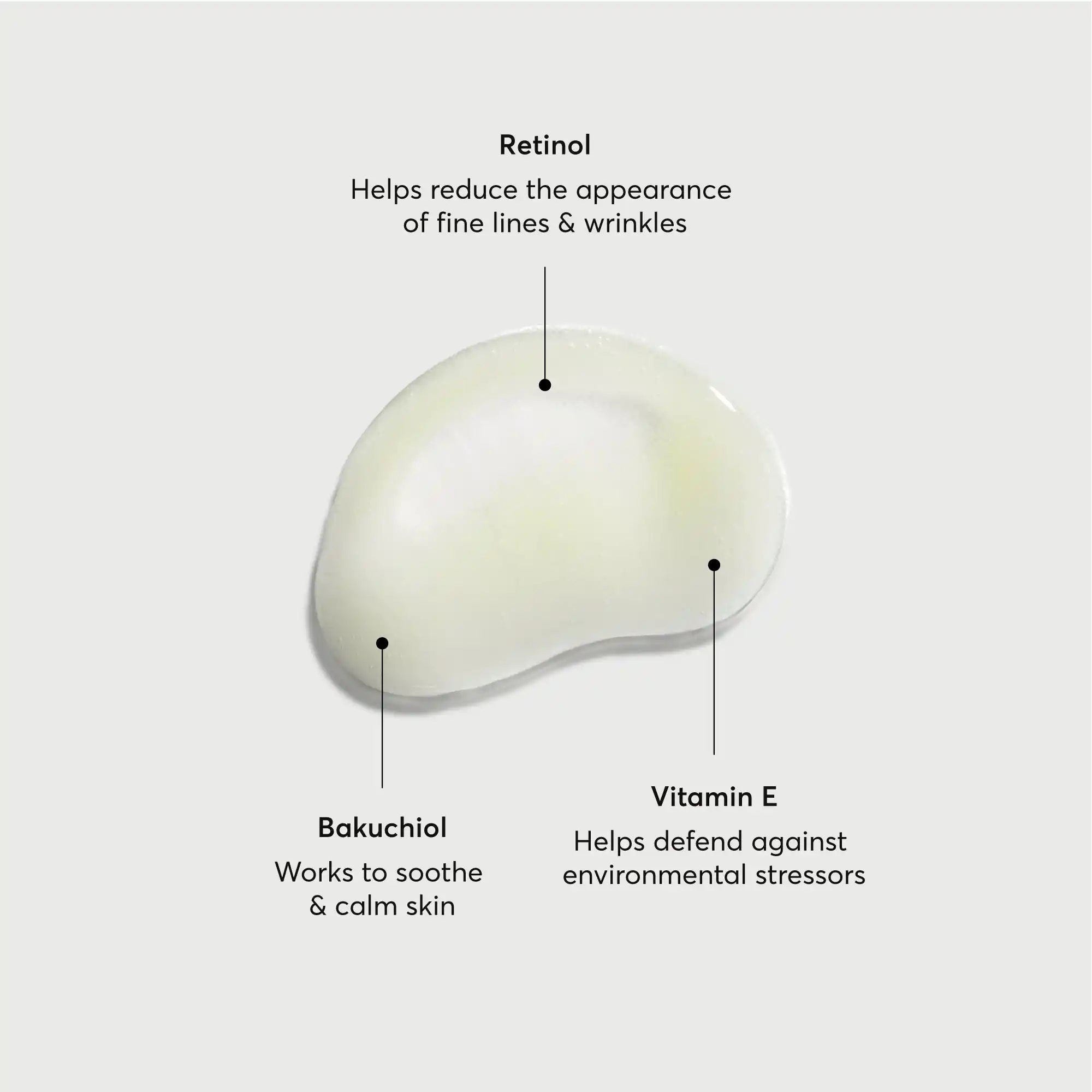
It has a lightweight texture that layers well with other products without feeling greasy.
Naturium reports visible improvements in as little as eight weeks with consistent use, so I’d give this one enough time before deciding whether it’s working for your skin.
2. Cocokind Beginner Retinol Gel
Cocokind’s Beginner Retinol Gel is a good starting point if you’re new to retinol, especially if you’re concerned about dryness or irritation.

It contains 0.1% Tri-Retinoid Comfort Complex™, which combines three types of retinoids designed to deliver their benefits at different speeds.
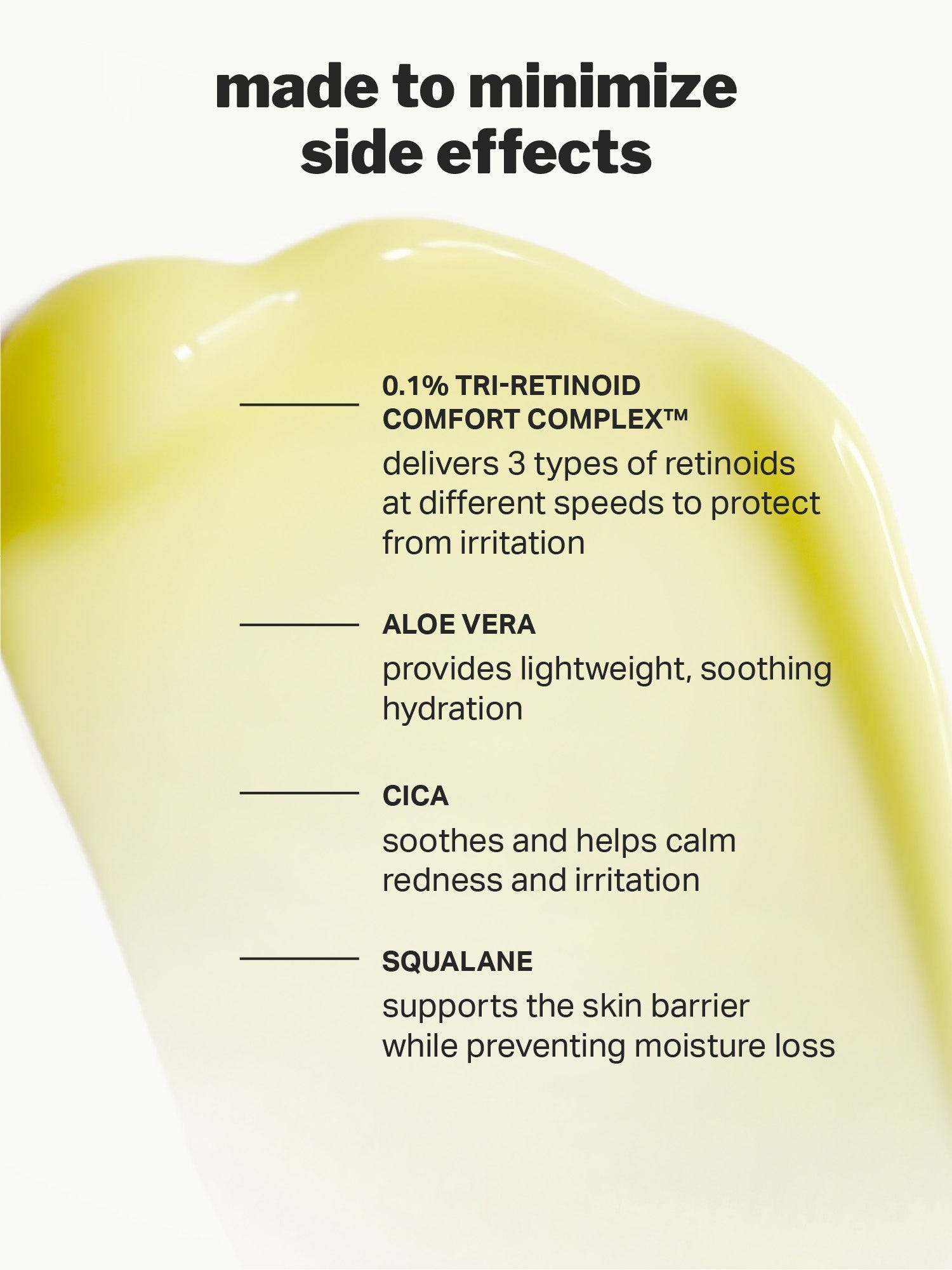
The formula also includes aloe vera, cica, and squalane to help keep skin hydrated and support the skin barrier.
With consistent use, it can help improve skin texture, firmness, and uneven tone.
3. The INKEY List Starter Retinol Serum
If you’re looking for an affordable retinoid serum but are worried about irritation, The INKEY List Starter Retinol Serum is worth a look.
The formula combines 1% Granactive Retinoid Pro+ with 0.01% retinal to help improve fine lines, wrinkles, and uneven skin texture.
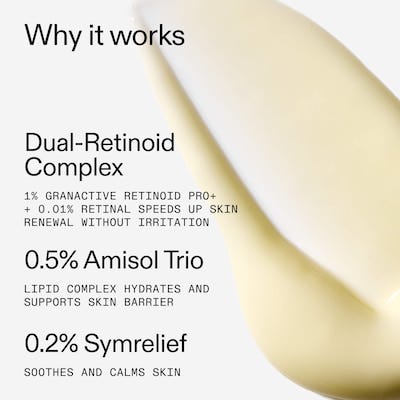
It also contains Amisol Trio to support the skin barrier and Symrelief to help soothe irritation.
That extra attention to comfort is helpful, especially when you’re still figuring out how your skin responds to retinoids.
4. La Roche-Posay Retinol B3 Serum
One thing I like about La Roche-Posay Retinol B3 Serum is that it combines retinol with niacinamide, an ingredient I often recommend for supporting the skin barrier.
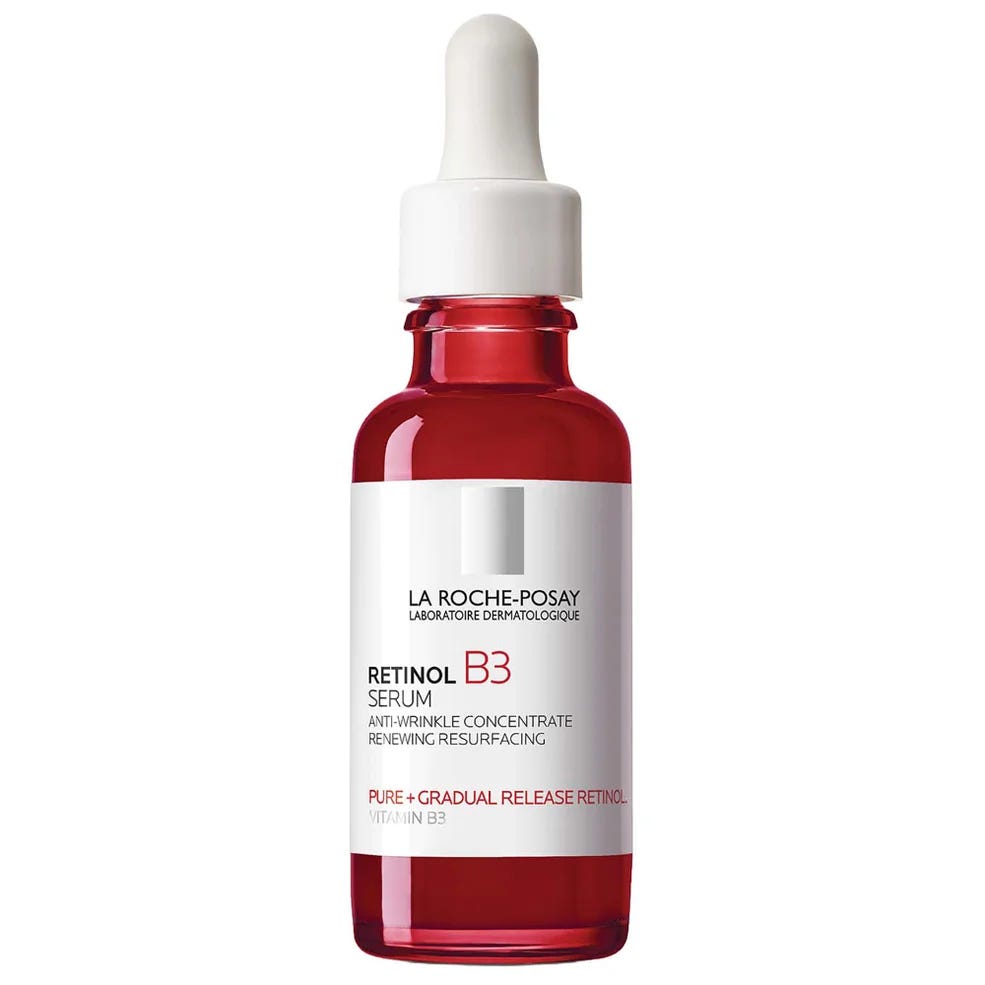
Retinol helps improve fine lines, wrinkles, and uneven skin tone, while niacinamide has soothing properties.
The formula also includes hyaluronic acid to help keep skin hydrated.
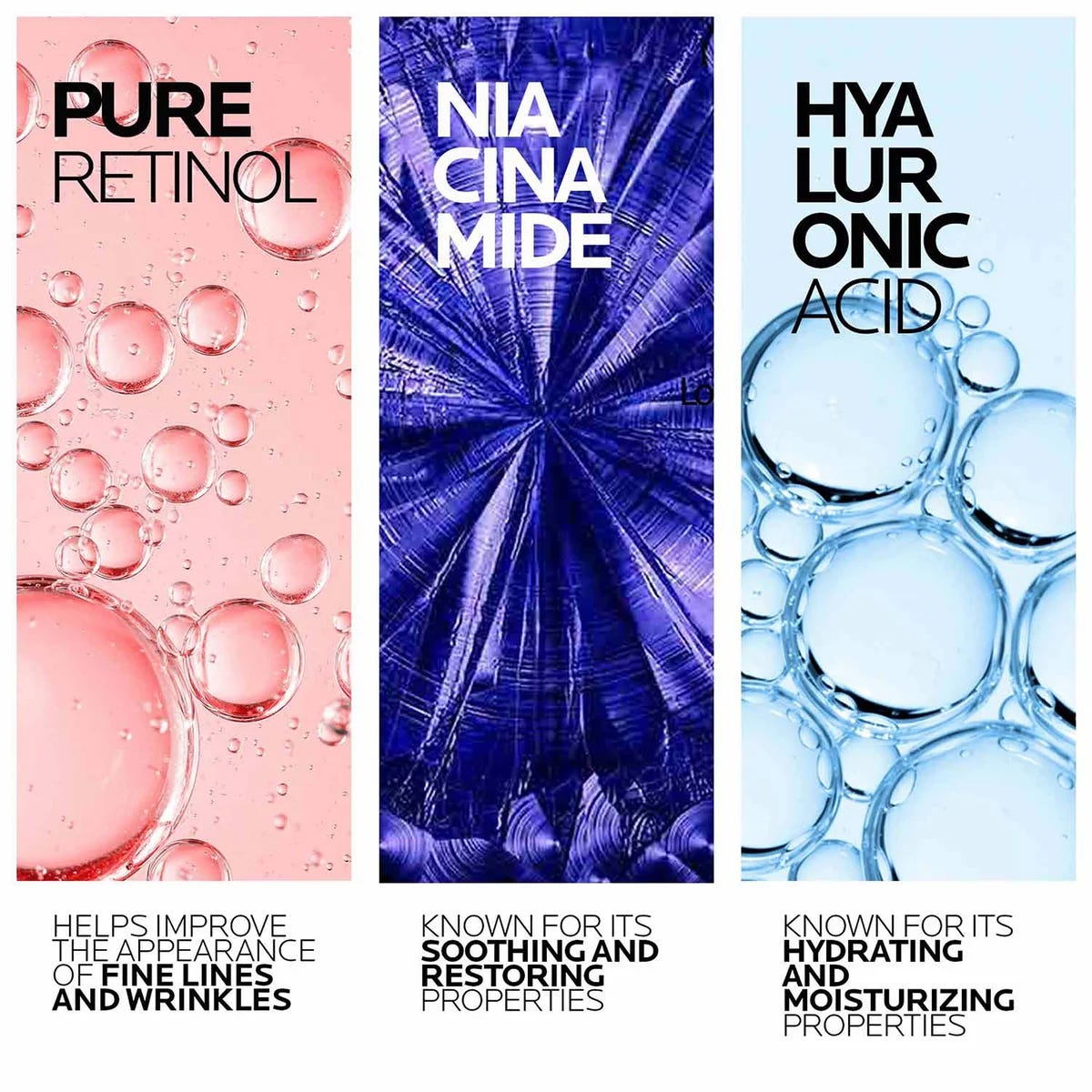
The serum has a silky, lightweight texture, which I think makes it appealing for anyone who prefers a retinol product that doesn’t feel too heavy on the skin.
5. Versed Press Restart Gentle Retinol Serum
Versed Press Restart Gentle Retinol Serum combines encapsulated retinol with bakuchiol to help improve skin texture, tone, and firmness.

The retinol is designed to release gradually, which may help minimize irritation, while bakuchiol supports skin elasticity.
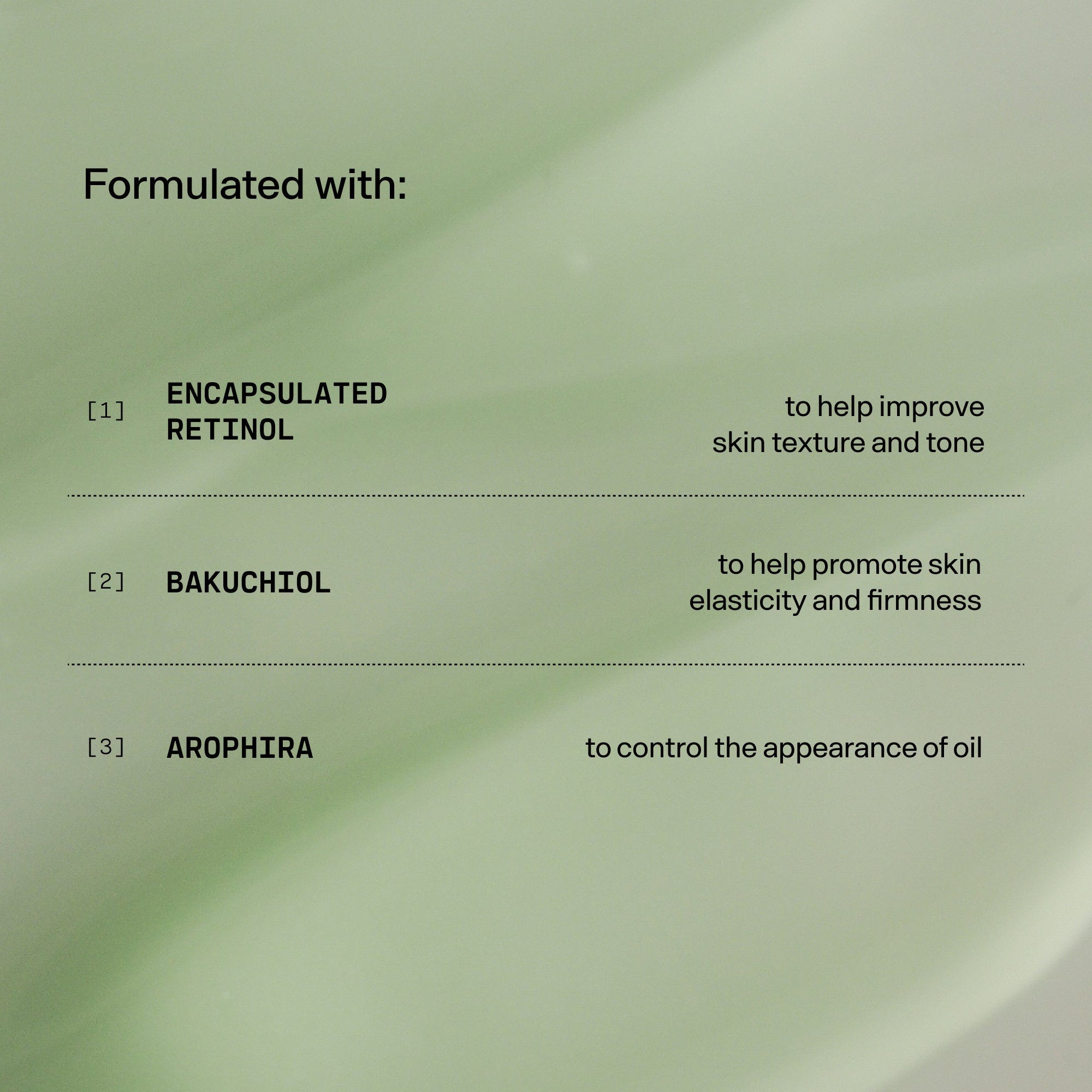
It also contains Arophira to help control the appearance of oil.
It has a creamy texture that layers easily under moisturizer.
6. CeraVe Skin Renewing Retinol Serum
CeraVe Skin Renewing Retinol Serum is another option I’d look at if you’re concerned about dryness when using retinol.
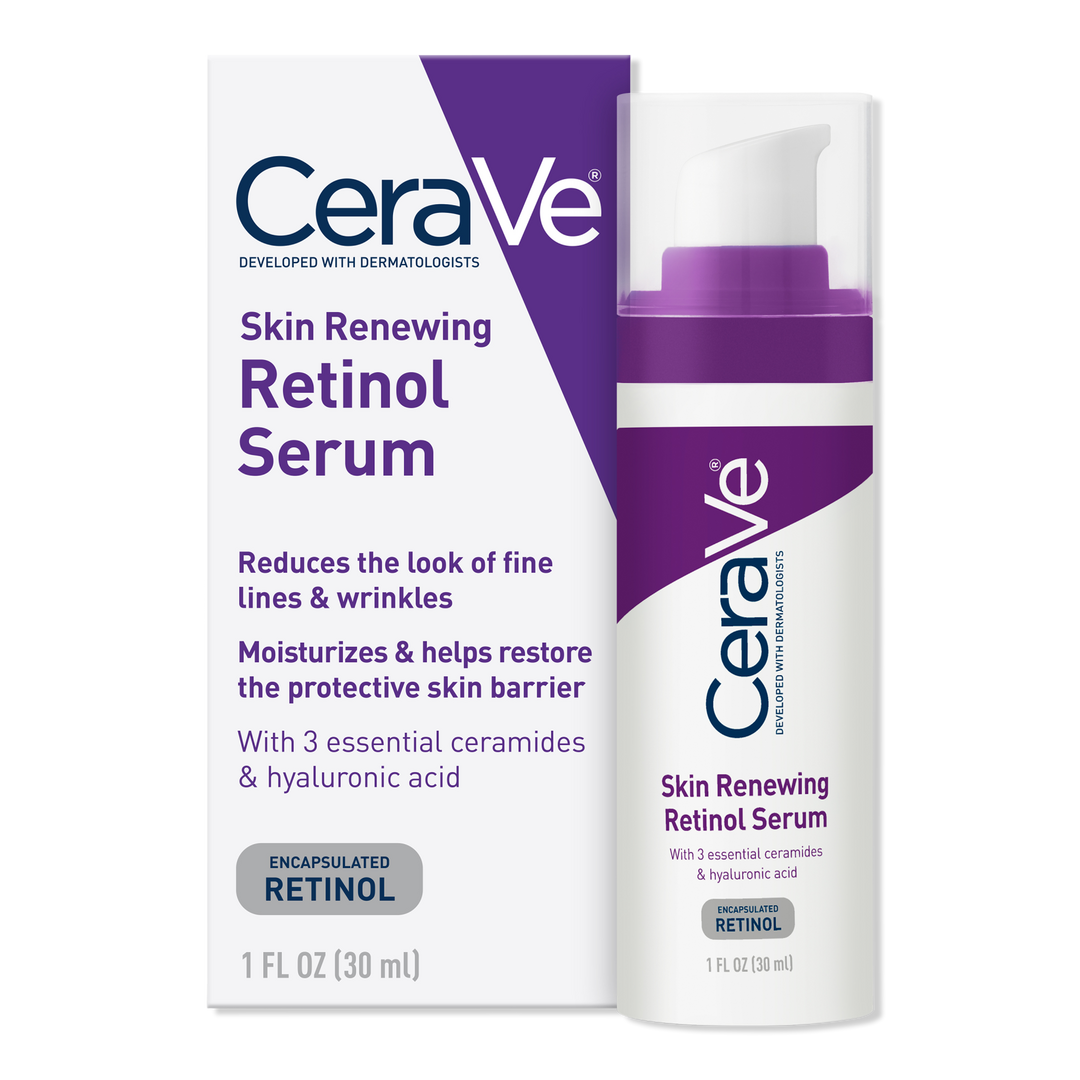
It uses encapsulated retinol to help improve fine lines and wrinkles, along with three essential ceramides that help maintain the skin barrier.
The formula also includes niacinamide to help soothe skin and hyaluronic acid to keep it hydrated, which can be helpful when you’re introducing retinol into your routine.
The lightweight, creamy texture is a nice touch, and while it’s designed to be gentle, I’d still start slowly to see how your skin responds.
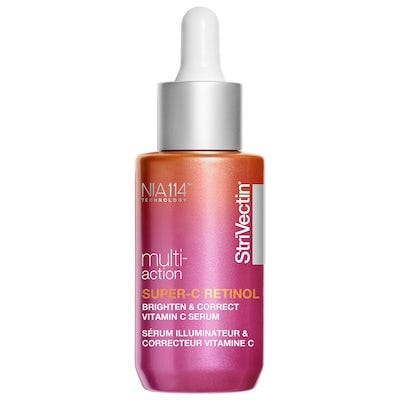
7. StriVectin Super-C Retinol Brighten & Correct Serum
StriVectin Super-C Retinol Brighten & Correct Serum is an interesting option if you’re dealing with dark spots, dullness, and early signs of aging.
Vitamin C helps brighten uneven skin tone, while retinol works on fine lines and rough texture.
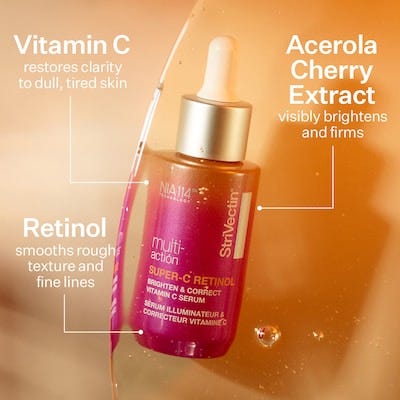
There’s also acerola cherry extract for added brightening and firming benefits.
Having vitamin C and retinol in one serum is convenient, though I’d ease into using it since both ingredients can cause irritation.
8. The Ordinary Retinol 1% in Squalane
The Ordinary Retinol 1% in Squalane is worth looking into if you’ve been using retinol for a while and want to move up to a stronger formula.
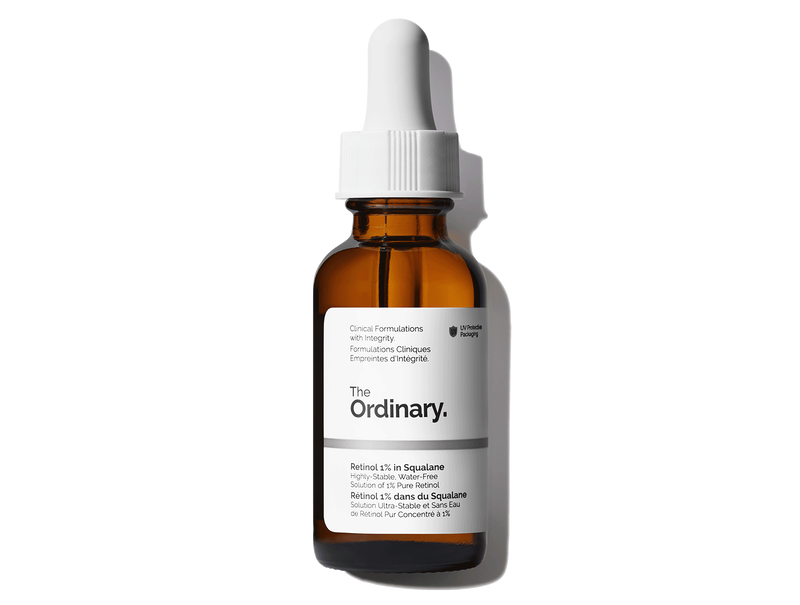
It contains 1% pure retinol to help improve the appearance of fine lines, uneven skin tone, and texture.
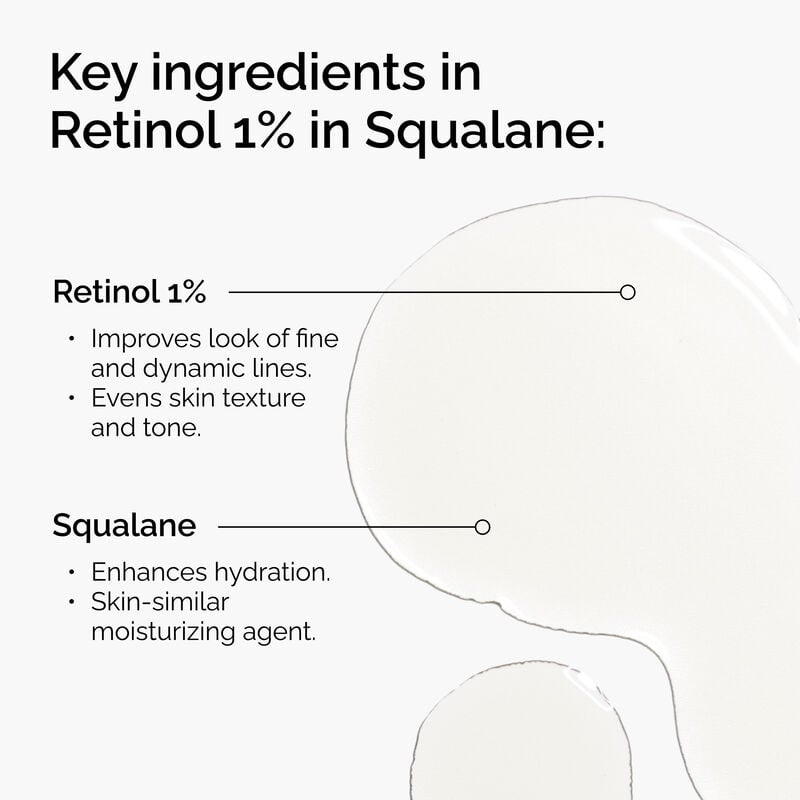
The squalane base also helps keep skin moisturized, although you can still experience dryness or irritation with a concentration this high.
I wouldn’t recommend starting with 1% retinol if you’re new to the ingredient.
The Ordinary has lower-strength options at 0.2% and 0.5%, which give you room to work your way up as your skin adjusts.
How to Add Retinol to Your Skincare Routine
If you’re new to retinol, I recommend keeping your nighttime routine simple while your skin adjusts.
Start with a cleansing balm or cleansing oil to remove makeup and sunscreen, if needed.
Follow with a gentle cleanser to wash away any remaining residue.
Once your skin is dry, apply your retinol serum according to the product’s instructions.
If you need extra hydration, add a hyaluronic acid serum.
Finish with a moisturizer.
I’d start with retinol two nights a week and increase gradually depending on how your skin responds.
If irritation is a concern, try the sandwich method, where you apply a thin layer of moisturizer, let it absorb, follow with retinol, and finish with another layer of moisturizer.
And don’t forget broad-spectrum SPF 30 or higher every morning.
Pro Tip: Medik8 Crystal Retinal
If you ever want to take things up a notch, Medik8’s Crystal Retinal line is one of the best next-step options.

It uses retinal, a form of vitamin A that works through fewer conversion steps than retinol, to help improve fine lines, wrinkles, and uneven skin texture.
For more advanced anti-aging treatment, prescription tretinoin is another option worth discussing with a dermatologist, since it has extensive research supporting its long-term benefits.
Final Thoughts
I think the biggest mistake people make with retinol is assuming that a stronger formula will always give them better results.
You really don’t need to start with the highest concentration, and there’s nothing wrong with sticking to a gentler product if your skin responds well to it.
I’d focus on finding something you can use consistently and giving it enough time to work before moving on to another product.
Also, Black Friday is coming up, and I’ll be sharing some of the best skincare and beauty deals in my upcoming articles.
I’ll be keeping an eye out for offers on products I already recommend, so stay tuned!
Cheers,
Your closing point is the one I repeat in consultations all winter: the biggest retinol mistake is assuming stronger means better. The skin in front of me that peeled itself into sensitivity on a 1% it bought in October is a whole genre at this point. A gentle formula used five nights a week beats the strong one gathering dust after two irritated tries, every single time. Consistency is the active ingredient nobody can sell you.