

If you’re dealing with acne, there’s a good chance you’ve come across PanOxyl.
The brand has two popular benzoyl peroxide cleansers, one with 4% and another with 10%, and choosing between them isn’t always as straightforward as going with the stronger one.
You also have to think about how often you’re using it, what else is in your routine, and whether your skin can handle benzoyl peroxide without getting too dry or irritated.
In this guide, I’ll walk you through everything you need to know about PanOxyl and how I’d use it as part of an acne routine.
What Is PanOxyl?
PanOxyl is a skincare brand that focuses on acne treatments, and it’s best known for its benzoyl peroxide cleansers.
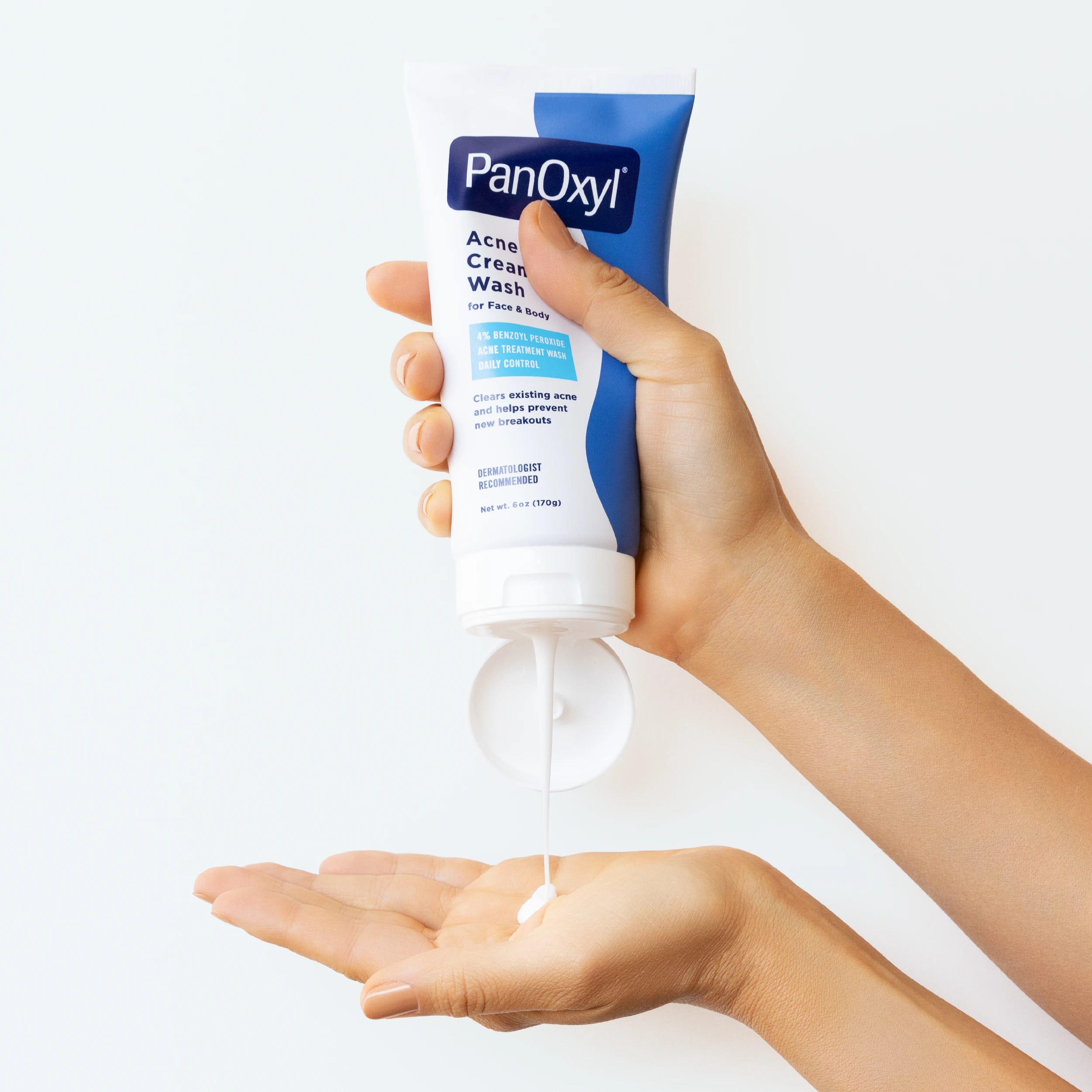
The two you’ll see most often are the 4% Creamy Acne Wash and 10% Acne Foaming Wash, which contain different concentrations of benzoyl peroxide.
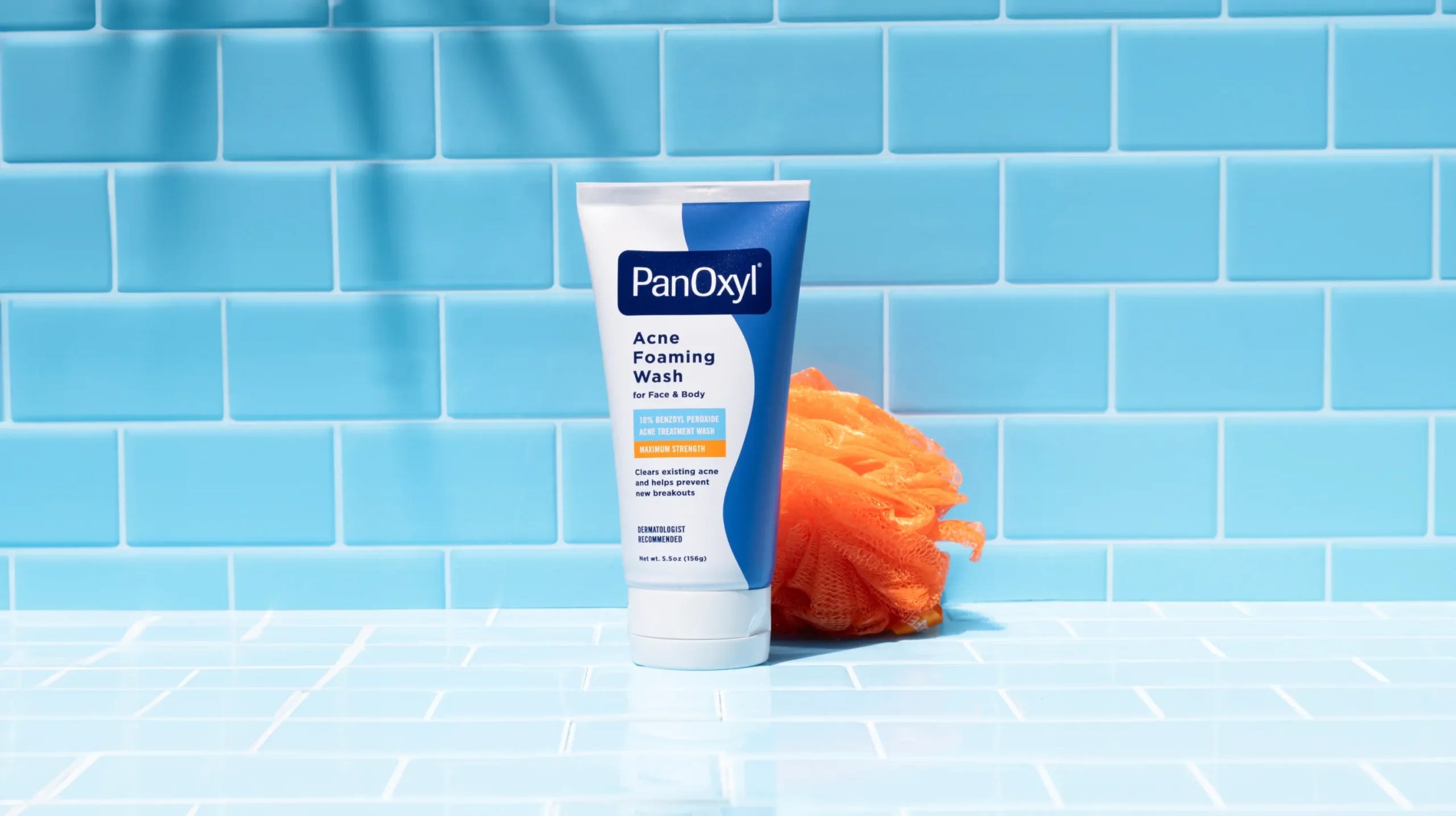
PanOxyl also makes other acne-focused products, including:
Acne patches
Adapalene gel
A benzoyl peroxide body wash
A 2% salicylic acid exfoliant
Moisturizers
For this guide, I’m going to focus on the 4% and 10% washes since those are the products you’re most likely looking at if you want to use PanOxyl for acne.
You can buy PanOxyl over the counter at drugstores, select grocery stores, and online retailers like Amazon.
How Does PanOxyl Work?
Both PanOxyl washes use benzoyl peroxide as the active ingredient, just at different strengths.
When you use benzoyl peroxide, it helps reduce the bacteria on your skin that contribute to acne.
It can also help unclog your pores and calm some of the inflammation that comes with breakouts.
That makes PanOxyl a good option if you’re dealing with pimples and inflammatory acne, and with consistent use, it can also help prevent new breakouts from forming.
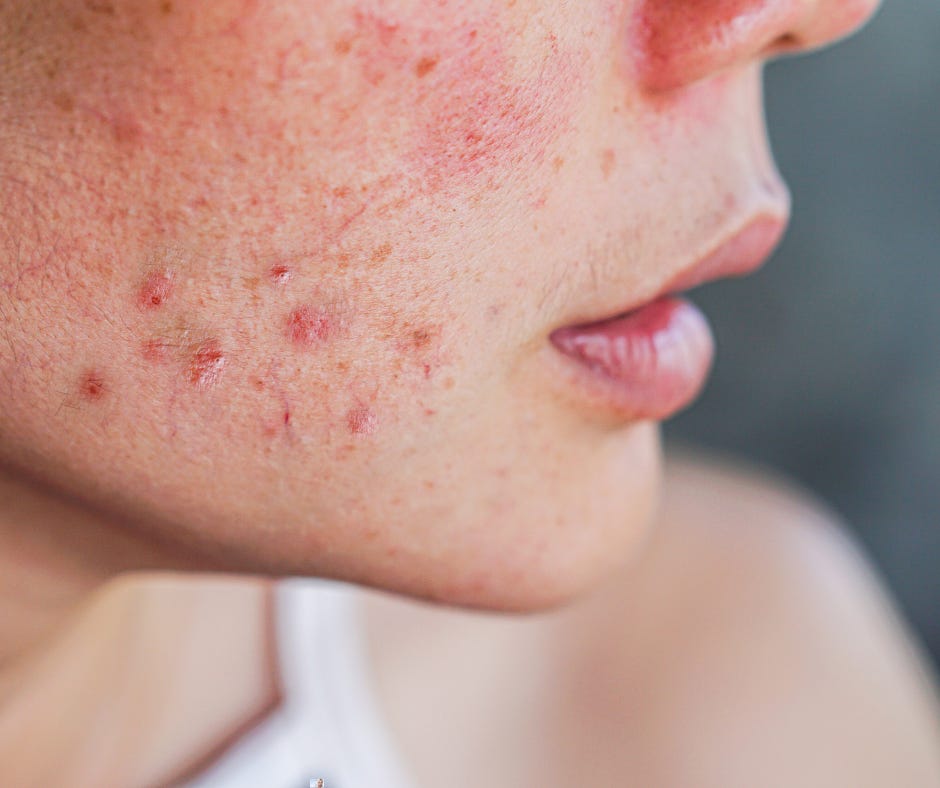
The catch is that benzoyl peroxide can dry out or irritate your skin, so stronger isn’t always better.
How much your skin can tolerate matters when you’re choosing between the 4% and 10% washes.
PanOxyl 4% vs. 10%: Which One Should You Use?
PanOxyl gives you two benzoyl peroxide strengths to choose from: 4% in the Creamy Acne Wash and 10% in the Acne Foaming Wash.
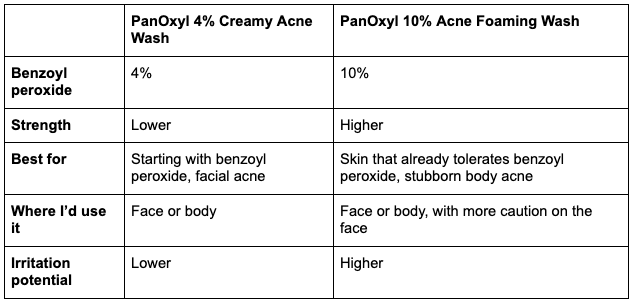
If you’re new to benzoyl peroxide or plan to use PanOxyl on your face, I’d start with the 4% wash.
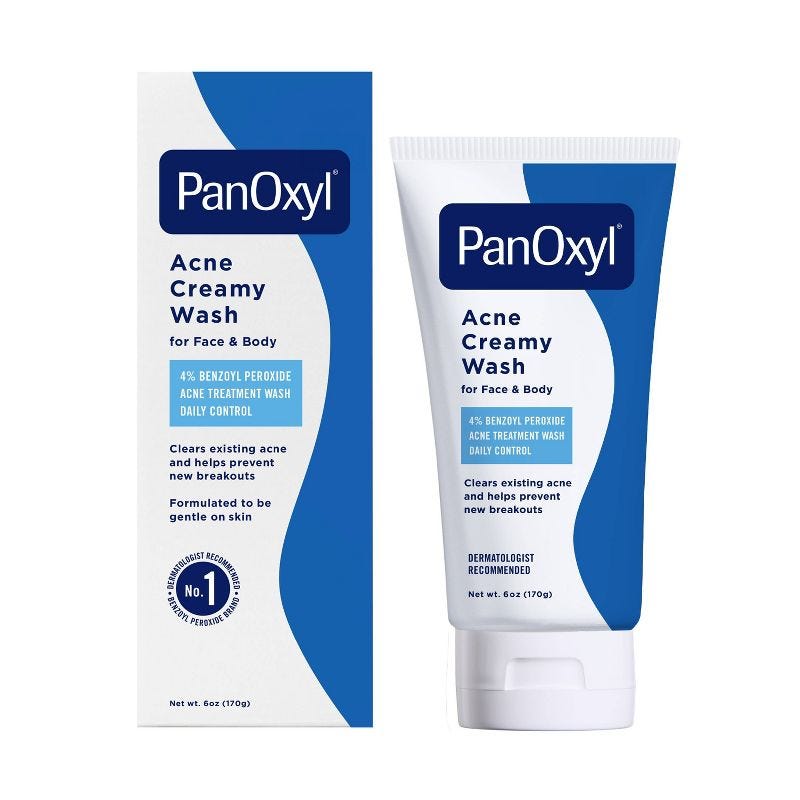
You’re still getting benzoyl peroxide, but the lower concentration gives you a better place to start if you’re worried about dryness or irritation.
The 10% wash is the stronger option.
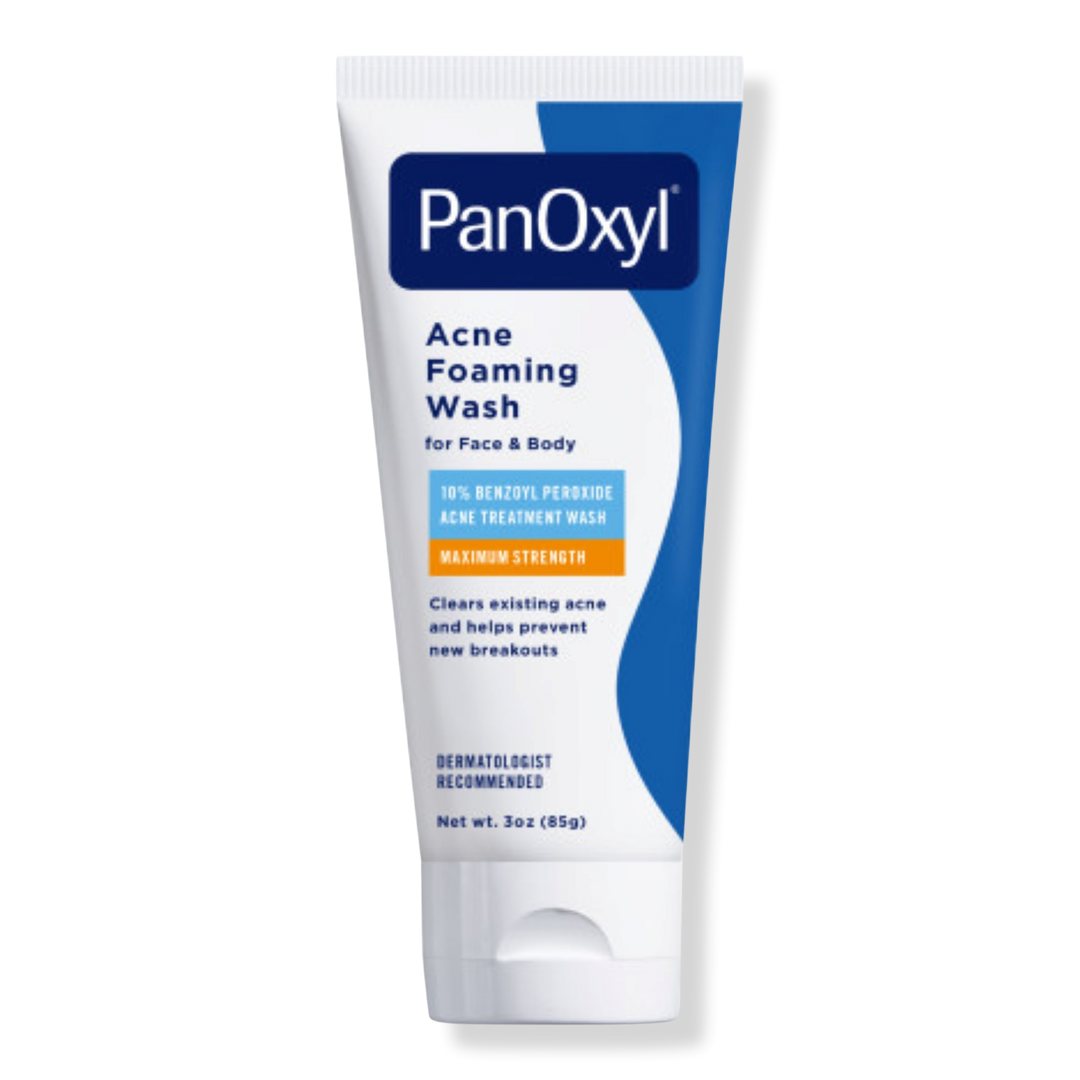
I’d consider this one if your skin already tolerates benzoyl peroxide well or if you’re dealing with acne on areas like your chest, back, or shoulders.
I wouldn’t choose the 10% wash just because you assume a higher percentage will clear your acne faster.
More benzoyl peroxide can also mean more irritation, and the best option is the one your skin can tolerate enough to use consistently.
How to Use PanOxyl
Using PanOxyl is pretty straightforward, but I’d make a few adjustments depending on where you’re using it and how well your skin tolerates benzoyl peroxide.
Choose your PanOxyl wash. If you’re using PanOxyl on your face, I’d start with the 4% Creamy Acne Wash. The 10% Foaming Acne Wash is the stronger option, so I’d save that for skin that already tolerates benzoyl peroxide well or areas like your chest, back, and shoulders.
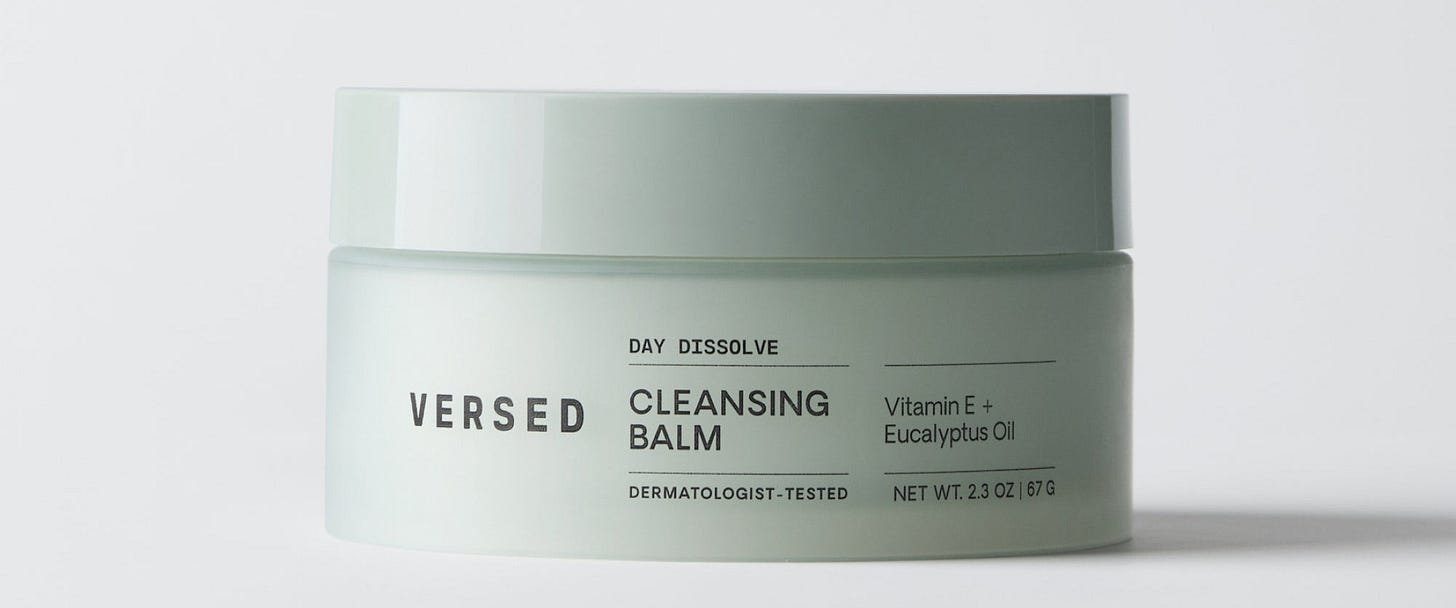
Wet your skin with lukewarm water. If you’re wearing makeup, start with a cleansing balm to remove it, then rinse and follow with PanOxyl.
Massage PanOxyl into your skin. Apply a small amount and focus on the areas where you tend to break out. You don’t need to scrub. Gently work the cleanser over your skin, then rinse it off well.
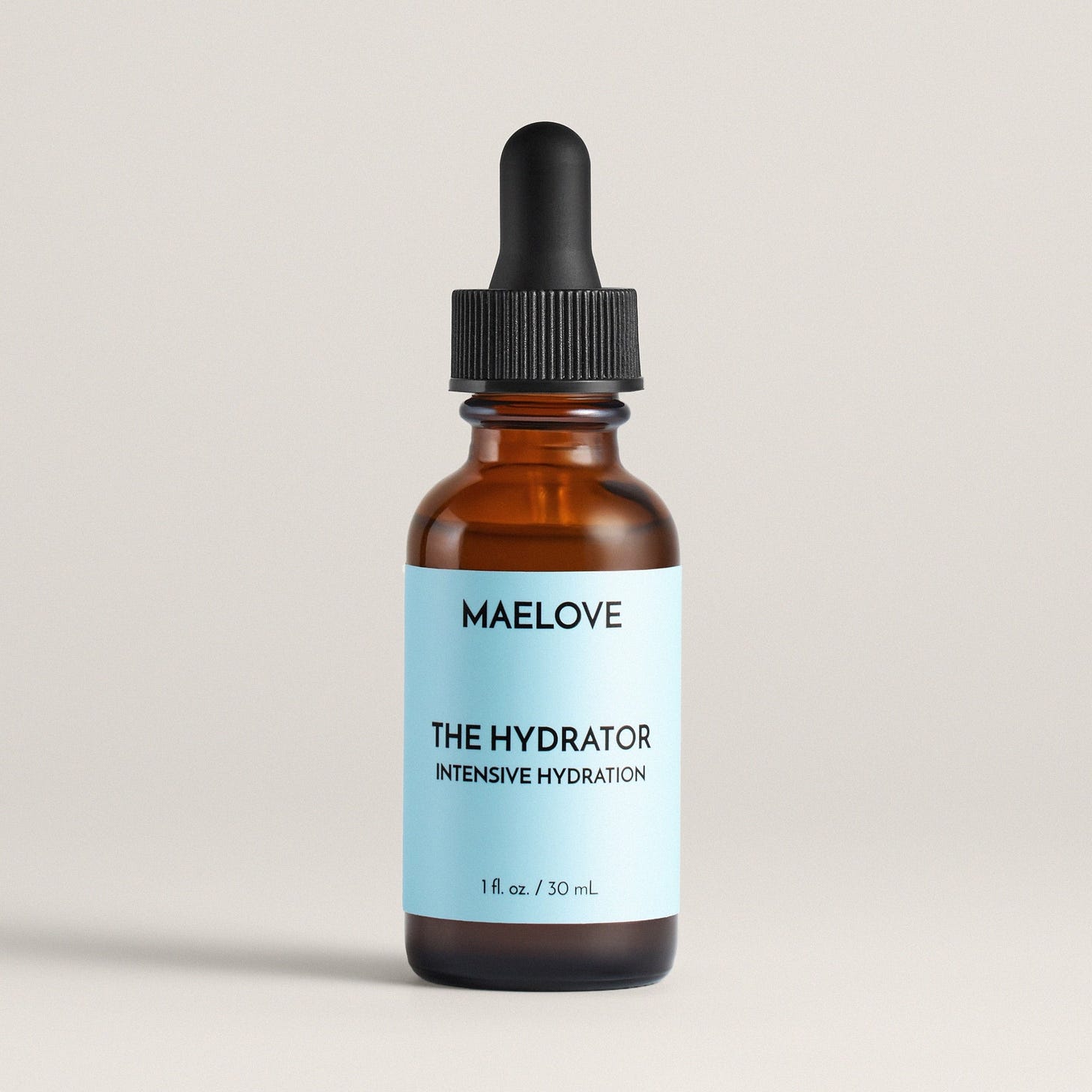
Add hydration if your skin needs it. While your skin is still slightly damp, you can follow with a simple hydrating serum, like hyaluronic acid, if benzoyl peroxide tends to leave your skin feeling dry.
Finish with moisturizer. I wouldn’t skip this step. Benzoyl peroxide can be drying, and a good moisturizer can make PanOxyl much easier to keep in your routine.
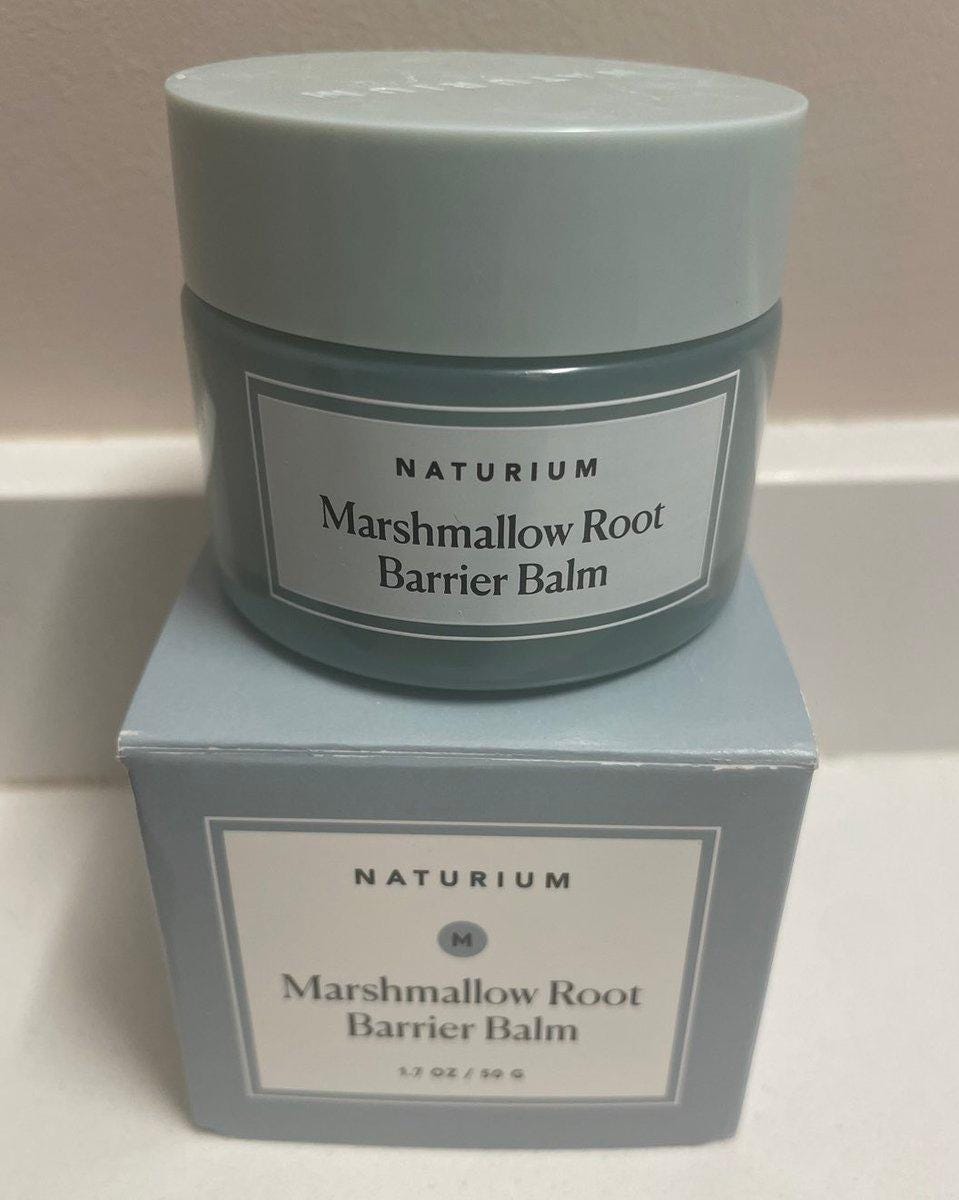
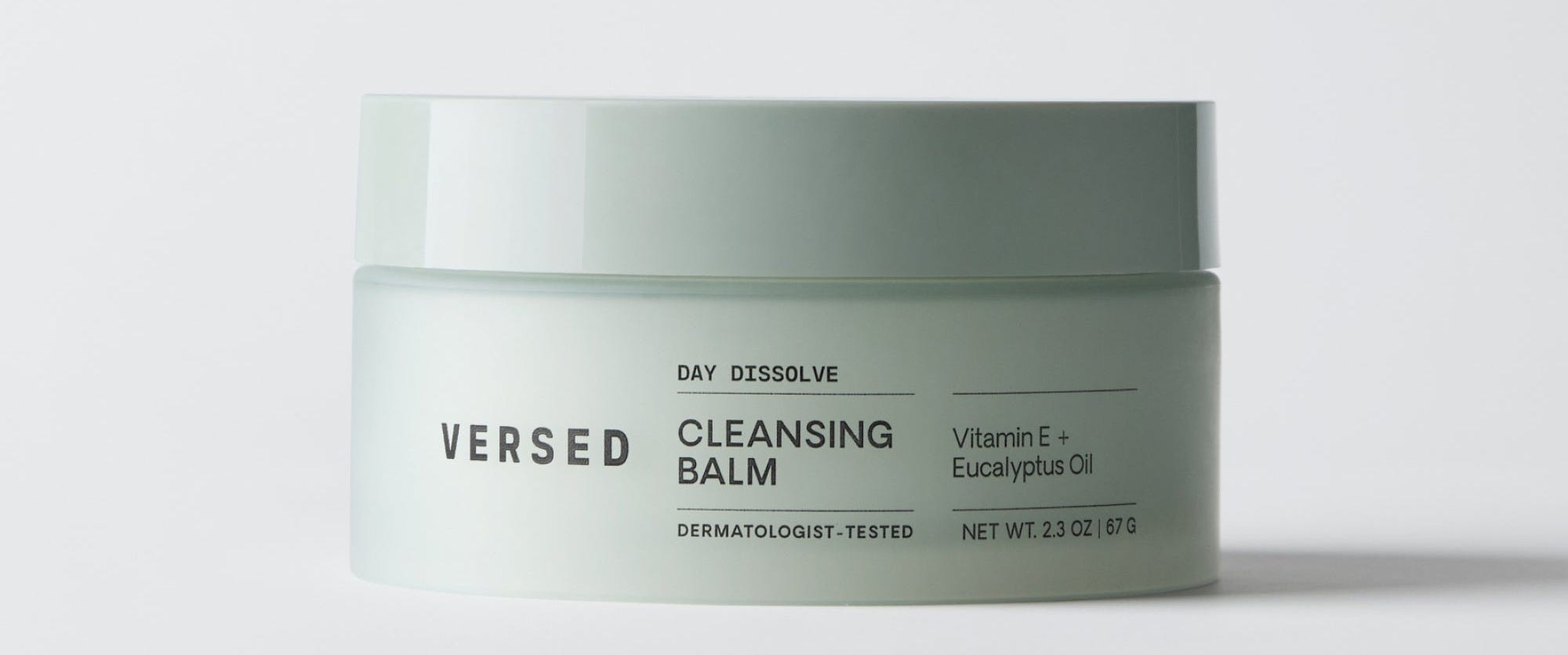
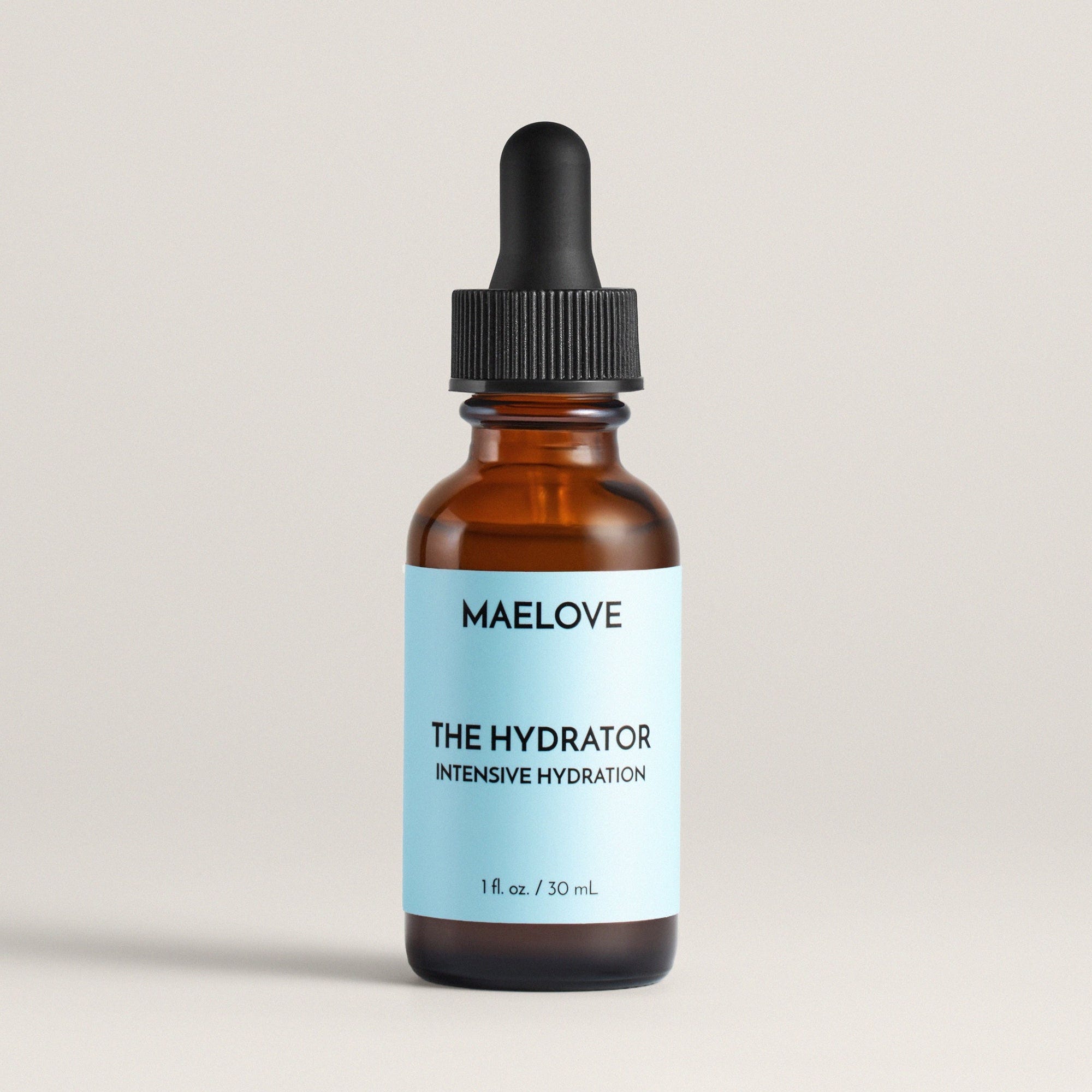
If you’re new to PanOxyl, I’d start with it a few nights per week rather than jumping straight into daily use.
You can increase how often you use it once you know how your skin responds.
PanOxyl Side Effects and What to Be Careful With
Benzoyl peroxide can work well for acne, but it can also be irritating, particularly when your skin is getting used to it.
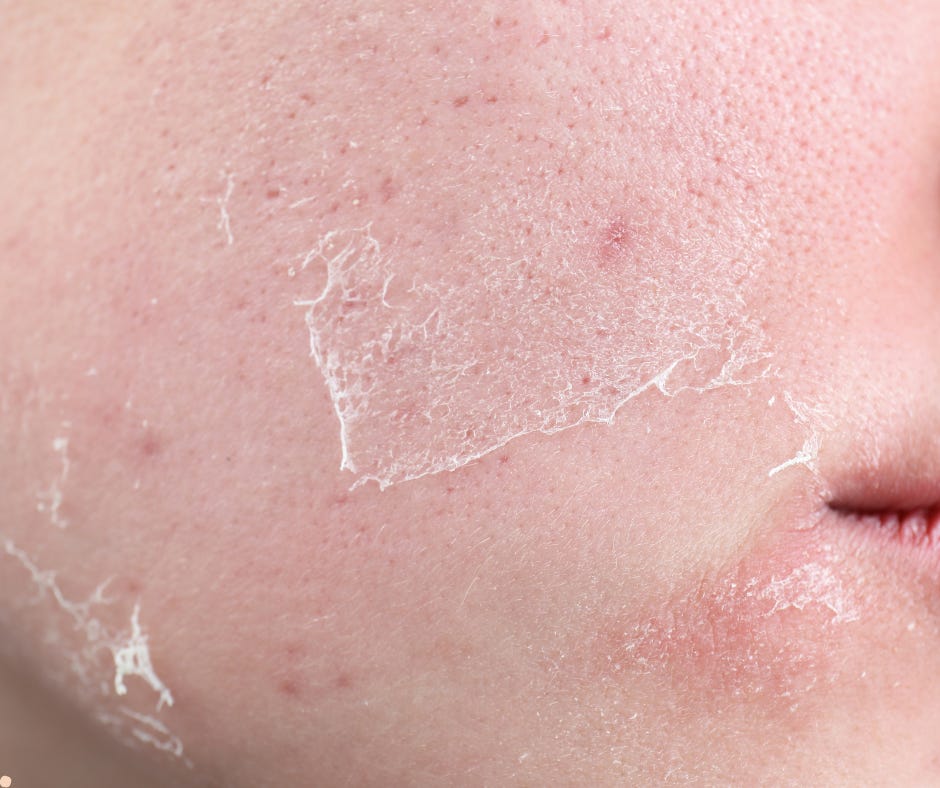
You might notice:
Dryness
Redness
Flaking or peeling
Burning or stinging
Irritation
If your skin starts getting irritated, I’d cut back on how often you use PanOxyl rather than adding more acne treatments on top of it.
I’d also be careful with other active ingredients in the same routine.
Retinoids and exfoliating acids can cause irritation of their own, so combining too much at once can make it harder for your skin to tolerate PanOxyl.
And one practical thing you should know: benzoyl peroxide can bleach fabric.
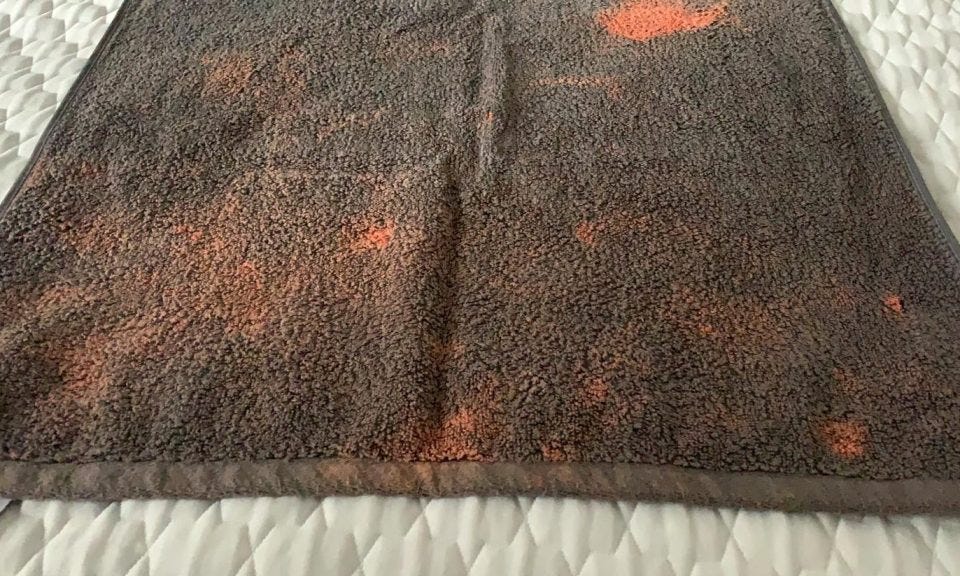
Be careful around towels, pillowcases, and clothing, and rinse the cleanser off well before drying your skin.
Final Thoughts
PanOxyl has been around for a long time, and I think part of its appeal is that it keeps acne treatment pretty straightforward.
You have two benzoyl peroxide strengths to choose from, both are available over the counter, and you can work one into your routine without completely changing everything else you’re using.
The biggest thing I’d keep in mind is that you don’t need to overdo it.
Give your skin time to adjust, pay attention to how it responds, and build from there.
Cheers,